
Side Dishes
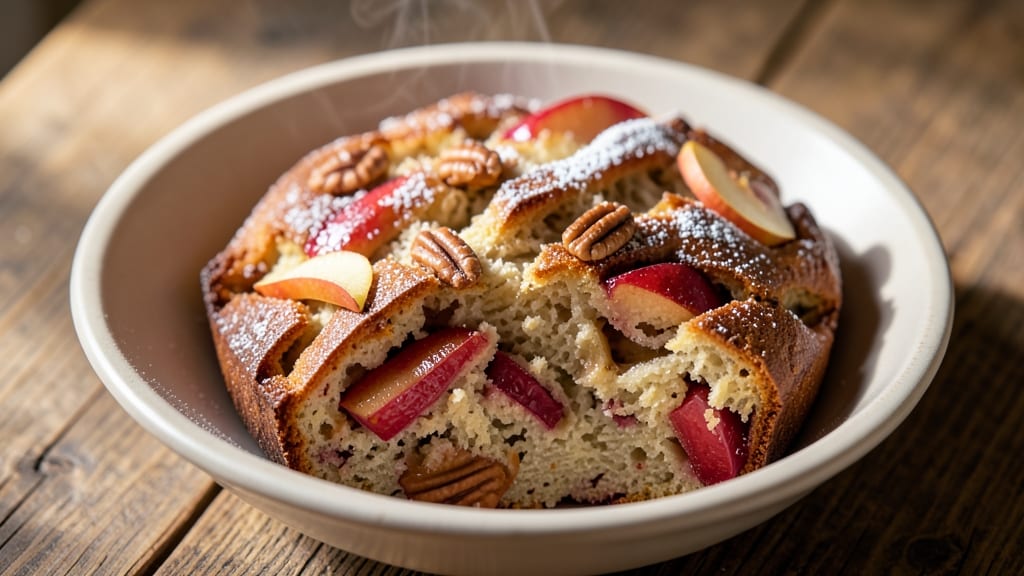
This autumn apple bread recipe transforms simple ingredients into a loaf that captures the cozy essence of fall—warm cinnamon, tender apples, and a crumb so inviting it disappears in minutes.
The secret lies in folding caramelized apple chunks into a buttery dough, creating swirls of fruit that bake into sweet-tart perfection. I’ve perfected this recipe over years of baking, ensuring every slice delivers that ideal balance of spice, fruit, and soft texture that makes it a seasonal staple.
The dough itself is straightforward—just flour, yeast, and a touch of sugar—but the magic happens in the apple preparation. Sautéing the apples with cinnamon and a hint of nutmeg before folding them into the dough intensifies their flavor, while a light egg wash gives the crust that golden, crackly finish.
This isn’t just bread; it’s a celebration of autumn’s harvest, with every bite offering a mix of textures and flavors that feel like a hug.
Baking time is minimal—just under an hour—and the aroma filling your kitchen will have everyone gathering around. The bread stays fresh for days, making it perfect for breakfast, brunch, or even as a dessert when drizzled with a little honey.
Whether you’re hosting a gathering or simply craving a taste of fall, this recipe delivers a loaf that’s as beautiful as it is delicious, with adaptable ingredients for dietary preferences.
For an extra touch, brush the warm loaf with melted butter and sprinkle with cinnamon sugar, or serve it alongside a pat of cultured butter and a cup of spiced tea.
The possibilities are endless, but the foundation—rich, spiced, and packed with apple—remains the same. Let’s make this bread, and bring the warmth of autumn to your table.
Ingredients for autumn apple bread
Simple pantry staples and seasonal apples create this cozy autumn bread.
| Ingredient | Amount | Notes |
|---|---|---|
| All-Purpose Flour 🌾 | 4 cups | Spooned and leveled for accuracy |
| Granulated Sugar 🍚 | ½ cup | Light brown sugar for depth |
| Active Dry Yeast 🍞 | 2 ¼ tsp | Ensure yeast is fresh |
| Unsalted Butter 🧈 | ½ cup | Cold, cubed for even distribution |
| Large Eggs 🥚 | 1 whole | Room temperature for best mixing |
| Milk 🥛 | ¼ cup | Warm to room temperature |
| Ground Cinnamon 🍃 | 2 tsp | Freshly ground preferred |
| Ground Nutmeg 🌿 | ½ tsp | Freshly grated for warmth |
| Salt 🧂 | ½ tsp | Kosher or sea salt preferred |
| Apples 🍎 | 2 medium | Honeycrisp or Fuji, peeled and diced |
| Extra-Virgin Olive Oil 🫒 | 1 tbsp | For greasing the pan |
| Granulated Sugar 🍚 | ¼ cup | For sprinkling on top |
The apples are the heart of this recipe—Honeycrisp or Fuji deliver the perfect balance of sweetness and tartness. Local farmers markets often have fresh apples in fall, but the grocery store produce section works too. Look for firm, vibrant fruit without bruises. If you can’t find Honeycrisp, Gala or Braeburn are great alternatives. Peel and dice them into even 1/2-inch pieces before sautéing with cinnamon and nutmeg for maximum flavor infusion. The butter matters here too—European-style butter like Plugrá or Land O’Lakes has higher fat content, which gives the bread a richer, more tender crumb.
No applesauce on hand? Purée 1 cup of the diced apples before mixing into the dough for extra moisture. Running short on butter? Coconut oil or vegan butter works in a pinch (though the flavor will be subtly different). The yeast must be active—test it first by mixing with warm water and sugar; if it foams within 5-10 minutes, it’s good to go. For a gluten-free version, swap the all-purpose flour for a 1:1 gluten-free blend (like Bob’s Red Mill), but expect a denser texture. The cinnamon and nutmeg should be freshly ground if possible—pre-ground spices lose potency quickly, especially nutmeg which can taste bitter when stale.
This bread keeps beautifully for 3-4 days at room temperature wrapped in a clean kitchen towel, or up to 1 week in the fridge. For longer storage, freeze slices wrapped in plastic for up to 3 months. To revive, warm directly in the oven at 350°F (175°C) for 5-10 minutes. The aroma alone will have your kitchen smelling like fall. I always bake two loaves—one for the table, one to freeze for later. The dough can also be made ahead and refrigerated overnight for deeper flavor development, just let it rise at room temperature before shaping.
Why You'll Love This Recipe
- No-Fuss Dough: I swear by this recipe because the yeast and butter do most of the work—just mix, knead once (even if it’s lumpy), and let it rise while you sip coffee. The apples get tossed in brown sugar and cinnamon after baking, so no sticky fruit messes with your dough.
- Spiced Coziness: That warm cinnamon-butter aroma? It’s like autumn in loaf form. The apples caramelize just enough to stay tender, while the crust gets a golden crack that’s dangerously hard to resist. Honestly, I’ve burned toast trying to wait for the oven to cool.
- Breakfast or Snack: Slice it toasted with butter for a quick breakfast, or pack it for lunches—it’s sturdy enough to handle a lunchbox. My kids beg for it after school, and I’ve even served it at brunch with whipped cream. (Yes, even on a Tuesday night.)
- Leftovers That Last: One loaf feeds my family for days—sandwiches, toast, or reheated with jam. The butter keeps it moist, and the sugar prevents it from drying out. Between us, I’ve had this bread three days old and still craved it. Budget win.
Step-by-step instructions for autumn apple bread
Transform simple ingredients into a fragrant, spiced loaf with tender crumb and sweet apple swirls.
Activate the Yeast for Maximum Rise
In a small bowl, combine the 0.25 cup warm milk (about 110°F) with the 0.5 cup granulated sugar and 2.25 tsp active dry yeast. Let it sit for 5-10 minutes until foamy. You'll see tiny bubbles forming on the surface and a yeasty aroma—this confirms the yeast is alive and ready to work.
If the mixture doesn't foam after 10 minutes, your yeast may be inactive. I've had this happen before, especially with older yeast, so always check freshness first. Once activated, this mixture will form the foundation of your dough, so don't rush this step—proper yeast activation ensures a light, airy crumb.
Mix the Dough and Incorporate Apples
In a large bowl, whisk together the 4 cups all-purpose flour, 2 tsp ground cinnamon, 0.5 tsp ground nutmeg, and 0.5 tsp salt. Make a well in the center and add the yeast mixture, 1 whole large egg, and 0.5 cup cold cubed unsalted butter. Mix with a wooden spoon until combined, then turn out onto a lightly floured surface.
Peel and dice the 2 medium apples into ¼-inch pieces. Knead the dough for about 5 minutes until smooth and elastic. Then gently fold in the apple pieces, being careful not to overwork the dough. The apples should be evenly distributed throughout—this creates those beautiful swirls when baked. If the dough feels sticky, add just enough flour to handle it easily.
First Rise and Apple Filling Preparation
Shape the dough into a ball, place it in a lightly greased bowl, and cover with a damp towel. Let it rise in a warm place for 1-1.5 hours or until doubled in size. The dough should feel light and springy when pressed gently—this indicates proper fermentation and is crucial for that perfect bread texture.
While the dough rises, prepare the apple filling by mixing the diced apples with 1 tbsp extra-virgin olive oil and 2 tsp granulated sugar. This simple mixture enhances the apple flavor and adds moisture to the bread. Keep this mixture covered in the fridge until you're ready to use it—it's best to add it just before shaping the final loaf.
Shape the Loaf and Second Rise
Punch down the risen dough and divide it into two equal parts. Roll each piece into a rectangle about 8x10 inches. Spread the apple filling evenly over one rectangle, leaving a ½-inch border around the edges. Roll up tightly starting from the long side to form a log. Place the second log next to it and seal together by pinching the ends.
Place the shaped loaf in a greased 9x5-inch loaf pan, seam-side down. Cover and let it rise again for 30-45 minutes until it's just about overflowing the pan. The top should be rounded and feel firm to the touch. This second rise is what gives the bread its final shape and texture—don't skip it, even if it's tempting to pop it in the oven earlier.
Bake to Golden Perfection
Preheat your oven to 375°F. Brush the top of the loaf with a little milk and sprinkle with the remaining 0.25 cup granulated sugar. Bake for 45-50 minutes until the bread is deep golden brown and sounds hollow when tapped on the bottom. The internal temperature should reach 190-200°F.
Remove from the oven and let the bread cool in the pan for 10 minutes before transferring to a wire rack. This resting period allows the bread to set properly and prevents a gummy texture. Once cooled, slice into thick pieces to reveal those beautiful apple swirls throughout. The aroma alone will make your kitchen smell like autumn—worth every minute of the process!
Pro Tips For Making Autumn Apple Bread
- USE COLD BUTTER: I learned this the hard way—cutting that unsalted butter straight from the fridge and mixing it into the dough too soon makes for a gummy mess. Let it sit at room temp for 30 minutes first, but don’t overdo it or it’ll turn greasy.
- WEIGH THE FLOUR: That scoop-and-sweep method? Guaranteed to throw off your bread’s texture. Use a kitchen scale for the all-purpose flour—1 cup packed is about 140g, and that small difference keeps the crumb light instead of dense.
- DON’T OVERMIX THE DOUGH: The moment you see flour streaks disappear, stop. Overworking the dough develops too much gluten, and your apple bread will turn out tough instead of tender. Two minutes max after the flour is incorporated.
- BAKE WITH A TRAP PAN: Skip the water in the pan—it steams the bread but leaves you with a soggy bottom. Instead, place a small tray of ice cubes in the oven when you preheat, then remove them just before baking. The steam rises without the mess.
Essential equipment for great autumn apple bread
Loaf Pan Essentials
You’ll need a 9x5-inch loaf pan with a removable bottom for easy release—I recommend Wilton’s non-stick pans or USA Pan’s heavy-duty aluminum for even baking. The pan’s size ensures the bread rises properly without overflowing, while the removable bottom prevents sticking.
If you don’t have a loaf pan, a 9-inch round cake pan works in a pinch, but the shape will differ slightly. 🍞
Mixing Tools
A wooden spoon and dough scraper are must-haves for mixing and handling the dough. The wooden spoon helps distribute ingredients evenly, while the dough scraper (like OXO’s silicone-edged tool) prevents sticking and makes folding in apples effortless.
For kneading, use a lightly floured surface or a stand mixer with a dough hook if you prefer hands-off mixing.
Measuring Accuracy
Precision matters most with flour, yeast, and sugar. Use a spoon-and-level method for flour—pack it gently but don’t press down—to avoid a dense crumb. A digital kitchen scale (like OXO’s 11-pound model) ensures consistency, especially for yeast activation.
For liquids, a liquid measuring cup with clear markings prevents overfilling, which can make the dough too wet. 📏
Apple Prep Tools
Peeling and dicing apples efficiently requires a peeler (I love OXO’s swivel peeler) and a sharp chef’s knife (like Wüsthof’s 8-inch) for even slices. A mandoline (with guard) speeds up prep but isn’t mandatory.
For caramelizing, a 10-inch non-stick skillet (such as All-Clad’s Stainless Steel) prevents sticking and ensures even browning. Keep a fine-mesh strainer handy to drain any excess liquid from the apples before folding into the dough.
Yeast Activation Kit
Test yeast freshness with a small mixing bowl, measuring spoons, and a thermometer (like Thermoworks’ Smoke) to check milk temperature at 110°F. A damp kitchen towel or plastic wrap keeps the dough warm during rises.
For faster proofing, use a proofing box (like Breville’s Smart Oven) or place the bowl near the oven with the light on—this mimics a warm environment without overheating. 🔥
Baking Gear
An oven thermometer (like Thermoworks’ Thermapen) ensures your oven isn’t running hot or cold, which affects rise and browning. A wire cooling rack prevents soggy bottoms, while a pastry brush (for egg wash) and fine-mesh sieve (for cinnamon sugar) add professional touches.
For storage, airtight containers or beeswax wraps keep slices fresh longer. If you’re short on time, a stand mixer with a dough hook cuts active time in half.
Nutrition facts
Frequently asked questions
Can I substitute applesauce for fresh apples in this recipe?
Yes, you can! Use 1 cup unsweetened applesauce instead of fresh apples, but reduce the additional sugar in the dough by 1-2 tablespoons since applesauce is naturally sweet. For best texture, choose unsweetened applesauce to avoid making the dough too sticky. The bread will still have that apple flavor, though the texture will be slightly denser than with fresh fruit.
How do I know when the dough has risen enough?
Press your finger gently into the dough—if it springs back slowly (like a jelly) instead of quickly (like a ball), it's ready! For the first rise, the dough should double in size (1-1.5 hours). For the second rise, it should just overflow the loaf pan (30-45 minutes). A warm kitchen speeds this up, while cold air slows it down. If the dough isn't rising, your yeast may be inactive—test it first by mixing with warm water and sugar.
Can I make this bread without a loaf pan?
Shape the dough into a free-form loaf on a baking sheet lined with parchment paper. Brush with egg wash and sprinkle with cinnamon sugar before baking at 375°F for 35-40 minutes. For extra crustiness, bake on the middle rack. The bread will have a rustic shape but still taste delicious. Just check doneness with a toothpick—it should come out clean when fully baked.
Why did my bread turn out dense instead of light and fluffy?
Dense bread usually means the yeast didn't activate properly, the dough overworked, or the oven wasn't hot enough. Double-check your yeast (it should foam in 5-10 minutes with warm water and sugar), avoid over-kneading (just until smooth), and use an oven thermometer to confirm 375°F. Also, ensure your butter is cold when mixing—it helps create air pockets for a lighter texture.
How can I add extra spice or flavor to this recipe?
Boost the warmth with ½ tsp cardamom or ginger alongside the cinnamon and nutmeg. For a citrus twist, add 1 tsp lemon zest to the dough. If you love caramelized flavors, toss the diced apples with 1 tbsp brown sugar before sautéing. For a nutty crunch, sprinkle ½ cup chopped walnuts or pecans into the dough before the final rise. These tweaks add depth without overpowering the apple.