
Breakfast & Brunch
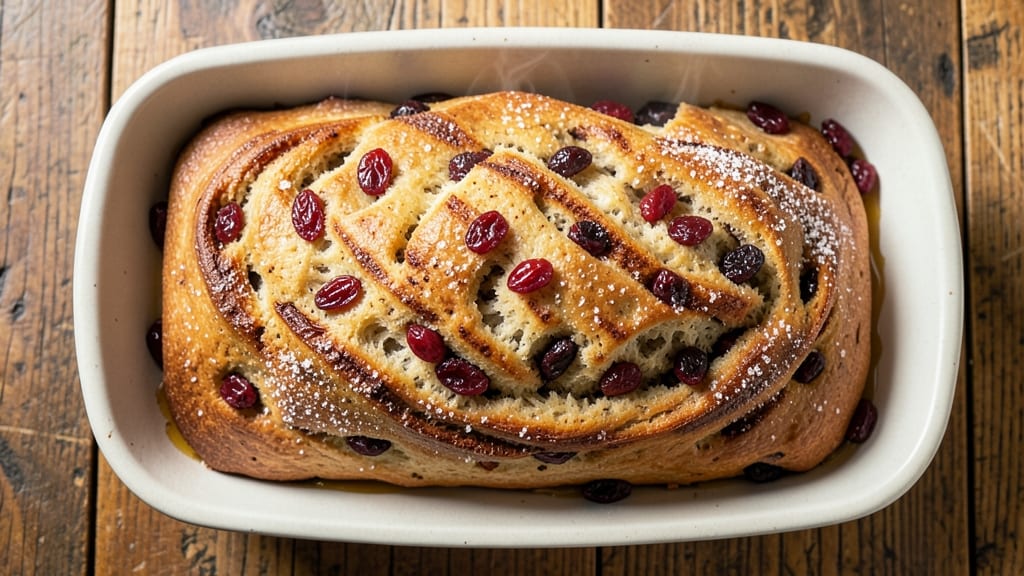
This artisan cinnamon raisin bread recipe delivers the perfect balance of sweet, spiced dough and plump raisins in every tender bite. The slow fermentation process creates a rich, complex flavor that rivals any bakery loaf, while traditional techniques ensure a crispy crust and airy interior.
I've perfected this recipe over years of baking, and it never fails to impress—whether you're serving it warm with butter or saving slices for toast the next morning.
The secret to achieving that professional-quality texture lies in proper dough handling and precise timing. You'll work with a slightly sticky dough that requires patience during kneading and proofing, but the effort pays off in a loaf with an open crumb and fragrant aroma.
This recipe includes optional techniques like scoring the dough before baking and brushing with egg wash for extra shine, though they're not required for success.
What you'll end up with is a beautifully shaped loaf with a golden-brown crust and swirls of cinnamon-sugar and raisins throughout. The warm spices infuse the dough during the long fermentation, creating layers of flavor that develop even more as the bread cools.
Each slice reveals a tender crumb with pockets of sweetness from the raisins and warmth from the cinnamon.
Perfect for breakfast, brunch, or as a sweet treat with tea, this bread keeps well at room temperature for several days or can be frozen for up to three months.
The recipe includes variations for alternative sweeteners and adjustments for different raisin sizes, so you can customize it to your preference while maintaining that artisan quality.
Ingredients for artisan cinnamon raisin bread
Eight simple ingredients, one slow process—this dough transforms into golden, fragrant loaves.
| Ingredient | Amount | Notes |
|---|---|---|
| All-Purpose Flour 🌾 | 5 cups | Plus 1 tbsp for dusting |
| Active Dry Yeast 🍞 | 2 ¼ tsp | One packet, dissolved in warm milk |
| Granulated Sugar 🍚 | ¼ cup | For yeast activation |
| Unsalted Butter 🧈 | ½ cup | Cold, cubed for dough |
| Large Eggs 🥚 | 1 whole | Room temperature for shine |
| Whole Milk 🥛 | ¾ cup | Warm for yeast activation |
| Sea Salt 🧂 | 1 ½ tsp | Fine grain preferred |
| Ground Cinnamon 🌶️ | 2 tbsp | Freshly ground for warmth |
| Brown Sugar 🍯 | ¼ cup | Packed for filling |
| Plump Seedless Raisins 🍇 | 1 ½ cups | Soaked in warm water |
| Extra-Virgin Olive Oil 🫒 | 2 tbsp | For dough and brushing |
The flour is non-negotiable here. King Arthur or Gold Medal are my go-tos—they handle the sticky dough better than budget brands. For the raisins, Trader Joe's or Whole Foods. If you're using dried raisins, soak them in warm water for 10 minutes first—they'll plump up and taste fresher. The yeast? Fresh is best, but if you're using a packet, check the expiration date. Old yeast kills flavor, and this recipe demands every bit of that warm spice aroma.
No cinnamon? A mix of nutmeg and cardamom works in a pinch, but trust me, the real stuff makes all the difference. Brown sugar can be swapped for white, but the molasses notes in brown sugar are what give this bread that bakery-quality depth. The dough will be sticky—that's normal! Don't panic. If you're worried about handling, wet your hands or use a dough scraper. And if you're short on time, instant yeast works too, just skip the proofing step with warm milk and sugar.
This dough needs patience—proof it until it nearly doubles, about 1.5-2 hours. Store leftovers wrapped in a clean kitchen towel at room temperature for 3-4 days. For longer storage, slice the cooled loaf and freeze the pieces—perfect for quick toast. The filling keeps well too, so you can prep it ahead and fold it in just before shaping. And if you're making multiple loaves? Double the dough, but use two bowls so they don't overproof.
Why You'll Love This Recipe
- No-Knead Magic: This dough comes together in five minutes—just mix, let it rise overnight, and bake. Honestly, I set it before bed, wake up to the smell, and it’s ready. The yeast does all the work while I do nothing.
- Warm Spice Hug: That first bite? Pure cinnamon-butter bliss with plump raisins melting into the soft crumb. I’ll be real: the sugar caramelizes just enough to make it taste like a bakery’s secret, not my kitchen.
- Breakfast to Brunch: Slice it thick for French toast, toast it for oatmeal toppings, or serve it with jam for a lazy morning. My kids even sneak bites straight from the loaf—no judgment here.
- Budget Baking Win: Uses pantry staples (flour, butter, sugar) and stretches into lunches, snacks, or gifts. I made two loaves for $6 and still had leftovers for days. Zero waste, all flavor.
Step-by-step instructions for artisan cinnamon raisin bread
Let's create a loaf so fragrant you'll smell it baking before it's even golden.
Activate the Yeast and Prepare the Dough Base
In a small bowl, combine the warm whole milk (about 105°F—not hot enough to kill the yeast) with the 2.25 tsp active dry yeast and 0.25 cup granulated sugar. Let it sit for 5-10 minutes until foamy. This tells you the yeast is alive and ready to work. If it doesn't bubble, start over with fresh yeast.
In a large mixing bowl, whisk together the 5 cups all-purpose flour and 1.5 tsp sea salt. Add the yeast mixture, 1 whole large egg, and 2 tbsp extra-virgin olive oil. Mix with a wooden spoon until just combined—you'll still see dry flour patches. This prevents overdevelopment of gluten, which would make the bread tough.
Knead the Dough Until Smooth and Elastic
Turn the dough onto a lightly floured surface and knead for 8-10 minutes until smooth and elastic. You're looking for a dough that springs back when poked and feels slightly tacky but not sticky. If it sticks too much, sprinkle a little more flour, but don't overdo it—too much flour makes the bread dense.
Shape the dough into a ball, place it back in the bowl, lightly oil the surface, and cover with a damp towel. Let it rise in a warm spot for 1-1.5 hours or until doubled in size. The kitchen counter near the oven with the light on works great. You'll know it's ready when the dough feels light and springs back slowly when poked.
Prepare the Cinnamon Raisin Filling
While the dough rises, make the filling by combining 2 tbsp ground cinnamon, 0.25 cup packed brown sugar, and the 1.5 cups plump seedless raisins in a small bowl. Add 1 tbsp extra-virgin olive oil and mix until evenly coated. This step ensures the raisins stay juicy and the spices distribute perfectly.
Drain and pat dry the raisins if they were soaked earlier. If they're still dry, give them a quick soak in warm water for 10 minutes before mixing with the cinnamon-sugar. The filling should be moist but not wet—it should hold together when pressed gently in your palm.
Shape and Fill the Dough
Punch down the risen dough and divide it into three equal pieces. Roll each piece into a 12-inch log, about 2 inches wide. Lay two logs side by side on a parchment-lined baking sheet. Spread the cinnamon raisin filling evenly over one log, then roll it tightly like a jelly roll. Place the third log on top and seal the edges by pinching gently.
Cover the shaped loaf with the damp towel and let it rise for another 30-45 minutes until puffy. The dough should expand noticeably and feel light when pressed. Preheat your oven to 375°F while the loaf rises—this ensures it goes in hot and bakes evenly.
Bake to Perfection and Brush for Shine
Bake the loaf for 30-35 minutes until it's deep golden brown and sounds hollow when tapped on the bottom. The internal temperature should reach 190-200°F. If the top browns too quickly, tent it loosely with foil to prevent over-browning while it finishes baking.
Remove the bread from the oven and immediately brush the top with the remaining 1 tbsp extra-virgin olive oil mixed with a pinch of sea salt. This gives it that beautiful, glossy finish and adds a subtle savory note. Let it cool on a wire rack for 20 minutes before slicing—this prevents a gummy texture and lets the flavors meld.
Pro Tips For Making Artisan Cinnamon Raisin Bread
- Weigh Your Flour: I learned this the hard way—measuring flour by scooping from the bag adds way too much air, and your bread will turn out dense. Use a kitchen scale for the exact 4 cups (about 500g) called for, and tap the bowl gently to settle it before mixing.
- Soften Butter Properly: Cold butter from the fridge won’t emulsify right, but melted butter ruins the texture. Rub the butter between your fingers until it’s soft but still holds shape—about 10 seconds of vigorous kneading in the dough. (Yes, even if you’re impatient like me.)
- Don’t Overwork the Dough: After the first rise, kneading the dough again to shape it can kill the yeast. Gently stretch and fold the dough just enough to form a loaf—no need for aggressive punching. Overdoing it makes the bread tough, and nobody wants that.
- Use Warm Milk for Yeast: Skip the cold milk—yeast needs warmth to activate. Mix the yeast with ¼ cup of warm (not hot) milk (about 105°F/40°C) and let it sit for 5 minutes until frothy. Cold milk slows fermentation, and hot milk kills it instantly. (Your future self will thank you.)
Health benefits of these flavors
Whole Grain Boost
Swap 2 cups of the all-purpose flour for whole wheat flour to add fiber and nutrients. I recommend King Arthur whole wheat flour—it blends better with the sticky dough and keeps the texture tender.
This boosts the bread's dietary fiber by about 5 grams per slice, helping digestion while maintaining that artisan quality. 🌾
Natural Sweetness
Replace half the granulated sugar with honey or maple syrup for a more natural sweetness. Use ¼ cup honey (about 6 oz) mixed with ¼ cup warm water to replace the ¼ cup granulated sugar in the dough.
This adds subtle floral notes and reduces refined sugar while keeping the bread moist. The honey also enhances the caramelization during baking, giving the crust extra depth.
Protein-Packed Twist
Add ¼ cup Greek yogurt or sour cream to the dough for extra protein and moisture. This keeps the bread tender longer and adds a slight tang that balances the sweetness. I like Fage 5% plain Greek yogurt because it blends seamlessly without altering the flavor profile.
Each slice gains about 2 grams of protein, making it a more satisfying breakfast option.
Spiced Warmth
The cinnamon in this bread isn't just for flavor—it offers anti-inflammatory benefits. Cinnamon helps regulate blood sugar levels, making this bread a great choice for those monitoring their glucose intake.
For extra warmth, add ½ tsp ground nutmeg or ¼ tsp cardamom to the filling. These spices complement the cinnamon while adding their own unique health benefits, like improved digestion.
Heart-Healthy Fats
Use unsalted butter for its rich flavor, but for a heart-healthier option, substitute ¼ cup of the butter with olive oil. Extra-virgin olive oil adds monounsaturated fats, which support cardiovascular health. The bread will still hold together beautifully, and the olive oil enhances the crust's shine.
For extra richness, brush the baked loaf with a mix of 1 tbsp melted butter and 1 tbsp olive oil before serving.
Digestive Comfort
The raisins in this bread provide natural sweetness and iron and potassium, but they can also be tough on digestion if not prepared properly. Soak the raisins in warm water for 10 minutes before mixing them into the filling to soften them and improve nutrient absorption.
For an extra digestive boost, add 1 tsp ground flaxseed to the dough. Flaxseeds are rich in omega-3 fatty acids and fiber, making this bread a nutritious choice for any time of day. ✨
Nutrition facts
Frequently asked questions
Why does my dough feel too sticky?
The dough will naturally be tacky—that's normal! This recipe uses enough hydration for a tender crumb. Wet your hands before handling, or use a dough scraper to prevent sticking. If it's extremely sticky, sprinkle just a tiny bit more flour (1-2 tbsp max) while kneading, but avoid over-flouring or the bread will become dense.
Can I make this bread without a stand mixer?
This dough can be kneaded by hand on a lightly floured surface for 8-10 minutes. Focus on stretching and folding the dough rather than punching it. The key is to develop the gluten until it springs back slowly when poked. For extra strength, use your knuckles to press and fold the dough repeatedly.
What if my raisins stay dry after baking?
Soak your raisins in warm water for 10 minutes before adding them to the filling. This ensures they stay juicy and plump. If you forget, try adding 1 tsp extra olive oil to the filling mix—it helps keep the raisins moist during baking. Avoid using raisins straight from the package without soaking.
How do I store leftovers to keep them fresh?
Wrap the cooled loaf tightly in plastic wrap or aluminum foil, then place it in a paper bag. Store at room temperature for up to 3 days. For longer storage, slice the bread and freeze the pieces on a tray before transferring to a bag. Toast directly from frozen for best results—no thawing needed!
Can I make this bread rise faster?
For a quicker rise, use instant yeast (just skip the warm milk proofing step) and place the dough in a warm oven with the light on. Expect the dough to rise in about 45-60 minutes instead of 1.5-2 hours. However, the longer fermentation develops deeper flavor—don't rush it if you can wait!