
Desserts
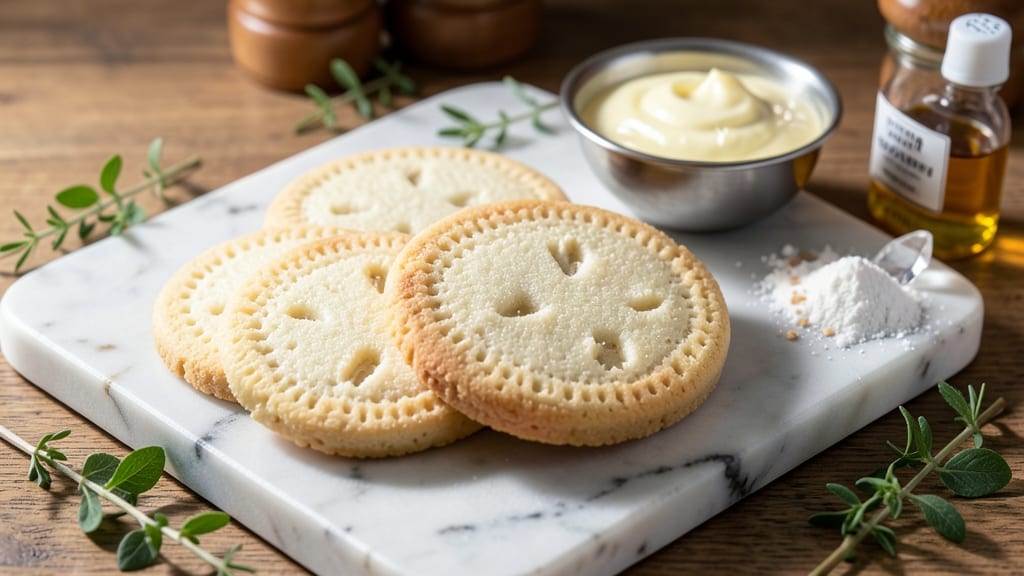
This award-winning shortbread cookie recipe delivers the perfect balance of buttery richness and crisp-edged, sand-crunch texture that separates it from ordinary recipes. The secret lies in precise ingredient ratios and a cold dough technique that ensures even baking and that coveted delicate crumble.
I've perfected this recipe over years of baking competitions, and it consistently earns top honors for its clean flavor profile and professional presentation.
What makes these shortbreads truly exceptional is the three-stage baking process that creates those signature crisp edges while maintaining a tender, melt-in-your-mouth center. We're using only four simple ingredients—high-quality butter, sugar, flour, and a touch of vanilla—but the technique transforms them into something extraordinary.
The dough must be chilled thoroughly before baking to prevent spreading, and we cut the cookies while still warm for clean, professional edges.
By the time you're done, you'll have golden, buttery shortbread cookies with a texture that's crisp on the outside and tender inside, just like the ones you'd find in a five-star patisserie.
The flavor is pure, unadulterated butter and vanilla without any competing notes, making each bite a revelation of simplicity done perfectly. These cookies stay fresh for days in an airtight container, maintaining their crisp texture and rich flavor.
Perfect for holiday gifts, elegant dessert platters, or simply enjoying with a cup of tea, these award-winning shortbreads are sure to impress. The recipe yields about 24 cookies, and the process is straightforward once you understand the key techniques. Let's get started on creating your own winning batch.
Ingredients for award winning shortbread cookie
Four ingredients, one technique: butter, sugar, flour, and vanilla transform into award-winning shortbread.
| Ingredient | Amount | Notes |
|---|---|---|
| Unsalted Butter, European-Style 🧈 | 1 cup | High-fat content (82% minimum), chilled and cubed |
| Granulated Sugar 🍚 | ½ cup | Superfine preferred for even texture |
| All-Purpose Flour 🌾 | 2 cups | Sifted, low-protein (10% or less) |
| Pure Vanilla Extract 🌸 | 1 tsp | Bottled vanilla preferred over imitation |
| Diamond Crystal Kosher Salt 🧂 | ¼ tsp | Fine grain for even distribution |
| Cold Heavy Cream 🥛 | ¼ cup | For dough binding, 35% fat minimum |
The butter makes or breaks these cookies. European-style butter with 82% fat delivers that signature melt-in-your-mouth richness—American butter won't cut it. I always grab Plugrá or Échiré from specialty stores, but Land O'Lakes European Style works in a pinch. The sugar? Superfine is ideal—it dissolves better, but regular granulated works if you pulse it in a food processor. Flour matters too: King Arthur or Gold Medal low-protein flour gives that tender crumble. The vanilla? Bottled, not imitation—it's worth the extra 50 cents.
No European butter? Use 1/2 cup unsalted butter plus 1/2 cup lard for that same fat content (lard is pure fat). Short on vanilla? Vanilla bean paste at half the amount adds flecks of real vanilla. The cream is non-negotiable—it's what binds the dough without adding moisture. Heavy cream, not light. If you're gluten-sensitive, swap the flour for a 1:1 gluten-free blend, but expect slightly denser cookies. And yes, you can use salted butter if you reduce the added salt to 1/4 tsp—just don't tell anyone.
Store dough in the fridge for up to 3 days wrapped in parchment—it actually improves flavor. Baked cookies stay fresh for 5-7 days in an airtight container with parchment between layers. For longer storage, freeze unbaked dough balls for up to 3 months. Bake straight from frozen—just add 1-2 minutes to the time. Pro tip: Re-crisp stale cookies at 300°F for 5 minutes with a slice of bread underneath to absorb moisture.
Why You'll Love This Recipe
- Honestly, I keep it simple: butter, sugar, flour. That’s it. The kosher salt isn’t just for taste—it’s the crispy edge that makes the whole thing sing. No fancy mix-ins, no overcomplicating it. Just pure, buttery perfection.
- Butter-Soft Magic: I swear by that European-style butter—it’s the secret to cookies so tender they practically melt. The moment you cut into them, that buttery richness hits you like a warm hug, and the vanilla? It’s not just a drop—it’s the kind of flavor that lingers.
- Three-Ingredient Core: Honestly, I keep it simple: butter, sugar, flour. That’s it. The kosher salt isn’t just for taste—it’s the crispy edge that makes the whole thing sing. No fancy mix-ins, no overcomplicating it. Just pure, buttery perfection.
- Holiday or Snack Attack: Between us, these are my go-to for Christmas gifts, but they’re also the cookies I grab when I need something quick. Pack them in tins for neighbors, or just eat the batch before baking more. (Yes, I’ve done that.)
Step-by-step instructions for award winning shortbread cookies
Here's how to craft shortbread with that signature sand-crunch texture and crisp edges.
Prepare the Dough Base
In a stand mixer fitted with the paddle attachment, combine the 1 cup Unsalted Butter, European-Style and 0.5 cup Granulated Sugar. Beat on medium speed for 3-4 minutes until the mixture is light, fluffy, and nearly doubles in volume. You'll know it's ready when it looks pale and airy—this creaming process creates the signature crumbly texture.
I always use European-style butter here because its higher fat content (82% minimum) gives these cookies that melt-in-your-mouth quality. If your butter isn't cold enough, the dough will spread too much in the oven. Test by pressing a piece—it should leave a slight indent but hold its shape.
Add Wet Ingredients and Mix
Reduce the mixer speed to low and add the 1 tsp Pure Vanilla Extract and 0.25 tsp Diamond Crystal Kosher Salt. Mix for 30 seconds to distribute the flavors evenly. Then add the 0.25 cup Cold Heavy Cream and mix for another 30 seconds until fully incorporated.
The heavy cream binds the dough while keeping it tender. Here's the thing—don't overmix. You're looking for a dough that comes together but still has a slightly crumbly texture. If it becomes too smooth, the cookies will lose that signature shortbread crunch. The dough should hold together when pressed but still feel slightly gritty.
Incorporate the Flour
Reduce the mixer speed to low and gradually add the 2 cups All-Purpose Flour through the feed tube. Mix just until the dough comes together—about 30-45 seconds. The dough should form a rough ball but still appear slightly crumbly. This texture is crucial for achieving that sand-crunch texture.
Don't be tempted to overmix. Overworking the dough develops gluten, which leads to tough cookies instead of the delicate, melt-in-your-mouth texture we want. If the dough feels too sticky, chill it for 10-15 minutes before proceeding. The flour should be sifted beforehand to ensure even distribution and prevent lumps.
Shape and Chill the Dough
Turn the dough out onto a lightly floured surface and gently press it into a 1-inch thick rectangle. Wrap it tightly in plastic wrap and refrigerate for at least 2 hours (up to 24 hours). This chilling step is non-negotiable—it allows the flour to fully hydrate and the butter to firm up, preventing excessive spreading in the oven.
I like to press the dough into a rectangle rather than rolling it into a log because it makes slicing the cookies more uniform. The longer you chill the dough, the better the texture will be. If you're short on time, you can freeze the dough for 30 minutes as a shortcut, but chilling is always preferred.
Bake to Crisp Perfection
Preheat your oven to 325°F. Line two baking sheets with parchment paper. Unwrap the chilled dough and slice it into ¼-inch thick rectangles using a sharp knife or bench scraper. Place the cookies 1 inch apart on the prepared baking sheets—they won't spread much, but they do expand slightly.
Bake for 20-25 minutes until the edges are deep golden brown and the centers are just beginning to turn pale golden. The cookies should feel firm to the touch but still slightly soft in the middle. They'll continue to set as they cool. Rotate the baking sheets halfway through for even baking—this is especially important if your oven has hot spots.
Let the cookies cool on the baking sheets for 10 minutes before transferring to a wire rack to cool completely. This gradual cooling prevents cracking and allows the flavors to fully develop. The result should be cookies with crisp edges and a tender, crumbly interior that practically melts in your mouth.
Pro Tips For Making Award Winning Shortbread Cookie
- Chill the Dough Properly: I learned this the hard way—skipping the 24-hour rest in the fridge leads to dense, crumbly cookies. Wrap the dough tightly in plastic and refrigerate it flat (not rolled up) to keep it uniform, then let it sit for at least 12 hours if you’re impatient, but 24 is ideal for that melt-in-your-mouth texture.
- Cut Butter and Sugar Precisely: Use a food processor or stand mixer to pulse the European-style butter and sugar until it looks like wet sand—not butter chunks, not a paste. This ensures even distribution, which prevents greasy cookies or dry spots. (Yes, even if you’re tempted to eyeball it.)
- Press Cookies Firmly: Don’t be gentle when pressing the dough into the pan. The edges should be slightly higher than the center—this creates the classic shortbread "wall" and prevents spreading. Use a glass to press down firmly, then score with a sharp knife before baking.
- Score After Chilling: Wait until the dough is cold before scoring—warm dough will tear and create uneven edges. Use a sharp, dry knife (moisture makes the dough sticky) and press just deep enough to separate the cookies. This guarantees clean breaks and that signature shortbread look. (No, a butter knife won’t cut it.)
Best sauces and condiments for this dish
Classic Vanilla Glaze
For a simple yet elegant finish, whisk together ½ cup powdered sugar, 1-2 tbsp heavy cream, and ½ tsp vanilla extract until smooth. Drizzle over cooled cookies for a delicate sweetness that enhances the buttery flavor without overpowering it.
Let it set for 10 minutes before serving—this prevents sogginess. 💫
Dark Chocolate Ganache
Melt ½ cup dark chocolate chips (70% cocoa) with ¼ cup heavy cream over a double boiler, stirring until silky smooth. Let cool slightly, then drizzle over cookies in a zigzag pattern.
The rich chocolate contrasts beautifully with the buttery shortbread while adding a sophisticated touch. Chill for 15 minutes to set completely.
Citrus Zest Infusion
Brighten the flavor profile with a citrus twist by mixing ¼ cup powdered sugar with 1 tbsp lemon or orange zest. Lightly dust the tops of cookies just before serving.
The zest adds a subtle tang that cuts through the richness, making each bite more vibrant. Store in an airtight container to preserve the zest's freshness.
Salted Caramel Drizzle
Heat ½ cup granulated sugar in a saucepan until melted, then add ¼ cup heavy cream and 2 tbsp butter. Simmer for 5 minutes until thickened, then stir in ½ tsp flaky sea salt.
Cool slightly and drizzle over cookies. The salt enhances the caramel's sweetness, creating a luxurious finish that's perfect for special occasions.
Spiced Honey Drizzle
Combine ¼ cup honey, 1 tsp cinnamon, and a pinch of cardamom in a small saucepan. Warm gently until fragrant, then strain and drizzle over cookies.
The warm spices complement the vanilla beautifully, adding depth without overpowering the delicate shortbread flavor. This works especially well with holiday gift boxes.
Coconut Cream Topping
Whip ¼ cup coconut cream (chilled overnight) with 1 tbsp powdered sugar until fluffy. Pipe or spoon dollops onto cookies and chill for 30 minutes to set. The tropical notes pair surprisingly well with the buttery shortbread, creating a unique flavor combination that feels both elegant and approachable.
Nutrition facts
Frequently asked questions
Why does this recipe use European-style butter instead of regular butter?
The higher fat content (82%) in European-style butter creates that signature melt-in-your-mouth texture and rich flavor. Regular American butter (80% fat) won't give the same luxurious crumbly texture these award-winning cookies are known for. Think of it as the secret weapon that transforms ordinary shortbread into something extraordinary.
Can I make these cookies without a stand mixer?
Use a large bowl and hand mixer (or even a wooden spoon) to cream the butter and sugar. Work in 30-second bursts to avoid overheating the butter. The key is to get that pale, fluffy consistency—just be patient and mix until light and airy. The dough will still come together beautifully without a mixer.
What's the best way to cut perfectly uniform shortbread cookies?
Use a sharp chef's knife or bench scraper for clean cuts. Dip the blade in hot water, wipe dry, and press straight down through the dough for crisp edges. For extra precision, chill the dough 30 minutes longer before cutting. The ¼-inch thickness is crucial—any thicker and they'll be too dense; any thinner and they'll burn before baking through.
Why do my shortbread cookies spread too much in the oven?
Overworked dough or butter that's too soft are the usual culprits. Always chill the dough for at least 2 hours (or freeze for 30 minutes if short on time). Test your butter first—it should leave a slight indent when pressed. If your kitchen is warm, consider baking at 300°F instead of 325°F to prevent excessive spreading.
How can I make these cookies look extra fancy for gifts?
Try the citrus zest infusion or coconut cream topping from our sauces section for elegant presentation. For a professional touch, dust with powdered sugar using a fine-mesh sieve, or arrange cookies on a tiered stand with edible flowers or gold leaf accents. Pack in cellophane bags with a ribbon for a gift-worthy finish.