
Breakfast & Brunch
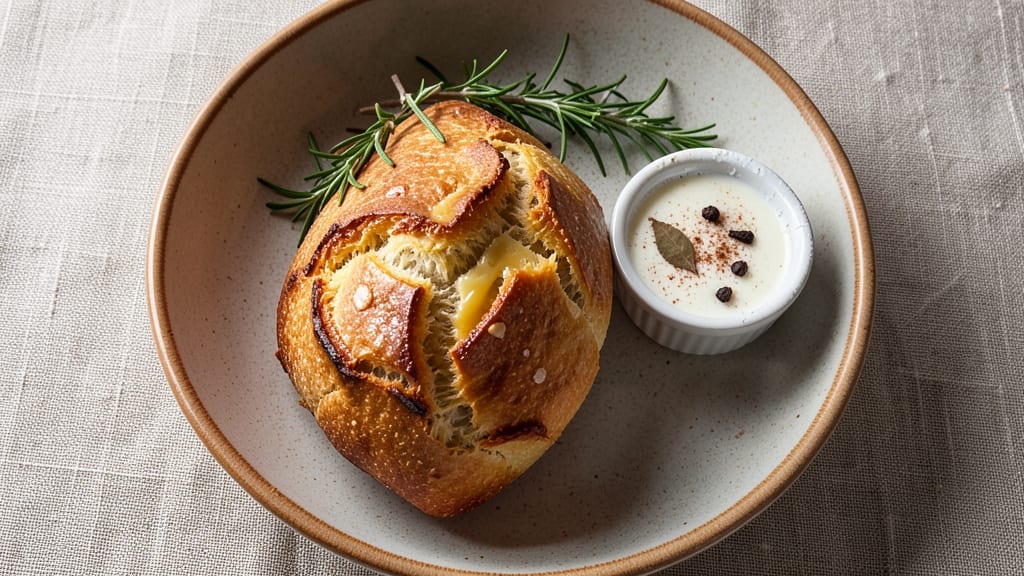
This Bishop's bread recipe brings a taste of Eastern European tradition to your breakfast table with its signature buttery almond swirls and bright lemon glaze. The rich, fluffy dough and sweet almond filling create a dessert-like bread that's perfect for holidays or special occasions.
I've perfected this recipe through years of baking, ensuring the yeast activates properly and the dough rises just right for that signature texture.
What makes this recipe special is the balance between simplicity and tradition. The dough comes together with basic ingredients like flour, yeast, and butter, while the almond filling adds a luxurious touch.
The tangy lemon glaze on top provides a perfect contrast to the buttery richness, making each slice taste like a little celebration. This bread requires patience—allowing time for proper yeast activation and dough rising—but the results are worth every minute.
By the time you pull this bread from the oven, you'll have golden, swirled loaves with a tender crumb and crisp edges. The almond filling stays moist and flavorful, while the lemon glaze adds a bright, citrusy finish that cuts through the richness.
It's the kind of bread that makes breakfast feel like an event, whether you're serving it at Easter or simply treating yourself to something special.
This recipe works beautifully for holidays or as a weekend project. The dough can be prepared ahead of time, making it easier to fit into your schedule. Once baked, it keeps well at room temperature for several days, so you can enjoy fresh slices whenever you like.
Let's get started on creating this traditional treasure for your table.
Ingredients for bishop's bread
Basic pantry staples plus a few special touches make this traditional bread shine.
| Ingredient | Amount | Notes |
|---|---|---|
| All-Purpose Flour 🌾 | 5 cups | Sifted for light texture |
| Unsalted Butter 🧈 | 1 cup | Cold, cubed for dough |
| Granulated Sugar 🍚 | ¼ cup | For dough sweetness |
| Large Eggs 🥚 | 2 whole | Room temperature preferred |
| Active Dry Yeast 🍞 | 2 ¼ tsp | Freshly measured |
| Warm Milk 🥛 | 1 cup | 110°F for yeast activation |
| Salt 🧂 | 1 tsp | Kosher or sea salt |
| Almond Paste 🥜 | 1 cup | Smooth, unsweetened |
| Powdered Sugar 🍚 | ½ cup | For almond filling |
| Lemon Zest 🍋 | 1 tbsp | Freshly grated |
| Lemon Juice 🍋 | 2 tbsp | Freshly squeezed |
| Confectioners' Glaze 🍬 | 1 cup | For final coating |
| Almond Slices 🥜 | ½ cup | For garnish (optional) |
The flour is your foundation—King Arthur or Gold Medal brands work best for that tender crumb. Butter matters here: European-style unsalted gives the most flavor, but any good brand works. The yeast needs to be fresh, so check the expiration date (it should be within 3 months). Warm milk is key—110°F activates the yeast perfectly. I always use a candy thermometer for this. For the almond paste, Ghirardelli or Marzipan work beautifully, but homemade is even better if you're feeling ambitious.
No almond paste? Blend toasted almonds with powdered sugar—it's a game-changer. Short on lemon zest? Double the juice for brightness. The confectioners' glaze can be made from powdered sugar and milk (1:1 ratio), but store-bought like Betty Crocker saves time. For the dough, if you're in a rush, instant yeast works at half the amount. The almond slices are optional but add that extra holiday touch—Trader Joe's has great pre-sliced ones if you don't want to slice your own.
Dough keeps for 24 hours in the fridge before shaping—great for overnight prep. The almond filling can be made 3 days ahead and stored in the fridge. Once baked, this bread stays fresh at room temperature for 3-4 days, wrapped in a clean kitchen towel. For longer storage, freeze slices for up to 3 months—just thaw at room temperature before serving. The glaze hardens as it cools, so re-warm slices for 10 seconds to bring back that glossy finish.
Why You'll Love This Recipe
- No Yeast Hassle: I swear by this—just mix, shape, and let it rise while I watch TV. No kneading, no waiting hours, and that buttery dough? It’s ridiculously forgiving.
- Sweet Butter Magic: That sugar and butter combo in the dough? It’s not just sweet—it’s rich, like a cross between a brioche and a cinnamon roll but without the fuss. (Yes, even my picky husband licks the bowl.)
- Breakfast or Snack Hero: Toss it in the toaster for a crispy breakfast, slice it for sandwiches, or serve it warm with jam. I’ve used it for everything from a lazy Sunday brunch to packing lunches for my kid’s soccer games.
- Budget-Friendly Staple: Flour, butter, sugar, eggs—these are pantry basics that stretch into something feels special. Honestly, I’ve made a whole week’s worth of meals from one batch, and it’s still delicious on day three.
Step-by-step instructions for buttery almond swirls with tangy lemon glaze
Here's how to create layers of flaky dough, rich almond filling, and bright citrus glaze.
Prepare the Yeast Dough
In a large mixing bowl, combine the 1 cup warm milk (110°F) with 2.25 teaspoons active dry yeast and let it sit for 5-10 minutes until foamy. This activates the yeast and ensures your dough rises properly. You'll know it's ready when you see bubbles forming on the surface and a yeasty aroma fills the room.
In a separate bowl, whisk together the 5 cups all-purpose flour, 1 teaspoon salt, and 0.25 cup granulated sugar. The sugar helps create a tender crumb while balancing the salt. Add the 1 cup cold unsalted butter, cut into small cubes, to the dry ingredients and use a pastry cutter or your fingers to work it into the flour until the mixture resembles coarse crumbs with pea-sized butter pieces remaining.
Make a well in the center and add the 2 whole large eggs and the yeast-milk mixture. Gradually mix until a shaggy dough forms. Turn the dough onto a lightly floured surface and knead for 8-10 minutes until smooth and elastic. The dough should be slightly tacky but not sticky. If it's too wet, add a little more flour; if too dry, add a splash of warm milk. Shape into a ball, place in a lightly greased bowl, cover with a damp towel, and let rise in a warm place for 1-1.5 hours or until doubled in size.
Create the Almond Filling and Assemble
While the dough rises, prepare the almond filling by combining 1 cup almond paste, 0.5 cup powdered sugar, 1 tablespoon lemon zest, and 2 tablespoons lemon juice in a small bowl. Mix until smooth and set aside. This bright, citrusy filling will cut through the richness of the butter.
Once the dough has risen, punch it down and divide it into three equal portions. Roll each portion into a rectangle about 12x10 inches on a lightly floured surface. Spread one-third of the almond filling evenly over one of the rectangles, leaving a 1-inch border around the edges. This ensures the filling stays contained and doesn't leak out during baking.
Brush the edges of the remaining two dough rectangles with a little water to help them stick. Layer the filled rectangle in the center, then top with the last rectangle. Seal the edges by pinching them together firmly. Roll the entire package into a log, then twist it gently to create the classic swirl pattern. Place the log seam-side down on a parchment-lined baking sheet.
Bake to Golden Perfection
Preheat your oven to 375°F. Brush the top of the swirl with a little warm milk to create a golden, glossy finish. Bake for 30-35 minutes until the bread is deep golden brown and sounds hollow when tapped on the bottom. The aroma should be irresistible—warm, buttery, and citrusy.
Remove from the oven and let cool on a wire rack for 10 minutes before brushing with the 1 cup confectioners' glaze thinned with a teaspoon of warm milk. This glaze adds a sweet, shiny finish that complements the tangy lemon filling. While still warm, sprinkle the top with 0.5 cup almond slices for added texture and visual appeal.
Rest and Serve
Allow the bread to cool completely on the rack before slicing. This resting period ensures clean cuts and prevents the filling from oozing out. Once fully cooled, cut into 8 even slices using a sharp serrated knife. The layers should be visible, with flaky, buttery dough surrounding the bright almond filling.
Serve at room temperature for the best texture—warm slices can be slightly gummy. Pair with a cup of tea or coffee to enjoy the perfect balance of sweet, buttery dough, rich almond, and tangy citrus notes. This bread keeps well in an airtight container for up to 3 days, though it's unlikely to last that long!
Pro Tips For Making Bishop'S Bread
- Use Room-Temp Butter: Bishop’s bread relies on that buttery richness, but cold butter fights you every step of the way. Let it sit out for 30-45 minutes until it’s soft enough to press into the dough—no need to melt it, just pliable. I used to rush this and ended up with a dense, greasy mess that didn’t rise right.
- Bloom Yeast in Warm Water: Skip the dry yeast straight into flour—it’s a gamble. Mix the yeast with warm (not hot) water and a pinch of sugar first, then wait 5-10 minutes until it foams like a tiny beer. If it’s sluggish, your dough will be too, and you’ll be staring at a sad, flat loaf wondering what went wrong.
- Knead Until Silky: This isn’t about brute force—it’s about smoothness. Work the dough until it’s elastic and springs back when poked, not sticky or crumbly. I learned the hard way that under-kneading leaves gaps, and over-kneading makes it tough. Aim for 8-10 minutes by hand or 5-6 on a mixer with the dough hook.
- Proof in a Cooler Spot: Your kitchen’s warmth might be too aggressive. After the first rise, move the dough to a slightly cooler area (like a turned-off oven with the light on) to slow fermentation. This gives you control—no sudden overproofing, no collapsed loaves. Trust me, your future self will thank you when the bread holds its shape.
Storing and reheating this bishop's bread
Room Temperature Storage
Once fully cooled, store your Bishop's bread in an airtight container or wrapped tightly in plastic wrap at room temperature. The bread stays fresh for 3-4 days when kept away from direct sunlight.
I always place it in a ceramic bread box to maintain moisture and prevent drying. The almond filling stays moist thanks to the butter in the dough—no soggy texture here! 🌟
Fridge Preservation
If you're prepping ahead, refrigerate the unbaked dough for up to 24 hours before shaping and baking. For baked bread, wrap slices individually in parchment paper and store in the fridge for 5-7 days.
The glaze may harden slightly, so re-warm slices for 10-15 seconds in the microwave to restore that glossy finish. I find this works best for gift-giving—just pack in a thermos for transport! ❄️
Freezer-Friendly Slices
For long-term storage, slice the bread and freeze individual portions in ziplock bags with all air removed. Label with the date—this bread freezes beautifully for up to 3 months.
When ready to enjoy, thaw at room temperature for 1-2 hours or warm directly from frozen in the oven at 300°F for 10 minutes for that fresh-baked taste. The texture remains tender, though slightly drier than day-of baking. 💫
Reviving Stale Bread
If your bread loses its freshness, revive it by wrapping in a damp towel and microwaving for 15-20 seconds. The steam reactivates the butter and almond filling. For a crispier texture, toast slices in a 350°F oven for 5-7 minutes—this works especially well for breakfast pairings.
I've even used this trick to turn day-old slices into French toast with amazing results! 🔥
Glaze Refresh Tips
The confectioners' glaze hardens as it cools, but you can easily revive it by brushing with a tiny bit of warm milk or orange juice (just 1 teaspoon) to restore shine.
For extra sparkle, dust with powdered sugar right before serving. If the almond slices lose crispness, toast them separately in a 250°F oven for 3-4 minutes to bring back their crunch. 💡
Nutrition facts
Frequently asked questions about Bishop's bread
What makes this bread different from regular brioche?
Bishop's bread features a traditional Eastern European twist with its signature almond swirls and lemon glaze, while brioche focuses on rich, buttery layers without fillings. The almond paste and citrus notes create a unique flavor balance that sets it apart from classic brioche recipes. This version also has a slightly denser crumb from the yeast activation process.
Can I substitute almond paste with something else?
Yes! If you don't have almond paste, blend 1 cup toasted almonds with 0.5 cup powdered sugar until smooth for a homemade version. For a nut-free option, try blending 1 cup dates with 0.25 cup honey and 1 teaspoon vanilla for a caramel-like filling. The texture will differ slightly but still complement the dough beautifully.
Why did my dough rise unevenly?
Uneven rising usually happens when the yeast isn't activated properly or the environment isn't warm enough. Always use 110°F milk for activation and place the dough in a warm spot (like an oven with the light on). If your kitchen is cold, try using instant yeast (half the amount) or place the dough bowl on top of your fridge for extra warmth. Patience is key—don't rush the 1-1.5 hour rise time.
How do I know when the bread is fully baked?
Your bread is done when it's deep golden brown and sounds hollow when tapped on the bottom. The internal temperature should reach 190°F at the center. For extra assurance, check the edges—they should pull away slightly from the pan. If unsure, bake for 5 more minutes as it's better to slightly overbake than underbake this rich bread.
Can I make this bread without a stand mixer?
This recipe works perfectly by hand. For the dough, use a wooden spoon to mix the butter into the flour until crumbly, then work the wet ingredients in with your hands. Knead on a floured surface for 8-10 minutes—your arms will get a great workout! The key is to develop the gluten properly for that tender texture. A dough scraper helps prevent sticking during kneading.