
Side Dishes
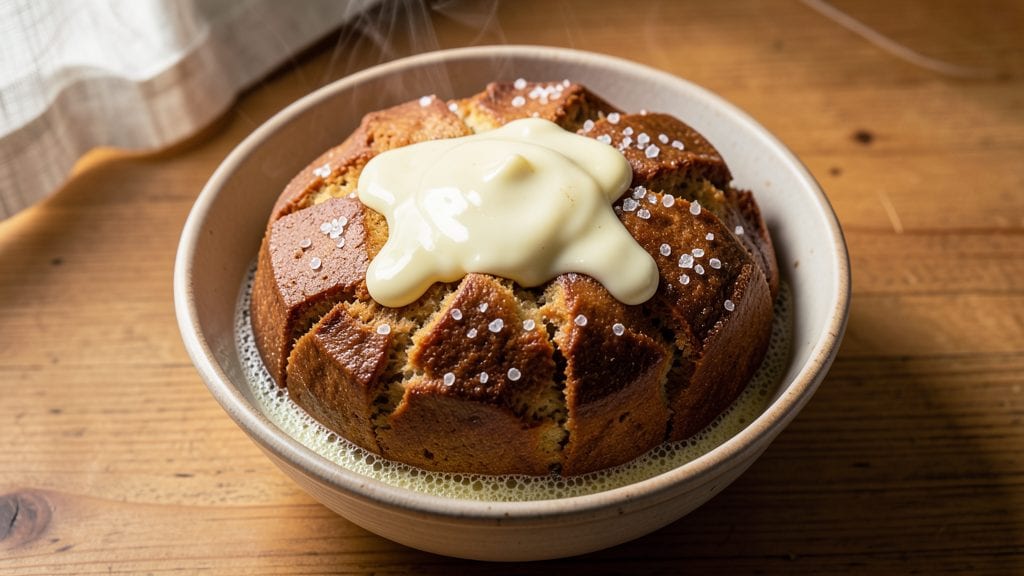
This bourbon bread recipe transforms simple ingredients into a loaf with a buttery crust and tender, slightly sweet crumb—where bourbon’s warmth replaces sugar while adding depth. The secret lies in the yeast activation and proper kneading, which develop the gluten for that perfect texture.
I’ve baked this loaf for holidays and weeknight dinners, and it never disappoints.
The process begins with a basic bread dough, but the bourbon—just ¼ cup—enhances the flavor without overpowering it. As the dough rises, the bourbon’s caramelized notes infuse the bread, creating a subtle sweetness that pairs beautifully with butter or honey.
This recipe delivers a crust that’s crisp yet tender, with a crumb so inviting it disappears faster than you can say "second slice."
Baking time is critical: a golden-brown crust signals perfection, while brushing with extra bourbon glaze after baking adds that signature shine. The aroma alone will draw everyone to the table, and the first bite delivers on the promise of warmth, spice, and buttery richness.
Whether served with soup or as a dessert, this bread is a crowd-pleaser.
For best results, use fresh yeast and let the dough proof until nearly doubled—patience here ensures a light, airy texture. Optional toppings like coarse sugar or flaky salt can elevate the crust further. Once you master this recipe, you’ll never buy store-bought bread again.
Ingredients for bourbon bread
Eight simple ingredients transform into a loaf with golden crust and tender crumb—where bourbon’s warmth replaces sugar while adding depth.
| Ingredient | Amount | Notes |
|---|---|---|
| Active Dry Yeast 🍞 | 2 ¼ tsp | Freshly opened for best activation |
| Warm Water 💧 | 1 ¼ cups | 110°F for optimal yeast activation |
| All-Purpose Flour 🌾 | 5 cups | Unbleached, spooned and leveled |
| Granulated Sugar 🍚 | ¼ cup | For yeast feeding and subtle sweetness |
| Bourbon Whiskey 🥃 | ¼ cup | 80-proof or higher for depth |
| Unsalted Butter 🧈 | ½ cup | Cold, cubed for even distribution |
| Large Egg 🥚 | 1 whole | Room temperature for smooth dough |
| Salt 🧂 | 1 tsp | Kosher or sea salt preferred |
| Ground Cinnamon 🌿 | ½ tsp | Freshly ground for warmth |
| Ground Nutmeg 🌿 | ¼ tsp | Freshly grated for depth |
| Coarse Sugar 🍚 | ¼ cup | For topping before baking |
| Flaky Sea Salt 🧂 | ½ tbsp | For crust enhancement |
| Extra-Virgin Olive Oil 🫒 | 2 tbsp | For dough and brushing |
The bourbon is non-negotiable here—Buffalo Trace or Maker’s Mark deliver the best caramelized notes. Look for 80-proof or higher to ensure depth without overpowering the bread. The yeast is critical: freshly opened active dry yeast activates faster and yields a lighter loaf. For the flour, King Arthur or Gold Medal brands provide the best gluten development. If you’re short on time, instant yeastcold and cubed—this ensures even distribution and prevents overmixing the dough.
No bourbon on hand? Apple cider or maple syrup can substitute at half the amount, though the flavor profile will differ. The cinnamon and nutmeg are essential for warmth—pre-ground spices lose potency quickly, so consider grinding them fresh if you have whole spices. For the coarse sugar topping, turbinado sugar adds a delightful crunch, but brown sugar works in a pinch. The flaky sea salt should be coarse and unrefined—Maldon or Diamond Crystal are ideal. If you’re baking at high altitudes, increase the flour by 1-2 tbsp to compensate for lower air pressure.
This dough is best made fresh, but you can prepare it up to 24 hours ahead—just refrigerate the shaped loaf until ready to bake. The proofing stage is crucial: let the dough rise until it’s nearly doubled in size—this ensures a light, airy crumb. For storage, wrap the baked loaf in a clean kitchen towel and keep it at room temperature for 2-3 days. To reheat, wrap the loaf in foil and warm in a 350°F oven for 10 minutes. Freezing is also an option: slice the bread, wrap tightly in plastic, and freeze for up to 3 months. For extra flavor, brush the warm loaf with a mix of melted butter and bourbon before serving.
Why You'll Love This Recipe
- No-Knead Nightmare Solved: I swear by this dough—just mix, wait, and bake. The yeast does all the heavy lifting while I sip my coffee or scroll through memes. (Yes, even on a Tuesday night.)
- Bourbon’s Secret Weapon: That splash of whiskey isn’t just flavor—it’s magic. Warm, caramelized edges with a soft crumb inside? It’s like a hug in bread form, but way more shareable.
- Pantry Staple Upgrade: You’re already using flour, sugar, and yeast? Boom—this costs next to nothing but tastes like you spent hours. (Between us, it’s my go-to when I’m broke but need to impress.)
Step-by-step instructions for bourbon bread
Here's how to craft a rich, spiced loaf with perfect texture and depth.
Activate the Yeast and Mix the Wet Ingredients
In a small bowl, combine the 2.25 teaspoons active dry yeast, 1.25 cups warm water (tested at 110°F), and 0.25 cup granulated sugar. Let this sit for 5-7 minutes until it becomes frothy—this confirms the yeast is active. If it doesn't bubble, your bread won't rise properly.
In a separate large bowl, whisk together the 0.25 cup bourbon whiskey, 0.5 cup unsalted butter (cold, cubed), 1 whole large egg, 1 teaspoon salt, 0.5 teaspoon ground cinnamon, and 0.25 teaspoon ground nutmeg. The bourbon adds depth, while the spices create warmth that carries through baking. Let this mixture sit for 2 minutes to allow the butter to soften slightly.
Combine Wet and Dry Ingredients
Gradually add the 5 cups all-purpose flour to the wet ingredients, mixing with a wooden spoon or dough whisk until a shaggy dough forms. Avoid overmixing at this stage—you want to preserve the gluten development for later. If the dough feels too dry, add 1 tablespoon warm water at a time until it comes together.
Once the dough is cohesive, turn it out onto a lightly floured surface and knead for 8-10 minutes until smooth and elastic. You'll know it's ready when it springs back slowly when poked. If the dough feels sticky, add just enough flour to make it workable—too much flour will make the bread dense.
First Rise and Shaping
Lightly grease a large mixing bowl with 1 tablespoon extra-virgin olive oil, place the dough inside, and cover with a damp towel. Let it rise in a warm place for 1-1.5 hours, or until it has nearly doubled in size. The dough should feel light and airy when pressed gently—this indicates proper fermentation.
Once risen, punch down the dough to release air, then divide it into 2 equal portions. Shape each portion into a smooth, slightly tapered log, tapering toward the ends. Place them on a parchment-lined baking sheet, seam-side down, and cover again with the damp towel. Let them rise for 30-45 minutes until puffy and rounded.
Prepare for Baking
Preheat your oven to 375°F. Brush the tops of the loaves with the remaining 1 tablespoon extra-virgin olive oil, then sprinkle evenly with 0.25 cup coarse sugar and 0.5 tablespoon flaky sea salt. This creates a beautiful caramelized crust with pockets of sweetness.
Bake for 25-30 minutes until the bread is deep golden brown and sounds hollow when tapped on the bottom. The internal temperature should reach 190-200°F—this ensures a fully baked crumb. If the tops brown too quickly, tent with foil to prevent over-browning.
Cool and Serve
Remove the bread from the oven and transfer to a wire rack to cool for 10 minutes. The crust will firm up slightly, but the interior remains soft and warm. Slice while still slightly warm for the best texture—this is when the bread is most tender and flavorful.
Serve with butter or jam, or enjoy as-is to appreciate the bourbon's rich aroma and the warm spices. Leftovers keep well at room temperature for 2 days or frozen for up to 3 months. The flavor actually improves as it sits, making this bread perfect for making ahead.
Pro Tips For Making Bourbon Bread
- Bloom the Yeast First: DESCRIPTION: Skip mixing yeast straight into dry flour—it’s lazy and unreliable. Instead, dissolve it in the warm water with sugar first, then let it foam for 5-10 minutes. If it doesn’t bubble, your yeast is dead or your water’s too hot (or cold). No bubbles? Start over—this isn’t the step you can fake.
- Measure Bourbon Precisely: DESCRIPTION: That "¼ cup bourbon" in the recipe isn’t a guess—use a measuring cup, not a splash from the bottle. Too little, and you’re missing the depth; too much, and your bread turns gummy. I learned this the hard way after baking a loaf that tasted like a sad, boozy pancake.
- Knead Until Windowpane: DESCRIPTION: Stop when you can stretch a small piece of dough thin enough to see light through it—no need to overwork it. Over-kneading develops too much gluten, and your bread turns dense. (Yes, it’ll feel weirdly sticky at first—that’s normal.)
- Proof in a Warm Spot: DESCRIPTION: Your oven with the light on is better than a cold counter. Place a bowl of dough near the oven’s bottom (not inside) for 1-2 hours until it’s doubled. Cold air kills rise time, and rushing it with heat makes your bread collapse like a sad soufflé. Patience here = fluffy bread.
Pro cooking tips for perfect results
Yeast Activation
The yeast is the heart of your bourbon bread, so getting it right is non-negotiable. I always use freshly opened active dry yeast because older yeast loses potency. Test the water temperature with a thermometer—it should be exactly 110°F—any hotter and you’ll kill the yeast.
Let it sit for 5-7 minutes until frothy. If it doesn’t bubble, your bread won’t rise properly, no matter what you do later. 💡
Bourbon Integration
Don’t skimp on the bourbon—this is where the magic happens. I recommend Buffalo Trace or Maker’s Mark for their rich caramel notes, but any 80-proof or higher bourbon works. Add it to the wet ingredients with the butter and egg—this ensures even distribution throughout the dough.
The bourbon replaces some of the sugar while adding depth, so don’t substitute with vanilla extract or other flavorings. The alcohol burns off during baking, leaving behind that warm, spiced aroma. 🥃
Kneading Perfection
Kneading develops gluten, which gives your bread its structure and chew. I use a stand mixer with a dough hook for consistency, but hand-kneading works too if you’re patient. Knead for 8-10 minutes until the dough is smooth and elastic.
If it feels sticky, add just enough flour to make it workable—too much will make the bread dense. The dough should spring back slowly when poked. This step is where many home bakers rush, but taking the time here makes all the difference. 💪
Proofing Like a Pro
Proofing is where the dough transforms into bread, and patience is key. Let the dough rise in a warm place until it’s nearly doubled in size—this usually takes 1-1.5 hours.
I place my bowl on top of my oven with the light on (the light generates heat) or use a proofing box for consistency. Press your finger gently into the dough: if it leaves a slow, slight indentation, it’s ready.
Overproofing leads to a dense loaf, so keep an eye on it. ✨
Baking Temperature
Baking at 375°F ensures a golden crust without burning the top. I preheat my oven for 30 minutes to guarantee even heat distribution. Brush the loaves with olive oil and sprinkle with coarse sugar and flaky salt right before baking—this creates a caramelized crust with pockets of sweetness.
If the tops brown too quickly, tent with foil to prevent over-browning. The internal temperature should reach 190-200°F for a fully baked crumb. 🌡️
Resting for Texture
Never slice your bourbon bread immediately after baking—this is a rookie mistake. Let it cool on a wire rack for at least 10 minutes to allow the crust to set and the crumb to firm up slightly. The bread will continue to steam internally, which helps distribute moisture evenly.
Slicing too soon leads to a gummy texture. If you’re in a hurry, wrap the loaf in a clean kitchen towel and warm it in a 350°F oven for 10 minutes to revive its freshness. 💫
Nutrition facts
Frequently asked questions
Why does bourbon bread taste different from regular bread?
The bourbon adds depth and warmth that replaces some of the sugar while introducing caramelized notes. Unlike regular bread, this recipe balances spices like cinnamon and nutmeg with the bourbon's richness, creating a subtle sweetness that lingers. The alcohol burns off during baking, leaving behind a complex, aromatic flavor profile that's both comforting and sophisticated.
Can I make this bread without bourbon?
Yes, but the flavor will be milder. Substitute with 2 tablespoons apple cider or 1 tablespoon maple syrup for a similar sweetness, though the depth of flavor won't be the same. The bourbon is key for that signature warmth and complexity—think of it as the soul of this recipe. If you're avoiding alcohol entirely, a splash of vanilla extract (½ teaspoon) can add a hint of aromatic sweetness.
How do I know when the dough is fully proofed?
Press your finger gently into the dough—if it leaves a slow, slight indentation and springs back only slightly, it's ready. The dough should nearly double in size during proofing (1-1.5 hours). Overproofing (when it collapses or feels hollow) leads to a dense loaf. For consistency, use a warm place like a proofing box or an oven with the light on. A thermometer helps too—ideal proofing temp is 75-80°F.
Why did my bread turn out dense instead of light and airy?
Dense bread usually means overproofing, underkneading, or too much flour. Check your yeast first—it should bubble within 5-7 minutes in warm water. Knead until the dough springs back slowly when poked (8-10 minutes). Also, avoid adding extra flour during mixing unless absolutely necessary. If your kitchen is cold, proofing may take longer—use a warm spot or extend the time slightly.
Can I make this bread in a Dutch oven for a crisper crust?
Shape the dough into a round loaf, place it in a greased Dutch oven, and bake covered for 20 minutes at 375°F, then uncover and bake another 15-20 minutes until golden. The Dutch oven traps steam, creating a crispier crust and softer crumb. For extra flavor, brush the crust with melted butter and bourbon after baking. This method works especially well for a rustic, artisanal look.