
Desserts
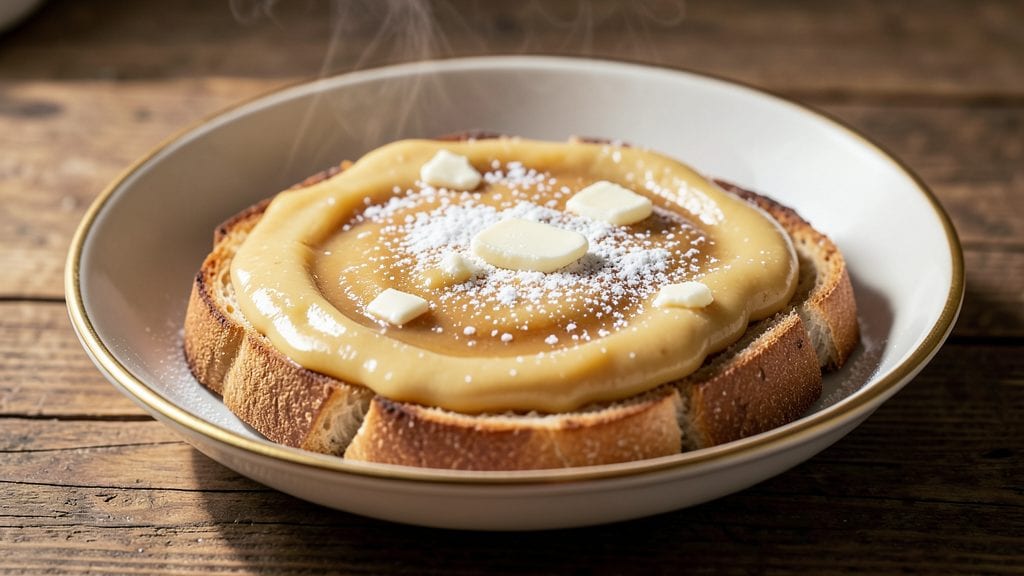
This bread custard recipe delivers the perfect balance of flaky crust and ultra-smooth vanilla pudding that feels like a warm hug in dessert form.
After years of experimenting with textures and custard ratios, I've perfected a method that ensures the bread stays crisp while the custard inside remains velvety and rich. The secret lies in soaking the bread just enough to absorb the custard mixture without turning soggy.
The foundation of this recipe is a simple yet precise custard batter made with eggs, milk, vanilla, and a touch of cinnamon for warmth. What sets it apart is the baking technique—using a combination of high heat for a golden crust and low-and-slow cooking to develop that signature custard texture.
It’s the kind of dessert that feels indulgent yet comes together with straightforward steps.
By the time it emerges from the oven, you’ll have a dessert with a flaky, golden-brown crust that cracks slightly when sliced, revealing layers of creamy vanilla custard underneath.
The aroma alone will have everyone gathering around the table, and the first bite delivers that perfect contrast of textures—crisp, then smooth, then rich.
Perfect for special occasions or when you want to impress with minimal effort, this recipe scales easily for parties or serves as a comforting solo treat. Ready to master the art of bread custard? Let’s get started.
Ingredients for bread custard
Six ingredients make the custard magic—flaky crust, velvety pudding, and that perfect crack when sliced.
| Ingredient | Amount | Notes |
|---|---|---|
| Baguette 🍞 | 1 whole | Day-old for best texture |
| Large Eggs 🥚 | 4 whole | Room temperature for smooth batter |
| Whole Milk 🥛 | 2 cups | Full-fat for creaminess |
| Granulated Sugar 🍚 | 1 cup | White or brown preferred |
| Unsalted Butter 🧈 | ½ cup | Cold, cubed for crust |
| Pure Vanilla Extract 🍯 | 1 tbsp | High-quality for flavor |
| Ground Cinnamon 🌿 | 1 tsp | Freshly ground preferred |
| Salt 🧂 | ¼ tsp | Fine sea salt |
| All-Purpose Flour 🌾 | ¼ cup | For bread soaking |
| Powdered Sugar 🍚 | 2 tbsp | For topping (optional) |
| Heavy Cream 🥛 | ¼ cup | For custard richness |
| Cornstarch 🌾 | 1 tbsp | For custard thickness |
The baguette is non-negotiable—day-old works best because fresh bread soaks up too much custard and turns mushy. I grab mine from Trader Joe's or the bakery section at Whole Foods, but any crusty bread will do. Slice it about 1/2-inch thick, and toast the pieces lightly if you want extra crispiness. The butter? Cold cubes make all the difference for that golden crust. Don’t skip the room-temperature eggs—whisking them cold can create lumps that ruin the smooth texture. And trust me, vanilla extract matters—the imitation stuff tastes like regret.
No vanilla extract? Vanilla bean paste works in a pinch, or even vanilla sugar at half the amount. Out of whole milk? 2% or evaporated milk keeps the custard creamy, but avoid skim—it’s too thin. The cinnamon is subtle but essential; if you’re feeling fancy, add a pinch of cardamom for depth. For the bread soaking, a quick mix of milk and flour (like a slurry) helps it absorb without falling apart. And if you’re making this ahead, prep the bread and custard batter separately—they’ll keep for hours while you get everything else ready.
This dessert is at its peak 2-3 hours out of the oven, when the crust is crisp and the custard has set but still melts in your mouth. Store leftovers in an airtight container for up to 3 days—the crust stays crispy, but the custard gets firmer. To reheat, pop it in a 350°F oven for 10 minutes until the custard is warm and gooey again. Freezing isn’t ideal, but if you must, wrap the whole thing tightly and reheat slowly. And pro tip: Make it in a loaf pan for easy slicing—no one wants to wrestle with a rustic shape!
Why You'll Love This Recipe
- No-Chop Necessary: I swear by this—just tear that baguette into chunks, no knife skills required. The crust softens perfectly in the custard, so you don’t even need to toast it first. Honestly, it’s the kind of recipe that makes me laugh because it’s that simple.
- Creamy Crunch Magic: That buttery custard clinging to the baguette? Ridiculously good. The sugar caramelizes just enough to balance the richness of the eggs and milk, while the bread stays slightly crisp at the edges—like a hug for your taste buds.
- Breakfast or Dessert: Serve it warm with a drizzle of honey for a lazy Sunday brunch, or chill it overnight and top with whipped cream for a no-fuss dessert. My kids ask for it both ways, and I never say no.
- Leftovers? Even Better: Between us, the custard thickens beautifully overnight, so the next morning it’s even richer. I stash it in the fridge and reheat slices in the toaster—crispy, custardy, and ready in minutes. Budget-friendly? Absolutely.
Step-by-step instructions for bread custard
Here's how to create that perfect balance of crispy crust and velvety custard—every layer matters!
Prepare the Baguette Crust
Preheat your oven to 375°F and line a baking dish with parchment paper. Slice the 1 whole baguette lengthwise into ½-inch thick pieces, creating two long halves. Arrange them side by side in the baking dish, slightly overlapping the ends to form a continuous base.
Brush the exposed bread surfaces generously with melted 0.5 cup unsalted butter, using a pastry brush for even coverage. Sprinkle 2 tbsp powdered sugar evenly over the buttered bread. This creates the signature crunchy top while keeping the custard moist underneath. Bake for 8-10 minutes until the edges turn golden brown and the sugar begins to caramelize slightly.
Make the Custard Base
In a medium saucepan, whisk together 2 cups whole milk, 1 cup granulated sugar, 1 tbsp pure vanilla extract, 1 tsp ground cinnamon, and 0.25 tsp salt over medium heat. Bring the mixture to a gentle simmer, stirring occasionally until the sugar dissolves completely. This step ensures your custard will be perfectly smooth with no graininess.
In a separate bowl, whisk together 4 whole large eggs, 0.25 cup heavy cream, 0.25 cup all-purpose flour, and 1 tbsp cornstarch until smooth and fully combined. Here's the thing—this mixture needs to be completely homogeneous to prevent lumps in your custard. Strain it through a fine-mesh sieve if you're worried about any potential clumps.
Combine and Bake
Slowly pour the hot milk mixture into the egg mixture while whisking constantly. This gradual addition prevents scrambling the eggs and creates the perfect creamy texture. Pour the custard mixture evenly over the pre-baked baguette slices in the baking dish.
Return the baking dish to the oven and bake for 30-35 minutes until the custard is set but still slightly jiggly in the center. You'll know it's ready when the edges pull away from the sides of the dish and the top appears smooth and slightly puffed. The center should still have a slight wobble—this ensures that creamy, not rubbery, texture.
Rest and Serve
Remove the bread custard from the oven and let it cool at room temperature for 1 hour. This resting period allows the custard to fully set and develop its rich flavor. Real talk: trying to cut it too soon will result in a runny mess—patience is key here.
Once cooled, run a sharp knife around the edges to loosen it from the baking dish. Invert the custard onto a serving platter, letting the baguette slices form the base. Dust the top with additional powdered sugar if desired. Serve each slice with a dollop of the creamy custard oozing out—this is where the magic happens!
Pro Tips For Making Bread Custard
- TOAST THE BREAD FIRST: Skip the soggy bottom—pop your baguette slices under the broiler for 2-3 minutes until they’re golden and crisp. I learned this the hard way when my custard turned into a mushy pudding. The toasted bread holds up better and soaks up the custard like a sponge should.
- WHISK EGGS COLD: Chill your eggs and milk before mixing—room temperature eggs scramble faster and can curdle the custard. I used to rush this, and my batches would split like a bad soufflé. Take 10 minutes to let them sit in the fridge while you prep everything else.
- DON’T OVERMIX THE CUSTARD: Stir just until the sugar dissolves—overworking the eggs adds air and makes the custard grainy. I was aggressive with the whisk once, and the texture turned out like wet sand. Gentle folds are your friend here.
- BAKE UNTIL THE CENTER JIGGLES: A toothpick test is overrated—your custard should wobble slightly when shaken at the center. I’ve pulled it out too early more times than I’d like to admit, and it never set properly. If it’s still shaky after 10 minutes out of the oven, it’s not done yet.
Common mistakes when making great bread custard
Over-Soaking the Bread
The bread is the foundation, so don't drown it in custard mixture. I've seen people soak baguette slices in milk or custard for too long, turning them into a mushy mess. The bread should absorb just enough to hold its shape—about 5-10 minutes max in the custard mixture.
For extra insurance, brush the slices with a quick milk-and-flour slurry (¼ cup milk + 1 tbsp flour) before adding custard. This creates a protective barrier that keeps the crust crisp while allowing the custard to penetrate just enough. 🍞
Skipping the Pre-Bake
This is a non-negotiable step for me. Skipping the initial 8-10 minute pre-bake at 375°F means the bread will absorb too much custard and turn soggy. The pre-bake sets the crust slightly, creating a barrier that prevents the custard from turning the bread into a wet, sad pile.
I've tested this both ways—trust me, the pre-bake makes all the difference. The sugar sprinkle during pre-baking also adds that beautiful caramelized crust that everyone loves.
Under-Mixing the Eggs
Lumpy custard is a dealbreaker, and it usually comes from not whisking the eggs thoroughly enough. I always whisk the eggs, cream, flour, and cornstarch until the mixture is completely smooth—no streaks, no clumps. For extra insurance, I strain the mixture through a fine-mesh sieve.
This step is especially critical if you're using cold eggs straight from the fridge. Room-temperature eggs blend more smoothly, but if you're in a hurry, whisk vigorously for at least 3-4 minutes to ensure everything's fully incorporated.
Overbaking the Custard
One of the biggest mistakes I see is baking the custard until it's completely firm. The center should still have a slight wobble when done—this ensures that creamy, not rubbery, texture we all crave.
Overbaking also causes the custard to pull away from the bread, leaving you with a dry, dense dessert. To check doneness, gently shake the baking dish—the custard should jiggle slightly but not be liquid. If it's fully set, it's time to pull it out.
The resting period will let it firm up just right. ⏰
Ignoring the Resting Time
This is where many home cooks rush the process. Letting the bread custard rest for 1 hour at room temperature is crucial—it allows the custard to fully set and develop its rich flavor. Cutting it too soon results in a runny, messy dessert.
I've learned this the hard way during holiday gatherings! During this time, the custard also absorbs any remaining moisture from the bread, creating that perfect balance of textures. Patience here truly pays off with every bite.
Using Low-Quality Ingredients
Cheap vanilla extract, old eggs, or low-fat dairy can completely ruin your custard. I always use high-quality pure vanilla extract (like McCormick Pure Vanilla or Lake Champlain) and fresh, room-temperature eggs.
The fat content in the milk and cream matters too—whole milk and heavy cream create a richer, creamier custard compared to skim or 2%. Don't skimp on butter either; cold, cubed unsalted butter (like Plugrá) gives that perfect golden crust.
The small investment in quality ingredients makes a world of difference in the final result. 💡
Nutrition facts
Frequently asked questions
Can I use day-old bread instead of fresh?
Day-old baguettes work perfectly—they're sturdier and absorb custard without turning mushy. Fresh bread soaks up too much liquid and loses its structure. If you only have fresh bread, toast the slices lightly first to firm them up before adding custard.
How do I make this recipe gluten-free?
Replace the all-purpose flour with a 1:1 gluten-free baking flour blend and use gluten-free bread. For the custard, ensure your cornstarch is certified gluten-free. The texture will be slightly different but still delicious—just expect a denser crust.
Can I prepare this ahead of time?
Yes! Assemble the custard up to 24 hours ahead and refrigerate unbaked. When ready to bake, add 5 extra minutes to the baking time. For best results, serve within 3 days—the crust stays crisp, but the custard firms up over time.
What's the secret to a perfectly creamy custard?
The key is tempering the eggs—slowly pouring hot milk into the egg mixture while whisking constantly. Also, use cornstarch (1 tbsp) to thicken without graininess. Never let the custard boil after adding eggs, or it'll curdle!
Can I add booze like rum or bourbon?
Swap ½ cup of the milk for bourbon or rum (about ½ cup total). For a spiced twist, add ½ tsp cinnamon + pinch of nutmeg. Just reduce baking time by 2-3 minutes—alcohol lowers the custard's cooking point.