
Side Dishes
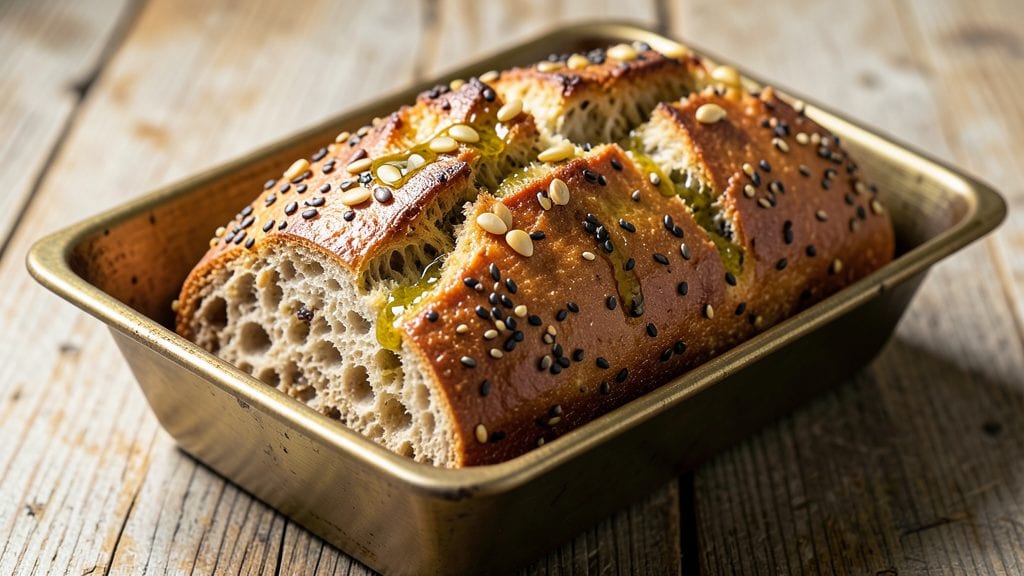
Your breadmaker can finally make multigrain bread that rivals artisanal bakery loaves—with a whole-grain crust and seed-packed texture that stays fresh for days. I perfected this recipe after years of experimenting with whole grains in my breadmaker, balancing moisture and texture to prevent dense, heavy results.
The secret lies in precise ingredient ratios and a two-stage kneading process that develops gluten without overworking the dough.
This recipe transforms simple pantry staples into a nutrient-dense loaf with crisp edges, a tender crumb, and nutty flavor from sunflower seeds, flaxseeds, and whole wheat. Unlike store-bought multigrain bread, this version includes no artificial preservatives—just wholesome grains and seeds that add crunch and protein.
The breadmaker handles all the heavy lifting, including kneading and proofing, while you focus on mixing the seed blend.
By the time it emerges from your breadmaker, you'll have a loaf with a golden-brown crust that cracks beautifully and a soft, airy interior speckled with seeds. It's perfect for toast, sandwiches, or serving alongside soups—with enough texture to satisfy even seed-loving kids.
The recipe yields two 1-pound loaves, making it ideal for meal prep or gifting.
For extra flavor, consider adding a sprinkle of honey or cinnamon to the dough before baking, or swap seeds for chopped nuts. The bread freezes well for up to three months, so you can bake a batch and enjoy it all season long.
Let's get started on your first perfect loaf!
Ingredients for breadmaker multigrain bread
Pantry staples meet whole-grain goodness for breadmaker magic—crisp crust, seed-packed texture that rivals artisanal loaves.
| Ingredient | Amount | Notes |
|---|---|---|
| All-Purpose Flour 🌾 | 2 cups | White or bread flour preferred |
| Whole Wheat Flour 🌾 | 2 cups | Stone-ground for better texture |
| Sunflower Seeds 🥜 | ½ cup | Unsalted, dry roasted preferred |
| Flaxseeds 🌾 | ¼ cup | Ground for better digestion |
| Active Dry Yeast 🍞 | 2 ¼ tsp | Fresh or 1 packet instant |
| Granulated Sugar 🍚 | 1 tbsp | White or light brown |
| Salt 🧂 | 1 ½ tsp | Diamond Crystal preferred |
| Extra-Virgin Olive Oil 🫒 | 2 tbsp | For dough moisture |
| Warm Water 💧 | 1 ¼ cups | 110°F for yeast activation |
| Large Eggs 🥚 | 2 whole | Room temperature for mixing |
| Honey 🍯 | 1 tbsp | Optional for extra sweetness |
| Sesame Seeds 🥜 | 2 tbsp | For crust decoration |
The flours are where texture magic happens. Whole wheat flour gives that nutty depth, but it can dry out dough—mix it with all-purpose for balance. Bob's Red Mill is my go-to for whole wheat (it's pre-ground and consistent), but any stone-ground brand works. For seeds, Trader Joe's has the best prices on sunflower seeds—just make sure they're unsalted. The flaxseeds? Grind them fresh in a coffee grinder right before mixing, or they'll turn bitter. Yeast is non-negotiable—if it's past its expiration, toss it. Fresh yeast from the fridge works best, but instant yeast from a jar is fine too.
No sunflower seeds? Pumpkin seeds or chopped walnuts work beautifully—they add richness but change the flavor profile. Short on whole wheat? Substitute half with spelt flour for a lighter texture. The honey is optional but adds moisture and a subtle sweetness that balances the seeds' nuttiness. Maple syrup works too if you're avoiding honey. For the oil, avocado oil has a higher smoke point than olive oil if you're worried about flavor transfer. And yes, you can skip the sesame seeds—just sprinkle extra seeds on top for crunch.
This dough keeps in the fridge for 3 days wrapped tightly in plastic, but it's best baked fresh. For longer storage, freeze the shaped loaves (before baking) for up to 3 months)—thaw at room temperature, then bake as directed. The bread itself? 5 days at room temperature in a bread bag, or freeze sliced for up to 6 months. Toasting revives stale slices—just a quick 30-second pass under the broiler.
Why You'll Love This Recipe
- Set-and-Forget Magic: I dump the ingredients—flour, seeds, yeast—into the breadmaker and walk away. No kneading, no fuss, just 3 hours later, warm bread that smells like a bakery. Honestly, the machine does all the work while I sip coffee or fold laundry.
- Nutty Crunch Perfection: That mix of sunflower and flaxseeds? Chef’s kiss. They add a satisfying bite with every slice, and the whole wheat keeps it hearty without tasting heavy. Between us, I’ve never met a loaf of bread that made toast or sandwiches this good.
- Weeknight Workhorse: This bread handles everything—grilled cheese at 4 p.m., sandwiches for lunch, or toast with jam for breakfast. I make two loaves on Sunday, freeze one, and boom: no more sad, stale bread at the end of the week.
- Pocketbook-Friendly Staple: Whole wheat and seeds bulk it up, so a single loaf stretches across meals without breaking the bank. Plus, the yeast and flours are cheap, meaning I get two loaves for the price of one fancy artisanal loaf. Smart move, right?
Step-by-step instructions for breadmaker multigrain bread
This method transforms your breadmaker into a multigrain powerhouse with a crisp crust and nutty texture.
Prepare the Breadmaker and Mix Wet Ingredients
In your breadmaker pan, combine the 1.25 cups warm water (110°F), 2 tbsp extra-virgin olive oil, 1 tbsp granulated sugar, and 2.25 tsp active dry yeast. Mix these ingredients thoroughly until the yeast dissolves completely and the mixture becomes slightly foamy. This step activates the yeast and ensures even distribution throughout the dough.
Here's the thing—yeast needs warmth to activate properly. If your water isn't exactly 110°F, test it by touching the surface with your finger. It should feel warm but not hot enough to cause discomfort. Let the mixture sit for 5 minutes until it develops a slight froth on top, indicating the yeast is working. This pre-mixing creates a more cohesive dough later in the process.
Add Dry Ingredients and Combine
To the wet mixture, add the 2 cups all-purpose flour, 2 cups whole wheat flour, 0.5 cup sunflower seeds, 0.25 cup flaxseeds, and 1.5 tsp salt. Use the breadmaker's paddle attachment to mix everything on low speed for 2-3 minutes until you see a shaggy dough forming at the bottom of the pan.
Don't skip this step—proper mixing ensures the seeds and flaxseeds are evenly distributed. The whole wheat flour will make this dough denser than white bread dough, so resist the urge to add extra water. The seeds will also absorb some moisture, which is why we start with precise measurements. You'll notice the dough becomes slightly sticky but should pull away from the sides of the pan cleanly.
Incorporate Eggs and Honey for Richness
Remove the paddle and add the 2 whole large eggs and 1 tbsp honey directly to the pan. Using a silicone spatula, gently fold these ingredients into the dough until fully incorporated. The eggs add structure and moisture, while the honey enhances flavor and helps create a slightly sweeter crust.
This is the moment that matters: the eggs and honey should blend seamlessly into the dough without making it too wet. If it looks too sticky, you can use the paddle to gently press the dough together for 30 seconds—this helps the gluten develop slightly before kneading begins. The breadmaker will handle most of the work, but this initial mixing ensures better texture and rise.
Set Breadmaker and Begin First Rise
Select the "Basic" or "Whole Wheat" setting on your breadmaker, which typically calls for a 3-4 hour cycle including kneading and rising. If your machine has a custom setting, choose one that allows for 3 hours of total time—this gives the dense whole wheat dough enough time to fully develop its gluten structure.
Start the cycle and let the breadmaker do its work. You'll hear it knead the dough vigorously for the first 5-10 minutes, which may seem excessive, but this is crucial for developing the gluten needed to support the dense whole wheat flour. The dough should rise until it reaches about 75% of the pan's capacity—this indicates proper fermentation and is your signal that the bread is ready for baking.
Shape, Decorate, and Bake to Perfection
Once the breadmaker completes its cycle, remove the dough and place it on a lightly floured surface. Gently shape it into a loaf, tucking the sides under to create a smooth surface. Brush the top with a little water, then sprinkle 2 tbsp sesame seeds evenly over the surface, pressing them lightly so they adhere.
Transfer the shaped loaf to a baking sheet lined with parchment paper. Let it rise for an additional 15-20 minutes at room temperature until it puffs slightly. Preheat your oven to 375°F while the bread rises. Bake for 25-30 minutes until the crust is deep golden brown and the internal temperature reaches 190°F when measured with an instant-read thermometer. The bread should sound hollow when tapped on the bottom.
Pro Tips For Making Breadmaker Multigrain Bread
- TOAST SEEDS FIRST: Sunflower and flaxseeds don’t just sit there—they need a quick dry toast in a skillet for 2-3 minutes until fragrant. I learned this the hard way when my first batch tasted bland and chewy. The nuttiness pops, and the texture stays crisp even after baking.
- WEIGH YOUR FLOURS: Scooping whole wheat flour from the bag packs in air, and your dough will end up dense. Use a kitchen scale for both flours—whole wheat especially—since it’s lighter than all-purpose. Trust me, your bread will rise better and taste lighter.
- DON’T OVERMIX THE DOUGH: The breadmaker does most of the work, but when you transfer the dough to shape it, resist the urge to knead like you’re punishing it. Overworking whole wheat dough makes it tough. Just gently fold it 2-3 times—enough to smooth, not enough to tire it out.
- LET IT RISE COLD: Skip the rush and let the shaped loaf rise in the fridge overnight. The slow fermentation deepens the flavor, and the crust turns golden without burning. I used to bake it straight out of the breadmaker—now I wait, and the difference is noticeable.
Essential equipment for this dish
Breadmaker Must-Haves
First things first—your breadmaker is the star, but not all machines perform equally with multigrain dough. I swear by the KitchenAid Artisan Breadmaker for its consistent kneading power and customizable settings. If you're on a budget, the Hamilton Beach 23005 delivers reliable results for under $50.
The key feature? A strong motor—whole wheat and seeds demand extra power to develop gluten properly. 💪
Essential Add-Ons
Your breadmaker pan is non-negotiable, but a few extras make life easier. A silicone dough scraper (like the OXO Good Grips model) helps remove sticky dough without tearing. For shaping, I keep a lightly floured cotton towel handy—it prevents sticking better than extra flour.
And trust me, a digital instant-read thermometer (I use the Thermoworks Thermapen) ensures your bread reaches the perfect 190°F internal temp every time.
Seed Prep Tools
Those seeds need proper prep to avoid bitter flavors. A small coffee grinder (like the Baratza Encore ESP) is perfect for grinding flaxseeds fresh. For sunflower seeds, a mortar and pestle gives you control over texture—just pulse them lightly for crunch.
Pro tip: Toast your seeds in a dry skillet for 2-3 minutes before adding to the dough for extra flavor. This step is optional but makes a noticeable difference in aroma.
Storage Solutions
Keep your bread fresh longer with the right containers. I store baked loaves in a canvas bread bag (like the Breadtop brand) to maintain moisture without condensation. For freezing, I use quart-sized freezer bags with the air squeezed out—this prevents freezer burn and preserves texture.
Label each bag with the date so you can track freshness. A sharp serrated knife (I love the Global GKN) ensures clean slices every time, whether fresh or thawed.
David's Taste-Test Kit
My husband David has strong opinions about bread texture, so we keep these tools on hand: a wooden bread board for serving (it enhances crust crispness), a small spray bottle with water (for quick crust refresh), and a toaster with a bagel setting (for perfect toast every time).
He also insists on a fine-mesh strainer for dusting sesame seeds evenly—his "perfectionist touch" that makes all the difference. 🌟
Nutrition facts
Frequently asked questions
Can I substitute whole wheat flour with spelt or rye?
Yes, but adjust ratios carefully. Spelt works 1:1 and creates a lighter texture, while rye adds deeper flavor but requires 1 extra tablespoon of water per cup to compensate for its dryness. For best results, replace 1 cup whole wheat with 1 cup spelt—this keeps the seed-packed texture while reducing density.
Why does my multigrain dough stick to the breadmaker pan?
Whole wheat flour and seeds absorb more moisture, causing stickiness. First, ensure your water is 110°F—too hot kills yeast, while too cool slows fermentation. If sticky, lightly grease the pan with olive oil after adding dry ingredients, but avoid over-greasing or the crust will be gummy. The dough should pull away cleanly after 2-3 minutes of initial mixing.
How do I fix dense or heavy multigrain bread?
Density usually means under-developed gluten or over-mixed dough. First, verify your breadmaker setting—use 3 hours total time (not quick cycles). For next time, reduce flaxseeds by 2 tbsp and add 1 extra tbsp olive oil to improve moisture balance. Also, ensure your yeast is fresh—old yeast can't properly leaven dense doughs.
Can I make this bread without eggs?
Replace eggs with 2 tbsp ground flaxseed + 6 tbsp warm water (let sit for 5 minutes to thicken) or ½ cup unsweetened applesauce. For structure, add 1 tsp vital wheat gluten to the dry ingredients. The bread will be slightly less tender but still delicious—just avoid adding extra liquid to compensate for the egg replacement.
What's the best way to reheat stale multigrain bread?
For crispy crust and soft interior, wrap slices in aluminum foil and warm at 350°F for 5-7 minutes. For toast, use a toaster with bagel setting—the longer cycle revives texture better than quick settings. Pro tip: Spritz stale bread with water before reheating to restore moisture without making it soggy.