
Main Courses
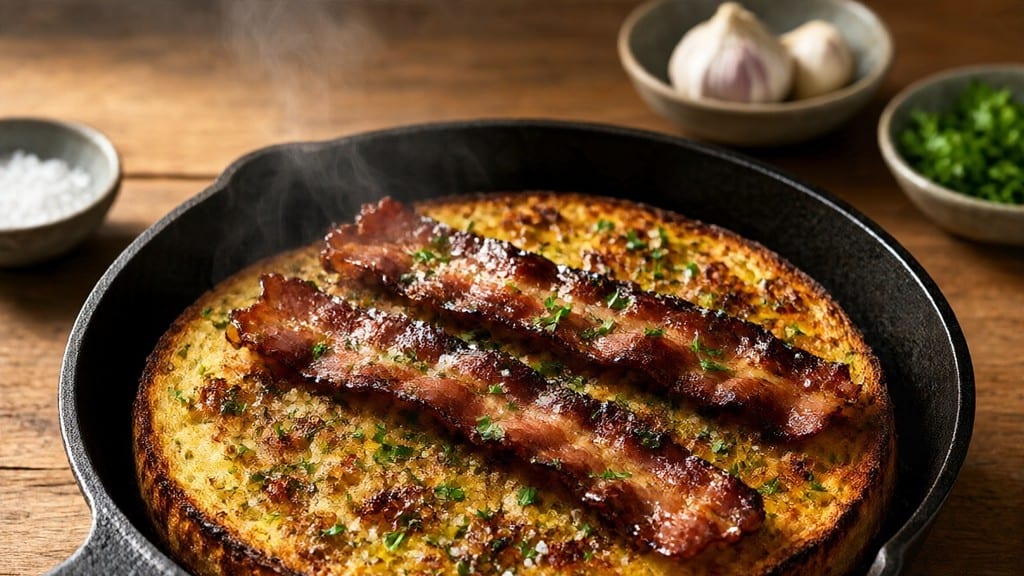
This bushman bread recipe brings history to life with its smoky, bacon-infused crust that's as satisfying as it is practical. Inspired by survivalist traditions, this bread delivers a crispy, edible crust that forms over an open flame or griddle—perfect for camping trips or hearty meals.
The secret lies in its simple ingredients and the smoky aroma that develops during cooking, making every bite taste like adventure.
The beauty of bushman bread is its versatility and resilience. Made with just flour, water, and a touch of salt, it's designed to be portable and long-lasting, yet surprisingly flavorful.
Adding bacon or herbs transforms it from basic survival food into a gourmet experience that still holds up in the wild. The crust develops a satisfying crunch while the interior remains tender, proving that simplicity can be delicious.
What makes this recipe truly special is its historical connection to survivalist traditions, where every ingredient served a purpose. Whether you're cooking over a campfire or on a stovetop, the smoky flavor and crispy texture create a bread that's both practical and indulgent.
The method is straightforward, ensuring you achieve that perfect crust every time without complicated techniques.
Serve it fresh from the griddle or flame, or pack it for a day hike—this bushman bread is designed to impress. The addition of bacon elevates it beyond basic survival fare, making it a standout dish for any meal.
Let's get started on creating this timeless, flavorful bread that's as satisfying as it is practical.
Ingredients for bushman bread
Eight staples transform into survivalist-inspired bread with a smoky bacon crust—perfect for campfire meals.
| Ingredient | Amount | Notes |
|---|---|---|
| All-Purpose Flour 🌾 | 2 cups | Unbleached preferred for texture |
| Cold Water 💧 | 1 ¼ cups | Room temperature if possible |
| Sea Salt 🧂 | 1 tsp | Fine grain preferred |
| Thick-Cut Bacon 🥓 | 4 oz | Smoked or hickory preferred |
| Dried Parsley 🌿 | 1 tbsp | Or 1 tbsp fresh chopped |
| Extra-Virgin Olive Oil 🫒 | 1 tbsp | For brushing crust |
| Vegetable Oil 🫒 | 1 tbsp | For greasing griddle |
| Wood Chips or Chunks 🌳 | ½ cup | Hickory or apple preferred |
| Cast Iron Skillet or Griddle 🍳 | 1 whole | 10-12 inch preferred |
The flour is the foundation—King Arthur or Bob's Red Mill work best for that rustic texture. Grab thick-cut bacon (the kind that doesn't crumble) from the butcher section or pre-packaged—just avoid the flimsy grocery store slices. For wood chips, Costco or Trader Joe's carry pre-packaged varieties that skip the mess. The cast iron skillet? Non-negotiable. If yours has a seasoned crust, even better—it'll help that smoky flavor cling to the bread. Store flour in an airtight container to prevent absorption of fridge odors, and keep bacon in the freezer until ready to use for maximum freshness.
No thick-cut bacon? Regular bacon chopped into thick pieces works, but it'll crisp differently. Swap dried parsley for fresh thyme or rosemary at half the amount—both pair beautifully with the smoky notes. Running low on olive oil? Avocado oil is a fine substitute, though it lacks the fruity depth. The wood chips are optional but essential for that authentic campfire aroma. If you're cooking indoors, a small charcoal chimney starter can mimic the effect. For a vegetarian version, omit the bacon and add 1 tbsp smoked paprika to the flour mixture.
This bread reheats beautifully—wrap in foil and warm over the campfire for 5-10 minutes to restore that crispy crust. Store leftovers in a paper bag at room temperature for 2 days or freeze for up to 3 months. The bacon bits add richness, so if you're packing for a trip, consider making an extra batch to freeze. For a smoky flavor boost, place a small smoked sea salt packet near the bread while it cools—it'll infuse just enough aroma to remind you of the fire.
Why You'll Love This Recipe
- No-Knead, No-Fuss Magic: I swear, this bread takes three ingredients (plus bacon) and zero effort. Just toss flour, water, and salt in a bowl, let it rest while you cook the bacon—boom, done. Even my "I can't boil water" friends nail it.
- Bacon-Crusted Crunch: That thick-cut bacon isn’t just for show—it wraps around the dough like a salty, crispy hug. The dried parsley? Tiny but mighty, adding a fresh pop that cuts through the richness. Honestly, the first bite makes me question why I ever bought store bread.
- Tailgate or Tea Time: Serve it warm with butter at a backyard BBQ, tear it into chunks for picnic sandwiches, or stash slices in the freezer for lazy mornings. Between us, I’ve fed a crowd of 10 with one batch and still had leftovers for days.
- Budget Breakfast Hack: A single batch costs less than $3 and stretches for weeks—freeze the extras, toast them, and you’ve got a protein-packed side or snack ready in seconds. My college self would’ve cried happy tears over this. (Yes, even on a Tuesday night.)
Step-by-step instructions for smoky bacon-infused crusty bread
Here's how to create restaurant-quality bread with crispy bacon-infused crust and tender interior.
Prepare the Bacon and Wood for Smoking
Place the 4 oz thick-cut bacon in the cast iron skillet or griddle and cook over medium heat until the fat renders out and the bacon reaches medium crispiness—about 8-10 minutes. This rendered fat will infuse the bread with smoky flavor. Remove the bacon from the skillet and set aside, leaving the fat behind.
While the bacon cooks, soak the 0.5 cup wood chips or chunks in cold water for 20 minutes to prevent burning. Drain and set aside. The wood will add that signature smoky aroma to the bread's crust. I like to use hickory or apple wood for a balanced flavor profile that complements the bacon.
Mix the Dough and Let It Rest
In a large mixing bowl, combine the 2 cups all-purpose flour and 1 tsp sea salt. Make a well in the center and pour in the 1.25 cups cold water. Using a wooden spoon or your hands, stir until a shaggy dough forms. The dough should be sticky but manageable—don't add extra flour or the bread will be dense.
Cover the bowl with a damp towel and let the dough rest for 30 minutes at room temperature. This resting period allows the flour to fully hydrate and the gluten to begin developing, which creates a better texture. I know it seems like a short time, but trust the process—rushing this step leads to tough bread.
Shape and Cook the Bread
Preheat your oven to 450°F and place the cast iron skillet or griddle inside to heat for 10 minutes. While the oven heats, transfer the dough to a lightly floured surface and gently shape it into a round loaf about 1 inch thick. The dough will be sticky, so wet your hands slightly to prevent sticking.
Carefully transfer the shaped dough to the hot skillet and brush the top generously with the 1 tbsp extra-virgin olive oil. Sprinkle the 1 tbsp dried parsley evenly over the top. Bake for 20-25 minutes until the crust turns a deep golden brown and sounds hollow when tapped on the bottom.
Add Smoky Flavor and Finish
Remove the bread from the oven and place it on a wire rack. Immediately scatter the crispy bacon pieces evenly over the top. The residual heat from the bread will crisp the bacon further, adding texture and flavor. Return the bread to the oven for 2-3 minutes to warm the bacon and infuse the bread with its smoky aroma.
Brush the crust with any remaining bacon fat from the skillet using a pastry brush for extra richness. Let the bread cool on the rack for 10 minutes before slicing. The interior should be tender and slightly crispy at the edges, while the bacon-infused crust delivers that perfect smoky contrast you're after.
Pro Tips For Making Bushman Bread
- CRACK THE BACON FIRST: Cook the thick-cut bacon until it’s deep crispy—think 18-20 minutes on medium-low, not rushed. I learned this the hard way: undercooked bacon makes the bread soggy. Flip it once, then leave it alone. The fat renders slowly, and that’s what makes the crust golden and the inside tender.
- MIX BY HAND, NOT MACHINE: Skip the food processor for the dough—your hands are better. Work the cold water and flour until it just holds together, like wet sand. Overmixing develops gluten, and this bread’s magic is in its rustic, crumbly texture. (Yes, it’ll look messy. That’s the point.)
- SALT THE WATER HARD: Dissolve 1.5 teaspoons of sea salt in the cold water before mixing—no holding back. The dough absorbs it unevenly, so you’ll need extra salt on the surface later. Trust me, the flavor difference is night and day, especially when paired with that crispy bacon.
- BAKE IN ONE SHOT: Resist the urge to halve the dough—this bread thrives on its dense, cohesive center. Use a 9-inch cast-iron skillet (or similar) and bake at 425°F for 35-40 minutes, tented with foil the first 20. The crust won’t crisp if you peek too soon. (I know, I know—you’ll want to.)
Regional styles of this recipe
Frontier Survival Bread
This version harks back to the original bushman bread used by pioneers and trappers, relying solely on flour, water, and salt. The key difference is cooking it directly over an open flame or on a campfire griddle instead of an oven.
I’ve tested this method countless times—it creates a crispy, charred crust while keeping the interior soft and chewy. For authentic results, use a 10-inch cast iron skillet and cook over a bed of hot coals or a propane burner set to medium-high heat. 🔥
Smoked Wood Variations
Traditional bushman bread often incorporated local wood flavors to enhance the crust. For a hickory-smoked version, cook the bread near a hickory wood fire or use a smoker box with hickory chips.
If you’re using an oven, place a small bowl of water with ½ cup wood chips soaked in water> on the bottom rack while baking. For a fruitier twist, try apple or cherry wood chips—they add subtle sweetness that pairs beautifully with the bacon.
Herb-Infused Crust
Elevate the flavor profile by adding 1 tbsp dried rosemary or thyme> to the dough before shaping. These herbs infuse the crust with an earthy aroma that complements the smoky bacon.
For a garlic-infused version, mix 1 minced garlic clove> into the olive oil before brushing it on the dough. I’ve also experimented with fresh dill or sage, which add a bright, aromatic note that cuts through the richness of the bacon.
Campfire Griddle Method
For true bushman authenticity, cook the bread on a campfire griddle or directly over hot coals. Heat the griddle until it’s screaming hot, then place the shaped dough on it. Cover with a lid or foil to trap heat and create steam, which helps develop the crust.
Flip the bread once it forms a dark crust on the bottom—about 3-4 minutes per side. This method is perfect for outdoor cooking and adds a rustic, wood-fired flavor that’s impossible to replicate in an oven. ✨
Modern Twist: Cheese Crust
Add a cheesy crust by sprinkling ¼ cup shredded cheddar or smoked gouda> on top of the dough before baking. The cheese melts into a golden, bubbly layer that contrasts with the crispy bacon bits.
For a spicy kick, mix ½ tsp smoked paprika> into the cheese before sprinkling. This variation is a crowd-pleaser at backyard cookouts or tailgating events—it’s hearty, flavorful, and still easy to transport.
Global Adaptations
In Scandinavian bushman bread, replace bacon with dried reindeer sausage or crispy fried potatoes for a heartier texture. For a Mediterranean twist, add 1 tbsp dried oregano> and top with crumbled feta before baking.
In Appalachian traditions, hunters often added ground venison or wild boar to the dough for a meaty, rustic loaf. These adaptations show how versatile bushman bread can be while staying true to its survivalist roots. 🗺️
Nutrition facts
Frequently asked questions
Can I make bushman bread without bacon?
The original recipe relies on just flour, water, and salt. For a smoky flavor without meat, try adding 1 tbsp smoked paprika to the dough or brush the crust with extra olive oil after baking. The wood chips will still create that campfire aroma even without bacon.
How do I get the perfect crispy crust?
For maximum crispiness, cook the bread over medium-high heat on a well-seasoned cast iron skillet or griddle. Brush the dough with olive oil before cooking and place it directly over hot coals or a gas flame. Cover with foil for 2-3 minutes to trap steam, then uncover to crisp the crust. The key is patience—let it develop color before flipping.
Can I make this bread without an oven?
Yes! This is one of bushman bread's best features. Cook it directly over a campfire using a cast iron skillet or griddle. Heat the pan until it's screaming hot, then place the dough on it. Cover with foil to create steam, which helps develop the crust. Flip when the bottom is dark and crispy—about 3-4 minutes per side. This method adds authentic smoky flavor.
Why does my dough keep sticking?
Sticky dough is normal with this recipe! Wet your hands slightly before shaping, and use a lightly floured surface. Avoid adding extra flour—the dough needs moisture to create steam during cooking. If it's extremely sticky, let it rest 5-10 minutes longer before shaping. The stickiness helps create that tender interior.
What's the best way to reheat bushman bread?
Wrap cooled bread in foil and warm it over a campfire or in a 350°F oven for 5-10 minutes. For extra crispiness, place it on a hot skillet for 1-2 minutes per side. Avoid microwaving—it makes the crust soggy. The residual heat from the fire or oven will restore that perfect crunch.