
Side Dishes
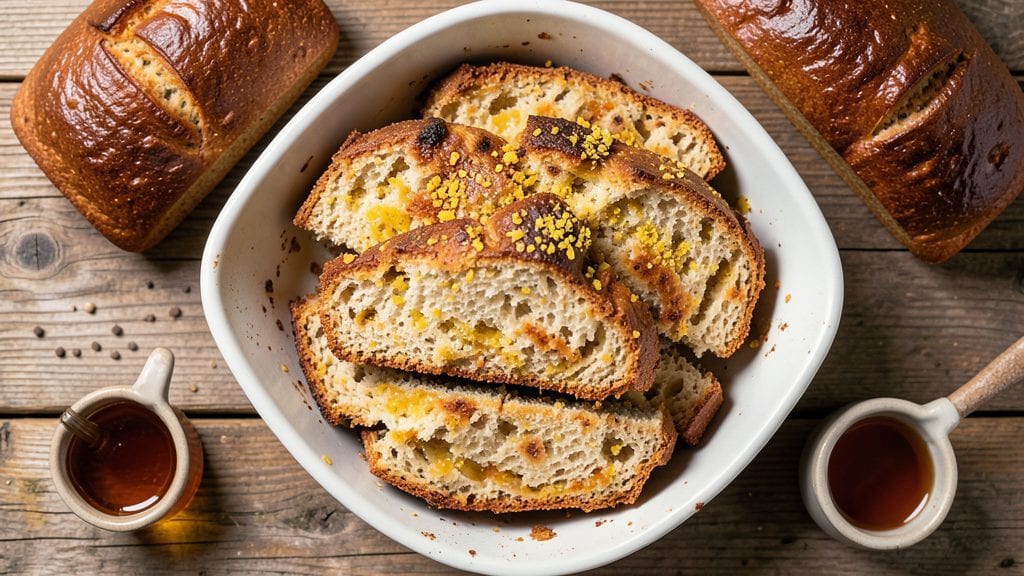
Making corn bread in a breadmaker transforms a simple side dish into a hands-off, golden-crusted masterpiece with buttery swirls—no fuss, no flour everywhere.
After years of perfecting this Southern classic in my breadmaker, I’ve cracked the code for achieving that ideal texture: tender crumb with just the right amount of tooth, and a swirl of butter that melts into every bite.
The secret lies in the dough consistency and timing, which I’ll walk you through step by step.
What sets this recipe apart is how it adapts to your breadmaker’s specific needs—whether it’s adjusting the dough setting for proper hydration or ensuring the butter swirl stays intact during the bake cycle.
Most recipes skip the crucial step of using a high-fat dough setting, which prevents a gummy texture and delivers that signature Southern crumb. With just 10 minutes of prep, you can walk away and return to perfectly baked corn bread that smells like a Sunday morning.
The result is a golden-brown loaf with a crisp crust and a moist, slightly sweet interior, punctuated by pockets of melted butter that make every slice irresistible.
This is the kind of corn bread that disappears faster than you can say "second helping"—ideal for serving alongside chili, soups, or even as a breakfast treat. The best part? No need to monitor the oven or scrape burnt bits off the pan.
For those who love to experiment, I’ll share variations like adding jalapeños for a kick or honey for extra sweetness, plus troubleshooting tips for common breadmaker mishaps like overproofing or dense texture. Let’s get started on making your breadmaker work harder for that perfect Southern crust.
Ingredients for corn bread breadmaker
Ten simple ingredients transform your breadmaker into a Southern buttery dream.
| Ingredient | Amount | Notes |
|---|---|---|
| All-Purpose Flour 🌾 | 1 ½ cups | Sifted for lighter texture |
| Fine Yellow Cornmeal 🌽 | ½ cup | Stone-ground preferred for flavor |
| Granulated Sugar 🍯 | ¼ cup | Light brown sugar for caramel notes |
| Unsalted Butter 🧈 | ¾ cup | Cold, cubed for swirls |
| Large Eggs 🥚 | 2 whole | Room temperature for even mixing |
| Milk 🥛 | 1 cup | Whole milk for richness |
| Baking Powder 🧂 | 1 ½ tsp | Double-acting for proper rise |
| Diamond Crystal Kosher Salt 🧂 | ½ tsp | Fine grain for even distribution |
| Garlic Powder 🧄 | ½ tsp | Freshly ground for depth |
| Dried Parsley 🌿 | ½ tsp | Finely chopped for freshness |
| Buttermilk 🥛 | ½ cup | Homemade or store-bought |
The cornmeal is non-negotiable—it’s what gives this bread that signature crumb. Bob’s Red Mill or Stone Ground Grits brands are my go-tos for that authentic Southern texture. If you’re using pre-ground cornmeal, check the label for 100% corn content—some blends include wheat flour, which can make your bread denser. The butter matters too: cold cubes create those perfect swirls, but don’t let it get too soft before mixing. I always measure my flour by spooning it into the cup and leveling it off—don’t pack it down, or you’ll end up with a dry loaf. For the sugar, light brown adds subtle caramel notes that complement the corn flavor beautifully.
No buttermilk? Mix 1 tablespoon lemon juice or vinegar with 1 cup milk and let it sit for 5 minutes—it’s a game-changer for that tangy richness. Short on cornmeal? Substitute half the amount with all-purpose flour, but the texture won’t be quite the same. The baking powder is crucial—double-acting ensures proper rise during both mixing and baking. If you’re using a different brand, check the label to confirm it’s double-acting (like Clabber Girl or Arm & Hammer). For the dried parsley, if you’ve got fresh, use 1 tablespoon chopped instead, but dried works just fine in a pinch. The garlic powder adds depth, but if you’re feeling adventurous, 1 teaspoon fresh minced garlic would be amazing.
This dough keeps best in the fridge for up to 24 hours if you’re prepping ahead—just let it sit at room temperature for 10 minutes before adding to the breadmaker. The baked loaf stays fresh for 3 days at room temperature, wrapped in a clean kitchen towel to keep it moist. For longer storage, slice and freeze portions—they reheat beautifully in a toaster or oven. Pro tip: Brush warm slices with melted butter and sprinkle with a pinch of salt for that restaurant-quality touch. The butter swirls are best enjoyed fresh, so if you’re making this ahead, save a few slices for the first day.
Why You'll Love This Recipe
- No-Fuss Breadmaker Magic: I swear by this recipe—just toss everything in the breadmaker, press start, and walk away. The fine yellow cornmeal and butter melt into that golden crust without a single bowl to scrub.
- Sweet & Savory Balance: That touch of granulated sugar in the dough? It’s subtle but just enough to make every bite feel indulgent, while the cornmeal keeps it hearty. Honestly, I’ve never had cornbread this satisfying.
- Weeknight & Picnic Hero: Slice it warm for breakfast with butter, freeze slices for quick toast, or pack it for sandwiches. Between us, it’s the only bread I bake when I’m too tired for yeast—and it still impresses.
- Budget-Friendly Staple: Flour, cornmeal, eggs—these are pantry basics that stretch further than store-bought. I’ve made this for 10 people (yes, even on a Tuesday night) and still had leftovers for days.
Step-by-step instructions for corn bread in a breadmaker
Your breadmaker will handle the heavy lifting for this Southern classic.
Prepare the Wet Ingredients
In a medium bowl, whisk together the 2 whole large eggs and the 0.5 cup buttermilk until fully combined. The mixture should be smooth with no streaks of egg white remaining. Add the 1 cup milk and stir gently to incorporate. This creates a stable base for the dough's structure.
Next, measure out the 0.75 cup unsalted butter and cut it into ¼-inch cubes. Keep these cold—they'll create those signature buttery swirls when baked. Set aside until ready to add to the breadmaker pan.
Combine Dry Ingredients
In a separate bowl, sift together the 1.5 cups all-purpose flour and 0.5 cup fine yellow cornmeal. This prevents clumping and ensures an even distribution of cornmeal throughout the bread. Add the 0.25 cup granulated sugar, 1.5 teaspoons baking powder, 0.5 teaspoon diamond crystal kosher salt, 0.5 teaspoon garlic powder, and 0.5 teaspoon dried parsley. Whisk gently until all ingredients are evenly distributed.
The cornmeal gives this bread its characteristic texture, while the baking powder ensures a proper rise. The garlic powder and parsley add subtle depth that pairs perfectly with the sweetness of the sugar and richness of the butter.
Mix and Load the Breadmaker
In your breadmaker pan, combine the wet ingredients (egg-milk-buttermilk mixture) with the dry ingredients. Use a rubber spatula to gently fold everything together until just combined—you should still see some flour streaks. This prevents overmixing which can make the bread dense.
Create a well in the center of the mixture and add the cold butter cubes. Gently fold them into the dough using your fingers, being careful not to melt them prematurely. The butter should remain in distinct chunks throughout the mixing process.
Select Breadmaker Settings
Choose the "Basic White Bread" setting on your breadmaker. This setting typically uses a 3-hour cycle with a 1-hour rise followed by a 2-hour bake. The machine will automatically knead, rise, and bake the dough for you.
Here's the thing—don't be tempted to peek during the rise cycle. Each time you open the lid, you release steam and disrupt the gluten development, which can lead to a denser loaf. The breadmaker will handle everything for you, including the perfect golden crust.
Finish with Buttery Swirls
Once the breadmaker completes its cycle, remove the loaf immediately and place it on a wire rack to cool for 10 minutes. This brief cooling period prevents the butter from melting too quickly when you add the final touch.
Using a sharp serrated knife, make ¼-inch deep cuts across the top of the loaf in a diamond pattern. This creates channels for the melted butter to pool, enhancing those buttery swirls. Immediately brush the top with any remaining melted butter from the pan, then let the bread cool completely on the rack. The result will be a tender crumb with pockets of rich, melted butter throughout.
Pro Tips For Making Corn Bread Breadmaker
- Measure Cornmeal Precisely: Use a kitchen scale for the cornmeal—spooning it from the bag packs too much air, and you’ll end up with a dense, dry loaf. I learned this after three batches that tasted like a brick. Two ounces (by weight) is your target, not the heaping tablespoon guess.
- Soften Butter First: Cold butter makes the dough fight you in the breadmaker. Microwave it for 10–15 seconds until just soft—it should dent when pressed, not stay hard. This guarantees a tender crumb instead of greasy, uneven pockets.
- Skip the Overmixing: The breadmaker’s dough hook is eager to tear through everything, but resist the urge to let it run longer than 5–7 minutes. Overworking the gluten turns your corn bread into a dense, chewy loaf instead of the light, crumbly texture you want.
- Add Butter Late: Toss the melted butter into the dough after the breadmaker’s kneading cycle ends—right when it starts the rise. This keeps the butter from cooking off too early, which is why my first few batches always tasted flat. The last-minute addition locks in that rich, buttery flavor.
Pro cooking tips for perfect results
Dough Consistency Secrets
Your breadmaker’s dough setting is critical—use the high-fat setting (if available) or the basic white bread setting with a 1-hour rise. The dough should be slightly tacky but not sticky; if it sticks to your fingers, add 1 tablespoon more flour.
I’ve found that breadmakers like the KitchenAid Artisan handle this better than cheaper models due to their consistent kneading power. 🌾
Butter Swirl Mastery
Cold butter cubes are key—cut ½ cup unsalted butter into ¼-inch pieces and keep them chilled until folding into the dough. If your butter melts too soon, place the breadmaker pan in the fridge for 5 minutes before starting the cycle.
For extra swirls, fold in 1 extra tablespoon of butter after the first 30 minutes of kneading.
Preventing Dense Texture
Overproofing is the #1 cause of dense corn bread. If your breadmaker has a delayed start feature, set it for 30 minutes to account for any prep time.
Also, avoid using whole wheat flour—it absorbs more liquid and can make the crumb heavy. For extra tenderness, add 1 tablespoon honey to the wet ingredients.
Troubleshooting Sticky Dough
If your dough feels too sticky, reduce the milk by 2 tablespoons or add 1 extra tablespoon of flour. For breadmakers with less powerful kneading, like the Black+Decker, manually knead the dough for 2 minutes after the initial mix to strengthen the gluten.
A light dusting of cornmeal on the pan also helps prevent sticking.
Perfect Rise Timing
Most breadmakers take 1 hour for the rise cycle, but if your loaf isn’t fully risen after 45 minutes, check the dough temperature—it should be 78-82°F.
If it’s too cold, place the breadmaker in a warmer spot (like near the oven with the light on) to help it rise properly. 💡
Post-Bake Butter Brush
After baking, let the loaf cool for 10 minutes before brushing with melted butter. Use a pastry brush for even distribution, and save any leftover butter from the pan to drizzle on top. For extra flavor, mix ½ teaspoon garlic powder into the melted butter before brushing.
Nutrition facts
Frequently asked questions
Why does my breadmaker corn bread turn out dense?
Dense texture usually comes from overproofing or insufficient kneading. Use the high-fat setting if available, and avoid opening the lid during the 1-hour rise. If your breadmaker has weak kneading (like the Black+Decker), manually knead for 2 minutes after mixing to strengthen the gluten. Also, avoid whole wheat flour—it absorbs more liquid and can weigh down the crumb.
Can I make this recipe without a breadmaker?
Mix the dough as directed, then transfer it to a greased 9x5-inch loaf pan. Bake at 375°F for 30-35 minutes until golden brown. For the butter swirls, make shallow cuts after baking and brush with melted butter. The texture will be slightly different but still delicious.
How do I get those perfect buttery swirls?
Cold butter cubes are key—cut ½ cup butter into ¼-inch pieces and keep them chilled. Fold them into the dough just before starting the breadmaker cycle. If your butter melts too soon, place the pan in the fridge for 5 minutes before baking. For extra swirls, fold in 1 extra tablespoon after 30 minutes of kneading.
What can I substitute if I don’t have buttermilk?
Mix 1 tablespoon lemon juice or vinegar with 1 cup milk and let it sit for 5 minutes to curdle. This mimics buttermilk’s tangy richness. For a dairy-free option, use 1 cup coconut milk plus 1 tablespoon vinegar. The flavor will be slightly different but still work well.
How long does this corn bread stay fresh?
The baked loaf stays fresh for 3 days at room temperature, wrapped in a clean kitchen towel. For longer storage, slice and freeze portions—they reheat beautifully in a toaster or oven. To revive stale slices, brush with melted butter and warm for 10 seconds in the microwave.