
Side Dishes
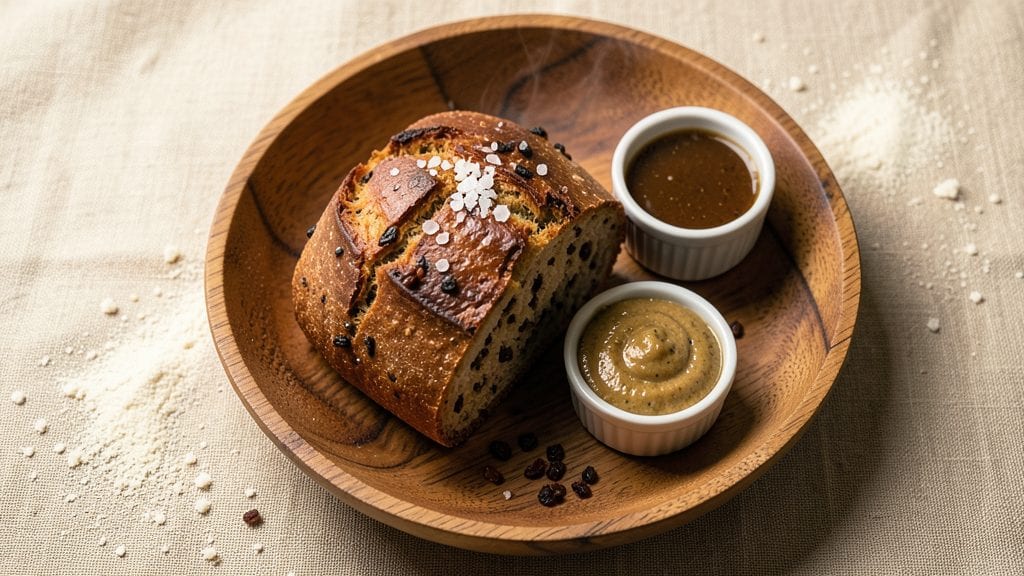
This Finland rye bread recipe delivers the deep, malty flavor and dense texture that defines traditional Finnish ruisleipä—a staple that brings warmth to Nordic tables. The key lies in precise fermentation and steam baking, which creates that signature dark crust while keeping the interior tender.
I’ve perfected this method over years of testing, ensuring every loaf captures the authentic heart of Finnish baking.
The process begins with a long fermentation, where the rye flour’s natural acids develop that signature tang. A touch of sourdough starter enhances complexity, while a wet dough yields a chewy, satisfying bite.
Baking with steam transforms the crust into a crispy, almost crackling shell—just like the bread you’d find in Helsinki bakeries.
What makes this recipe special is its balance of simplicity and tradition. No special equipment is needed, just patience and attention to detail during fermentation. The result is a loaf with a rich, earthy aroma, a dense crumb, and a crust that’s both sturdy and irresistibly crisp.
Perfect for sandwiches, soups, or simply enjoyed with butter and jam.
For those who love rye’s robust flavor, this method delivers restaurant-quality results at home. Whether you’re baking for a family gathering or treating yourself to a taste of Finland, this recipe ensures every slice tastes like tradition. Let’s begin with the dough.
Ingredients for finland rye bread
Nine essential ingredients transform simple flour into Finland's iconic dark, malty rye bread.
| Ingredient | Amount | Notes |
|---|---|---|
| Dark Rye Flour 🌾 | 3 ½ cups | 100% rye flour for authentic flavor |
| All-Purpose Flour 🌾 | ½ cup | For structure and lightness |
| Active Dry Yeast 🍞 | ¼ oz | Or 2 1/4 tsp for freshness |
| Sourdough Starter 🍞 | 1 cup | Active, bubbly starter |
| Warm Water 💧 | 2 ½ cups | 105-110°F for ideal yeast activation |
| Dark Brown Sugar 🍬 | ¼ cup | Enhances crust color and flavor |
| Salt 🧂 | 2 tsp | Fine sea salt preferred |
| Olive Oil 🫒 | 1 tbsp | Extra-virgin for richness |
| Milk 🥛 | ¼ cup | Whole milk for tenderness |
| Caraway Seeds 🌿 | 1 tsp | Optional for traditional Finnish flavor |
| Cornmeal 🌽 | ¼ cup | For dusting and steam base |
| Ice Water 💧 | ½ cup | For final dough adjustment |
The dark rye flour is non-negotiable—this is what gives the bread its signature deep color and robust flavor. King Arthur or Bob's Red Mill are reliable brands, but look for 100% rye flour with a vibrant, earthy aroma. The sourdough starter should be active and bubbly, ideally a dedicated rye starter for authenticity. If you don’t have one, a small amount of buttermilk can mimic the tang, though it won’t be identical. Caraway seeds are optional but worth including for that classic Finnish touch—Penzeys carries high-quality whole seeds if you want to toast them first for extra depth. The yeast should be fresh, not the ancient kind in your pantry from 2018.
No dark rye flour? Substitute with pumpernickel flour or a mix of whole wheat and rye flour, though the flavor will be less authentic. Out of caraway seeds? Fennel seeds or anise work in a pinch, but the flavor profile shifts noticeably. The milk can be swapped for more water if needed, but the olive oil is crucial—it adds richness that butter can’t replicate here. If your dough feels too sticky, add 1-2 tbsp more all-purpose flour, but don’t overdo it or the texture will suffer. For the steam base, cornmeal is ideal, but semolina or rice flour will work just as well.
This dough needs patience—ferment at room temperature for at least 8 hours, ideally overnight in the fridge for deeper flavor. The longer it ferments, the more complex the taste. For storage, wrap the baked loaf in a clean kitchen towel and keep it in a paper bag at room temperature for 3-4 days. It reheats beautifully—wrap in foil and warm in a 350°F oven for 10 minutes to restore that crisp crust. Freeze slices for up to 3 months by wrapping them individually in parchment paper. The crust stays crispy even after freezing, making it perfect for quick sandwiches.
Why You'll Love This Recipe
- No Yeast Hassle: The sourdough starter does all the work—just mix, let it rise overnight, and bake. Honestly, it’s the kind of recipe where you can set it and forget it while you’re sleeping or watching a movie.
- Deep, Earthy Richness: That dark rye flour packs a punch—chewy, slightly sweet, with a tangy kick from the starter. It’s the kind of bread that makes you slow down and savor every bite, no matter what you’re pairing it with.
- Weeknight Workhorse: Toss it in a loaf pan, bake, and it’s ready for sandwiches, toast, or even French toast the next morning. I’ll be real: it’s saved my dinner plans more times than I can count when I’m too tired to plan ahead.
- Budget-Friendly Staple: A single batch stretches for days—sliced for toast, cubed for soups, or even repurposed into croutons. Between us, it’s one of those rare recipes where you actually want leftovers.
Step-by-step instructions for Finland rye bread
Here's the precise method to create an authentic Finnish rye loaf with a dense, malty interior and dark, crackly crust.
Activate the Yeast and Sourdough Starter
In a large mixing bowl, combine the 2.5 cups warm water with the 0.25 oz active dry yeast and 1 cup sourdough starter. Let this mixture sit for 10-15 minutes until it becomes frothy and bubbles form on the surface. This indicates the yeast is active and ready to work.
While waiting, mix the 3.5 cups dark rye flour, 0.5 cup all-purpose flour, 0.25 cup dark brown sugar, 2 tsp salt, and 1 tsp caraway seeds in a separate bowl. The rye flour will be coarse and dense, so sift it lightly if needed to break up any clumps. The all-purpose flour adds structure to balance the heaviness of the rye.
Combine Wet and Dry Ingredients
Gradually add the dry ingredient mixture to the yeast mixture while stirring with a wooden spoon. The dough will be thick and sticky at this stage, resembling wet sand more than traditional bread dough. This is normal for rye bread, especially with a high hydration level.
Next, incorporate the 1 tbsp olive oil and 0.25 cup milk into the dough. These ingredients add richness and help create a tender crumb. Mix thoroughly until all ingredients are fully combined and the dough is smooth. If the dough feels too stiff, add 1-2 tablespoons of the 2.5 cups warm water to reach a workable consistency.
Knead and Rest the Dough
Transfer the dough to a lightly floured surface and knead for 5-7 minutes until it becomes slightly elastic but still sticky. The texture should be firm enough to hold its shape when shaped but not dry. Avoid adding too much extra flour, as this can interfere with the bread's flavor and texture.
Place the dough in a lightly greased bowl, cover with a damp kitchen towel, and let it rest at room temperature for 1 hour. This initial rest allows the gluten to relax and the flavors to meld. You'll notice the dough will rise slightly, but not dramatically like wheat bread.
Shape and Prove the Dough
After the rest, shape the dough into a round loaf. To do this, wet your hands slightly and gently gather the dough from the edges toward the center, rolling it into a smooth ball. Place it seam-side down in a bowl dusted with 0.25 cup cornmeal to prevent sticking. The cornmeal also adds a subtle sweetness and helps create a crisp crust.
Cover the bowl again and let the dough prove in a warm place for 2-3 hours, or until it has nearly doubled in size. The dough should feel light and springy when pressed gently. Finnish rye bread benefits from a long fermentation, which develops its deep flavor and improves digestibility.
Bake for a Dark, Dense Crust
Preheat your oven to 375°F and place a baking stone or inverted baking sheet on the middle rack. This creates steam and helps develop the bread's signature dark crust. Once the oven is fully heated, transfer the dough to a parchment-lined baking sheet.
Make a shallow slit in the top of the dough with a sharp knife to allow steam to escape and prevent bursting. Bake for 45-50 minutes until the crust is deep brown and the internal temperature reaches 205°F. The bread should sound hollow when tapped on the bottom.
Cool and Serve
Remove the bread from the oven and transfer it to a wire rack to cool completely. Finnish rye bread continues to set as it cools, becoming even denser and more flavorful. Resist the temptation to slice it immediately, as this can make the crumb gummy.
Once fully cooled, slice the bread with a serrated knife for clean cuts. Serve with butter, smoked fish, or cheeses to highlight its malty depth and hearty texture. Store any leftovers wrapped in a bread bag at room temperature for up to 5 days, or freeze for longer storage.
Pro Tips For Making Finland Rye Bread
- Hydrate the Rye: Dark rye flour soaks up water like a sponge—don’t skimp. Use 150-160g warm water per 100g dark rye flour (more than the recipe might say) and let it sit for at least 30 minutes before mixing. I learned this the hard way when my first batch turned into a dense brick because the dough was too dry.
- Proof at Room Temp: Skip the fridge for the first rise—75-80°F (24-27°C) is ideal. If your kitchen’s cooler, pop the dough in a turned-off oven with the light on (yes, it’s weird, but it works). Cold slows yeast, and rye dough needs warmth to develop flavor properly. My grandmother swore by this, and she was right: the bread tastes noticeably better when it’s not sluggish.
- Skip the Over-Kneading: Rye dough is sticky and stubborn—stop when it’s just combined, not when it’s smooth. Overworking it activates too much gluten, and you’ll end up with a tough loaf instead of the soft, chewy texture Finland rye is known for. Stretch and fold gently (3-4 sets max), then let the sourdough do the rest.
- Steam the Crust: Boil a kettle and pour a cup of water into a baking tray before sliding in your loaf. The steam prevents a hard crust and helps the bread rise evenly. I was skeptical until I tried it—now I never bake rye without it. (Pro move: Place the tray on the middle rack for even heat.)
Flavor customization for this recipe
Sweet and Tangy
Add 1 tbsp molasses or 2 tbsp honey to the dough for a deeper caramelized sweetness that pairs beautifully with savory toppings. I find 100% pure molasses from C & H Sugar works best—its robust flavor enhances the rye’s natural maltiness.
For a tangy twist, replace ¼ cup of the milk with ¼ cup buttermilk to amplify the bread’s traditional sour notes. 💛
Herb-Infused Variations
Swap the caraway seeds for 1 tsp dried rosemary or 1 tbsp chopped fresh dill for a fragrant, herbaceous rye. I’ve had great success with a mix of ½ tsp rosemary and ½ tsp thyme, which adds an earthy complexity that complements smoked salmon or herbed cheeses.
For a Scandinavian touch, try 1 tsp ground juniper berries—they’re subtle but add a piney depth that’s unexpected yet delicious.
Spiced and Warm
Boost warmth with ½ tsp ground cinnamon and ¼ tsp ground cloves for a bread that feels like a hug. This spiced version pairs perfectly with lingonberry jam or apple butter. For a bolder kick, add ½ tsp freshly grated nutmeg—it’s a nod to traditional Finnish holiday breads.
I recommend toasting the spices lightly in a dry pan for 1 minute before mixing them into the dough to deepen their aroma. ✨
Seed and Nut Enhancements
Mix in 2 tbsp sunflower seeds or 3 tbsp chopped walnuts for texture and crunch. For a Nordic-inspired twist, use 2 tbsp crushed hazelnuts or 1 tbsp flaxseeds—both add a nutty richness.
If you love seeds, toast them in a dry skillet for 3-4 minutes before adding to the dough. This enhances their flavor and prevents them from sinking during baking. 🌿
Savory and Umami
For a savory profile, add 1 tbsp nutritional yeast or 1 tsp smoked paprika to the dough. I’ve also had success with 1 tsp dried porcini mushrooms, finely ground, for an earthy umami punch. This version is perfect for open-faced sandwiches with smoked trout or aged cheddar.
If you’re feeling adventurous, try ½ tsp miso paste mixed into the dough—it adds a subtle fermented depth that’s surprisingly complementary. 💡
Gluten-Free Adaptation
Replace 1 cup of the dark rye flour with 1 cup gluten-free oat flour or 1 cup brown rice flour to make this bread accessible for those with gluten sensitivities. The texture will be denser, but the flavor remains rich.
I recommend using a gluten-free xanthan gum substitute (like 1 tsp psyllium husk) to improve elasticity. For best results, let the dough ferment for an extra 2 hours to compensate for the lack of gluten development. 💪
Nutrition facts
Frequently asked questions
Why does Finnish rye bread have such a long fermentation time?
The extended fermentation—8 hours or overnight—is essential for developing the bread's signature tangy, malty flavor. Rye flour lacks gluten, so the fermentation breaks down complex carbohydrates and enhances digestibility. This slow process also creates a more open crumb structure and deeper flavor complexity.
Can I make this bread without a sourdough starter?
Yes! Replace the 1 cup sourdough starter with 1 cup buttermilk or 1 cup plain yogurt to add tanginess. For extra acidity, mix 1 tbsp apple cider vinegar with 1 cup warm water instead. The flavor won't be identical, but it'll still be delicious.
How do I prevent the crust from cracking too much?
Cracking is normal for rye bread, but to minimize it, ensure your dough is at 75°F before shaping. Use a sharp razor to make a deep slash (about ½ inch) in the dough before baking. Also, avoid opening the oven door during the first 30 minutes of baking to maintain consistent steam.
What’s the best way to store leftover Finnish rye bread?
Wrap the cooled loaf in a clean kitchen towel, then place it in a paper bag at room temperature for up to 5 days. For longer storage, freeze slices wrapped in parchment paper for up to 3 months. To revive the crust, warm slices in a 350°F oven for 5-10 minutes before serving.
Can I use whole rye berries instead of rye flour?
Yes! Replace 1 cup of the rye flour with ½ cup whole rye berries, toasted lightly for 5 minutes in a dry pan. Grind them into coarse crumbs before mixing into the dough. This adds a nutty texture and deeper flavor, though the bread will be slightly denser.