
Side Dishes
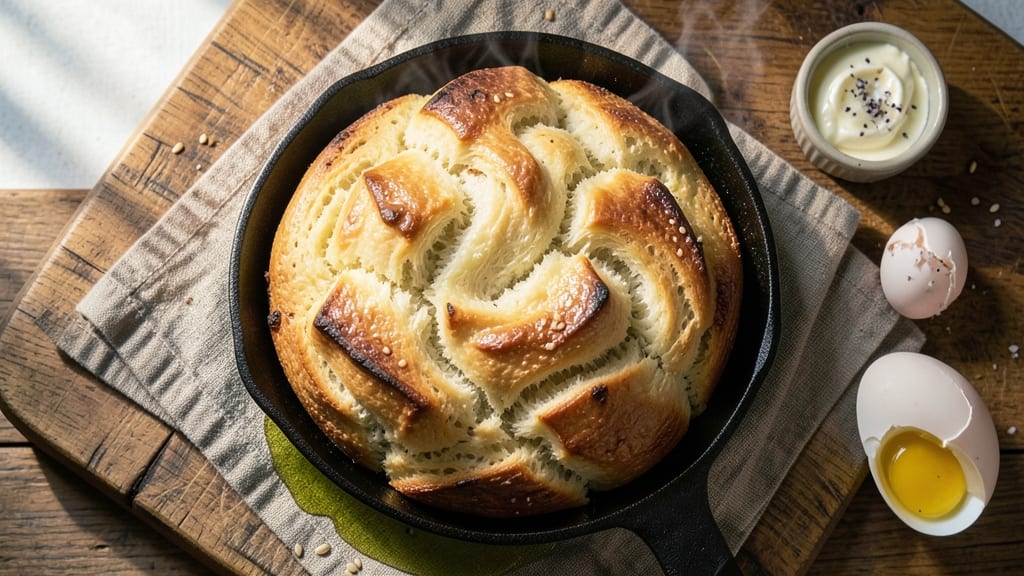
Creating a fluffy bread machine recipe that rivals artisanal bakery loaves is simpler than you think—with the right technique and ingredients, your bread machine can produce a light, airy loaf that's perfect for sandwiches or toast.
The secret lies in precise ingredient ratios and understanding how your machine's cycle affects dough development, ensuring a golden-brown crust and tender crumb. I've tested countless variations to perfect this method, and the results speak for themselves: a loaf that rises beautifully and stays fresh for days.
This recipe delivers restaurant-quality texture with minimal effort, thanks to the bread machine doing all the heavy lifting—kneading, proofing, and baking in one seamless process.
The key ingredients include high-quality flour, yeast, and a touch of sugar to encourage proper fermentation, while optional additions like seeds or honey can customize the flavor without compromising the loaf's structure. Whether you're a beginner or an experienced baker, this method ensures consistent, foolproof results every time.
The final product is a perfectly risen loaf with a crisp crust and an open, even crumb that's ideal for slicing. The bread machine's built-in sensors handle the timing and temperature precisely, eliminating guesswork and delivering a loaf that's ready in just 3 to 3.5 hours.
No need for manual kneading or proofing—this recipe simplifies the process while guaranteeing a fluffy, artisan-style result that impresses even skeptical family members.
For those who enjoy experimenting, you can easily adapt this recipe with whole grains, nuts, or sweeteners while maintaining the core structure. The bread machine's versatility makes it perfect for both everyday loaves and special occasions, proving that professional-quality bread is just a cycle away.
Let’s get started on creating your perfect loaf.
Ingredients for fluffy bread machine
Fourteen essential ingredients transform your bread machine into an artisan bakery—light, airy perfection every time.
| Ingredient | Amount | Notes |
|---|---|---|
| All-Purpose Flour 🌾 | 3 ½ cups | High-protein for better rise |
| Active Dry Yeast 🍞 | 2 ¼ tsp | Freshly opened for best results |
| Granulated Sugar 🍚 | 1 tbsp | Encourages yeast activation |
| Unsalted Butter 🧈 | ¼ cup | Cold, cubed for texture |
| Large Eggs 🥚 | 1 whole | Room temperature preferred |
| Warm Water 💧 | 1 cup | 110°F for ideal yeast activation |
| Diamond Crystal Kosher Salt 🧂 | 1 tsp | Fine grain for even distribution |
| Extra-Virgin Olive Oil 🫒 | 1 tbsp | For greasing the pan |
| Poppy Seeds 🌿 | 1 tbsp | Optional for texture |
| Honey 🍯 | 1 tsp | Optional for subtle sweetness |
The flour is non-negotiable here—King Arthur or Gold Medal deliver the protein and structure for that perfect rise. Yeast needs to be freshly opened; the expiration date on the package is your friend. Butter should be cold and cubed—this creates pockets of air for that tender crumb. Land O’Lakes unsalted is my go-to, but any cold, solid butter works. The water must be warm (110°F)—too hot and you kill the yeast, too cold and it won’t activate. I use an instant-read thermometer to check, but if you’re eyeballing it, it should feel like a warm bath, not scalding. Poppy seeds add crunch, but sesame or sunflower seeds work just as well if you’ve got them on hand.
No honey? Maple syrup at half the amount works beautifully. The olive oil is for greasing the pan—any neutral oil will do, but extra-virgin adds a subtle richness. If you’re making this in a 3-pound capacity machine, you can double the recipe without adjusting the pan size. The salt is critical—Diamond Crystal kosher dissolves evenly, but Morton’s works too. Just level it off carefully. For a whole wheat version, swap half the all-purpose flour for whole wheat pastry flour—it’s lighter and won’t weigh down the loaf. And if you’re worried about the yeast, proof it first in the warm water with a pinch of sugar before adding to the machine.
This loaf stays fresh for 5-7 days if wrapped tightly in plastic. For extra freshness, freeze half the loaf—it’ll last up to 3 months and reheats beautifully. I slice it thin for toast or thick for sandwiches, but the best part? It’s ready in 3 hours with zero effort. The crust gets crispier as it cools, so let it rest for at least 30 minutes before slicing. Store any extras in a bread box or paper bag to keep it soft. And if you’ve got leftovers, toast them—they taste even better the next day!
Why You'll Love This Recipe
- You already have everything: flour, yeast, sugar, butter, eggs. No specialty ingredients, no last-minute grocery runs. And since it keeps well, I bake two loaves at once—one for now, one for later. Budget-friendly? Absolutely. Lifesaver? Even more so.
- No-Knead Magic: I swear by this—just toss in the flour, yeast, sugar, and butter, hit start, and walk away. The machine does all the heavy lifting while you sip coffee or fold laundry. Honestly, I’ve made this on days when I couldn’t even boil water.
- Buttery Cloud Perfection: That egg and butter combo? It’s what turns this from good bread to ridiculously good bread. The crust stays soft for days, and the crumb is so light it practically melts in your mouth. (Yes, even on a Tuesday night.)
- Weeknight Hero: Freeze half the batch and toast it straight from frozen—no thawing, no fuss. It’s my go-to for breakfast sandwiches, garlic bread, or even a quick French toast hack. Between us, this recipe saved my sanity during the school lunch chaos.
Step-by-step instructions for hands-off artisan loaf
This method transforms your bread machine into a fluffy, golden masterpiece with minimal effort.
Prepare the Bread Machine Pan and Wet Ingredients
Lightly grease your bread machine pan with the 1 tablespoon extra-virgin olive oil, coating the bottom and sides thoroughly. This prevents sticking and creates that perfect pull-apart texture. In a separate bowl, whisk together the 1 cup warm water (tested at 110°F—too hot kills yeast, too cold slows activation), 1 tablespoon granulated sugar, and 1 teaspoon honey. The sugar and honey feed the yeast, while the warm water activates it instantly.
Next, add the 1 whole large egg and 0.25 cup cold unsalted butter (cut into small cubes) to the wet mixture. The cold butter creates pockets of air during kneading, giving that signature fluffy texture. Whisk until the butter melts slightly but still maintains some texture—this ensures even distribution in the dough. Set this mixture aside while you prepare the dry ingredients.
Combine Dry Ingredients and Add to the Machine
In the bread machine pan, combine the 3.5 cups all-purpose flour and 1 teaspoon diamond crystal kosher salt. Use your fingers to create small wells in the flour—this helps distribute the wet ingredients evenly when you pour them in. Sprinkle the 2.25 teaspoons active dry yeast over the flour mixture and gently stir with a wooden spoon to break up any clumps.
Here's the thing—this is where the magic begins. Pour the wet ingredient mixture into the pan and use the spoon to gently fold everything together until just combined. The dough should look shaggy but cohesive. Avoid overmixing—this develops gluten too early and can make the final loaf dense. If the dough seems too dry, add 1 tablespoon warm water at a time until it comes together when pressed.
Select the Right Setting and Let the Machine Work
Close the bread machine lid and select the "Basic White Bread" setting. This cycle typically lasts 3 to 3.5 hours, including kneading, rising, and baking. The machine will automatically handle the kneading phase—you'll hear it transition from mixing to kneading when the dough becomes smooth and elastic. If your machine has a "dough" setting, use it first for 20-30 minutes to develop the gluten before switching to the bread setting.
During the rising phase, you might hear the dough slap against the sides of the pan—that's normal and actually helps create that beautiful crust. The machine will then switch to baking mode. You'll know it's ready when the bread has a deep golden brown color and emits a hollow sound when tapped on the bottom. This usually happens 45-60 minutes into the baking phase, depending on your machine.
Add Poppy Seeds and Finish with Confidence
Once the bread is fully baked and has cooled for 10 minutes in the pan, remove it to a wire rack. While still warm, sprinkle the 1 tablespoon poppy seeds evenly over the top. The seeds add a delightful crunch and beautiful contrast against the soft, fluffy interior. Let the bread cool completely before slicing—this ensures clean cuts and prevents the loaf from falling apart.
This is the moment that matters: your bread should have a crisp, golden crust with a tender, airy crumb inside. The texture should be light enough to pull apart with your hands, and each slice should reveal an even, open grain pattern. If the crust isn't brown enough, next time brush the top with a little water before the final 10 minutes of baking for extra color. Store any leftovers in an airtight container for up to 3 days, or freeze for longer storage.
Pro Tips For Making Fluffy Bread Machine
- Use Room-Temp Butter: Cold butter pockets in dough mean dense bread—soften it first. Cut the butter into small cubes, then microwave for 10-15 seconds (or set it out while mixing) until just pliable. You want it to blend smoothly but not melt into a greasy mess.
- Measure Yeast Precisely: A heaping teaspoon of yeast is not accurate. Use a kitchen scale for 3-4 grams (1 tsp = ~3g), or scoop from the jar with a damp spoon—pack it down gently. Too much yeast = overproofed, gummy bread; too little = flat disappointment.
- Skip the Overmixing: Once the dough starts pulling away from the bowl, stop. Overworking gluten makes bread tough, even in a bread machine. If it feels sticky, let it rest 5 minutes before adding more flour—just a tablespoon or two at most.
- Proof Until Gentle: The dough should double in size and spring back slowly when poked. If it bounces right back, it’s underproofed; if it leaves a dent, it’s overproofed. For this recipe, aim for 1.5–2 hours in the machine’s proof setting—your machine’s display is your best guide.
Perfect pairings for these flavors
Butter Spreads
Whipped butter with a pinch of flaky sea salt and honey drizzle elevates every slice of this fluffy loaf.
I use Land O’Lakes unsalted butter softened to room temperature, then whipped with 1 teaspoon honey and ½ teaspoon Maldon sea salt—the contrast of sweet, salty, and creamy is pure magic.
For a tangy twist, mix in 1 teaspoon lemon zest and ½ teaspoon Dijon mustard to create a bright, zesty spread. 🧈
Jams and Preserves
This bread’s soft interior pairs beautifully with fruity preserves. My go-to is homemade strawberry jam (or Smucker’s unsweetened for convenience) spread thickly on warm slices. For a breakfast twist, try blackberry or raspberry jam—their tartness balances the bread’s mild sweetness.
If you prefer savory, fig jam with a sprinkle of crumbled goat cheese adds an unexpected gourmet touch.
Cheese Pairings
Sharp cheddar or brie transforms this bread into a sandwich masterpiece. I love aged cheddar (like Cabot) melted with a hint of honey mustard> for a sweet-spicy kick.
For a French-inspired twist, pair with triple-crème brie and thinly sliced pear>—the creaminess of the cheese complements the bread’s airy texture perfectly. 🧀
Sweet Toppings
Drizzle warm slices with warm caramel sauce> (homemade or Kraft store-bought) for an instant dessert. I also love Nutella> spread generously and toasted lightly—it melts into the bread’s soft crumb.
For a lighter option, top with sliced bananas> and a sprinkle of cinnamon> for a quick breakfast treat. The bread’s neutral flavor makes it a perfect canvas for sweet toppings.
Savory Sandwich Fillings
This loaf holds up beautifully in hearty sandwiches. My favorite combo is turkey breast>, Swiss cheese>, and mayonnaise> with a pinch of black pepper>—the fluffy texture soaks up the flavors without getting soggy.
For a vegetarian option, layer with hummus>, sliced cucumber>, and roasted red peppers>. The bread’s structure makes it ideal for cold cuts or grilled meats without falling apart.
Beverage Pairings
Sip on hot black coffee> or chai tea> to cut through the bread’s richness—both enhance its buttery, fluffy qualities. For a morning treat, pair with orange juice> to brighten the palate.
If you prefer something creamy, a latte> or hot chocolate> adds a cozy contrast. The bread’s mild sweetness also pairs well with sparkling water with lemon> for a refreshing lunch option.
Nutrition facts
Frequently asked questions
Why does my bread machine loaf turn out dense instead of fluffy?
Overmixing the dough or using too much flour can weigh it down. Always measure flour by scooping and leveling, and stop mixing once the dough becomes smooth and elastic. The 1 tbsp olive oil and cold butter create air pockets—don't skip them! Also, ensure your yeast is fresh (tested within 4 months) and the water is 110°F—too hot kills yeast, too cold slows activation.
Can I make this recipe without a bread machine?
Yes, but the texture won't be as consistent. Mix the dough by hand until elastic (about 8-10 minutes), let it rise for 1-2 hours until doubled, then shape and bake at 375°F for 25-30 minutes. For best results, use a Dutch oven to trap steam. The bread machine handles kneading and proofing automatically, which is key for that signature fluffiness.
How do I store leftover fluffy bread to keep it fresh?
Wrap the cooled loaf tightly in plastic wrap or place it in an airtight container. Store at room temperature for 2-3 days or freeze for up to 3 months. To revive stale bread, sprinkle with water and toast for 2-3 minutes at 350°F. For extra freshness, freeze slices individually—just thaw at room temperature before serving.
What if my bread machine doesn't have a \"Basic White Bread\" setting?
Use the \"Dough\" setting first for 20-30 minutes to develop gluten, then switch to \"Bake\" for 45-60 minutes at 350°F. If your machine has a \"Quick Bread\" option, reduce the cycle by 30 minutes but expect a denser result. Always monitor the dough's rise—it should double in size before baking begins.
Can I add whole wheat flour to this recipe?
Replace up to 50% of the all-purpose flour with whole wheat pastry flour for a nuttier flavor. Avoid regular whole wheat flour—it's too dense and can make the bread gummy. For best texture, reduce the water by 1-2 tablespoons and let the dough rise slightly longer (10-15 minutes extra) to compensate for the extra moisture in whole grains.