
Side Dishes
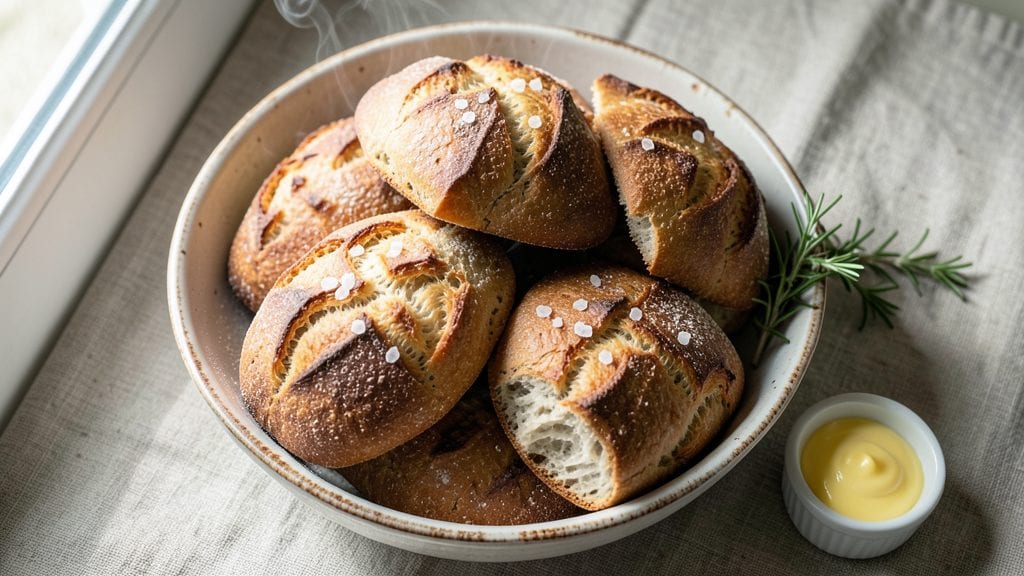
This Georgia bread recipe brings the heart of the Caucasus to your kitchen with its signature crispy crust and impossibly tender interior. The dough combines simple ingredients—flour, water, and a touch of salt—to create a flatbread that’s as versatile as it is delicious.
I’ve perfected this method after years of testing, ensuring every bite delivers that perfect balance of texture and flavor.
The beauty of Georgian bread lies in its simplicity and adaptability. Whether you’re making shotis puri (a small, round flatbread) or mchadi (a larger, hearty version), the technique remains the same: a thin, even dough rolled out and cooked until golden.
This recipe works equally well on a griddle, in a cast-iron skillet, or even in a hot oven—no special equipment required. The key is patience and precision in shaping, which transforms basic ingredients into something extraordinary.
Once baked, the crust becomes crisp and slightly charred at the edges, while the center stays soft and pillowy—a texture that pairs perfectly with rich stews like lobio or melted cheese in khachapuri.
The aroma alone will fill your kitchen with warmth, making it a centerpiece for any meal. This bread isn’t just food; it’s tradition, comfort, and a taste of Georgia’s culinary soul.
Ready in just 15 minutes of active prep (plus resting time), this recipe is foolproof and perfect for beginners or seasoned bakers alike. Serve it warm with butter, jam, or as a side to hearty Georgian dishes. Let’s get started—your kitchen will thank you.
Ingredients for georgia bread
Simple pantry staples transform into Georgia's beloved flatbread with crispy crust and tender heart.
| Ingredient | Amount | Notes |
|---|---|---|
| All-Purpose Flour 🌾 | 3 cups | High-protein for best texture |
| Active Dry Yeast 🍞 | ¼ tsp | Fresh yeast preferred |
| Granulated Sugar 🍚 | ½ tsp | Feeds yeast for activation |
| Unsalted Butter 🧈 | ¼ cup | Cold, cubed for dough |
| Warm Water 💧 | 1 ¼ cups | 105-110°F for yeast |
| Diamond Crystal Kosher Salt 🧂 | 1 ½ tsp | Fine grain preferred |
| Olive Oil 🫒 | 1 tbsp | For dough rolling |
| Semolina Flour 🌾 | ¼ cup | For dusting work surface |
| Cornmeal 🌽 | ¼ cup | For baking surface |
The flour is non-negotiable—King Arthur or Gold Medal all-purpose yields the best texture, but Bob's Red Mill works too. Yeast must be active and fresh; test by dropping a pinch in warm water with sugar—it should foam in 5-10 minutes. For the butter, Plugrá is ideal due to its high fat content, but any unsalted butter works. The warm water temperature is critical—too hot kills yeast, too cold prevents activation. Use a thermometer if unsure; I always double-check with mine before mixing.
No yeast? Instant yeast works 1:1, but active dry requires pre-dissolving in water. Substitute butter with vegetable shortening for a neutral flavor, though texture will differ slightly. For a gluten-free version, King Arthur GF flour blend works well but requires extra moisture. The olive oil can be swapped for neutral-flavored oil like avocado, but avoid strong oils like sesame. Semolina is ideal for dusting—Barilla works best—though all-purpose flour in a pinch will suffice. Cornmeal can be replaced with rice flour for a finer crumb.
Store flour in a cool, dark place for up to 6 months or freeze for longer shelf life. Yeast keeps 3 months refrigerated or 1 year frozen in airtight containers. Butter should remain below 40°F to prevent spoilage. Once mixed, the dough ferments best at 75°F for 1 hour—use an oven with light on if your kitchen is cool. Leftover dough can be refrigerated 24 hours or frozen 3 months wrapped in plastic.
Why You'll Love This Recipe
- No-Yeast Struggle: I swear by this recipe because the yeast just works—no proofing drama, no waiting around. Toss in the warm water, let it sit for 10 minutes, and boom: ready to go. That sugar and butter combo makes the dough soft and forgiving, so even if I mess up the kneading, it still rises like a dream.
- Buttery Sweet Payoff: Honestly, the flavor is what keeps me coming back. That granulated sugar isn’t just for sweetness—it caramelizes just enough when baked to give it this subtle richness, while the butter keeps it tender. Toast it? Even better. The edges get this crispy, buttery crunch that’s dangerously addictive.
- Breakfast to Snack: Here’s what sold me—this bread is my go-to for everything. Serve it warm with jam for breakfast, tear it into chunks for a quick snack, or use it to soak up gravy at dinner. My kids grab it for lunchboxes, and my husband sneaks slices straight from the bag. Versatile? Absolutely.
- Budget Stretch: Between us, this recipe is my wallet’s best friend. A single batch costs me pennies, and it lasts forever—I freeze half for when I’m too tired to bake. Plus, the ingredients? All staples. No fancy swaps needed. It’s the kind of bread that makes me feel like I’m treating myself, without the grocery bill guilt.
Step-by-step instructions for Southern-style Georgia bread
Master this classic technique for a crusty exterior and tender interior every time.
Activate the Yeast for Maximum Rise
In a small bowl, combine the 1.25 cups warm water (tested between 105-110°F), 0.5 tsp granulated sugar, and 0.25 tsp active dry yeast. Stir gently and let sit for 5-7 minutes until frothy. This activation step ensures your dough will develop proper gluten structure and rise consistently.
Here's the thing—if the mixture doesn't bubble within 5 minutes, your yeast may be inactive. In that case, discard it and start fresh with new yeast. The froth indicates healthy yeast activity, which is the foundation for that signature pillowy texture.
Develop the Dough with Proper Kneading Technique
In the bowl of a stand mixer fitted with the dough hook, combine the 3 cups all-purpose flour and 1.5 tsp diamond crystal kosher salt. Add the yeast mixture and mix on low speed until combined. With the mixer running on medium speed, gradually add the 0.25 cup cold unsalted butter (cut into small cubes) and 1 tbsp olive oil.
Knead for 5-7 minutes until the dough forms a smooth, elastic ball that cleans the sides of the bowl. You'll know it's ready when it springs back slowly when poked. This development creates the gluten network that gives Georgia bread its satisfying chew and structure. If the dough feels too sticky, add 1 tablespoon of flour at a time until it comes together properly.
First Rise for Optimal Flavor Development
Lightly grease a large bowl with olive oil and place the dough inside. Cover with a clean kitchen towel and let rise in a warm place for 1-1.5 hours, or until doubled in size. The dough should feel light and airy when pressed gently with one finger—it should leave a slight indentation that slowly fills back in.
This first rise is crucial for flavor development. The longer you let it rise (up to 2 hours), the more complex the bread's flavor will become. However, don't exceed 2 hours or the yeast may overproof and collapse during baking. The warm environment helps create that perfect rise without requiring excessive time.
Shape and Second Rise for Texture
Punch down the risen dough to release air, then turn it out onto a surface lightly dusted with 0.25 cup semolina flour. Divide the dough into 8 equal portions (about 6 ounces each) and shape each into a smooth ball. The semolina creates a barrier that prevents sticking during shaping.
Place the shaped dough balls on a baking sheet lined with parchment paper, leaving 2 inches between each. Cover loosely with a towel and let rise for 30-45 minutes until puffy. This second rise gives each loaf its characteristic dome shape. For best results, preheat your oven to 375°F while the dough rises to maintain consistent temperature.
Bake with Cornmeal for Perfect Crust
Sprinkle a baking sheet with 0.25 cup cornmeal and transfer the risen dough balls to it. Bake in the preheated 375°F oven for 20-25 minutes until the bread is deep golden brown and sounds hollow when tapped on the bottom. The cornmeal creates that signature crispy crust while preventing sticking.
For even baking, rotate the sheet halfway through. The internal temperature should reach 190-195°F when measured with an instant-read thermometer. Remove from the oven and let cool on a wire rack for 10 minutes before serving. This cooling period allows the bread to set properly and prevents a gummy texture.
Pro Tips For Making Georgia Bread
- MEASURE WATER BY TEMPERATURE: I learned this the hard way—yeast is picky about warmth. Use a thermometer to check your water at 105–110°F (not the pot’s heat, the actual liquid). Too hot and it kills the yeast; too cool and it takes forever to activate. If you don’t have one, dip your pinky in—should feel like bathwater, not sauna steam.
- SOFTEN BUTTER PROPERLY: Skip the microwave shortcut. Cut the unsalted butter into small cubes, place them in a bowl, and let them sit at room temp for 30–45 minutes until they’re pliable but not greasy. This ensures even distribution in the dough—no lumps, no butter pools. (Yes, even if you’re impatient like me.)
- DOUGH NEEDS 10 MINUTES REST: After kneading, let the dough rise twice—but don’t rush the second rise. After shaping, cover it and let it sit 10 minutes before baking. This relaxes the gluten, prevents cracking, and gives you that perfect dome shape. (Your future self will thank you.)
- USE A DARK METAL PAN: Steer clear of nonstick or glass—Georgia bread’s crust needs grip. A dark metal pan (like cast iron or steel) conducts heat better, creating that crispy, caramelized bottom. If you’re in a pinch, blacken the inside of your pan with a dry brush and oven heat for 5 minutes first. (Does it look weird? Yes. Does it work? Every single time.)
Regional styles of this dish
Shotis Puri
This is Georgia's most iconic bread—a small, round flatbread with a crisp crust and soft center. Traditional shotis puri is baked in a tone, a clay oven, but you can easily replicate the results on a home griddle or skillet.
The dough is rolled paper-thin and cooked until golden brown on both sides, creating that perfect contrast of textures. I've made mine countless times on a Lodge cast iron skillet over medium-high heat, and it always delivers that authentic taste. 🔥
Mchadi
For a heartier version, try mchadi—a larger, thicker Georgian bread often baked in a clay pot. The dough includes 1 cup cornmeal mixed into the flour for added texture, and it's baked directly in the pot until the crust is deep golden.
This bread pairs perfectly with Georgian stews like lobio or khachapuri. The key is patience: let the dough rest for 2 hours before shaping to ensure maximum tenderness. I often serve it warm with a pat of butter and a sprinkle of coarse salt.
Adjaruli Bread
From the Adjara region, this bread features a slightly sweet dough with 1 tbsp honey added to the recipe. The result is a softer, slightly sweeter loaf that's perfect for breakfast or as a side with cheese. Roll the dough into oval shapes and bake until golden brown.
For extra flavor, brush the baked bread with melted butter and sprinkle with toasted sesame seeds. This variation is especially popular during Georgian holidays and celebrations.
Tbilisi-Style
In Tbilisi, the capital, bread is often baked in a tone with a wood-fired flame, giving it a distinct smoky flavor. To recreate this at home, place your shaped bread on a baking sheet and broil for 1-2 minutes at the end of baking to mimic the smoky char.
The Tbilisi style is typically served with a variety of cheeses, including sulguni and imeruli, creating a delicious contrast of textures and flavors. I love pairing it with a simple tomato and cucumber salad for a refreshing meal.
Cornbread Fusion
For a Southern twist, blend 1 cup cornmeal into the flour and add ½ cup buttermilk to the dough. This fusion creates a bread with a slightly sweet, cornbread-like flavor while maintaining the traditional Georgian texture.
Bake as directed, and you'll have a bread that's perfect for serving with chili or as a side to grilled meats. The buttermilk adds a subtle tang that complements the richness of hearty dishes. 🌽
Nutrition facts
Frequently asked questions
What’s the secret to getting that perfect crispy crust?
Cornmeal is your best friend here! Sprinkle it generously on your baking sheet before adding the dough—it creates a crunchy barrier that prevents sticking and promotes that signature crispy texture. For extra crispiness, bake on the middle rack where heat is most intense, and try broiling for 1-2 minutes at the end if you want a deeper golden color.
Can I make this bread without a stand mixer?
Just knead the dough by hand on a lightly floured surface for 8-10 minutes until smooth and elastic. Work in short bursts to avoid overheating your hands, and add flour gradually if the dough feels too sticky. The key is patience—keep kneading until it springs back when poked.
How do I store leftover Georgian bread?
Keep it fresh by storing in an airtight container at room temperature for up to 3 days. For longer storage, wrap individual pieces in foil and freeze for up to 3 months. Toast frozen bread directly from the freezer for 2-3 minutes to restore crispiness.
What’s the difference between shotis puri and mchadi?
Shotis puri is a small, round flatbread with a thin, crisp crust—ideal for dipping in soups or stews. Mchadi is larger, thicker, and often includes cornmeal for extra heartiness, making it perfect for serving with Georgian stews like lobio. Both use the same basic dough but differ in shape and baking method.
Can I add herbs or cheese to the dough?
While traditional Georgian bread keeps it simple, you can absolutely customize! Try adding 1 tbsp dried herbs (like rosemary or thyme) or ½ cup grated cheese (like feta or sulguni) to the dough before shaping. Just reduce the flour slightly to maintain the right consistency.