
Side Dishes
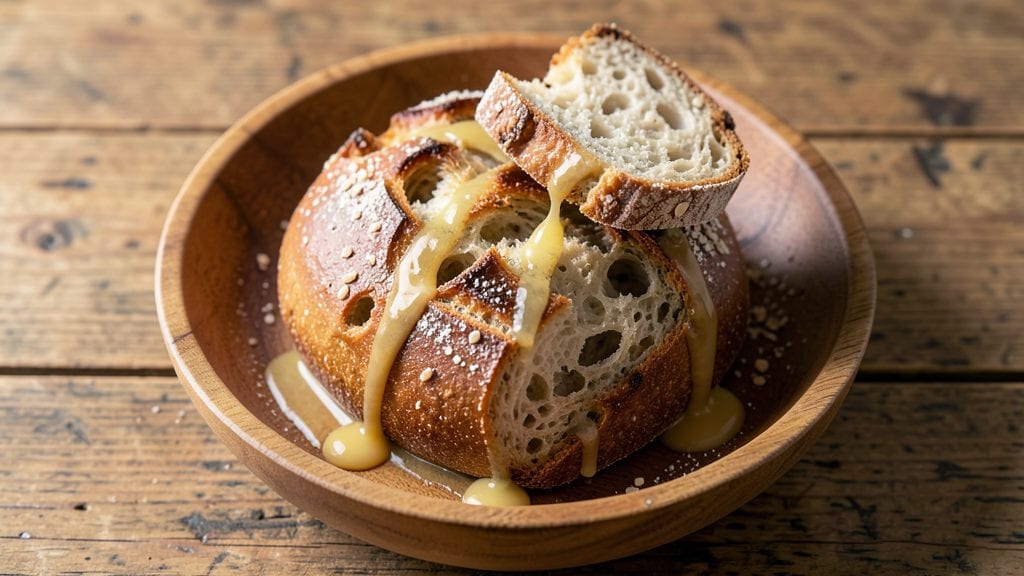
This Guinness sourdough bread recipe transforms a classic artisanal loaf into a rich, malty masterpiece with deep caramel notes and a chewy interior—perfect for pairing with stews or simply enjoying toasted.
The secret lies in the dark stout's ability to deepen flavor while creating a signature dark crust and moist crumb, a technique I perfected after years of experimenting with sourdough variations.
What sets this apart is how the Guinness replaces some water in the starter, creating a ferment that's both robust and balanced.
The process begins with a robust sourdough starter, where Guinness replaces half the water to develop its signature depth. From there, the dough incorporates the stout in both the starter and final mix, resulting in a bread that's darker, richer, and more complex than traditional sourdough.
Professional bakers know that Guinness's maltiness enhances fermentation while adding a subtle sweetness that carries through baking.
By the time this loaf emerges from the oven, you'll have a dark malty crust that crackles with caramelized notes and a chewy core infused with Guinness's signature depth. The aroma alone—smoky, slightly sweet, with hints of coffee—will transform your kitchen into a pub-style bakery.
This recipe delivers restaurant-quality results with a method that's precise yet approachable, even for home bakers.
Whether you're serving it alongside hearty Irish stews or enjoying it fresh from the oven, this Guinness sourdough becomes the star of any meal.
The key to success lies in proper fermentation times and baking techniques, which I'll walk you through step by step to ensure every loaf turns out perfectly. Let's get started on creating this unforgettable bread.
Ingredients for guinness sourdough bread
Four cups flour, one cup Guinness, and a touch of magic transform into this dark malty sourdough masterpiece.
| Ingredient | Amount | Notes |
|---|---|---|
| Active Sourdough Starter 🍞 | ½ cup | 100% hydration, fed and bubbly |
| Guinness Draught 🍺 | 1 cup | Freshly chilled, not warmed |
| All-Purpose Flour 🌾 | 4 cups | Bread flour preferred for chewiness |
| Whole Wheat Flour 🌾 | 1 cup | For added depth and texture |
| Granulated Sugar 🍚 | ½ cup | Brown sugar for deeper caramel notes |
| Unsalted Butter 🧈 | ½ cup | Cold, cubed for dough enrichment |
| Diamond Crystal Kosher Salt 🧂 | 1 ½ tsp | Fine grain for even distribution |
| Instant Yeast 🍞 | ½ tsp | For reliable fermentation |
| Malt Powder 🌾 | 1 tbsp | Enhances fermentation and flavor |
| Cornmeal 🌽 | ¼ cup | For dusting and crust development |
| Water 💧 | 1 ½ cups | Room temperature, filtered preferred |
| Honey 🍯 | 1 tbsp | For final crust brushing |
The Guinness is non-negotiable here—freshly chilled draught from the fridge gives the best results, not warmed or opened weeks ago. Local craft breweries often have it on tap if your grocery store's selection is flat. For the flours, King Arthur bread flour is my go-to for that perfect chew, but Bob's Red Mill works too. The whole wheat adds character but don't exceed 20% or your dough gets sticky. Pro tip: weigh your flours if you can—King Arthur's scale is my kitchen workhorse for this reason. The sourdough starter should be at its peak—fed 4-6 hours before use and bubbly like champagne.
No Guinness? Dark stout or porter works in a pinch, but expect slightly less depth. Running low on bread flour? All-purpose plus 1 tbsp vital wheat gluten mimics the protein structure. The malt powder is key for that signature sourdough flavor—substitute with 1 extra tbsp flour if you're missing it, but your bread will taste different. For the butter, European-style has higher fat content (82%+) which improves texture. Prefer plant-based? Miyoko's cultured vegan butter works surprisingly well. And if you're baking in a dry climate, add 1 tsp apple cider vinegar to the dough for extra moisture.
This dough needs 24-48 hours of cold proofing for optimal flavor development—plan ahead. Store shaped loaves in a flour-lined cotton bag at room temp for up to 3 days or freeze for 3 months. The crust gets crunchier as it cools, so slice while still warm if you want that perfect texture. For leftovers, toast with extra butter—the malty notes sing when caramelized. And save those crust scraps: they make killer croutons or breadcrumbs for future baking.
Why You'll Love This Recipe
- No-Knead Magic: I swear by this—just mix, rest, and bake. The Guinness does all the work for you, giving that rich depth without extra effort.
- Deep, Dark Comfort: That first bite? Malty, slightly sweet, with a crust so crisp it snaps. The whole wheat adds a nutty bite that balances the Guinness perfectly.
- Weeknight or Weekend: Toss a loaf in the oven while you simmer stew or roast veggies—it’s ready when you are. Honestly, I make it for Sunday breakfast or Friday takeout, no judgment.
- Budget-Friendly Feast: A single batch stretches for toast, sandwiches, or croutons for days. Between us, this is my go-to when I’m buying flour in bulk but want something special.
Step-by-step instructions for Guinness sourdough bread
Here's the method—where rich Guinness meets sourdough magic for that signature dark crust and chewy interior.
Mix the Starter and Hydrate the Flours
In a large mixing bowl, combine the 0.5 cup active sourdough starter with the 1 cup Guinness Draught and 1.5 cups water. Stir until fully incorporated, then add the 4 cups all-purpose flour and 1 cup whole wheat flour. Mix with a wooden spoon or dough whisk until a shaggy dough forms—it should look sticky but cohesive.
Here's the thing—this dough will be wetter than traditional sourdough because of the Guinness. That's actually what creates the signature open crumb and moist texture. Let the dough rest for 10 minutes while you prepare the next components. This brief rest allows the flour to hydrate and the gluten to begin relaxing, making the next steps easier.
Add Fat, Sugar, and Leavening Agents
Cut the 0.5 cup unsalted butter into small cubes and add them to the dough. Use your hands or a dough scraper to work the butter into the mixture until it's fully incorporated. The butter should begin to melt slightly from the warmth of the dough, enriching it with flavor and tenderness.
In a separate small bowl, whisk together the 0.5 cup granulated sugar, 1.5 tsp diamond crystal kosher salt, 0.5 tsp instant yeast, and 1 tbsp malt powder. Sprinkle this dry mixture evenly over the dough and fold it in using your hands. The malt powder here isn't just for flavor—it enhances fermentation by providing enzymes that break down complex sugars, giving your bread that extra depth.
Develop the Dough Through Bulk Fermentation
Turn the dough onto a lightly cornmeal-dusted surface and perform a series of stretch-and-folds every 30 minutes for 2 hours. To do this, wet your hands slightly, grab one side of the dough, stretch it upward, and fold it over itself. Rotate the bowl and repeat, working all sides. This builds gluten structure without overworking the dough—you're looking for smooth, elastic strands forming.
After the final stretch-and-fold, shape the dough into a loose round and place it back in the bowl. Cover with a damp towel and let it ferment at room temperature for 4-6 hours, or until it has roughly doubled in size and is jiggly when gently pressed. The Guinness will make this fermentation slower than usual, so patience is key. You'll know it's ready when the dough springs back slowly when poked—like a well-set Jell-O.
Shape and Proof the Loaf
Lightly dust your work surface with 0.25 cup cornmeal and turn out the dough. Gently deflate it and shape into a tight round boules by pulling the edges toward the center and tucking them under. Place the shaped dough seam-side down in a well-floured banneton or bowl, cover with plastic wrap, and refrigerate overnight for 8-12 hours. This cold proof slows fermentation further, intensifying the flavors and creating that signature open crumb structure.
Here's where the magic happens: the cold proof allows the gluten to relax and the flavors to meld. When you remove the dough from the fridge, it should have puffed up noticeably. If it hasn't doubled, don't worry—it will continue rising in the oven. The cold also helps prevent overproofing, which can lead to a dense loaf.
Bake for a Dark, Malty Crust
Preheat your oven to 425°F with a Dutch oven inside for at least 45 minutes. This intense preheating is crucial for creating that dark, crackly crust. Carefully transfer the dough to a parchment-lined baking sheet, score the top with a sharp razor in a crosshatch pattern, and immediately place it in the hot Dutch oven.
Bake covered for 30 minutes, then remove the lid and bake for another 15-20 minutes until the bread reaches an internal temperature of 205-210°F and the crust is deep mahogany in color. The scoring allows the bread to expand properly and creates those beautiful steam vents. Brush the hot loaf with 1 tbsp honey immediately after removing it from the oven for that glossy finish.
Let the bread cool on a wire rack for at least 1 hour before slicing—this prevents the crust from becoming gummy. The interior should be chewy with an open crumb structure, and each slice should reveal that rich Guinness flavor throughout. The longer it cools, the more the flavors will develop, so resist the urge to cut into it immediately.
Pro Tips For Making Guinness Sourdough Bread
- Chill the Mix First: After adding Guinness to your dough, let it sit for 10 minutes before mixing—this prevents the alcohol from evaporating too fast and weakens your gluten structure. I learned this the hard way when my first batch turned out gummy instead of chewy.
- Use Cold Guinness: Reach for a chilled bottle of Guinness straight from the fridge—room temperature beer introduces too much warmth, which can overproof your starter before mixing. Sounds weird, but it works: your dough will behave better during bulk fermentation.
- Skip the Whole Wheat Rush: Whole wheat flour absorbs moisture like a sponge, so add it gradually during mixing (about 20% of the total flour) and let the dough rest 15 minutes before shaping. I was skeptical until I tried it—now my loaves bake evenly without cracking.
- Steam the First 10 Minutes: Place a metal bowl of boiling water on the oven rack before baking—this creates steam that mimics a professional bakery’s environment. No weird contraption needed; just a bowl and a lid on your dough for that perfect crust. (Yes, even if you’re impatient like me.)
Perfect pairings for this guinness sourdough bread
Pub-Style Pairings
This Guinness sourdough shines alongside classic Irish pub fare. Serve it warm with Irish stew—the bread's chewy texture soaks up the rich broth beautifully. I love pairing it with corned beef and cabbage too; the malty crust contrasts perfectly with the briny meat.
For a lighter option, try it with smoked salmon and cream cheese on a bagel board. 🍺
Cheese and Charcuterie
Create a board with aged cheddar, blue cheese, and Gouda to complement the bread's depth. Add Irish smoked ham or prosciutto for salty contrast, and finish with fig jam or honey to balance the richness.
The Guinness notes in the bread enhance the earthiness of the cheese pairings. 🧀
Breakfast Spreads
Toast thick slices and top with butter and jam, or go savory with scrambled eggs, crispy bacon, and sautéed mushrooms. The bread's open crumb structure holds up perfectly to these toppings.
For a sweet twist, try Nutella and banana slices—the malty flavor pairs surprisingly well with chocolate. 🍳
Beverage Pairings
Guinness sourdough practically demands stout beers—serve with Guinness Draught or dark porter to amplify the bread's flavors. For non-alcoholic options, chocolate milk or black coffee work wonderfully. The bitterness in coffee enhances the bread's caramelized crust. ☕
Sandwich Potential
Use this bread for Reuben sandwiches—the Guinness flavor complements the sauerkraut and corned beef perfectly. Try it with grilled cheese using sharp cheddar and caramelized onions for a decadent lunch. The dense texture holds up to these hearty fillings without falling apart. 🥪
Dessert Complements
Pair with dark chocolate desserts like molten lava cake or chocolate pudding to highlight the bread's malty notes. A simple vanilla ice cream with a slice of toasted bread creates a comforting treat. The contrast between sweet and malty makes every bite exciting. 🍫
Nutrition facts
Frequently asked questions
Why does Guinness make sourdough bread darker?
The dark stout contains melanoidins, natural compounds that caramelize during baking and create that signature mahogany crust. The maltiness in Guinness also deepens the bread's color while adding complex flavors. Think of it as a natural food coloring that enhances both appearance and taste!
Can I substitute Guinness with another dark beer?
Yes, but expect different results. Dark stouts or porters work best, though they may lack Guinness's specific malt profile. For authentic flavor, use Guinness Draught—the nitrogenation process gives it unique mouthfeel. If substituting, reduce to 0.75 cup to avoid excessive moisture in the dough.
How do I know when my sourdough starter is ready for this recipe?
Your starter should be 100% hydration, bubbly, and have passed its peak (when it floats in water but isn't collapsing). For Guinness sourdough, feed it 4-6 hours before use—the Guinness's acidity makes fermentation slower, so it needs extra time to develop. A starter that smells like yeasty apples and looks like cauliflower is perfect.
Why did my bread turn out dense instead of chewy?
This usually happens from overproofing or underbaking. Guinness slows fermentation, so monitor your dough closely—it should spring back slowly when poked (like Jell-O). Also ensure your oven reaches 425°F before baking and bake until internal temp hits 205-210°F. A Dutch oven helps create steam for proper oven spring.
Can I make this bread without a Dutch oven?
Use a baking stone with a metal bowl inverted over it to trap steam. Preheat both for 45 minutes before baking. If you don't have either, bake on a sheet pan with a water pan on the lower rack to add moisture. The crust will be slightly less crackly but still delicious.