
Side Dishes
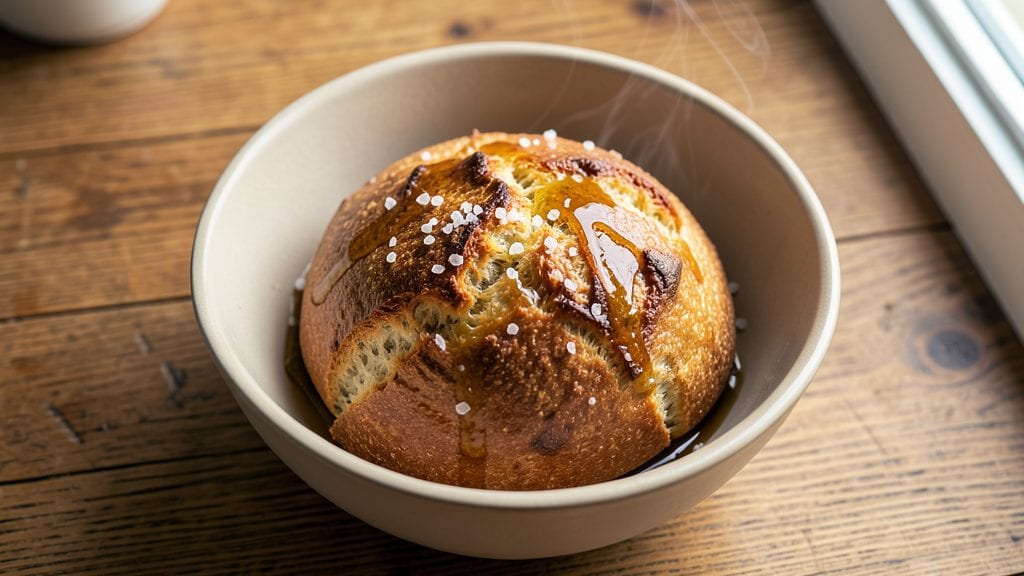
Creating King Arthur Measure for Measure Bread transforms simple ingredients into a rustic loaf with an open crumb and golden crust—exactly what you’d expect from a professional bakery. This no-knead method relies on precise measurements and patience, but the results are worth every minute.
I’ve baked dozens of loaves using this recipe, and each one turns out with a perfect rise and tender texture.
The beauty of this recipe lies in its simplicity: just flour, yeast, water, salt, and a touch of honey to feed the yeast. King Arthur’s Measure for Measure mix ensures consistent hydration and rise, eliminating guesswork.
The dough develops flavor as it ferments overnight, creating a loaf that’s both hearty and delicate. For best results, use a digital scale to measure ingredients accurately—precision is key.
By morning, your dough will be ready to shape into a rustic loaf, scored with a sharp razor for that classic bakery look. A 450°F oven brings out the best in this bread, with a crisp crust and soft interior.
The aroma alone will have everyone gathering around the table, and the texture—crusty outside, tender inside—makes it perfect for sandwiches or serving with butter.
Store-baked loaves in a paper bag at room temperature for up to 3 days, or freeze for longer storage. This recipe delivers restaurant-quality bread at home, with minimal effort and maximum reward. Let’s get started on your perfect loaf.
Ingredients for king arthur measure for measure bread
Five simple ingredients transform into restaurant-quality bread with perfect rise and texture.
| Ingredient | Amount | Notes |
|---|---|---|
| King Arthur Measure for Measure Flour 🌾 | 4 cups | Ensures consistent hydration and rise |
| Active Dry Yeast 🍞 | ¼ oz | Or 2 1/4 tsp, ensure fresh |
| Granulated Honey 🍯 | 1 tbsp | Feeds yeast, use raw if possible |
| Warm Water 💧 | 2 ½ cups | 105-110°F, not boiling |
| Kosher Salt 🧂 | 1 ½ tsp | Diamond Crystal preferred |
| Olive Oil 🫒 | 2 tsp | Extra-virgin for richness |
| Cornmeal 🌽 | ½ cup | For dusting and shaping |
| Coarse Sea Salt 🧂 | 1 tsp | For scoring and finishing |
| Ice Water ❄️ | ½ cup | For shaping and handling |
King Arthur’s Measure for Measure mix is a game-changer—it eliminates hydration guesswork and delivers consistent results every time. Grab a 5-pound bag from their website or your local grocery store’s baking aisle. The yeast? Freshness matters—check the date on the package, and if it’s been sitting in your pantry for months, toss it. Honey isn’t just sweetening here—it’s feeding the yeast, so raw, unprocessed honey works best if you’ve got it. For the water, use a thermometer to hit that 105-110°F sweet spot—too hot and you’ll kill the yeast, too cold and it won’t activate properly. I keep a small thermometer just for this purpose.
No Measure for Measure flour? All-purpose flour plus 1 tsp vital wheat gluten per cup gets you close, but the texture won’t be quite as open. Ran out of honey? Maple syrup at the same amount works in a pinch, though it’ll add a subtle flavor. Short on olive oil? Melted coconut oil or butter (cooled to room temp) does the trick, but olive oil’s fruity notes are worth it. The cornmeal is non-negotiable for shaping—it prevents sticking and gives that classic rustic look. No coarse sea salt? Flaky Maldon is ideal, but regular sea salt crushed in a mortar and pestle works too.
This dough is all about patience—let it ferment overnight for maximum flavor. Store the shaped loaf in a paper bag at room temperature for up to 3 days, or freeze for 3 months. For reheating, wrap cooled loaves in foil and warm at 300°F for 10 minutes. The crust gets crispier the second day, so plan ahead. I always bake two loaves—one for the table, one for freezing. The aroma alone will have your whole house gathering around the table.
Why You'll Love This Recipe
- This bread handles everything: toast for breakfast, sandwiches for lunch, or crusty sides for dinner. My kids grab it for school lunches, and I still sneak bites straight from the loaf.
- No-Fuss Dough: That "Measure for Measure" flour does all the heavy lifting—no kneading, no guesswork. Just toss in the yeast, honey, and warm water, let it rise while you sip coffee, and boom: bread with zero fuss.
- Honey-Sweet Crust: The granulated honey isn’t just for flavor—it caramelizes into a golden, buttery crust that cracks open like a fresh-baked dream. (Yes, even when I forget to brush it with extra honey.)
- Weeknight Workhorse: This bread handles everything: toast for breakfast, sandwiches for lunch, or crusty sides for dinner. My kids grab it for school lunches, and I still sneak bites straight from the loaf.
Step-by-step instructions for no-knead rustic loaf with perfect rise
Here's how to achieve an incredible, airy loaf using King Arthur's special flour.
Activate the Yeast with Honey and Warm Water
In a medium bowl, combine the 2.5 cups warm water (between 105-110°F) with the 1 tablespoon granulated honey. Stir until the honey dissolves completely - this creates an ideal environment for your yeast. Sprinkle the 0.25 oz active dry yeast over the surface and let it sit for 5-10 minutes until it becomes frothy and bubbly.
This step is crucial - if your yeast doesn't activate, your bread won't rise. The honey not only feeds the yeast but also adds subtle sweetness to the final loaf. If you don't see bubbles forming within 10 minutes, your yeast may be inactive, and you'll need to start over with fresh yeast.
Mix the Dough with Olive Oil and Salt
Add the 4 cups King Arthur Measure for Measure Flour to the yeast mixture. Stir with a wooden spoon until a shaggy dough forms. Drizzle in the 2 teaspoons olive oil and add the 1.5 teaspoons kosher salt, mixing until just combined. The dough will be sticky but shouldn't require flour to handle - that's the beauty of this special flour.
I like to use my hands for this part, gently folding the dough to distribute everything evenly. The olive oil adds richness while the salt enhances all the flavors. Don't be tempted to add extra flour here - the dough needs to remain hydrated for that perfect open crumb structure we're after.
Shape and Rest for Optimal Development
Lightly dust a clean surface with 0.5 cup cornmeal and turn out the dough. Gently shape it into a loose round by folding the edges toward the center. Place the dough seam-side up in a lightly greased bowl, cover with a damp towel, and let it rest at room temperature for 12-18 hours. This long fermentation develops incredible flavor and texture.
Here's where the magic happens - the slow fermentation allows the gluten to relax and the flavors to meld. I recommend setting a timer so you don't forget about it. The dough should roughly double in size and have some bubbles visible on the surface when ready. If your kitchen is cold, it may take the full 18 hours.
Shape and Score for Crispy Crust
After the initial rise, turn the dough out onto a floured surface and gently shape it into a round loaf. Place it on a parchment-lined baking sheet and dust with 0.5 cup ice water to create a thin film on the surface. This helps with oven spring. Let it rest for 30 minutes while you preheat your oven to 425°F.
Just before baking, use a sharp knife or lame to score the top of the loaf with a few diagonal cuts. This prevents the bread from bursting open in the oven and creates those beautiful crusty edges. The ice water creates steam when it hits the hot oven, giving you that perfect crispy crust we all love.
Bake to Golden Perfection
Bake the loaf for 35-40 minutes until it reaches an internal temperature of 205-210°F and the crust is deep golden brown. You'll hear a hollow sound when you tap the bottom - that's your cue it's done. For best results, I like to bake on the middle rack where the heat is most even.
This is where all your hard work pays off. The bread should have a crispy crust with a slightly crispy bottom from the baking sheet. Let it cool on a wire rack for at least 1 hour before slicing - this allows the crumb to set properly. The longer you wait, the better each slice will be, with that perfect open crumb structure we're after.
Pro Tips For Making King Arthur Measure For Measure Bread
- Bloom Yeast in Honey: Mix the yeast with honey first, then add warm water—this keeps your starter active faster. I used to skip this, and my dough took twice as long to rise. The honey’s natural sugars give the yeast a head start.
- Weigh Your Flour: Measure for Measure flour is not like all-purpose—it’s lighter and absorbs differently. Use a kitchen scale for accuracy, or spoon-and-level if you’re stuck. Trust me, your dough’s texture will be more consistent.
- Skip the Over-Kneading: This dough is forgiving, but don’t turn it into a workout. Knead just until the gluten pulls away from the bowl—about 8-10 minutes by hand. Overwork it, and you’ll end up with a dense, chewy loaf.
- Proof in a Warm Drawer: If your kitchen’s too cold, toss a damp towel in a microwave for 30 seconds, then stuff it in a drawer with your dough. It’ll rise faster and more evenly than leaving it on the counter. (Yes, even if you’re impatient like me.)
Make-ahead tips for king arthur measure for measure bread
Overnight Prep Advantage
The real secret to this bread isn't the recipe—it's the overnight fermentation. Shape your dough in the evening, cover it with a damp towel, and let it rest at room temperature for 12-18 hours.
This slow fermentation develops deeper flavor and a lighter crumb than quick-rise methods. I always set a timer so I don't forget about it—trust me, the wait is worth it. 💫
Freezing for Future Loaves
Baked loaves freeze beautifully for up to 3 months with minimal quality loss. Wrap cooled loaves tightly in plastic wrap, then place in a ziplock freezer bag with all air squeezed out.
Label with the date and freeze flat to save space. When ready to eat, thaw at room temperature for 2 hours or warm directly from frozen at 300°F for 15 minutes.
Batch Baking Strategy
Double the recipe and bake two loaves at once—they fit perfectly on a half-sheet pan with parchment between them. Store one at room temperature and freeze the second.
This ensures you always have fresh bread on hand without last-minute baking stress. I keep a King Arthur bread bag in my freezer for easy storage and reheating.
Reheating Perfection
For that bakery-fresh crunch, reheat slices wrapped in foil at 350°F for 5-7 minutes. The foil traps steam, restoring moisture to the crust. Alternatively, toast slices in a cast-iron skillet over medium heat for 1-2 minutes per side—this adds a crispy exterior without drying out the interior. 🔥
Storage Hacks
Keep baked loaves in a paper bag at room temperature to maintain freshness for 3 days. The paper bag mimics a bakery environment by trapping moisture. Avoid plastic bags—they create condensation that makes the bread soggy.
For longer storage, slice the loaf, wrap individual slices in parchment, and freeze for up to 1 month.
Make-Ahead Timeline
Plan ahead with this timeline: Mix dough in the evening, let it ferment overnight, shape in the morning, and bake by lunchtime. The dough can even rest in the fridge for up to 48 hours if needed—just let it come to room temperature before shaping.
This flexibility makes it perfect for busy schedules while still delivering restaurant-quality results. ⏰
Nutrition facts
Frequently asked questions
Why does this recipe use King Arthur Measure for Measure flour instead of all-purpose?
The special blend of Measure for Measure flour creates a perfectly balanced hydration ratio without requiring extra water or adjustments. This eliminates guesswork and guarantees a consistent rise and open crumb structure. Regular all-purpose flour would need 1 tsp vital wheat gluten per cup to mimic these results, but even then, the texture won't be quite as tender.
Can I make this bread without the overnight fermentation?
You can shorten the fermentation to 4-6 hours at room temperature, but the flavor and texture won't be as developed. The overnight rest allows gluten to relax and flavors to meld, creating that restaurant-quality taste. If you're in a hurry, try a 2-hour bulk fermentation followed by a 2-hour cold proof in the fridge for better results than a quick rise.
What's the best way to tell when the dough is ready to bake?
Look for these signs: the dough should roughly double in size and have visible bubbles on the surface. Gently press your finger into the dough—if it springs back slowly (not immediately), it's ready. The dough should also feel light and airy rather than dense. If your kitchen is cold, it may take up to 18 hours for these signs to appear.
Why does my bread turn out dense instead of light and airy?
Dense bread usually results from underproofing (not enough fermentation time) or overworking the dough. Make sure your yeast is fresh and active, and let the dough ferment until it's fully risen. Also, avoid adding extra flour during mixing—this can tighten the gluten structure. For best results, use a digital scale for precise measurements and follow the 12-18 hour fermentation window.
How do I store leftovers to keep them fresh?
Store baked loaves in a paper bag at room temperature for up to 3 days—this mimics bakery conditions by trapping moisture. For longer storage, slice the loaf and freeze individual slices wrapped in parchment for up to 1 month. To reheat, wrap slices in foil and warm at 350°F for 5-7 minutes for that bakery-fresh crunch.