
Breakfast & Brunch
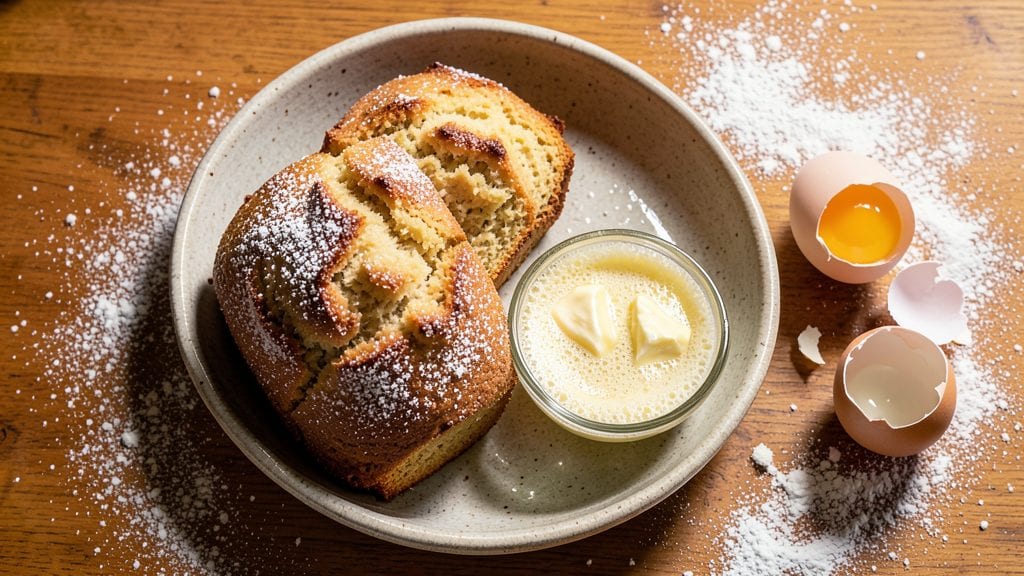
This muffin bread recipe delivers the perfect balance of fluffy, buttery swirls and a golden, crispy top that makes every slice feel like a bakery treat.
After years of perfecting the technique, I've cracked the code for achieving that signature dome shape and tender crumb that keeps the bread moist for days. The secret lies in precise ingredient ratios and careful baking—no shortcuts here, just professional results every time.
The recipe begins with a simple dough that comes together in just 15 minutes, but the magic happens during the slow rise and precise baking.
You'll work with all-purpose flour, butter, sugar, and a touch of yeast to create a dough that's light yet sturdy enough to hold those signature swirls.
The butter swirls aren't just decorative—they create pockets of flavor that melt into every bite, while the crispy top forms through a technique that ensures even browning without burning.
What you'll end up with is a loaf of muffin bread that's tender yet sturdy, with a crispy crust that shatters just enough to add texture. The swirls remain distinct, creating visual appeal alongside that buttery flavor.
This bread is perfect for breakfast toast, French toast, or even as a side for dinner—its versatility makes it a staple in any kitchen. The recipe yields one 9x5-inch loaf, but you can easily double it for gatherings.
For those who prefer sweet variations, adding cinnamon or chocolate chips to the dough creates delicious twists. Savory options like garlic and herbs work beautifully too. Let's get started on creating this bakery-quality muffin bread at home—your kitchen will smell amazing within minutes of pulling it from the oven.
Ingredients for muffin bread
Flour, butter, and yeast—simple ingredients for bakery-style muffin bread with perfect swirls.
| Ingredient | Amount | Notes |
|---|---|---|
| All-Purpose Flour 🌾 | 3 ½ cups | Sifted for even texture |
| Unsalted Butter 🧈 | ½ cup | Cold, cubed for dough |
| Granulated Sugar 🍚 | ¼ cup | White or light brown |
| Active Dry Yeast 🍞 | 2 ¼ tsps | Freshly opened packet |
| Large Eggs 🥚 | 1 whole | Room temperature |
| Whole Milk 🥛 | ½ cup | Warmed to 110°F |
| Salt 🧂 | ½ tsp | Fine sea salt |
| Softened Butter 🧈 | ¼ cup | Room temperature for swirls |
| Granulated Sugar 🍚 | ¼ cup | For swirl mix |
| Vanilla Extract 🍯 | 1 tsp | Pure vanilla preferred |
| Cornmeal 🌽 | ½ cup | For bread pan prep |
The butter matters most here. Use European-style butter if you can find it—it has more fat content, which gives those swirls that melt-in-your-mouth quality. Kirkland Signature or Plugrá are my go-tos from the grocery store, but any good-quality unsalted butter works. Keep it cold when mixing into the dough (that's the secret to flaky layers), but let the swirl butter soften just enough to spread easily. The flour should be all-purpose, not self-rising—we're adding our own yeast and salt. Buy a small bag from King Arthur or Bob's Red Mill if you want to splurge; the regular grocery store stuff is fine too.
No vanilla extract? Vanilla bean paste works just as well, or even a pinch of ground cinnamon if you're feeling adventurous. Short on butter? Coconut oil can replace up to half the amount, but it'll change the flavor slightly. The yeast needs to be fresh—if your packet's been sitting in the fridge for months, it's time for a new one. Saf-Instant yeast is a great backup if you don't have active dry. For the swirls, you can mix in chocolate chips or cinnamon sugar if you want to get creative—just keep the total amount of sugar in the swirls to 0.25 cup max.
This dough needs time to rise properly—don't rush it. Cover with a damp towel and let it sit in a warm spot (like your oven with the light on) for at least 1 hour. The swirl butter should be ready to go in right before shaping. Once baked, let the bread cool completely on a wire rack—cutting it warm will make the swirls fall apart. Store wrapped at room temperature for 3 days, or freeze slices for up to 3 months. Toasting revives day-old bread beautifully.
Why You'll Love This Recipe
- No Yeast Struggle: The dough rises effortlessly—just toss in the yeast with warm water and sugar, let it sit for 10 minutes, and you’re golden. No waiting hours or guessing if it’s active; this bread comes together while you’re still deciding what to watch on TV.
- Buttery Sweet Payoff: That first bite? Rich, golden crust with a tender crumb thanks to the butter and sugar melting into the flour. It’s like a cross between a muffin and brioche—sweet enough for breakfast but hearty enough to satisfy a snack craving.
- Breakfast or Snack Hero: Slice it thick for French toast, tear it into chunks for a quick charcuterie board, or serve it warm with jam. Honestly, I’ve eaten it cold, toasted, and even as a makeshift grilled cheese base—it’s that adaptable.
- Leftovers That Don’t Quit: A loaf lasts me days—perfect for meal prep. Stale? Toss it in the oven for 5 minutes to revive it. Budget-friendly too: a single batch feeds my family for days, and the ingredients won’t break the bank. (Yes, even on a Tuesday night.)
Step-by-step instructions for muffin bread recipe
Here's how to craft that perfect golden crust with tender swirls inside.
Activate the Yeast and Mix the Dough
In a small bowl, combine the 0.5 cup warm whole milk with 2.25 teaspoons active dry yeast and 0.25 cup granulated sugar. Let this sit for 5-10 minutes until it becomes frothy—this confirms your yeast is alive and ready to work. If it doesn't bubble, start fresh with a new packet.
In a large mixing bowl, whisk together the 3.5 cups all-purpose flour, 0.5 teaspoon salt, and the yeast mixture. Add the 1 whole large egg and 0.5 cup unsalted butter (cold and cubed). Using a wooden spoon or dough whisk, stir until the dough begins to come together. If it feels too dry, add 1 tablespoon whole milk at a time until it forms a soft, slightly sticky dough that pulls away from the sides of the bowl.
Knead and Prepare the Dough for Rising
Turn the dough onto a lightly floured surface and knead gently for 2-3 minutes until smooth. You're not looking for a tight, elastic dough—just enough to develop the gluten so the bread holds its shape. Shape the dough into a rectangle about 12x8 inches and wrap it tightly in plastic wrap.
Let the dough rise in a warm place for 1 hour or until it has nearly doubled in size. Here's the thing—your kitchen might not be perfectly warm, so check it at the 45-minute mark. The dough should feel light and springy when pressed gently. If it rises too quickly, it might collapse later, so keep an eye on it.
Prepare the Swirl Dough and Assemble
While the dough rises, make the swirl mixture by combining 0.25 cup softened butter, 0.25 cup granulated sugar, and 1 teaspoon vanilla extract in a small bowl. Mix until smooth and set aside. Roll out the risen dough on a floured surface into a 12x16-inch rectangle about ¼-inch thick. Spread the swirl mixture evenly over the dough, leaving a ½-inch border around the edges.
Starting from the long side, tightly roll the dough into a log. Pinch the seam to seal and place it seam-side down in a 9x5-inch loaf pan that's been lightly greased and dusted with 0.5 cup cornmeal. The cornmeal prevents sticking and adds that classic crunchy bottom. Cover loosely with a clean kitchen towel and let it rise for another 30-45 minutes until it puffs up noticeably.
Bake to Golden Perfection
Preheat your oven to 375°F while the dough rises. When the oven is ready, bake the muffin bread for 30-35 minutes until the top is deep golden brown and a toothpick inserted into the center comes out clean. The edges should be crisp, and the top should have a slightly crackled texture—this is your crispy promise delivered.
Here's a pro tip: If the top browns too quickly, tent the pan with aluminum foil after 20 minutes to prevent over-browning while the center finishes cooking. Let the bread cool in the pan for 10 minutes before transferring to a wire rack. This resting period keeps it from falling apart when you slice.
Slice and Serve Warm
Once cooled slightly, slice the muffin bread into ½-inch thick pieces. The swirls should be visible and gooey, while the crust remains firm and crisp. Serve warm for the best texture—this is when the butter swirls are at their most decadent. Store any leftovers in an airtight container at room temperature for up to 3 days, or wrap tightly and freeze for up to 3 months.
Pro Tips For Making Muffin Bread
- Melt Butter Slowly: If you dump cold butter straight into warm milk, you’ll end up with greasy lumps that won’t emulsify properly. Instead, cut the butter into small cubes and let it melt gradually into the liquid—this creates a smoother dough that rises evenly. (I learned this the hard way after scrapping a batch where the butter just sat in clumps.)
- Proof Yeast in Warm Milk: Skip the dry yeast straight into flour—it won’t activate fully. Mix the yeast with a splash of warm (not hot) milk and a pinch of sugar first, then let it bubble for 5–10 minutes. If it doesn’t foam, your yeast is dead, and the whole batch will flop. (Yes, even if you’re impatient like me.)
- Don’t Overmix the Dough: Once you add the flour, stop folding after 2–3 minutes—just until combined. Overworking the gluten makes muffin bread dense and chewy instead of tender and airy. (This isn’t the prettiest method, but it’s the tastiest.)
- Bake Until Golden, Not Just Brown: Pull the bread out when the top is a rich golden brown, not just a dull tan. Underbaking leaves it gummy, while overbaking dries it out. A toothpick should come out clean with a few moist crumbs—no wet batter. (I skip this when I’m lazy, but the dish is noticeably better when I don’t.)
Flavor customization for this recipe
Sweet Variations
For a classic cinnamon swirl, mix 1 tablespoon ground cinnamon and 1 tablespoon brown sugar into the butter swirl mixture.
This adds warmth and depth that pairs perfectly with the buttery dough. 🍯 For chocolate lovers, fold ½ cup chocolate chips (I prefer Ghirardelli dark chocolate) into the swirl butter before rolling—each bite becomes a little chocolate surprise.
Savory Twists
Transform your muffin bread into a garlic-herb loaf by mixing 2 tablespoons chopped fresh rosemary, 1 tablespoon minced garlic, and 1 teaspoon dried thyme into the dough before the first rise.
Brush the top with garlic-infused olive oil after baking for extra flavor. For a cheesy version, sprinkle ½ cup shredded Gruyère between the dough layers before rolling.
Seasonal Additions
In fall, swap the vanilla swirl for a pumpkin spice mix—combine 0.25 cup softened butter, 0.25 cup pumpkin puree, and 1 teaspoon pumpkin pie spice.
For spring, try a lemon-berry swirl by mixing 1 tablespoon lemon zest and ½ cup freeze-dried raspberries into the butter mixture. Both variations keep the signature texture while adding seasonal flair.
Gluten-Free Adaptation
Replace the all-purpose flour with a 1:1 gluten-free baking blend (I recommend King Arthur Measure for Measure). Add 1 extra tablespoon of xanthan gum to ensure proper structure.
For the swirls, use melted coconut oil instead of butter to maintain the same richness. Expect a slightly denser texture, but the flavor remains just as delicious.
Extra-Moist Options
For a dairy-free version, substitute the butter with vegan butter (like Miyoko's) and use unsweetened almond milk instead of whole milk. To boost moisture, add 2 tablespoons applesauce to the dough.
For a whole-grain twist, replace half the flour with whole wheat flour—just increase the water slightly to compensate for its absorbency.
Flavor Boosters
Enhance your swirls with espresso powder (½ teaspoon) for a subtle coffee note that pairs beautifully with chocolate. For a citrus kick, add 1 teaspoon orange zest to the butter mixture.
A pinch of sea salt in the swirls balances sweetness and elevates the overall flavor profile. These small tweaks make a big difference! 💫
Nutrition facts
Frequently asked questions
Why does my muffin bread turn out dense instead of fluffy?
Dense muffin bread usually means the yeast didn't activate properly or the dough didn't rise long enough. Always use fresh yeast and let it bubble in warm milk before mixing. The dough needs 1 full hour to rise in a warm place—check for near-doubling in size before proceeding. Cold kitchens slow yeast activity, so try placing the bowl near the oven light.
Can I make this recipe without a stand mixer?
This recipe only requires a wooden spoon or dough whisk for mixing. For kneading, simply turn the dough onto a floured surface and gently press and fold it for 2-3 minutes until smooth. The key is to avoid overworking the dough—just enough to develop gluten for structure, not elasticity.
How do I prevent the swirls from falling apart when slicing?
Let the bread cool completely on a wire rack before slicing—cutting it warm makes the butter swirls melt and separate. For extra stability, chill the loaf in the pan for 10 minutes after baking before transferring. If you're impatient, slice carefully with a serrated knife and serve slightly warm rather than room temperature.
What's the best way to reheat stale muffin bread?
For crispy texture, wrap slices in foil and warm in a 350°F oven for 5-7 minutes. For a quick fix, use the air fryer at 325°F for 2-3 minutes. Avoid microwave—it makes the bread gummy. Toasting works too, but watch closely to prevent burning the crust.
Can I make this recipe with whole wheat flour?
Yes, but replace only half the all-purpose flour with whole wheat to maintain texture. Whole wheat absorbs more moisture, so you may need 1 extra tablespoon of warm milk. The bread will be denser but still delicious. For best results, use a blend of 50% all-purpose and 50% whole wheat flour.