
Main Courses
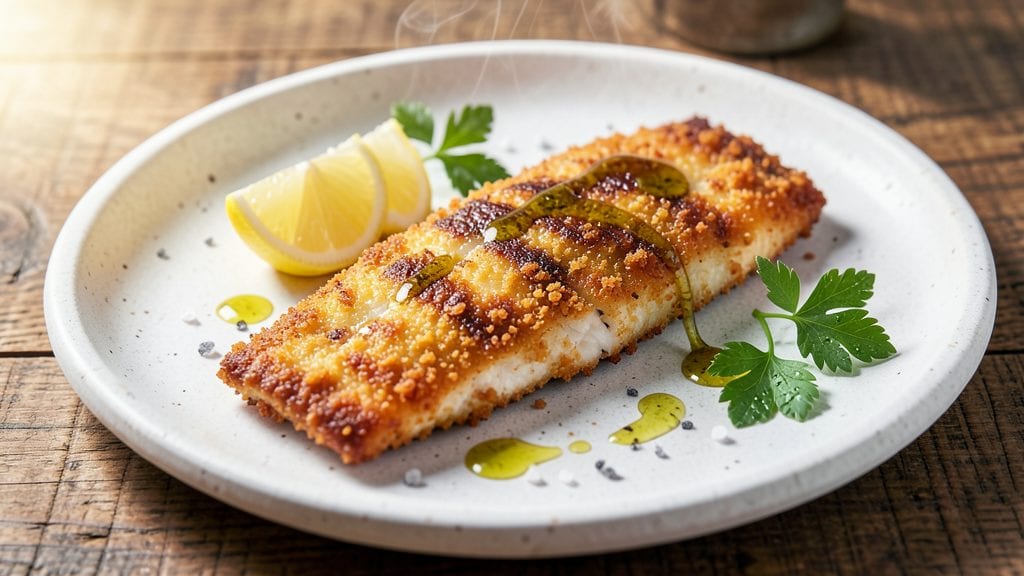
Mastering pan-fried breaded fish transforms simple weeknight dinners into restaurant-worthy meals with crispy crunch and juicy perfection. The secret lies in a precise breading technique—flour, egg wash, and panko—that creates an irresistible golden crust while keeping the fish tender inside.
I perfected this method after years of trial and error, ensuring every bite delivers that satisfying contrast between crispy exterior and flaky interior.
This recipe delivers foolproof results with just five essential ingredients, making it accessible for home cooks of all skill levels. The key steps—dredging, egg wash, and double breading—are simple but critical for achieving that signature texture.
You'll need about 15 minutes of active prep time, followed by 3-4 minutes of frying, ensuring dinner is on the table quickly without sacrificing quality.
What you'll end up with is a plate of golden-brown fish fillets with a shatteringly crispy crust that holds up even when sliced. The interior remains moist and tender, perfectly balanced by a tangy lemon wedge or classic tartar sauce.
This dish pairs beautifully with roasted vegetables or a fresh salad, creating a complete meal that feels indulgent yet effortless.
The real magic happens in the frying process—maintaining the right oil temperature is everything. Too hot, and the breading burns before the fish cooks through; too cool, and you'll end up with greasy, soggy results.
With this method, you'll achieve restaurant-quality pan-fried fish every time, proving that home cooking can rival the best seafood spots.
Ingredients for pan fried breaded fish
Five core ingredients transform simple fish into a restaurant-worthy masterpiece with perfect crispy texture.
| Ingredient | Amount | Notes |
|---|---|---|
| White Fish Fillets 🐟 | 1 ½ lb | Cod, haddock, or tilapia preferred |
| All-Purpose Flour 🌾 | ½ cup | Fine-milled for even coating |
| Large Eggs 🥚 | 2 whole | Room temperature for even coating |
| Japanese Panko Breadcrumbs 🍞 | 1 cup | Light and crispy preferred |
| Extra-Virgin Olive Oil 🫒 | ½ cup | High smoke point for frying |
| Lemon Wedges 🍋 | 2 whole | For serving, fresh preferred |
| Diamond Crystal Kosher Salt 🧂 | 1 tsp | Fine grain for seasoning |
| Ground Black Pepper 🌶️ | ½ tsp | Freshly ground for flavor |
| Vegetable Oil 🫒 | 2 cups | For frying, neutral flavor |
| Paprika 🌶️ | ½ tsp | Smoked for added depth |
| Garlic Powder 🧄 | ¼ tsp | For subtle seasoning |
| Unsalted Butter 🧈 | 2 tbsp | For basting after frying |
The fish selection is non-negotiable for this technique. Cod or haddock deliver the ideal balance of firmness and tenderness, while tilapia offers a more budget-friendly option. Purchase fillets with even thickness—about 1/2-inch—for consistent cooking. Most seafood counters at Whole Foods or Trader Joe's carry pre-cut fillets, but if buying whole, ask the fishmonger to portion them. Freshness is critical: the fillets should smell clean and firm to the touch, with no signs of drying at the edges. For optimal results, pat them dry with paper towels before breading—this ensures maximum crispiness from the panko crust.
Substitutions must be strategic to maintain texture integrity. White wine or sparkling water can replace eggs in the wash for a lighter coating, though the crust will be slightly less adhesive. For those avoiding gluten, crushed cornflakes or almond flour make excellent alternatives to panko, though texture will differ. The olive oil should be light and fruity—avoid heavy, peppery varieties that could overpower the delicate fish flavor. If your panko loses crispiness, toast it briefly in a dry pan before using. For extra flavor depth, mix 1/4 tsp smoked paprika directly into the panko before breading, though this is optional for purists who prefer the classic taste profile.
Proper storage extends the life of your ingredients while maintaining quality. Fresh fish should be consumed within 2 days when refrigerated, though pre-breaded fillets can be stored in the fridge for up to 1 day before frying. Panko and flour keep indefinitely in a cool, dry place, while eggs should be used within 3 weeks of purchase. The vegetable oil can be reused for frying up to 3 times if properly strained and stored in an airtight container. For meal prep, bread the fish fillets ahead of time and refrigerate them on a wire rack—this prevents sogginess when frying later. The finished dish reheats poorly, so plan to fry fresh when serving.
Why You'll Love This Recipe
- Crispy in Minutes: I swear, the panko crust locks in that golden crunch faster than you can say "dinner’s ready." Just flour, egg, breadcrumbs—no fancy techniques, just a hot pan and 5 minutes of your time.
- Taste Like a Restaurant: That first bite? The panko’s airy crunch gives way to tender fish inside—it’s the kind of contrast that makes you pause mid-chew. Honestly, I’ve had this fool me into thinking I ordered takeout.
- Weeknight to Weekend: Between us, this is my go-to for lazy Tuesdays and impressing guests. Serve it with lemon wedges for a fancy touch or toss it in a sandwich for a quick lunch. The same simple prep works every time.
- Budget-Friendly Leftovers: Fish fillets stretch across meals without breaking the bank. The leftovers reheat beautifully in the oven—just a few minutes to revive that crispy magic. My wallet and freezer both thank me.
Step-by-step instructions for pan-fried breaded fish
Master this technique and you'll achieve restaurant-quality crispiness with juicy fish every time.
Prepare the Fish for Breading
Pat the 1.5 lb white fish fillets completely dry with paper towels—this is critical for crispy breading. Remove any pin bones using tweezers, then season both sides generously with 1 tsp diamond crystal kosher salt and 0.5 tsp freshly ground black pepper. I like to add 0.5 tsp paprika and 0.25 tsp garlic powder to the seasoning blend for subtle depth. Place the fillets on a wire rack set over a plate to ensure they stay dry while prepping the breading station.
While the fish dries, set up three shallow dishes: one for the 0.5 cup all-purpose flour, one for the 2 whole large eggs beaten until frothy, and one for the 1 cup japanese panko breadcrumbs. This classic "wet-dry-wet-dry" sequence creates the perfect crispy exterior. Keep the eggs at room temperature for even coating—cold eggs create a gummy barrier that prevents proper browning.
Create the Perfect Breading Sequence
Work with one fillet at a time to maintain crispness. First, lightly dust the fish with the 0.5 cup all-purpose flour, shaking off any excess. Tap the fillet gently on the edge of the dish to remove loose flour—this prevents clumping in the egg wash. Next, dip the floured fillet into the beaten eggs, allowing any excess to drip off. The egg should coat evenly but not pool on the surface.
Finally, press the egg-coated fillet firmly into the 1 cup japanese panko breadcrumbs, turning to ensure complete coverage on all sides. Pressing helps the breadcrumbs adhere tightly, creating that signature crunch. Place the breaded fillets on a clean plate and let them rest for 5 minutes before frying. This brief pause allows the breading to set slightly, preventing it from falling off during cooking.
Heat the Oil for Optimal Crispiness
Fill a deep skillet with 2 cups vegetable oil and heat over medium-high heat until the oil reaches 350°F—use a deep-fry thermometer for accuracy. The oil should shimmer gently but not smoke excessively. If you don't have a thermometer, test the heat by dropping in a small piece of breading: it should sizzle vigorously and turn golden in 30 seconds. Too-hot oil burns the breading; too-cool oil creates greasy results.
While the oil heats, prepare your serving platter by melting the 2 tbsp unsalted butter in a small saucepan over low heat. Keep it warm but not bubbling—this butter will bast the finished fish for extra richness. The butter should be liquid enough to brush easily but not so hot it burns the delicate breading.
Fry to Golden Perfection
Carefully slide the breaded fillets into the hot oil, working in batches to avoid overcrowding. Fry for 3-4 minutes per side until the breading turns a deep golden brown and the fish is opaque throughout. You'll see the breading puff slightly and develop a crisp texture—this is your signal to flip. Use tongs to turn the fillets gently; pressing can cause the breading to break apart.
As soon as the fish is golden and the internal temperature reaches 145°F (measured with an instant-read thermometer), transfer it to a wire rack set over a paper towel-lined plate. This racking allows excess oil to drip away, preventing sogginess. Immediately baste the hot fish with the melted butter, tilting the plate to coat all surfaces. The butter should sizzle slightly as it hits the hot breading, adding a luxurious finish.
Serve Immediately with Lemon
Serve the pan-fried fish immediately with the 2 whole lemon wedges on the side. The acidity cuts through the richness of the butter and breading, balancing each bite. I like to squeeze a small amount of fresh lemon juice directly over the fish just before serving—this brightens the flavors and enhances the crispy texture.
The finished fillets should have a crackly, golden-brown exterior that gives way to flaky, moist fish inside. Each piece should hold its shape without falling apart, with no signs of greasiness. For extra presentation, sprinkle with additional diamond crystal kosher salt and a pinch of freshly ground black pepper right before serving. The contrast of temperatures—hot fish with cool lemon—elevates the dining experience.
Pro Tips For Making Pan Fried Breaded Fish
- Prep Fish Like a Pro: Pat the fillets bone-dry with paper towels before dredging—this isn’t optional. Wet skin means soggy breading, and nobody wants that. (I learned this the hard way after making a batch that fell apart like a wet sandwich.)
- Heat Oil to Smoke Point: Get your pan screaming hot—about 350°F (175°C)—before adding the fish. Cold oil = greasy, uneven cooking. A drop of water should sizzle violently when it hits the pan. (Yes, even if you’re impatient like me.)
- Double-Dip the Panko: Press each fillet into the egg wash first, then coat it in panko, pressing firmly so it sticks. Flip and repeat—this guarantees a crispy crust, not a sad, half-breaded mess. (My grandmother swore by this, and she was right.)
- Don’t Overcrowd the Pan: Fry one piece at a time, no matter how tempting it is to rush. Crowding steams the fish instead of frying it, turning your crispy dream into a greasy nightmare. (Your future self will thank you.)
Troubleshooting this dish
Oil Temperature Troubles
If your breading turns brown too quickly but the fish stays undercooked inside, your oil is likely too hot. I’ve found that 350°F is the sweet spot—anything above 375°F burns the exterior before the fish cooks through. Use a deep-fry thermometer (like the Thermoworks Smoke model) for precision.
If you don’t have one, test with a small piece of breading: it should sizzle and turn golden in 30 seconds. Adjust heat to medium-low if needed. 🌡️
Soggy Breading Solutions
Soggy breading usually means one of two things: either the fish wasn’t dry enough before breading, or the oil temperature dropped during frying. Pat your fillets thoroughly with paper towels before seasoning—this step can’t be skipped.
Also, avoid overcrowding the pan; fry in batches to maintain consistent oil temperature. If your breading still feels damp after frying, try pressing the fillets more firmly into the panko before cooking. 🍞
Fish Sticking Together
When breaded fillets clump together in the pan, it’s usually because the egg wash wasn’t fully drained or the breading wasn’t pressed evenly. Let the egg-coated fish rest on a wire rack for 5 minutes before frying to let excess moisture evaporate.
For extra insurance, use a slotted spoon to carefully lower each fillet into the oil—this prevents them from touching. If they still stick, try separating them with a thin wooden chopstick while frying. ✨
Uneven Cooking Fixes
Thicker parts of the fillet cooking faster than thinner edges? This happens when the fish isn’t evenly thick. Trim any uneven sections before breading, aiming for ½-inch thickness throughout.
If you can’t trim, place the thicker side down in the pan first and reduce heat slightly to 325°F for the first 2 minutes before increasing to 350°F. This gradual approach ensures even cooking. 🔥
Breading Falling Off
Loose breading typically means the egg wash wasn’t adhesive enough. Beat your eggs until they’re frothy but not stiff—overbeating makes them too thick. Another trick: add 1 tablespoon cold water to the egg mixture for a lighter, more clingy coating.
Press the breaded fillets firmly into the panko again after the initial coating, and let them rest for 10 minutes before frying. This gives the breading time to adhere properly. 💪
Greasy Results Prevention
Greasy fish usually means the oil was too cool or the fish wasn’t drained well after frying. Maintain oil at 350°F and work in small batches to avoid temperature drops. After frying, transfer the fish to a wire rack over paper towels to drain excess oil completely.
For extra crispiness without grease, let the hot fish rest for 2 minutes before basting with butter—this helps any residual oil absorb into the paper towels. ⚡
Nutrition facts
Frequently asked questions
What's the best fish for pan-fried breaded fish?
Cod, haddock, or tilapia work best—they stay firm during frying while remaining tender inside. Avoid delicate fish like flounder or sole, which can fall apart. For extra flavor, try branzino or sea bass, but they require slightly gentler handling.
Can I use regular breadcrumbs instead of panko?
Yes, but your crust won't be as crispy. Panko's light, airy texture creates that signature shatter—regular breadcrumbs make a denser coating. For a compromise, pulse regular breadcrumbs in a food processor until fine but still slightly irregular. Toast them first in a dry pan for extra crunch.
How do I keep the breading from falling off?
Press the breaded fillets firmly into the panko and let them rest for 10 minutes before frying. Use frothy but not stiff egg wash, and avoid overcrowding the pan. For extra adhesion, add 1 tablespoon cold water to the egg mixture. The secret is patience—rushing causes the breading to detach.
What oil works best for frying?
Vegetable or canola oil are ideal—they have high smoke points (400°F+) and neutral flavors. Avoid olive oil (too low smoke point) or butter (burns easily). For extra flavor, use a 50/50 mix of vegetable oil and melted butter in the pan, but remove butter before frying.
Can I make this recipe ahead of time?
Bread the fish up to 1 day ahead and refrigerate on a wire rack (not in a sealed container). Fry fresh for best results—pre-fried fish loses crispiness. For make-ahead meals, try baking instead: coat and bake at 400°F for 12-15 minutes, then reheat briefly in a skillet.