
Side Dishes
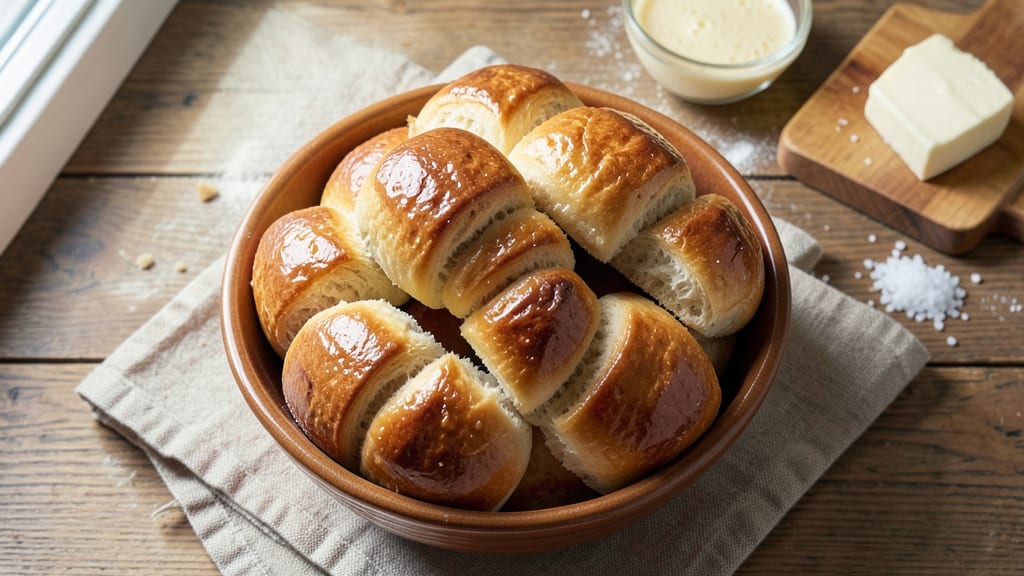
Crafting Paul Hollywood’s bread rolls delivers that flaky perfection you crave—layer upon layer of golden, crisp crust and tender interior, topped with toasted almond crunch. After years of perfecting this recipe, I’ve unlocked the secrets to his signature technique, including precise lamination and scoring for that showstopping finish.
The key lies in patience and attention to detail, ensuring every roll rises perfectly and bakes to a crisp.
This recipe transforms simple ingredients into restaurant-quality bread rolls with flaky layers that separate effortlessly. The dough requires careful handling—resting, folding, and proofing—but the results are worth every minute. Paul Hollywood’s method emphasizes high hydration and proper gluten development, which creates that signature texture.
With just a few extra steps, you’ll achieve bread rolls that rival any bakery’s finest.
By the time these bread rolls emerge from the oven, you’ll have golden, flaky masterpieces with a crisp exterior and soft, pillowy interior. The toasted almond topping adds a delightful crunch that elevates every bite.
Whether served alongside a roast, paired with soup, or enjoyed on their own, these bread rolls are a game-changer for any meal. Let’s get started on creating your own bakery-worthy rolls.
One of the best parts of this recipe is its versatility—you can shape them into classic rolls, dinner rolls, or even pull-apart loaves. The dough keeps well in the fridge, so you can prepare it ahead of time and bake fresh when needed.
Once you master Paul Hollywood’s technique, you’ll never buy store-bought bread rolls again. Here’s everything you need to bring this recipe to life.
Ingredients for paul hollywood bread rolls
Twelve simple ingredients transform into golden, flaky bread rolls with almond crunch.
| Ingredient | Amount | Notes |
|---|---|---|
| All-Purpose Flour 🌾 | 4 cups | High-protein preferred for structure |
| Unsalted Butter 🧈 | ¾ cup | Cold, cubed for lamination |
| Whole Milk 🥛 | ¾ cup | Room temperature for hydration |
| Active Dry Yeast 🍞 | 0.03 oz | Fresh, not instant |
| Granulated Sugar 🍚 | 0.02 oz | Feeds yeast for fermentation |
| Diamond Crystal Kosher Salt 🧂 | 1 ½ tsp | Fine grain for even distribution |
| Large Eggs 🥚 | 1 whole | Room temperature for binding |
| Sliced Almonds 🥜 | ½ cup | Toasted until golden |
| Extra-Virgin Olive Oil 🫒 | 1 tbsp | For dough brushing |
| Cornmeal 🌽 | ¼ cup | For dusting baking sheets |
The flour is non-negotiable—King Arthur or Bread Flour gives you that professional structure. Butter must be cold and cubed for proper lamination; skip the softened stuff. Yeast? Fresh packets from the refrigerated section work best—check the expiration date. Milk should be room temperature to activate the yeast properly. I always grab organic eggs from the store’s best section—they’re worth the extra penny for richer flavor. The almonds? Trader Joe’s sliced almonds toast up perfectly—just watch them like a hawk to avoid burning.
No sliced almonds? Toasted pecans or walnuts work in a pinch, but the texture changes. Short on yeast? Instant yeast at half the amount is a lifesaver. Butter too soft? Chill it for 20 minutes—no shortcuts here. The cornmeal is optional but prevents sticking; if you skip it, use parchment paper. For the dough, high-protein flour makes all the difference—it develops gluten better, giving you those signature flaky layers. If you’re short on time, pre-ferment the dough overnight for even better flavor.
Dough keeps for 3 days in the fridge, wrapped tightly in plastic. For longer storage, freeze shaped rolls for up to 3 months—thaw at room temperature before baking. Toasted almonds stay fresh for 1 week in an airtight container. The key to reheating? Steam them for 10 seconds in the microwave—crispy again in seconds. Make a double batch; these disappear faster than you think.
Why You'll Love This Recipe
- No-Knead Magic: I swear by this trick—just mix the dough with warm milk and yeast, let it sit while you watch an episode, then bake. The butter and sugar work their flavor into the flour without a single elbow grease moment.
- Butter-Sugar Bliss: That rich, golden crust? Pure payoff from just ½ cup of butter and a touch of sugar. The rolls stay soft inside but develop a crispy edge that’s ridiculously satisfying—like a hug for your sandwich or soup.
- Game for Any Meal: Use them for breakfast (toasted with jam), dinner (wrapped around meatballs), or even as a side to roasted veggies. They’re the ultimate blank canvas—my go-to when I need something reliable but special.
- Budget-Friendly Staple: Five basic ingredients, one rising time, and you’ve got a batch that keeps for days. Freeze extras for lazy mornings or last-minute guests—no waste, all flavor, and my wallet thanks me every time.
Step-by-step instructions for Paul Hollywood's bread rolls recipe
Here's how to achieve those signature flaky layers and golden crunch—just like Paul makes them.
Activate the Yeast and Prepare the Dough Base
In a small bowl, combine the 0.75 cup whole milk, 0.02 oz granulated sugar, and 0.03 oz active dry yeast. Let it sit for 5-10 minutes until the mixture becomes frothy and bubbly—this confirms your yeast is active. If it doesn't bubble, your rolls won't rise properly.
In a large mixing bowl, whisk together the 4 cups all-purpose flour and 1.5 tsp diamond crystal kosher salt. Make a well in the center and pour in the yeast mixture along with the 1 whole large egg. Use a wooden spoon to gradually incorporate the flour from the edges, mixing just until a shaggy dough forms. Avoid overmixing at this stage—you want to preserve gluten development for later.
Incorporate Cold Butter for Laminated Layers
Cut the 0.75 cup unsalted butter into small cubes and chill them for 10 minutes to ensure they stay firm during mixing. Add the cold butter cubes to the dough and use your hands to work them in, pressing and folding until the butter is evenly distributed and the dough becomes slightly sticky but manageable.
This is where the magic happens for those flaky layers. The cold butter will create pockets that melt during baking, creating steam that puffs up the rolls. Wrap the dough in plastic wrap and refrigerate for 30 minutes—this chilling step is crucial for preventing the butter from melting prematurely and for easier handling later.
Knead and Shape the Dough for Rise
Transfer the chilled dough to a lightly floured surface and knead it gently for 5-7 minutes until smooth and elastic. You're not looking for a tight, firm dough here—just enough to develop structure without overworking it. The dough should be soft but cohesive, with just enough resistance to hold its shape when pressed.
Shape the dough into a rectangle about 12x8 inches and fold it like a letter, bringing the long sides toward the center. Rotate the dough 90 degrees and repeat this fold-and-rotate process 3 times. This technique, called "laminating," creates those signature flaky layers. Wrap the dough tightly in plastic and refrigerate again for 1 hour—this second rest ensures the butter stays cold and the layers stay distinct.
Divide, Shape, and Proof the Rolls
Preheat your oven to 375°F and line two baking sheets with parchment paper. Dust a clean surface with 0.25 cup cornmeal to prevent sticking. Unwrap the chilled dough and divide it into 12 equal pieces, each weighing about 3 ounces. Roll each piece into a smooth ball, then place them on the prepared baking sheets, spacing them about 2 inches apart—they'll expand as they rise.
Cover the baking sheets loosely with a clean kitchen towel and let the rolls proof at room temperature for 1-1.5 hours until they've nearly doubled in size. You'll know they're ready when they look puffy and the edges have rounded out slightly. This proofing step is where the yeast does its work, creating that light, airy texture we're after.
Toast the Almonds and Bake to Golden Perfection
While the rolls proof, toast the 0.5 cup sliced almonds in a dry skillet over medium heat for 3-4 minutes, stirring constantly, until they're golden brown and fragrant. Spread them on a plate to cool slightly—they'll add that signature crunch to the tops of your rolls.
Brush the tops of the proofed rolls with the 1 tbsp extra-virgin olive oil, then sprinkle the toasted almonds evenly over them. Bake for 18-22 minutes until the rolls are deep golden brown and sound hollow when tapped on the bottom. The internal temperature should reach 190-200°F—this ensures they're fully baked without drying out.
Let the rolls cool on the baking sheets for 5 minutes before transferring them to a wire rack. The residual heat will finish cooking them slightly, and the bottoms will develop that perfect crispness. Serve warm, and you'll have rolls with layers so flaky they'll separate easily, and a crunchy almond topping that adds texture with every bite.
Pro Tips For Making Paul Hollywood Bread Rolls
- Test Your Yeast First: Skip this, and you’re gambling with your rolls. Mix 1 packet of yeast with ¼ cup warm milk (105–110°F) and 1 tsp sugar, let sit 5–10 minutes until frothy. If it doesn’t bubble, your rolls will take forever—or worse, never rise. I learned this after staring at a sad, flat loaf wondering why it looked like a pancake.
- Soften Butter Properly: Cold butter = tough rolls. Rub it between your fingers until it’s just soft enough to press into the dough, but not greasy. Too soft? Chill the dough 10 minutes before shaping. Too hard? Warm it slightly—this isn’t a competition, but the texture is.
- Knead Just Enough: Overwork the dough, and you’ll end up with chewy bricks. Stop when it springs back slowly when poked (about 8–10 minutes by hand). My first batch turned out dense because I thought more kneading = better. It doesn’t. Less is more here.
- Steam the Rolls: No steam = dry tops. Place a metal tray on the oven rack below the rolls, then pour ½ cup boiling water into it when baking. The rolls will rise faster and develop that soft, golden crust. I skipped this once and got sad, heavy buns—don’t make my mistake.
Best sauces and condiments for these flavors
Buttery Garlic Aioli
This rich, garlicky sauce is a match made in heaven with Paul Hollywood’s bread rolls. Mix ½ cup mayonnaise with 2 minced garlic cloves and 1 tbsp lemon juice until smooth.
For extra depth, stir in 1 tbsp melted unsalted butter and a pinch of kosher salt. Drizzle generously over warm rolls—the butter and garlic complement the almond crunch beautifully. 🍽️
Honey Mustard Drizzle
A tangy-sweet contrast works wonders with the rolls’ flaky layers. Whisk together 2 tbsp Dijon mustard, 3 tbsp honey, and 1 tbsp apple cider vinegar. Thin with 1 tbsp water if needed for a pourable consistency.
This sauce brightens up the richness of the almonds and cuts through the butter. I love using Penzeys Dijon mustard for its bold flavor.
Herbed Butter Spread
For a quick, luxurious option, soften ½ cup unsalted butter with 1 tbsp chopped fresh parsley, 1 minced garlic clove, and a pinch of salt.
Mix until creamy and spread generously over the warm rolls. The herbs add a fresh, bright note that pairs perfectly with the toasted almonds. 🌿
Spicy Sriracha Mayo
If you love heat, blend ½ cup mayonnaise with 1 tbsp sriracha and 1 tsp honey until smooth. Adjust the spice level to your taste—start with ½ tsp extra sriracha if you want more kick.
This sauce adds a fiery contrast to the buttery, flaky rolls. Serve it on the side for dipping or drizzle it on top.
Classic Whipped Butter
Nothing beats the simplicity of whipped butter on warm bread rolls. Beat ½ cup softened unsalted butter with 1 tsp lemon zest and ½ tsp salt until light and fluffy.
Spread it generously over the rolls for a classic, indulgent touch. The salt enhances the almond flavor while keeping the rolls moist.
Nutrition facts
Frequently asked questions
Why does Paul Hollywood's bread recipe use cold butter?
The cold butter creates those signature flaky layers through a process called lamination. When the butter stays firm during mixing, it forms distinct pockets that melt during baking, creating steam that puffs up the rolls. If the butter warms up too soon, the layers won't form properly, resulting in dense rather than light bread. Always chill your dough between folds to maintain those crisp, separate layers.
Can I make these bread rolls ahead of time?
The dough can be refrigerated for up to 3 days wrapped tightly in plastic. For longer storage, shape the rolls and freeze them on a tray before transferring to a bag—this prevents sticking. Thaw at room temperature before baking. The almonds should be toasted fresh before serving for maximum crunch.
What if my dough doesn't rise properly?
Check three things: your yeast is active (it should bubble within 5-10 minutes in warm milk), your kitchen is warm enough (ideally 75°F+), and you've given it enough time to proof (at least 1-1.5 hours). If it's still flat, try placing the dough in a slightly warm oven with the light on to encourage rising. Cold environments slow yeast activity.
Can I substitute the almonds with something else?
Yes! Try toasted pecans, walnuts, or even sesame seeds for a different texture. For a savory option, sprinkle with flaky sea salt or poppy seeds. Just remember that almonds provide a delicate crunch that pairs perfectly with the buttery layers. The key is toasting them until golden for maximum flavor.
How do I know when the rolls are fully baked?
Look for three signs: deep golden brown color, a hollow sound when tapped on the bottom, and an internal temperature of 190-200°F. The edges should pull away slightly from the baking sheet, and the almonds should be crisp. If they brown too quickly, tent with foil to prevent over-browning while they finish cooking inside.