
Side Dishes
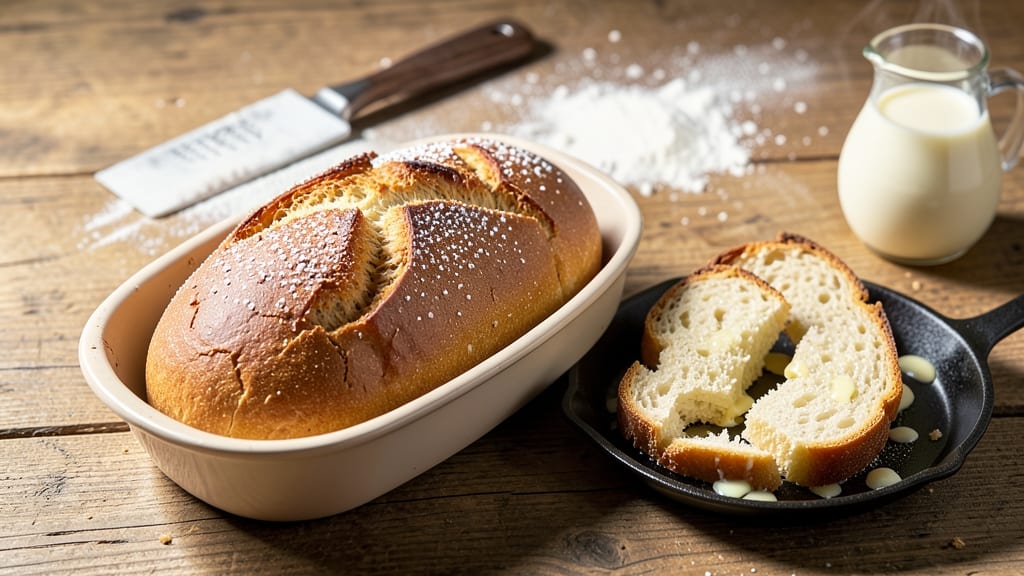
This Placek bread recipe brings the traditional Polish sweet bread to life with its signature crispy almond crown and buttery swirls that melt in your mouth. The combination of toasted almonds and tender dough creates a texture that's both delicate and satisfying—perfect for pairing with coffee or tea.
I've perfected this recipe over years of baking, ensuring every slice delivers that signature crunch and rich flavor.
What sets this Placek bread apart is the careful balance of sweetness and crunch, achieved through a precise dough recipe and a crown of toasted almonds pressed into the top. The dough requires patience—proofing and shaping are key to achieving that signature swirl pattern—but the results are worth every step.
The almonds aren't just decorative; they add a satisfying crunch that contrasts beautifully with the soft, buttery interior.
By the time it emerges from the oven, you'll have a loaf with a golden, crispy almond crown and tender, flaky layers inside. The aroma alone will fill your kitchen with warmth, while the taste transports you to a Polish bakery.
This bread is more than just dessert—it's a centerpiece that elevates any gathering, whether served with coffee, tea, or as a sweet treat on its own.
For those who want to experiment, variations like poppy seed filling or a citrus glaze can add new dimensions to this classic. Let's get started on creating your own perfect Placek bread—one that will become a staple in your home.
Ingredients for placek bread
Gather these simple staples for the perfect Polish almond crown bread.
| Ingredient | Amount | Notes |
|---|---|---|
| All-Purpose Flour 🌾 | 5 cups | Spooned and leveled, not packed |
| Granulated Sugar 🍚 | ½ cup | White or light brown |
| Unsalted Butter 🧈 | 1 cup | Cold, cubed, full-fat preferred |
| Large Eggs 🥚 | 2 whole | Room temperature, beaten |
| Instant Yeast 🍞 | 2 tsps | Or 1 packet active dry yeast |
| Warm Milk 🥛 | 1 cup | Whole milk, 110°F |
| Salt 🧂 | 1 tsp | Fine sea salt |
| Vanilla Extract 🍯 | 1 tsp | Pure vanilla preferred |
| Slivered Almonds 🥜 | 1 ½ cups | Toasted until golden |
| Powdered Sugar 🍚 | ¼ cup | For dusting crown |
| Egg Wash 🥚 | 1 whole | Extra egg for brushing |
| Heavy Cream 🥛 | ¼ cup | For brushing almond crown |
The almonds make this bread special. Slivered almonds from Trader Joe's or Costco toast up beautifully—just spread them on a baking sheet and toast at 350°F for 8-10 minutes until golden. Skip the pre-toasted kind; fresh toasting adds that nutty aroma. For the butter, use full-fat and keep it cold—it needs to stay firm for the dough. I always grab Land O'Lakes or Plugrá from the dairy case; they're reliable for baking. The yeast? Fresh is best, but instant yeast works in a pinch—just make sure it's not expired.
No slivered almonds? Toasted whole almonds chopped roughly work just fine. Short on powdered sugar? Granulated sugar crushed in a food processor does the trick. The dough feels sticky—that's normal! Don't overwork it. For a richer flavor, add 1 tsp lemon zest to the dough. Want extra sweetness? Bump the sugar to 0.75 cup. The egg wash? Use the extra egg—it's worth it for that golden finish.
This dough needs time to rise—at least 1 hour, up to 2 hours in a warm spot. Shape it gently to avoid deflating. The almond crown keeps best for 3 days in an airtight container, though it's best enjoyed fresh. For leftovers, toast slices until crispy to revive that bakery-fresh crunch. Freezes beautifully too—wrap tightly for up to 1 month.
Why You'll Love This Recipe
- No-Knead Magic: I swear by this dough—just mix, let it rise, and bake. The butter and sugar make it so tender, you’ll forget you didn’t slave over it for hours.
- Sweet Butter Bliss: That rich, creamy butter folded into the dough? It’s what turns this into something special—not just bread, but something you’ll reach for over store-bought every time.
- Weeknight Workhorse: Toss a loaf in the oven while you prep dinner, and it’s done by the time you’re ready to eat. Slice it with jam, toast it, or serve it warm with soup—it’s always the star.
- Budget-Friendly Staple: A few eggs, a stick of butter, and flour? This recipe stretches your grocery budget without sacrificing flavor. Plus, it keeps for days, so you’re never scrambling for bread.
Step-by-step instructions for Placek bread recipe
Here's how to create that perfect balance of buttery swirls and crispy almond crown.
Prepare the Dough for Maximum Flavor
In a stand mixer fitted with the dough hook, combine the 5 cups all-purpose flour, 2 tsps instant yeast, 1 tsp salt, and 0.5 cup granulated sugar. Mix on low speed for 30 seconds just to distribute the ingredients evenly. This dry blend is your foundation.
In a separate bowl, whisk together the 1 cup warm milk, 2 whole large eggs, 1 tsp vanilla extract, and 1 cup unsalted butter (cut into small cubes). The butter should be soft but not melted—this creates those beautiful swirls later. With the mixer running on low, gradually add the wet ingredients to the dry ingredients. Let the dough mix for 3-4 minutes until it comes together into a smooth, elastic ball that pulls away from the sides of the bowl.
Here's the thing—don't rush this mixing. You want the gluten to develop just enough to hold the structure, but not so much that the bread becomes tough. The dough should be soft but not sticky; if it's too sticky, add 1 tablespoon more flour at a time until it reaches the right consistency.
Create the Swirls and Shape the Loaf
Turn the mixed dough onto a lightly floured surface and gently knead it 2-3 times to smooth out any rough spots. Pat the dough into a 12x6-inch rectangle about ½-inch thick. This is where the magic happens—spread the 1 cup unsalted butter (softened) evenly over the dough, leaving a ½-inch border around the edges. Fold the long sides inward toward the center, then fold the top and bottom edges over the butter-filled center to create a log shape.
Seal the edges gently but firmly to trap the butter inside. This is your swirl—when baked, the butter will melt and create those beautiful layers. Roll the sealed log into a 12-inch long loaf and place it seam-side down in a 9x5-inch loaf pan that's been lightly greased with butter. The dough should fit snugly but not forcefully—if it's too tight, let it rest for 10 minutes before placing it in the pan.
Cover the loaf pan with a clean kitchen towel and let it rise in a warm place for 1-1½ hours, or until the dough has doubled in size. You'll know it's ready when the dough reaches the top of the pan and springs back slowly when gently pressed with a finger.
Assemble the Almond Crown for Crispy Perfection
While the dough rises, toast the 1.5 cups slivered almonds in a dry skillet over medium heat for 5-7 minutes, stirring constantly, until they're golden brown and fragrant. Spread them on a plate to cool. In a small bowl, whisk together the 0.25 cup powdered sugar and 0.25 cup heavy cream until smooth—this will be your almond crown glue.
Once the dough has risen, remove it from the pan and place it on a parchment-lined baking sheet. Brush the top of the loaf generously with the 1 whole egg wash, making sure to cover every inch—this creates the golden crust we're after. Dip your fingers into the powdered sugar and cream mixture, then press the toasted almonds firmly onto the top of the loaf, covering it completely. Press down gently but evenly to create that signature crown shape.
Here's where it gets fun—use a serrated knife to make ¼-inch deep cuts around the edges of the loaf, about ½-inch apart. This helps the almonds crisp up evenly and gives the bread that professional bakery look. Let the assembled loaf rest for 15 minutes while you preheat your oven to 350°F.
Bake to Golden, Crispy Perfection
Bake the placek bread in the preheated oven for 45-50 minutes, until the top is deep golden brown and the internal temperature reaches 190°F at the center. The almond crown should be crispy to the touch, and the sides should pull away slightly from the pan. Your kitchen should smell like warm almonds and buttery goodness—this is the moment that matters.
I know it's tempting to check early, but resist the urge. Your oven might run hot, so start checking at the 40-minute mark. If the top browns too quickly, loosely cover it with aluminum foil to prevent over-browning while it finishes baking. The bread is done when it sounds hollow when tapped on the bottom.
Remove the bread from the oven and let it cool in the pan for 10 minutes before transferring it to a wire rack. This resting period allows the bread to set properly and makes slicing easier. Once cooled, slice into ½-inch thick pieces and serve warm. The contrast of the crispy almond crown with the tender, buttery swirls inside is what makes this bread truly special.
Pro Tips For Making Placek Bread
- Mix Butter Until Pale: Cream the butter and sugar until the mixture turns from white to a faint yellowish tint—about 3-5 minutes. I learned this the hard way: stopping too early leaves tiny butter lumps that make the bread dense, even if the recipe says "softened." That pale color means you’ve fully emulsified the fat, which guarantees a lighter crumb.
- Weigh Your Flour: Ditch the scoop-and-sweep method—use a kitchen scale for the flour. Packing it too tightly or letting it puff up from scooping throws off the ratio, and this recipe relies on precision. A 1-gram difference might not sound like much, but it’ll make your bread either gummy or dry.
- Let Eggs Warm First: Pull the eggs out of the fridge 10 minutes before using them—room temperature eggs blend smoother and whip up faster. Cold eggs can deflate your batter mid-mixing, and you’ll end up chasing volume instead of letting the yeast do its job.
- Don’t Overproof the Dough: Placek bread rises fast—check for doneness when the dough springs back slowly (not instantly) when poked. Overproofing collapses the structure, and you’ll end up with a sad, flat loaf. If you’re unsure, err on the side of underproofing; it’s easier to fix than over-corrected dough.
Dietary considerations for this recipe
Gluten-Free Adaptation
For a gluten-free version, replace the 5 cups all-purpose flour with a 1:1 gluten-free baking flour blend like King Arthur Gluten-Free Measure for Measure. Add 1 extra tablespoon of xanthan gum to ensure proper structure and elasticity, as gluten-free flours lack natural gluten proteins.
Keep the butter cold and mix the dough by hand or with a stand mixer—gluten-free doughs can be more delicate. 💫
Dairy-Free Options
To make this bread dairy-free, substitute the 1 cup unsalted butter with 1 cup coconut oil (solid) or vegan butter like Miyoko's. Use unsweetened almond milk instead of warm milk, and replace the heavy cream in the almond crown with coconut cream.
The texture will be slightly different but still delicious—just expect a subtly richer, nuttier flavor from the coconut. ✨
Lower Sugar Version
For a lower-sugar option, reduce the granulated sugar to 0.3 cup and the powdered sugar to 0.1 cup. Sweeten the dough with 1 tablespoon honey or maple syrup instead of some of the granulated sugar.
The almond crown will still taste sweet but with a more natural, balanced flavor. This version pairs beautifully with fresh fruit or a dollop of whipped cream for added sweetness. 🍯
Nut-Free Substitution
If you're avoiding nuts, skip the almond crown entirely and create a cinnamon-sugar topping instead. Mix 0.25 cup powdered sugar with 1 tablespoon ground cinnamon and brush it over the egg-washed loaf before baking.
For extra crunch, sprinkle crushed graham crackers or toasted oats on top. This version still delivers that satisfying texture contrast without the almonds. 🌾
Vegan-Friendly Adjustments
For a fully vegan Placek bread, replace the eggs with 2 tablespoons ground flaxseed mixed with 6 tablespoons water (let it sit for 5 minutes to thicken). Use vegan butter and unsweetened almond milk as substitutes. The dough will be slightly stickier, so handle it gently when shaping.
The final result will have a tender crumb and a beautifully golden crust, though the texture may be a touch denser than the original. 🌱
Nutrition facts
Frequently asked questions
What makes this Polish placek bread different from regular brioche?
This traditional Polish bread features a signature crispy almond crown pressed into the top, creating a satisfying crunch contrast with the tender, buttery swirls inside. Unlike brioche—which relies on rich egg and butter content—placek incorporates toasted almonds for texture and often includes citrus zest or poppy seeds for subtle flavor complexity. The shaping technique also creates distinct layers that set it apart from other sweet breads.
Can I make this bread without a stand mixer?
The dough can be mixed by hand in a large bowl using a wooden spoon or dough whisk. After combining wet and dry ingredients, knead the dough on a lightly floured surface for about 5-7 minutes until smooth and elastic. Just be patient—the dough will feel sticky at first but will firm up as you work it. A dough scraper helps prevent sticking.
Why did my almond crown turn out soft instead of crispy?
Crispy almond crowns require proper toasting and pressing. First, ensure your almonds are toasted to a deep golden brown (not light) before pressing. The powdered sugar-cream mixture must be applied generously—this acts as the "glue" to hold the almonds firmly. Bake until the internal temperature reaches 190°F and the crown sounds hollow when tapped. If it's still soft, try brushing with extra egg wash before baking.
How long does this bread keep fresh, and can I reheat slices?
Store in an airtight container at room temperature for 3 days or freeze for up to 1 month. To revive stale slices, wrap them in foil and warm at 350°F for 5-7 minutes until crispy again. For extra crunch, toast slices in a dry skillet over medium-low heat for 1-2 minutes per side. The almond crown loses crispness faster than the interior.
What's the best way to serve this bread?
This bread shines as a sweet accompaniment to afternoon coffee or tea, but it's also perfect for breakfast with jam or as a dessert with whipped cream. For a savory twist, pair slices with cheese platters or charcuterie boards. The almond crown makes it ideal for gifting—wrap individual slices in parchment paper for a bakery-style presentation.