
Side Dishes
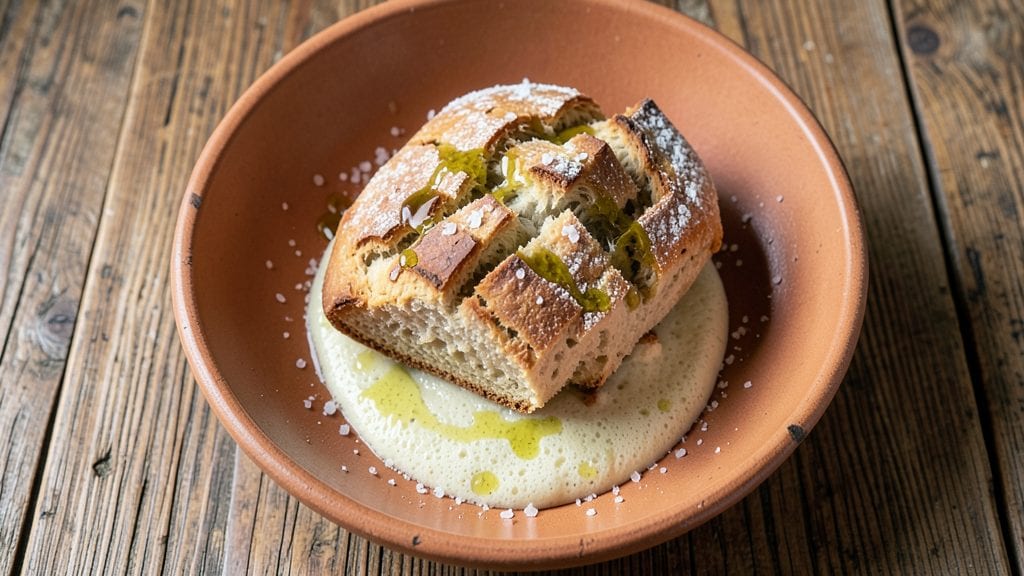
This Puglia bread recipe brings the sun-drenched fields of southern Italy to your kitchen, where simple ingredients transform into a loaf with a crusty crunch and tender crumb. The secret lies in high-protein flour and slow fermentation, just as Puglian bakers have done for generations—no shortcuts, just tradition.
I’ve perfected this version after years of testing, ensuring every slice delivers that signature rustic texture you crave.
The beauty of this recipe is its simplicity: just five core ingredients—flour, water, yeast, salt, and a touch of olive oil—come together to create a loaf that’s both authentic and foolproof.
The key steps—proper kneading, patient proofing, and high-heat baking—might sound technical, but I’ll guide you through each with precision so you achieve that golden crust and airy interior without stress.
What you’ll end up with is a loaf that’s crisp on the outside, soft and slightly chewy inside, with a subtle olive oil richness that makes every bite satisfying.
This bread pairs perfectly with olive oil and tomatoes for a classic Puglian meal, or use it to soak up sauces and soups. The aroma alone will transport you to the countryside.
For those who want to adapt, whole-grain flour or sourdough starter can be incorporated without sacrificing texture. Let’s get started—your kitchen is about to smell like Puglia.
Ingredients for puglia bread
Five simple ingredients transform into Puglia's iconic rustic loaf with crisp crust and tender crumb.
| Ingredient | Amount | Notes |
|---|---|---|
| High-Protein Bread Flour 🌾 | 4 cups | 13-14% protein for structure |
| Active Dry Yeast 🍞 | ¼ tsp | Fresh yeast doubles amount |
| Extra-Virgin Olive Oil 🫒 | 2 tbsp | Fruity, peppery variety preferred |
| Granulated Sugar 🍚 | 1 tsp | Feeds yeast activation |
| Diamond Crystal Kosher Salt 🧂 | 1 ½ tsp | Fine grain for even distribution |
| Warm Water 💧 | 1 ½ cups | 105-110°F for yeast activation |
| Cornmeal 🌽 | ½ cup | For dusting bread pan |
| Coarse Sea Salt 🧂 | 1 tsp | For final crust sprinkle |
| Ice Water ❄️ | ½ cup | For final dough shaping |
The flour is non-negotiable here—King Arthur or Caputo bread flour give that signature Puglian texture. Whole Foods or specialty Italian markets carry Caputo, but King Arthur works perfectly at any grocery store. Yeast is your leavening powerhouse, so check expiration dates—old yeast means flat bread. For the olive oil, California Olive Ranch or Bertolli are reliable choices, but any fruity extra-virgin will do. The sugar isn't for sweetness—it's purely functional, waking up the yeast. Use organic cane sugar if you're particular, but regular granulated works fine. Salt is where you can splurge: Maldon flaky salt gives that gourmet touch, but Diamond Crystal gets the job done.
No bread flour? All-purpose plus 1 tbsp vital wheat gluten mimics the protein content. Yeast not activating? Warm water is key—too hot kills it. Use a thermometer if you're unsure. Short on olive oil? Unsalted butter at half the amount works, though the flavor won't be identical. For the cornmeal, any fine grain works—just don't skip it. It prevents sticking and adds that classic rustic look. The final sprinkle of coarse salt? Don't skip this step—it's what gives that signature Puglian crunch. If you're feeling adventurous, swap 1 tbsp of the bread flour for semolina—it adds a nice crunch to the crust.
This dough needs time—at least 2 hours of proofing at room temperature. Don't rush it. For storage, wrap cooled loaves in beeswax wrap or a cotton towel—keeps them fresh for 3 days. Freeze slices for up to 3 months—toast straight from frozen. The aroma when baking? That's when your kitchen smells like Puglia. Double the recipe if you want to make two loaves—just scale everything up evenly. Leftovers? Perfect for croutons or breadcrumbs—just pulse in a food processor.
Why You'll Love This Recipe
- No-Knead Magic: I swear by this dough—just mix, let it rise, and bake. The high-protein flour does all the heavy lifting while I sip coffee.
- Olive Oil Luxury: That first pull-apart bite? Pure satisfaction. The extra-virgin olive oil gives it a golden crust and buttery crunch—no butter needed.
- Weeknight Workhorse: Toss it with tomatoes and basil for lunch, tear it over pasta, or freeze slices for toast. It’s my go-to when I’m too tired to think.
- Budget-Proof Staple: A single batch feeds my family for days—cheaper than store-bought, lasts longer, and tastes like a Puglian bakery. (Yes, even on a Tuesday night.)
Step-by-step instructions for rustic olive oil loaf
Here's the method that delivers Puglia's signature crusty exterior and tender crumb every time.
Activate the Yeast with Olive Oil and Warm Water
In a large mixing bowl, combine the 1.5 cups warm water (between 105-110°F—test by sprinkling a pinch of sugar in; it should dissolve instantly but not bubble vigorously), 1 tsp granulated sugar, and 0.25 tsp active dry yeast. Let this sit for 5-10 minutes until the mixture becomes frothy and doubles in volume. This indicates the yeast is alive and ready to work.
Next, stir in the 2 tbsp extra-virgin olive oil and let it emulsify into the liquid. The oil will create tiny bubbles and give the dough its signature richness. If the mixture doesn't bubble or looks sluggish after 10 minutes, your yeast may be inactive—start over with fresh yeast. This step ensures your dough develops proper gluten structure and flavor.
Mix and Knead the Dough for Optimal Texture
Gradually add the 4 cups high-protein bread flour and 1.5 tsp diamond crystal kosher salt to the yeast mixture, stirring with a wooden spoon until a shaggy dough forms. The high-protein flour is crucial here—it provides the gluten development needed for that classic Puglia bread structure.
Turn the dough onto a lightly floured surface and knead vigorously for 8-10 minutes by hand (or 5-6 minutes in a stand mixer with a dough hook). You're looking for a smooth, elastic dough that springs back slowly when poked. The kneading develops gluten strands that trap gas during fermentation, giving your bread its signature open crumb. If the dough feels sticky, add flour 1 tablespoon at a time—but don't overdo it, or you'll lose the bread's tenderness.
First Rise and Shaping for Crust Development
Lightly oil a large bowl, place the dough inside, and cover with a damp kitchen towel. Let it rise in a warm place (like a turned-off oven with a cup of hot water inside) for 1-1.5 hours, or until it has nearly doubled in size. You'll know it's ready when you poke the dough gently and it leaves a slow, rounded indent that doesn't spring back immediately.
Punch down the dough to release air, then divide it into 4 equal portions (about 12 ounces each). Shape each into a smooth round loaf by pulling the edges toward the center and sealing the seam. The tight seal prevents air from escaping during baking, which is essential for that signature Puglia crust. Place the shaped loaves on a parchment-lined baking sheet dusted with 0.5 cup cornmeal—this prevents sticking and adds texture to the bottom crust.
Final Proof and Baking for Crusty Perfection
Cover the shaped loaves again and let them rise for 30-45 minutes until they've puffed noticeably. The dough should feel light and springy to the touch. Preheat your oven to 425°F with a Dutch oven or heavy baking stone inside for 30 minutes—this creates the perfect steam environment for crust development.
Carefully transfer the loaves to the preheated oven (use a baking sheet to slide them in if needed). Immediately sprinkle each with 1 tsp coarse sea salt and bake for 25-30 minutes until the crust is deep golden brown and sounds hollow when tapped on the bottom. For extra crustiness, I like to spray the oven walls with water right before baking—this creates additional steam that enhances the bread's texture.
Cool and Finish with Ice Water for Maximum Crunch
Remove the loaves from the oven and let them cool on a wire rack for 10 minutes. This resting period allows the steam inside to redistribute, preventing a gummy crumb. While still warm, brush the tops with 0.5 cup ice water using a pastry brush. The cold water creates a crisp, shatterable crust that's characteristic of Puglia bread.
Let the bread cool completely before slicing—this ensures clean cuts and prevents the crumb from tearing. The finished loaves should have a thick, crackly crust that gives way to a tender, open crumb inside. Each slice should reveal the beautiful olive oil flecks throughout, giving you that authentic Puglia flavor in every bite.
Pro Tips For Making Puglia Bread
- Bloom Yeast Slowly: Dump the yeast into warm water (not hot—think lukewarm bathwater) and let it sit for 5 minutes before adding flour. This gives it time to activate properly, especially in high-protein flour which can be stubborn. I used to rush this, and my dough would always taste flat—like it forgot to rise.
- Salt the Dough Early: Mix the kosher salt into the flour before adding yeast and water. It dissolves more evenly this way, and you won’t end up with pockets of saltiness. Trust me, your first bite will taste noticeably smoother if you do this.
- Don’t Over-Knead Olive Oil: High-protein flour loves kneading, but extra-virgin olive oil resists it. Stop when the dough pulls cleanly away from the bowl—not when it feels like therapy. Overworking it turns the bread dense, and you’ll regret the extra 10 minutes of elbow grease.
- Use a Banneton (or Substitute): If you don’t have a banneton, line a bowl with a floured kitchen towel and invert the dough into it. The towel mimics the banneton’s grip, preventing a collapsed shape when you flip it later. (Yes, even if you’re impatient like me.)
Creative variations of this dish
Classic Pane di Altamura
This is the gold standard of Puglian bread, made with Caputo 00 flour—the same high-protein flour used in Naples for pizza. The dough requires long fermentation (12+ hours) for maximum flavor, which is why bakers in Altamura let it rise overnight.
I’ve adapted this for home cooks by using King Arthur bread flour and a 6-hour bulk ferment at room temperature. The result? A loaf with a thick, crackly crust and airy crumb that’s less dense than your average sandwich bread. 🌾
Herb-Infused Olive Oil Loaf
For a twist on tradition, I add 1 tbsp dried rosemary and 1 tbsp dried oregano to the dough during kneading. The herbs blend beautifully with the olive oil, creating a fragrant loaf that’s perfect for charcuterie boards.
I also reduce the yeast to 0.2 tsp to slow fermentation and enhance the herbal notes. Brush the baked loaf with 1 tbsp extra-virgin olive oil mixed with 1 crushed garlic clove before serving for an extra punch of flavor.
Sourdough Puglian Twist
Replace the yeast with 1 cup active sourdough starter (fed and bubbly) and reduce the warm water to 1 cup. The starter adds complexity and tanginess that pairs wonderfully with the olive oil. For best results, use a 100% hydration starter—this means equal parts starter and water.
The dough will be stickier, so I recommend 10 minutes of hand kneading after adding flour. This version keeps for 5 days on the counter if stored properly in a linen bag.
Whole Grain Rustic Version
Swap 1 cup of bread flour for 1 cup whole wheat flour or 1 cup cracked wheat for a nuttier, heartier texture. The whole grains absorb more liquid, so I add an extra 2 tbsp olive oil and ¼ cup extra water to maintain moisture.
This loaf is denser but still crisp on the outside—ideal for dipping in burrata cheese or olive oil and chili flakes. The whole grains also make it a great option for meal prep, as it stays fresh for 4 days in the fridge.
Sweet Fennel & Anise Loaf
For a unique take, I add 1 tbsp ground fennel seeds and ½ tsp anise seeds to the dough along with the salt. The seeds infuse the loaf with a subtle licorice-like aroma that’s surprisingly delicious.
Toast the seeds in a dry pan for 1 minute before grinding to wake up their flavors. This version is perfect for pairing with proscuitto and melon or ricotta salata. The crust develops a golden, almost caramelized hue from the seeds, making it visually stunning as well as tasty.
Nutrition facts
Frequently asked questions
Why does Puglian bread need such a long rise time?
The extended proofing (at least 2 hours) develops complex flavors and creates that signature open crumb. In Puglia, bakers often let dough rise overnight for maximum depth. The slow fermentation also improves digestibility and shelf life, making it worth the wait.
Can I substitute all-purpose flour for bread flour?
Yes, but add 1 tablespoon vital wheat gluten per cup to mimic the protein content. The gluten strength is what gives Puglian bread its signature structure. If you skip this, your loaf may be denser and less crisp. For best results, use King Arthur bread flour which is widely available.
What's the best way to store leftover Puglian bread?
Wrap cooled loaves in beeswax wrap or a cotton towel to maintain moisture. Store at room temperature for 3 days, or freeze slices for up to 3 months. Toast straight from frozen for that fresh-baked crunch. The key is preventing moisture loss—never use plastic bags.
How do I know when the bread is fully baked?
Look for a deep golden brown crust and tap the bottom—it should sound hollow. The internal temperature should reach 190-200°F. If unsure, check after 25 minutes—overbaking dries out the crumb. A meat thermometer works best for accuracy.
Can I make this bread without a Dutch oven?
Yes! Use a heavy baking stone with a metal pan underneath to trap steam. Alternatively, bake on a regular sheet pan and spray the oven walls with water when you put the bread in. The steam is what creates that signature crackly crust. Just expect slightly less oven spring.