
Side Dishes
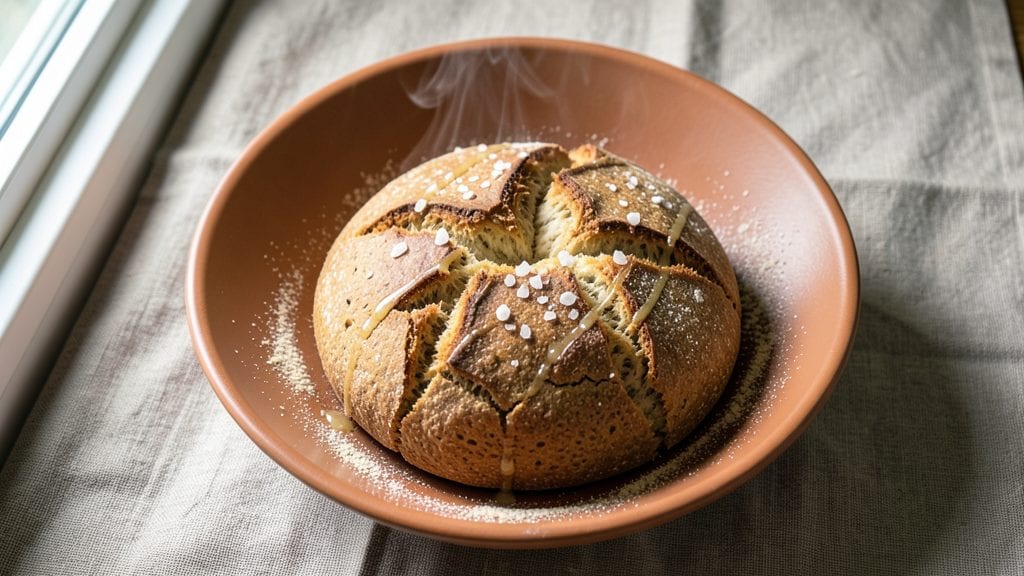
This ragi bread recipe delivers a nutty, fermented loaf packed with probiotic benefits and traditional South Indian roots. The secret lies in fermenting ragi flour—its tangy depth and chewy texture set it apart from regular bread.
I first discovered ragi's potential while researching ancient grain recipes, and this version has become a staple in my kitchen for its nutritional punch and satisfying crunch.
What makes this ragi bread special is its foolproof fermentation process, which develops flavor while improving digestibility. Unlike quick breads, this requires patience—letting the batter rest for 8-12 hours transforms simple ingredients into something extraordinary.
The result? A dense, slightly crispy exterior with a tender interior that holds up beautifully for sandwiches or snacking.
Beyond its texture, ragi bread shines for its nutritional benefits—high in protein, calcium, and fiber compared to wheat bread. It’s also naturally gluten-free, making it versatile for dietary needs.
The nutty flavor pairs well with savory spreads or sweet jams, and the probiotics from fermentation support gut health—something modern baking often overlooks.
Ready to bake? This recipe includes tips for adjusting hydration and flavor variations like flaxseeds or herbs. Let’s get started on creating a bread that’s as good for you as it is delicious.
Ingredients for ragi bread
Simple ingredients transform into a nutty, probiotic-rich loaf with just patience and fermentation.
| Ingredient | Amount | Notes |
|---|---|---|
| Ragi Flour 🌾 | 2 cups | Fine grind, store-bought or homemade |
| All-Purpose Flour 🌾 | 1 cup | Gluten-free blend preferred |
| Active Dry Yeast 🍞 | ¼ tsp | Fresh yeast at half amount |
| Sugar 🍬 | ½ tsp | White or brown sugar |
| Salt 🧂 | ½ tsp | Fine sea salt preferred |
| Warm Water 💧 | 1 ½ cups | 110°F for yeast activation |
| Plant-Based Milk 🥛 | ½ cup | Almond or coconut milk |
| Olive Oil 🫒 | 2 tbsp | Extra-virgin for richness |
| Flaxseeds 🌰 | 1 tbsp | Ground for omega boost |
| Fresh Fenugreek Leaves 🌿 | ¼ cup | Chopped, optional for flavor |
| Sesame Seeds 🌻 | 1 tbsp | Toasted for crunch |
Ragi flour is the star here—look for fine-ground, organic ragi flour at Indian grocery stores like Apna Bazaar or online retailers like Banyan Tree Spice. The finer the grind, the better the texture. If you can't find it, millet flour works in a pinch, though flavor will differ slightly. Fresh yeast is ideal, but if using active dry yeast, make sure it's not expired—it's the key to that perfect rise. For flaxseeds, golden flaxseeds add a milder taste compared to brown, but either works. Toast them lightly before grinding for extra nuttiness.
No ragi flour? Substitute with 100% whole wheat flour, but expect a denser loaf and less probiotic power. Short on fenugreek? Fresh cilantro or mint leaves add brightness, though the flavor profile changes. Using store-bought plant milk? Unsweetened versions work best—skip the vanilla or almond flavors. The olive oil can be swapped for coconut oil or melted vegan butter, but olive adds a lovely depth. For sesame seeds, poppy seeds or sunflower seeds offer similar crunch, though sesame's nutty flavor is unmatched.
This batter needs 8-12 hours of fermentation at room temperature—don’t rush it! Cover with a damp towel to prevent drying. Once baked, store in an airtight container for 3-4 days at room temperature or freeze for up to 3 months. For reheating, wrap slices in foil and warm in a toaster or oven at 300°F for 5 minutes. The bread tastes best the next day—fermentation mellows the tang and deepens the flavor.
Why You'll Love This Recipe
- No Yeast Struggles: I’ve ruined bread before—this recipe proves yeast doesn’t have to be finicky. Just toss in the ragi and all-purpose flour, let it rise once, and bake. No kneading, no waiting hours. Honestly, it’s the kind of bread that makes me feel like a pro.
- Earthy Sweet Crunch: That first bite? The ragi flour gives it a nutty depth, while the sugar just kisses the edges golden. It’s not too sweet, not too bland—just right, with a texture that’s soft inside and satisfyingly crisp outside. (Yes, even on a Tuesday night.)
- Breakfast to Snack: I keep a loaf on hand for toast with peanut butter, sandwiches for lunch, or even crumbled over yogurt. It’s the kind of bread that works hard—no need to bake fresh every time. Between us, my kids grab it straight from the bag for snacks.
- Budget Baking Win: Ragi flour is affordable, and this recipe stretches further than most. A single batch feeds my family for days, and the leftovers? They last longer than my willpower to resist another slice. Plus, no fancy ingredients—just basics you probably already have.
Step-by-step instructions for ragi bread recipe
Here's how to craft this fermented, nutty ragi bread with probiotic benefits—simple steps for perfect texture every time.
Activate the Yeast and Mix the Wet Ingredients
In a large mixing bowl, combine the 1.5 cups warm water (around 110°F) with the 0.5 tsp sugar and 0.25 tsp active dry yeast. Let this sit for 5-10 minutes until you see frothy bubbles forming—this confirms the yeast is alive and ready to work. If it doesn't bubble, your yeast may be dead, and you'll need to start over.
Once bubbly, add the 0.5 cup plant-based milk and 2 tbsp olive oil to the bowl. Stir gently to incorporate. The milk adds richness, while the olive oil ensures a tender crumb. I like to use almond milk here because it pairs beautifully with the nutty ragi flavor, but coconut milk works just as well. Keep this mixture aside for now—it's the foundation of our fermented dough.
Combine Dry Ingredients and Form the Dough
In a separate bowl, whisk together the 2 cups ragi flour and 1 cup all-purpose flour (use a gluten-free blend if needed). Add the 0.5 tsp salt and 1 tbsp ground flaxseeds to the dry mix. The ragi flour gives this bread its distinctive nutty flavor and probiotic benefits, while the flaxseeds boost omega-3 content. Stir well to distribute everything evenly—this prevents pockets of dry flour later.
Now, pour the wet yeast mixture into the dry ingredients. Add the 0.25 cup chopped fresh fenugreek leaves (if using) and mix with a wooden spoon or dough whisk until a shaggy dough forms. The fenugreek adds a subtle bitterness that balances the sweetness of the ragi. If the dough feels too sticky, add 1-2 tablespoons more ragi flour—but don't overdo it, or the bread will turn dense.
Knead and Ferment for Probiotic Development
Turn the dough onto a lightly floured surface and knead for 5-7 minutes until smooth and elastic. You're not looking for a glassy, windowpane-like texture like with wheat bread—ragi dough is naturally stickier and more rustic. The kneading develops gluten in the all-purpose flour while distributing the ragi evenly. If your hands get too sticky, wet them slightly and keep going.
Shape the dough into a round loaf and place it in a lightly oiled bowl. Cover with a damp kitchen towel and let it ferment in a warm place for 4-6 hours, or until it nearly doubles in size. This long fermentation is key—it's what gives the bread its probiotic properties and improves digestibility. Real talk: if your kitchen is cold, place the bowl near a warm spot like the oven with the light on. The dough should feel puffy and springy when pressed gently.
Shape, Proof, and Add Toppings
Once fermented, punch down the dough to release air and shape it into a round loaf or free-form boule on a parchment-lined baking sheet. The ragi dough holds its shape surprisingly well, but don't worry if it's not perfect—this bread is rustic by nature. Brush the top with a little water and sprinkle evenly with 1 tbsp sesame seeds for crunch and extra flavor. The sesame seeds toast beautifully during baking, adding a nutty aroma to the bread.
Let the dough proof for another 30-45 minutes until it rises slightly again. This final proofing ensures a light texture. Preheat your oven to 375°F during this time—you want it hot and ready when the bread goes in. The sesame seeds should be golden and fragrant when you take the bread out, signaling they've toasted perfectly.
Bake to Golden Perfection
Bake the ragi bread for 30-35 minutes until the crust turns a deep golden brown and sounds hollow when tapped on the bottom. The interior should register 190-200°F on an instant-read thermometer. If the top browns too quickly, tent the bread with foil after 20 minutes to prevent over-browning while the center finishes cooking.
Remove from the oven and let the bread cool on a wire rack for at least 15 minutes before slicing. This resting period allows the crumb to set and prevents a gummy texture. The bread should have a crisp crust with a soft, slightly chewy interior. Slice it thickly—ragi bread is heartier than wheat bread and holds together beautifully. Serve warm with butter, jam, or as a side to soups for that nutty, probiotic-rich crunch.
Pro Tips For Making Ragi Bread
- Sift the Ragi First: Ragi flour is dense—sift it before mixing with all-purpose flour, or you’ll end up with a lumpy dough that fights you every step. I learned this the hard way when my first batch turned into a gloppy mess. A fine sift also helps the yeast distribute evenly, so don’t skip it.
- Bloom Yeast in Warm Milk: Skip the water—activate your yeast in warm milk (about 110°F/43°C) for 5-10 minutes before adding to the dough. The fat in milk feeds the yeast faster, and your bread rises smoother. (Yes, even if the recipe says water, trust me on this.)
- Knead Until Silky: Ragi dough is stickier than regular bread dough—knead it until it’s smooth and slightly tacky, not dry. About 8-10 minutes by hand (or 5-6 in a mixer with a dough hook). Under-kneaded dough collapses; over-kneaded dough gets tough. Feel for the balance.
- Proof at Room Temp: Resist the urge to speed this up in the oven. Let the dough rise in a warm, draft-free spot (like a turned-off oven with the light on) for 1-1.5 hours until it’s almost doubled. Cold proofing works, but ragi bread benefits from that gentle, slow expansion—it’s what gives it that soft, airy crumb.
Wine and beer pairings for these flavors
Nutty Ragi's Bold Pairings
The earthy, slightly tangy flavor of ragi bread pairs beautifully with spiced chai or masala chai—the warmth of cinnamon and cardamom complements the bread's nutty depth. I often serve it with black tea for a lighter contrast, especially when topped with almond butter or peanut butter.
The natural sweetness of the bread balances the tea's tannins perfectly. 💛
Fruity Jam Contrasts
Sweet rose petal jam or mango chutney elevates ragi bread to dessert status. The floral notes of rose jam cut through the bread's richness, while mango chutney adds a tropical brightness. For a breakfast twist, try fig jam—its jammy texture and slight tartness create a perfect bite.
Store-bought jams like Bon Appétit Rose Jam work well, but homemade versions taste even better.
Savory Spreads
For a savory twist, spread avocado mash with a pinch of smoked paprika and lemon zest—the creaminess contrasts the bread's chewy texture. Hummus with a drizzle of extra-virgin olive oil and za'atar adds Middle Eastern flair, while vegan butter with a sprinkle of flaky sea salt keeps it simple yet delicious.
The ragi's nutty flavor stands up to bold spreads without overpowering them.
Beer and Cider Matches
A hoppy IPA like Sierra Nevada Pale Ale cuts through the bread's richness, while a crisp wheat beer such as Blue Moon highlights its nutty notes. For a non-alcoholic option, sparkling apple cider with a cinnamon stick adds a refreshing contrast.
The effervescence cleanses the palate, making each bite of ragi bread taste fresh. 🍺
Wine Pairings
Light dry Riesling or Sauvignon Blanc complements the bread's tangy, nutty profile. The wine's acidity balances the ragi's earthiness, while its citrus notes enhance the flavor. For a red option, Pinot Noir with its bright fruitiness works surprisingly well—avoid heavy, tannic wines that clash with the bread's delicate texture.
Chill the wine slightly for the best experience.
Coffee and Spice Twists
Finish your meal with a strong black coffee and a sprinkle of cocoa nibs—the bitterness of coffee and the crunch of nibs contrast the bread's softness. For a dessert version, drizzle dark chocolate ganache over warm ragi bread and top with toasted coconut flakes.
The combination of coffee, chocolate, and ragi creates a luxurious, satisfying bite. ☕
Nutrition facts
Frequently asked questions
Why does ragi bread need fermentation?
Fermentation is key for developing ragi bread's signature tangy flavor and improving digestibility. The 8-12 hour rest allows natural probiotics to form, breaking down nutrients for better absorption. This process also creates a lighter texture compared to quick breads. Skipping fermentation results in a denser, less flavorful loaf.
Can I make this ragi bread without yeast?
Yes! For a yeast-free version, replace the yeast with 1 tsp baking soda and 1 tbsp vinegar (or lemon juice). Mix them into the wet ingredients, then proceed with the recipe. The bread will be denser but still delicious. Fermentation time drops to 1-2 hours before baking. This method works well for quick preparation.
How do I store ragi bread to keep it fresh?
Store in an airtight container at room temperature for 3-4 days or freeze for up to 3 months. For reheating, wrap slices in foil and warm at 300°F for 5 minutes. Avoid plastic bags—they trap moisture and make the bread soggy. The bread actually tastes better the next day as flavors meld further.
What if my ragi dough is too sticky?
Add 1-2 tablespoons more ragi flour gradually until the dough becomes manageable. Over-kneading can make it tough, so focus on just 5-7 minutes of kneading. If it's still too wet, try adding 1 tablespoon ground flaxseeds—they absorb moisture. Remember, ragi dough is naturally stickier than wheat dough due to its high fiber content.
Can I substitute ragi flour with other grains?
For a similar texture, try millet flour or buckwheat flour, but expect slight flavor differences. A 50/50 mix of ragi and whole wheat flour also works well. Avoid almond flour—it lacks the moisture-binding properties of ragi. If using substitutions, reduce other flours by 10% to maintain structure. The nutty flavor will vary but still be delicious.