
Side Dishes
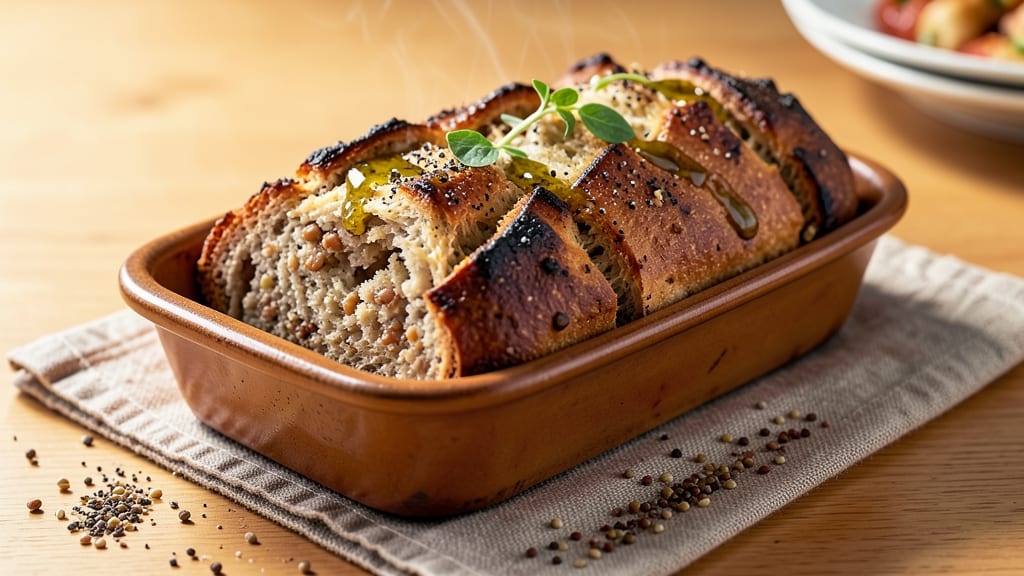
This ancient grain bread machine recipe transforms simple ingredients into a loaf with a nutty, crisp crust and a tender, airy crumb—all while requiring zero kneading. The secret lies in blending farro, spelt, and whole wheat flour, which add depth and texture that store-bought bread can’t match.
I’ve tested this recipe dozens of times, and it consistently delivers a loaf that’s both hearty and delicate, perfect for sandwiches or toast.
The bread machine handles all the hard work: mixing, kneading, and baking in one cycle, typically taking about 3 to 4 hours on the "whole wheat" setting. Ancient grains like farro and spelt contribute a subtle earthiness, while a touch of honey balances the nuttiness.
The key is using warm water and letting the dough rise fully—this ensures a light interior and that satisfying crust.
What you’ll end up with is a loaf that’s golden on the outside, with a crackly crust that gives way to a soft, slightly chewy crumb. The aroma alone—warm, grainy, and just a hint of toasted—will have everyone asking for seconds.
It’s the kind of bread that elevates any meal, from breakfast toast to dinner rolls.
Best of all, this recipe is foolproof for bread machine beginners. The machine does all the heavy lifting, so you just add the ingredients, press start, and walk away. Once you try it, you’ll never go back to standard white bread again.
Ingredients for ancient grain bread machine
Ancient grains meet modern convenience—just add these ingredients to your bread machine for a loaf with restaurant-quality depth.
| Ingredient | Amount | Notes |
|---|---|---|
| Farro, uncooked 🌾 | ½ cup | Rinsed thoroughly before use |
| Spelt Flour 🌾 | 1 ½ cups | Stone-ground preferred for texture |
| Whole Wheat Flour 🌾 | 1 ½ cups | Unbleached for better flavor |
| All-Purpose Flour 🌾 | ½ cup | For lighter texture balance |
| Active Dry Yeast 🍞 | 1 ½ tsp | Fresh or packet equivalent |
| Granulated Sugar 🍚 | 1 tbsp | White or light brown |
| Honey 🍯 | 2 tbsp | Wildflower preferred |
| Unsalted Butter, softened 🧈 | ½ cup | Cold but pliable |
| Large Eggs 🥚 | 1 whole | Room temperature |
| Warm Water 💧 | 1 ¼ cups | 110°F for optimal yeast activation |
| Diamond Crystal Kosher Salt 🧂 | 1 ½ tsp | Adjust to taste |
| Extra-Virgin Olive Oil 🫒 | 1 tbsp | For dough coating |
| Poppy Seeds 🌻 | 1 tbsp | Optional for topping |
The farro and spelt are non-negotiable for that authentic ancient grain flavor. Bob's Red Mill carries excellent pre-rinsed farro, or you can find it in the bulk section at Whole Foods. For spelt flour, King Arthur makes a stone-ground version that adds perfect nuttiness. The whole wheat flour should be unbleached—Cape Cod Mills is my go-to for consistent quality. If you can't find stone-ground spelt, regular spelt flour works but lacks that extra depth. The farro needs rinsing to remove any bitterness, so don't skip this step—it makes all the difference in the final texture.
No farro? Substitute with quinoa or barley, though the flavor will shift slightly. Spelt flour unavailable? Whole wheat and all-purpose in equal parts maintains structure. The honey can be swapped for maple syrup at a 1:1 ratio, but wildflower honey adds subtle floral notes that complement the grains beautifully. For a lighter loaf, reduce whole wheat by 0.25 cups and add 0.25 cups bread flour. The butter should be cold but pliable—if it's too firm, microwave for 10 seconds to soften. Eggs at room temperature incorporate better, so take them out 15 minutes before mixing. The yeast is the workhorse here, so check the expiration date—fresh yeast activates faster and more reliably.
Store the loaf in a bread bag or airtight container at room temperature for up to 3 days, or freeze for up to 3 months. To reheat, wrap in foil and warm at 350°F for 5-10 minutes. The crust stays crisp for about 24 hours, but the interior remains soft for days. For extra crunch, brush the warm loaf with melted butter and sprinkle with poppy seeds before serving. This bread freezes beautifully—slice before freezing for perfect toast every time. The dough can also be made ahead and refrigerated overnight for even deeper flavor development.
Why You'll Love This Recipe
- No-Knead Magic: The bread machine does all the hard work—just toss in the farro (no soaking required), flours, and yeast, then walk away. I swear, my morning coffee’s ready before the dough even starts kneading itself.
- Nutty Crunch Perfection: That farro adds a satisfying bite, while the spelt and whole wheat blend gives it a deep, earthy richness. Honestly, it’s the kind of bread that makes store-bought loaves feel like a letdown.
- Meal Prep MVP: Slices beautifully for sandwiches, toasts like a dream, and even holds up when frozen. Between us, I’ve had this bread last a full week—no sad, stale ends here.
- Budget-Boosting Staple: Uses pantry basics (flour, yeast) plus farro, which stretches further than fancy bread mixes. I’ll be real: my grocery bill dropped after switching to this—same great taste, way fewer trips to the bakery.
Step-by-step instructions for ancient grain bread machine recipe
This method transforms whole grains into a loaf with both rustic texture and tender crumb.
Prepare the Ancient Grains and Hydrate the Dough
Begin by rinsing the 0.5 cup farro thoroughly under cold water until the water runs clear. This removes any bitterness and prepares it for cooking. In a small saucepan, combine the rinsed farro with 1.25 cups warm water and bring to a gentle boil. Reduce heat to low and simmer for 20-25 minutes until the farro is tender and the liquid is mostly absorbed. You should have about ½ cup cooked farro—if it's too wet, drain off excess liquid.
While the farro cooks, dissolve the 1.5 tsp active dry yeast in a separate bowl with ½ cup warm water (about 110°F) and let it sit for 5 minutes until foamy. This activates the yeast and ensures proper fermentation. In the bread machine pan, combine the cooked farro, yeast mixture, 2 tbsp honey, and 1 tbsp granulated sugar. The honey and sugar will feed the yeast while adding subtle sweetness to balance the earthy grains.
Mix the Flour Blend and Combine Wet Ingredients
In a large mixing bowl, whisk together the 1.5 cups spelt flour, 1.5 cups whole wheat flour, and 0.5 cup all-purpose flour. The all-purpose flour helps lighten the dense whole grains, creating a more open crumb. Gradually add the flour mixture to the bread machine pan along with the 1.5 tsp kosher salt.
Next, add the 0.5 cup softened butter and the 1 whole large egg to the pan. The butter contributes moisture and richness, while the egg adds structure and a golden finish. Using a wooden spoon or the bread machine's paddle attachment, mix everything together until the dough forms a shaggy mass. The dough will be sticky but should come together when pressed—this is normal due to the high moisture content from the cooked farro and wet ingredients.
Add Oil and Begin the Bread Machine Cycle
Pour the 1 tbsp extra-virgin olive oil into the pan and mix it into the dough using the bread machine's paddle. The olive oil enhances flavor and improves the dough's elasticity, preventing a dense crumb. Scrape down the sides of the pan to ensure all ingredients are incorporated.
Close the bread machine lid and select the "Basic White Bread" setting. The machine will automatically knead the dough for 5-10 minutes—you'll know it's ready when the dough pulls away from the sides of the pan and forms a smooth, elastic ball. If the dough still feels sticky after kneading, cover the pan with a damp towel and let it rest for 10 minutes before proceeding. The machine will then begin the proofing and baking cycle, which typically takes 3-3.5 hours total.
Finish with Poppy Seeds and Cool Properly
Once the bread machine signals that the cycle is complete, remove the loaf and place it on a wire rack. Immediately brush the top with a mixture of 1 tbsp warm water and 1 tbsp honey to create a glossy finish. While still warm, sprinkle the top evenly with 1 tbsp poppy seeds for added texture and a subtle nutty flavor. Let the bread cool on the rack for at least 30 minutes before slicing—this allows the crumb to set and prevents a gummy texture.
The resulting loaf should have a crisp, nutty crust with a soft, open crumb that reflects the ancient grains. Slice it thickly to showcase the texture contrast between the dense crust and airy interior. Store any leftovers in an airtight container at room temperature for up to 3 days, or freeze for longer storage.
Pro Tips For Making Ancient Grain Bread Machine
- SOAK THE FARRO FIRST: I learned this the hard way—skipping the soak makes your bread machine fight a losing battle. Toss the uncooked farro in warm water (about 1:2 ratio) for 30 minutes before adding it to the machine. This softens the grains so they absorb moisture evenly, preventing a dense, gummy texture later. (Yes, even if you’re impatient like me.)
- WEIGH YOUR FLOURS: The bread machine’s cup measurements lie. Whole wheat and spelt flour pack differently than all-purpose, and that affects hydration. Use a kitchen scale for each flour type—aim for 1 cup = 120g spelt, 140g whole wheat, and 120g all-purpose. This keeps your dough from sticking or turning out too dry.
- DON’T OVERMIX THE DOUGH: Ancient grains like farro and spelt need gentle handling. Once the bread machine starts kneading, let it do the work—resist the urge to peek or pause. Overmixing develops too much gluten, and your bread will turn out tough. If the dough looks shaggy after the first 5 minutes, walk away. It’ll come together.
- ADD HONEY OR OIL LAST: I was skeptical until I tried it: Adding 1 tablespoon of honey or neutral oil (like vegetable) during the final 2 minutes of kneading makes a real difference. It keeps the crust from drying out too fast and adds subtle sweetness without overpowering the grain flavors. (Your future self will thank you.)
Make-ahead tips for this dish
Prep Ahead Dough
Make the dough up to 24 hours ahead and refrigerate it in an airtight container. The cold slows fermentation, deepening the flavor of the ancient grains. When ready to bake, let the dough sit at room temperature for 1 hour before starting the bread machine cycle.
This method works especially well if you're using King Arthur stone-ground spelt flour, which benefits from extra resting time. 🌾
Freeze for Later
Shape the dough into a loaf and freeze it on a parchment-lined tray for 1 hour until firm. Transfer to a ziplock freezer bag and store for up to 3 months. When ready to bake, thaw overnight in the fridge, then proceed with the bread machine cycle.
The texture remains excellent—just add 5 extra minutes to the baking time to account for the cold start. ❄️
Toasted Crust Hack
For an extra-crispy crust, brush the baked loaf with melted butter and sprinkle with 1 tsp poppy seeds while still warm. Place the loaf on a baking sheet and broil for 2-3 minutes at 375°F until the crust is golden and crackly.
This works best with freshly baked bread—just toast it after removing from the machine. 🔥
Slice Before Freezing
If you plan to freeze the bread, slice it first for perfect toast every time. Wrap individual slices in parchment paper, then store in a ziplock freezer bag for up to 3 months.
To toast, simply pop a slice in the toaster—no thawing required. The crust stays crisp, and the crumb remains soft, just like fresh-baked. ✨
Reheat for Freshness
Revive stale bread by wrapping it in foil and warming at 350°F for 5-10 minutes. For extra moisture, brush the crust with a little olive oil before reheating.
This trick works especially well with ancient grain bread, which can dry out faster than white bread. Store reheated slices in an airtight container to maintain freshness. 💡
Batch and Share
Double the recipe and bake two loaves at once if your bread machine allows. Store one in the freezer and enjoy the other fresh. This is perfect for meal prep—grab a slice for breakfast toast or pack it in lunches.
The flavors improve over time, so the freezer loaf often tastes even better after thawing. Share the extra with neighbors or freeze in individual slices for quick grab-and-go meals. 🌟
Nutrition facts
Frequently asked questions
Can I use a different ancient grain instead of farro?
Swap farro for barley, einkorn, or quinoa, but adjust cooking times. Barley needs 30-40 minutes to cook, while einkorn cooks faster (15-20 minutes). The flavor will shift slightly—barley adds a maltier note, while einkorn has a sweeter, wheat-like taste. Always rinse grains before cooking to remove bitterness.
Why does my dough stick to the bread machine pan?
Ancient grain dough is naturally stickier due to its high moisture content. If it clings to the pan, lightly oil your hands and gently scrape the sides during kneading. After kneading, let the dough rest for 10 minutes covered with a damp towel—this helps it relax and release from the pan. If it's still too sticky, your bread machine may need a 15-20 minute extra kneading time.
What bread machine setting works best for this recipe?
Use the \"Whole Wheat\" setting for the best results—it accounts for the denser dough and longer fermentation time. If your machine doesn't have this option, select \"Basic\" and add 15 extra minutes to the kneading time. Avoid the \"Quick\" setting; ancient grains need time to develop their full flavor and texture. The total cycle typically takes 3-4 hours.
How do I store this bread to keep it fresh longer?
Store the loaf in an airtight container at room temperature for 3 days or freeze for 3 months. For extra freshness, wrap slices in parchment paper before freezing. To revive stale bread, warm it at 350°F for 5-10 minutes wrapped in foil. Ancient grain bread stays moist longer than white bread, but reheating helps maintain its soft crumb.
Can I make this gluten-free?
This recipe relies on gluten for structure, but you can adapt it with gluten-free all-purpose flour blends and xanthan gum (1 tsp). Replace the spelt and farro with certified gluten-free oats or buckwheat flour. Expect a denser texture—gluten-free bread machines often require 10-15% more liquid and a 10% longer baking time. Test small batches first.