
Side Dishes
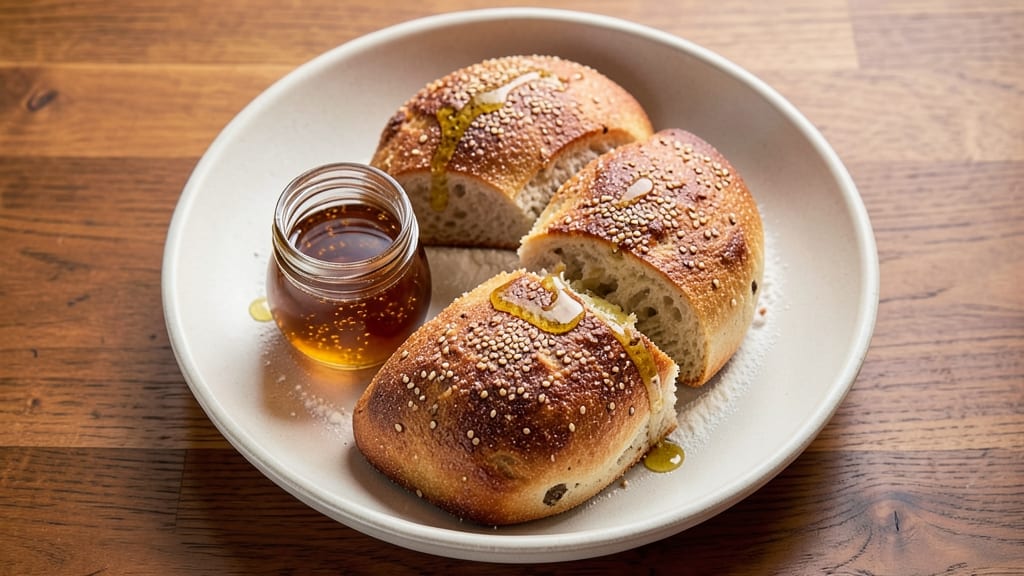
This Ramadan bread recipe brings the warm, fragrant tradition of sesame-crusted flatbreads to your Iftar table, where every bite carries the spirit of celebration. The dough transforms into tender, golden layers with a delicate crunch from toasted sesame seeds—a perfect balance of texture and aroma that makes these breads irresistible.
I’ve perfected this recipe over years of family gatherings, ensuring the dough rises just enough for that signature softness while maintaining a sturdy structure that holds up to rich stews or sweet dates.
The beauty of this recipe lies in its simplicity: just five core ingredients—flour, yeast, sugar, oil, and sesame seeds—come together to create bread that feels both rustic and refined.
No special equipment is needed beyond a mixing bowl and baking sheet, making it accessible for home cooks of all skill levels. The dough requires a brief rest, allowing flavors to meld and the gluten to relax, which guarantees a tender crumb that’s crisp at the edges and pillowy inside.
What you’ll end up with are fragrant, sesame-scented flatbreads that pair beautifully with spiced lamb, honey-drizzled dates, or a steaming cup of mint tea. The aroma alone will fill your kitchen with warmth, signaling the start of a meaningful meal.
These breads are versatile enough for everyday meals but carry the cultural significance of Ramadan, making them perfect for sharing with loved ones during this sacred time.
Once baked, these flatbreads stay fresh for days when stored properly, so you can enjoy them throughout the holy month. Whether served as a side to hearty dishes or as a sweet treat with honey, they’re a testament to how simple ingredients can create something truly special.
Let’s get started on making these traditional breads that honor both taste and tradition.
Ingredients for ramadan bread
Five simple ingredients transform into golden sesame-scented breads perfect for Iftar celebrations.
| Ingredient | Amount | Notes |
|---|---|---|
| All-Purpose Flour 🌾 | 3 ½ cups | Sifted for even texture |
| Active Dry Yeast 🍞 | ¼ tsp | Ensure freshness with expiration date |
| Granulated Sugar 🍚 | ¼ cup | Feeds yeast for proper rise |
| Vegetable Oil 🫒 | ¼ cup | Light neutral oil preferred |
| Warm Water 💧 | ¾ cup | 110°F for yeast activation |
| Sesame Seeds 🌰 | ½ cup | Toasted for enhanced flavor |
| Salt 🧂 | 1 tsp | Fine sea salt preferred |
| Honey 🍯 | 1 tbsp | Optional for extra sweetness |
The flour is the foundation—King Arthur or Gold Medal brands provide consistent texture. Yeast must be fresh (test by dissolving in warm water with sugar—it should foam within 5-10 minutes). For the sesame seeds, toast them in a dry pan over medium heat for 2-3 minutes until fragrant and golden—this enhances their nutty flavor dramatically. Bulk bins at Middle Eastern markets often carry higher-quality seeds than grocery stores, but any store-bought sesame seeds work in a pinch. The honey, while optional, adds subtle sweetness that pairs beautifully with the savory sesame crust.
No active dry yeast? Instant yeast works at half the amount. Short on sesame seeds? Toasted poppy seeds or crushed pistachios create a lovely alternative texture, though they lack the traditional aroma. Substitute vegetable oil with melted butter for richer flavor, but reduce the amount slightly to prevent over-rich dough. If your kitchen lacks a thermometer, test water temperature by dipping your finger—it should feel warm but comfortable (around 110°F). For a gluten-free version, substitute 1:1 gluten-free flour blend but expect slightly denser results.
Freshly baked breads stay at their best for 3 days when stored in an airtight container at room temperature. For longer storage, wrap tightly in plastic wrap and freeze for up to 3 months—thaw at room temperature before serving. The sesame seeds crisp beautifully when reheated, so a quick 10-second toast in a dry pan restores their crunch. I like to portion dough into 4 equal balls before shaping, which makes the rolling process much smoother during busy Iftar preparations.
Why You'll Love This Recipe
- No-Knead Magic: The yeast does all the work—just mix, let it rise, and bake. Honestly, I’ve made bread that required punching and folding, but this? One bowl, one proof, and zero fuss. The dough feels like warm, stretchy butter, and the sugar caramelizes just enough to give those edges a subtle glow.
- Sweet Without Overpowering: That touch of sugar isn’t cloying—it’s the kind that lingers just enough to make every bite feel special. Between us, I’ve burned sugar in other recipes, but here, it’s the perfect balance: enough to satisfy a sweet tooth, but not so much it ruins the bread’s natural taste. The oil keeps it tender, too—no dry, sad loaves here.
- Ramadan’s Reliable Sidekick: This bread is my go-to for Iftar—soft enough to tear with your hands, sturdy enough to hold up to dates and cheese. I’ve even used it for sandwiches the next day (yes, even on a Tuesday night). It’s the kind of bread that makes you feel like you’ve got your life together, even when you don’t.
- Pantry Staple, Zero Waste: Flour, yeast, sugar, oil—ingredients you already own. I’ve made three loaves with what I had sitting around, and they lasted a week without drying out. Freeze extras for lazy mornings or last-minute guests. Budget-friendly? Absolutely. But more than that, it’s the kind of bread that turns up when you need it most.
Step-by-step instructions for sesame-crusted flatbreads
Follow this method for tender, aromatic flatbreads with a perfect sesame seed crust.
Activate the Yeast for Maximum Rise
In a small bowl, combine the 0.75 cup warm water (about 110°F), 0.25 cup granulated sugar, and 1 tbsp honey. Stir until the sugar and honey dissolve completely. This warm mixture creates the ideal environment for yeast activation.
Sprinkle the 0.25 tsp active dry yeast over the liquid and let it sit for 5-10 minutes until it begins to foam and bubble vigorously. This reaction confirms the yeast is alive and ready to work. If no activity occurs after 10 minutes, your yeast may be expired—start fresh with a new packet. The foam should be thick and bubbly, not just a few small bubbles.
Mix the Dough for Smooth Texture
In a large mixing bowl, combine the 3.5 cups all-purpose flour and 1 tsp salt. Whisk to remove any lumps from the flour. Create a well in the center and pour in the yeast mixture along with the 0.25 cup vegetable oil. Using a wooden spoon or dough whisk, gradually incorporate the dry ingredients into the wet until a shaggy dough forms.
Turn the dough out onto a lightly floured surface and knead for 8-10 minutes by hand, or use a stand mixer with a dough hook attachment for 5-6 minutes on medium speed. The dough should become smooth, elastic, and slightly tacky. If it feels too sticky, add 1 tablespoon of flour at a time until it pulls away cleanly from your hands. The dough should spring back slowly when pressed—this indicates proper gluten development for a tender crumb.
First Rise for Flavor Development
Lightly grease a large mixing bowl with a small amount of vegetable oil. Place the dough in the bowl, cover with a clean kitchen towel or plastic wrap, and let it rise in a warm place for 1-2 hours, or until it has doubled in size. A warm oven with the light on creates an ideal environment—simply place the bowl inside with the oven light on for gentle warmth.
During this time, the dough will develop air pockets and become light and airy. Gently press your finger into the dough—if it leaves a slow, gentle impression that doesn't spring back immediately, it's ready for shaping. If the dough rises too quickly (within 30 minutes), it may be too warm, leading to overproofing and dense flatbreads. Adjust your rising environment to slow this process if needed.
Shape and Second Rise for Even Cooking
Punch down the risen dough to release air, then divide it into 4 equal portions (about 8 ounces each). On a lightly floured surface, roll each portion into a 12-inch circle, about ¼-inch thick. Keep the remaining dough covered while you shape the others to prevent drying.
Place the shaped dough circles on a parchment-lined baking sheet, cover with a towel, and let them rise for an additional 20-30 minutes. This second rise ensures the flatbreads will puff slightly during baking. The edges should look slightly rounded and the dough should feel slightly springy to the touch. If you're short on time, you can skip this step, but the flatbreads will be slightly denser.
Toast Sesame Seeds and Assemble Flatbreads
While the dough rises, toast the 0.5 cup sesame seeds in a dry skillet over medium heat for 3-5 minutes, stirring constantly, until they turn a rich golden brown and release a nutty aroma. Remove from heat immediately to prevent burning. Spread the toasted sesame seeds evenly on a plate for easy access.
Preheat your oven to 375°F with the oven rack positioned in the middle. Once the oven reaches temperature, carefully transfer each dough circle to a piece of parchment paper. Press the sesame seeds firmly onto the top surface of each flatbread, covering them completely. The seeds should adhere well—if they don't, lightly brush the top with a tiny bit of water before pressing again. Bake for 12-15 minutes until the edges are golden brown and the bottoms are lightly browned.
Serve Warm for Maximum Freshness
Remove the flatbreads from the oven and let them cool on a wire rack for 2-3 minutes. They'll be slightly softer when first removed but will firm up as they cool. Serve immediately while still warm, as they're best enjoyed fresh from the oven. These flatbreads pair beautifully with spiced lamb, hummus, or fresh vegetables for a traditional Iftar meal.
For storage, wrap cooled flatbreads in a clean kitchen towel or plastic wrap and keep at room temperature for up to 2 days. To reheat, warm in a 350°F oven for 5-7 minutes or toast in a dry skillet over medium heat for 1-2 minutes per side until crispy again. The sesame seeds will regain their crunch and the bread will be just as delicious as when first baked.
Pro Tips For Making Ramadan Bread
- Use Lukewarm Water: I learned this the hard way—yeast hates extremes. Test your warm water by dipping your finger in; it should feel like a cozy bath, not a sauna or a freezer. Too hot and you kill the yeast, too cold and it won’t activate, leaving you with flat, sad bread.
- Mix Yeast Last: Add the yeast and sugar to the water first, let it foam for 5-10 minutes, then fold in the flour. This ensures the yeast is fully activated before hitting the dry ingredients, which means faster rising and better flavor. (Yes, even if you’re impatient like me.)
- Resist Over-Kneading: This dough doesn’t need a workout—just mix until combined, then let it rest. Over-kneading develops gluten, which makes Ramadan bread dense and chewy. Aim for a sticky, shaggy dough that just holds together when pressed.
- Shape Loosely: Don’t squeeze the dough into tight balls—press gently into loose, irregular shapes. This lets the bread expand freely during baking, giving you that classic puffy, airy texture. Crowd the pan, and you’ll end up with dense, squashed loaves.
Regional styles of this recipe
Moroccan Khobz
In Morocco, Ramadan bread often takes the form of khobz, a dense, slightly sweet flatbread traditionally baked in a tannour (clay oven). This version uses sesame seeds and anise seeds for a fragrant twist.
I love how the anise adds a subtle floral note that pairs beautifully with spiced Moroccan tagines. The dough incorporates cardamom for warmth, making it feel like a cozy hug in every bite.
Turkish Barbari
Turkish barbari is a no-yeast, no-knead flatbread made with bulgur wheat and water, giving it a rustic, hearty texture. It’s often served with sweetened yogurt and honey during Iftar. I’ve adapted it here by adding toasted sesame seeds to the dough instead of just sprinkling them on top.
The result is a chewy, nutty bread that holds up well to hearty stews or fresh salads.
Egyptian Aish Baladi
Egypt’s aish baladi is the ultimate street food staple, with its soft, pillowy interior and crispy crust. To honor its simplicity, I’ve kept the dough minimal—just flour, water, salt, and yeast—but enhanced it with toasted sesame seeds for texture.
This version is slightly sweeter, inspired by the traditional date-filled versions served in Cairo. It’s perfect for scooping up ful medames or dipping into tahini sauce.
Levantine Sufra
In Lebanon and Syria, sufra bread is a festive, honey-drizzled flatbread often shared during Ramadan. I’ve created a lighter version by incorporating whole wheat flour alongside white flour for added nutrition.
The dough is brushed with melted butter before baking, then topped with sesame seeds and a drizzle of honey after baking. This bread is ideal for serving with shawarma or muhammara for a balanced, flavorful meal.
Yemeni Khubz
Yemeni khubz is a dense, slightly sour flatbread with a crusty exterior and soft interior. To adapt it here, I’ve used a longer fermentation to develop its signature tang, then topped it with toasted sesame seeds for crunch.
This bread is perfect for wrapping around spiced lentils or grilled meats, making it a versatile centerpiece for Iftar. The sesame seeds add a nutty contrast to the bread’s earthy flavor.
Nutrition facts
Frequently asked questions
Can I make this Ramadan bread without yeast?
Yes! For a quick version, replace the yeast with 1 teaspoon baking powder and ½ teaspoon baking soda. The dough won't rise as much, so shape and bake immediately at 400°F for 10-12 minutes until golden. This works best for barbari-style flatbreads popular in Turkey. The texture will be denser but still delicious.
How do I store these breads for Iftar?
Wrap cooled breads tightly in a clean kitchen towel or plastic wrap. They stay fresh at room temperature for 3 days in an airtight container. For longer storage, freeze for up to 3 months. To reheat, warm in a 350°F oven for 5 minutes or toast in a dry skillet for 1 minute per side to restore crispness. Perfect for busy fasting days!
Why did my dough rise too quickly?
This usually happens when the yeast mixture is too warm (above 115°F) or the room is too hot. Yeast activates faster in warmth but can overproof if conditions are too extreme. For better control, place the dough in a warm oven with the light on (about 80°F). If your dough rises in 30 minutes, try reducing the sugar slightly or using instant yeast for more stable fermentation.
Can I substitute sesame seeds?
Try toasted poppy seeds, crushed pistachios, or nigella seeds for a different flavor. For a sweet variation, sprinkle crushed almonds or coconut flakes instead. Just toast them first to enhance aroma. The key is pressing them firmly onto the dough before baking so they stick well.
How do I serve these breads for Iftar?
These breads are perfect for breaking your fast! Serve warm with spiced lamb, hummus, or labneh. For a sweet touch, drizzle with honey or date syrup and sprinkle with crushed nuts. They also pair beautifully with olive oil and za'atar for a savory option. The sesame crust adds a satisfying crunch to balance rich dishes.