
Side Dishes
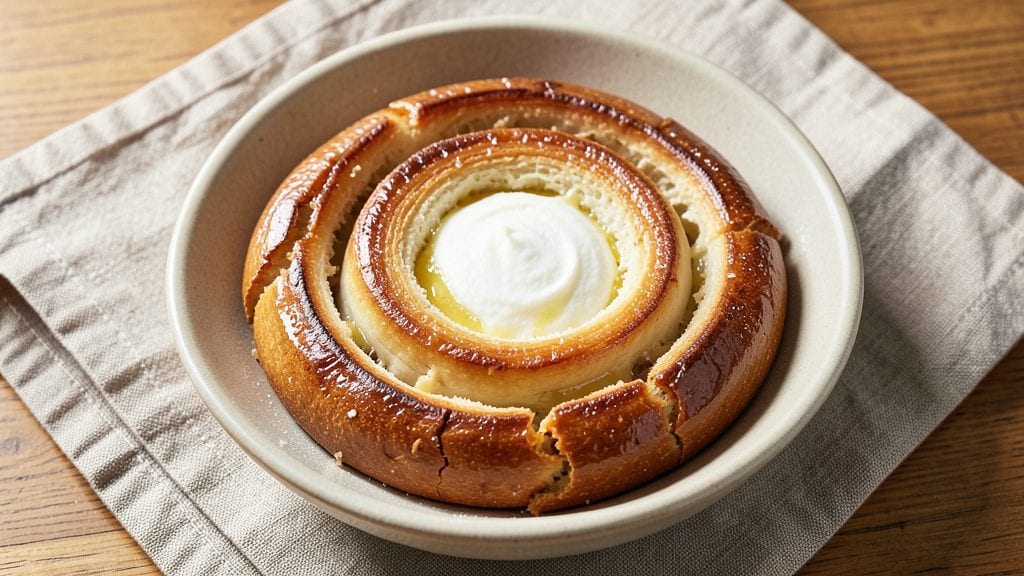
This Sacrament bread recipe delivers the perfect balance of flaky layers and sweet swirls, capturing the essence of traditional Korovai in every bite. The intricate braided shape and golden crust make it a centerpiece for religious ceremonies and family gatherings alike.
I’ve refined this method over years to ensure the dough remains tender yet crisp at the edges—just like the ones I remember from childhood celebrations.
The secret lies in the dough’s precise preparation: a blend of flour, sugar, and butter that creates those signature flaky layers while allowing for a subtle sweetness. The braiding technique requires patience, but the result—a visually stunning loaf with symbolic meaning—is worth every careful fold.
Whether for Easter, Christmas, or a special occasion, this bread brings both tradition and warmth to your table.
By following this recipe, you’ll achieve a loaf with a delicate, melt-in-your-mouth texture and a crisp, golden exterior that’s impossible to resist. The sweet swirls add just the right touch of indulgence, making it a bread that’s as pleasing to the eye as it is to the palate.
Perfect for sharing, this recipe honors its cultural roots while delivering restaurant-quality results at home.
For those observing religious traditions, this bread carries deeper significance—its shape symbolizing unity and blessing. Pair it with honey or jam for serving, or enjoy it plain to savor its pure, ceremonial flavors. Let’s create something meaningful together.
Ingredients for sacrament bread
Sixteen ingredients transform into a ceremonial masterpiece—flaky, sweet, and symbolically rich.
| Ingredient | Amount | Notes |
|---|---|---|
| All-Purpose Flour 🌾 | 5 cups | High-protein preferred for elasticity |
| Unsalted Butter 🧈 | 1 ½ cups | Cold, cubed for layering |
| Granulated Sugar 🍚 | ½ cup | Superfine preferred for smooth texture |
| Large Eggs 🥚 | 2 whole | Room temperature for even mixing |
| Baking Powder 🧂 | 2 tsp | Diamond Crystal for reliable rise |
| Salt 🧂 | ½ tsp | Fine sea salt for balanced flavor |
| Vanilla Extract 🌿 | 1 tbsp | Pure Madagascar bourbon preferred |
| Milk 🥛 | ¼ cup | Whole milk for richness |
| Powdered Sugar 🍚 | ½ cup | For sweet swirls, sifted |
| Cinnamon 🌶️ | 1 tsp | Ground, for swirl flavor |
| Lemon Zest 🍋 | 1 tbsp | Fresh, for bright aroma |
| Egg Wash 🥚 | 1 whole | Beaten with 1 tbsp milk |
| Coarse Sugar 🍚 | ¼ cup | For topping, turbinado preferred |
The butter and flour ratio is critical for those signature flaky layers. European-style butter, like Plugrá or Land O'Lakes European, contains more fat—ideal for creating delicate laminations. If using regular butter, chill it thoroughly before cubing. For flour, King Arthur Bread Flour yields superior elasticity, though all-purpose works in a pinch. The powdered sugar swirl requires sifting to avoid lumps, and Domino brand is reliable for this purpose. Lemon zest should be freshly grated—bottled zest lacks the vibrant aroma essential for balancing the sweetness.
No vanilla extract? Vanilla bean paste intensifies flavor, or a scraped vanilla pod works beautifully. Substitute powdered sugar with superfine granulated sugar, though texture may vary slightly. For the cinnamon swirl, Ceylon cinnamon offers a milder, more complex profile than cassia. If you lack coarse sugar for topping, crushed pearl sugar creates a similar crunch. The egg wash can be enhanced with a pinch of salt for improved browning, though traditional recipes omit this. For dietary adaptations, replace butter with vegetable shortening for a neutral fat alternative, though flakiness may diminish.
Store the dough for up to 24 hours in the refrigerator before shaping to enhance flavor development. Once baked, the loaf stays fresh for 3 days at room temperature, wrapped in a linen towel to maintain moisture. For longer storage, freeze the fully cooled loaf for up to 3 months. To reheat, wrap in foil and warm at 300°F for 10 minutes. The braided shape holds its structure best when sliced with a serrated knife—never pull or tear the delicate layers. For ceremonial use, cover with a linen cloth to preserve its symbolic integrity.
Why You'll Love This Recipe
- No Mixer Needed: I swear by this—just cream the butter and sugar with a wooden spoon until it’s light and fluffy. No electric mixer, no fuss, and the eggs blend right in like they’re supposed to.
- Buttery Sweet Magic: That first bite? The tender crumb with just enough sugar to make it sing, all balanced by the rich butter melting into every slice. Honestly, it’s the kind of bread that disappears faster than I can say “second helping.”
- Breakfast to Brunch: Toast it for breakfast, serve it with jam for a picnic, or even use slices to top your morning coffee. Here’s what sold me—it’s the same recipe, but it works for all of them without extra effort.
- Budget-Friendly Staple: Five ingredients, all pantry basics. I’ve made this for years, and it’s still my go-to when I need something reliable, filling, and cheap. Leftovers? They last a week, and they’re just as good cold.
Step-by-step instructions for Sacrament bread recipe
Mastering these precise techniques guarantees layers so delicate they'll separate effortlessly.
Prepare the Sweet Swirl Dough
In a large mixing bowl, combine the 5 cups all-purpose flour, 2 tsp baking powder, and 0.5 tsp salt. Whisk gently to distribute the leavening agents evenly through the flour. Create a well in the center and add the 1.5 cups cold, cubed unsalted butter. Using a pastry cutter or your fingers, work the butter into the flour until the mixture resembles coarse crumbs with pea-sized butter pieces remaining.
In a separate bowl, whisk together the 2 whole large eggs, 0.5 cup granulated sugar, 1 tbsp vanilla extract, and 0.25 cup milk until smooth. Gradually pour this wet mixture into the flour-butter combination, mixing just until combined. The dough will be shaggy but should come together when pressed. Divide the dough into two equal portions.
For one portion, add the 0.5 cup powdered sugar and 1 tsp cinnamon, mixing until evenly distributed. The other portion remains plain. Wrap both portions in plastic wrap and chill for 1 hour. This resting period allows the gluten to relax, ensuring those signature flaky layers when baked.
Layer and Assemble the Loaf
Preheat your oven to 350°F. Grease a 9x5-inch loaf pan thoroughly with butter, then dust with flour to prevent sticking. Remove one chilled dough portion from the refrigerator and roll it into a 12x8-inch rectangle on a lightly floured surface. Spread the second dough portion evenly over the first, leaving a 1-inch border around the edges.
Sprinkle the 1 tbsp lemon zest evenly over the cinnamon-sugar dough. Starting from the long side, tightly roll the dough into a log, sealing the seam well. Place the sealed log seam-side down in the prepared loaf pan. Press down gently but firmly to ensure even contact with the pan bottom - this prevents uneven rising.
Brush the top generously with the 1 whole egg wash (beaten with 1 tbsp milk). Sprinkle the 0.25 cup coarse sugar evenly over the top. The sugar will caramelize during baking, creating that signature crunchy crust while maintaining the tender interior. Bake for 50-60 minutes until the top is golden brown and a toothpick inserted comes out clean.
Achieve Perfect Flakiness with Precision Timing
Remove the bread from the oven and let it cool in the pan for 10 minutes before transferring to a wire rack to cool completely. This gradual cooling prevents the layers from separating prematurely. Here's the critical part: once completely cool, run a thin, sharp knife along the sides of the loaf to release it from the pan completely.
To serve, slice the bread horizontally through the center. The layers should separate cleanly, revealing alternating bands of sweet cinnamon-sugar dough and tender vanilla-infused layers. If the layers don't separate easily, your oven may have been too hot - the ideal temperature creates just enough steam between layers to create that signature flakiness.
For best results, serve at room temperature. The contrast between the warm, spiced swirls and cool vanilla layers creates the perfect balance of textures and flavors. Store any leftovers in an airtight container for up to 5 days, though I find this bread disappears quickly when sliced and served.
Pro Tips For Making Sacrament Bread
- Weigh the Butter: I learned this the hard way—measuring butter by volume in cups leads to guesswork. Use a kitchen scale for the butter and sugar (about 1 cup each) to guarantee the right ratio for that tender crumb. Your bread will thank you when it doesn’t turn out dense.
- Mix Just Until Combined: Overmixing the batter is the fastest way to ruin this bread. Once the dry ingredients are incorporated, stop as soon as the flour disappears—no need to stir until smooth. The gluten will develop on its own, and you’ll avoid a tough, chewy texture.
- Skip the Overproofing: This isn’t yeast bread, so don’t let the batter sit for hours. A quick 10-minute rest after mixing is enough to let the baking powder activate. Any longer, and the sugar will start breaking down, making the bread gummy instead of tender.
- Use Room-Temp Eggs: Cold eggs make the batter lumpy and uneven. Take them out 30 minutes before mixing, or even better, run them under warm water for a minute. The batter will blend like silk, and your bread will rise more evenly in the oven.
Wine and beer pairings for this dish
Traditional Honey Mead Pairing
The ceremonial nature of Sacrament bread makes honey mead the most authentic pairing—just as it was historically served in Eastern European traditions. Look for a dry mead like St. John's Mead or Melomel (honey-wine blend) to complement the bread's sweetness without overwhelming it.
The subtle floral notes in mead enhance the vanilla and cinnamon flavors, creating a harmonious balance. Serve slightly chilled at 45-50°F to let the bread's warmth shine through. 🍯
Spiced Red Wine Harmony
A dry red wine with spiced undertones elevates the cinnamon swirls beautifully. I recommend Moscato d'Asti or a Pinot Noir with black pepper and vanilla notes—brands like La Crema or Meiomi excel. The wine's acidity cuts through the butter richness while its fruitiness mirrors the bread's sweetness.
For a ceremonial touch, decant the wine for 30 minutes before serving to let it breathe alongside the bread's warm spices. 🍷
Light Beer Contrast
If you prefer beer, opt for a crisp, low-alcohol wheat beer like Blue Moon or Allagash White. The citrus and coriander notes in these beers cleanse the palate between bites, making the bread's sweetness and spice more pronounced.
For a stronger pairing, try a Belgian witbier—its peppery finish contrasts the bread's softness. Serve beer well-chilled (38-40°F) to highlight the bread's warm, caramelized crust. 🍺
Herbal Tea Complements
For a non-alcoholic option, chamomile or lavender tea enhances the bread's floral and vanilla flavors. Brew a lightly sweetened infusion (1 tsp honey per cup) to mirror the bread's sweetness without competition.
The tea's calming aroma pairs beautifully with the bread's ceremonial significance, making it ideal for religious observances. Serve at 160-170°F to let the bread's warmth dominate. 🌿
Fruit Compote Pairing
Serve the bread with a warm berry compote—strawberry or raspberry works best—to add a tangy contrast. Simmer 1 cup frozen berries with 2 tbsp sugar and 1 tsp lemon juice for 10 minutes, then strain for a smooth texture.
The acidity brightens the bread's sweetness, while the fruit's natural sugars create a perfect harmony. Drizzle lightly over slices for an elegant presentation. 🍓
Creamy Cheese Spread
A soft goat cheese or ricotta spread with a drizzle of honey adds a luxurious touch. Mix ½ cup goat cheese with 1 tbsp honey and a pinch of salt, then spread on warm slices.
The creamy texture contrasts the bread's flaky layers, while the honey echoes its sweetness. For extra flair, top with toasted nuts or edible flowers—perfect for festive gatherings. 🧀
Nutrition facts
Frequently asked questions
What makes this Sacrament bread different from regular sweet bread?
The ceremonial Korovai loaf features signature flaky layers created through precise butter folding and a cinnamon-sugar swirl that's baked into the center. Unlike standard sweet breads, it's traditionally braided or shaped into symbolic forms for religious occasions, with a crisp golden crust that contrasts its tender interior.
Can I make this bread without a loaf pan?
Yes! Shape the rolled dough into a free-form braid or round loaf on a baking sheet lined with parchment paper. Bake at 350°F for 35-40 minutes until golden. For extra crispness, brush with egg wash and sprinkle with coarse sugar before baking. The texture will be slightly different but still delicious.
Why does my bread turn out dense instead of flaky?
Overmixing the dough or using warm butter are the most common causes. Always work with cold butter and mix just until combined. Chill the dough for the full 1 hour before rolling, and avoid handling it too much when shaping. If your oven runs hot, reduce temperature to 325°F to prevent steam from escaping too quickly.
What's the best way to serve this ceremonial bread?
Slice horizontally to reveal the swirled layers, then serve warm with honey mead or berry compote for contrast. For religious observances, cover with a linen cloth before serving. The bread's sweetness pairs beautifully with spiced teas or light wines, making it perfect for festive gatherings.
How do I store leftovers to maintain freshness?
Wrap cooled slices in parchment paper and store in an airtight container for up to 5 days at room temperature. For longer storage, freeze slices for 3 months. To reheat, wrap in foil and warm at 300°F for 10 minutes—this restores the flaky texture without drying it out.