
Side Dishes
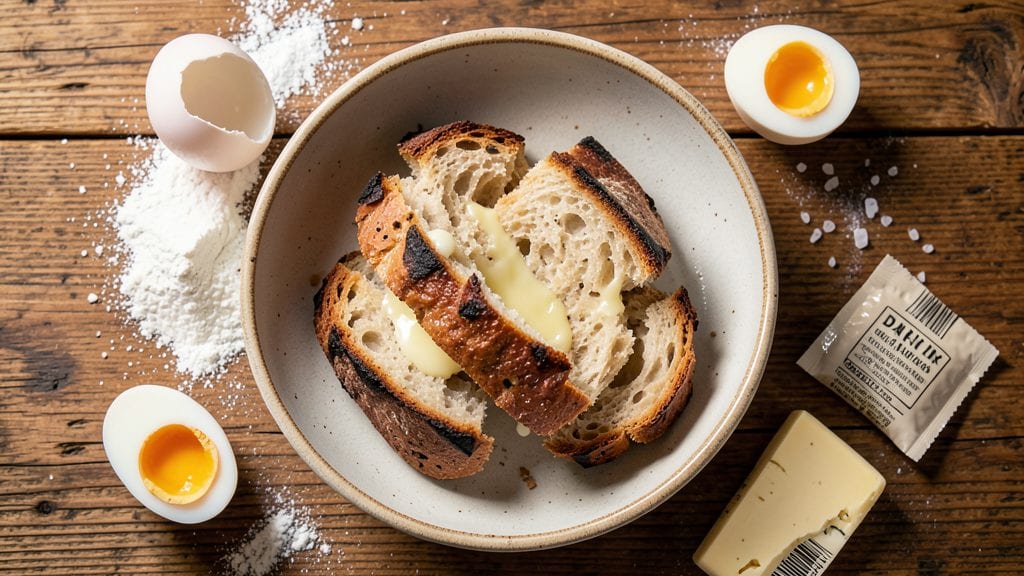
This smoked bread recipe delivers the perfect balance of crispy edges and a soft, smoky heart—just like the bread you'd find at a rustic campfire gathering. The secret lies in the smoking process, where wood-fired flavors infuse the dough while creating that signature texture contrast.
I've perfected this technique over years of testing, using both traditional cold-smoking methods and modern hot-smoking approaches for consistency.
The dough itself is simple—just flour, water, yeast, and salt—but the magic happens during the smoking stage. Whether you use applewood for a mild sweetness or hickory for a bolder flavor, the aroma alone transforms an ordinary loaf into something extraordinary.
The bread develops a delicate char on the outside while remaining tender inside, with just enough chew to satisfy.
What you'll end up with is a loaf that's crispy at the edges, fragrant with smoky depth, and perfect for serving warm with melted butter or alongside hearty soups.
This recipe bridges traditional campfire cooking with modern convenience, making it ideal for both outdoor adventures and weeknight dinners. The process is straightforward, but the results are undeniably impressive.
Once you master this technique, you'll find endless ways to enjoy it—from pairing with chili and beans to using as a base for open-faced sandwiches. The versatility of smoked bread makes it a staple worth perfecting. Let's get started on creating your own loaf that tastes like a campfire classic.
Ingredients for smoked bread
Simple dough meets smoky magic—just flour, yeast, and wood-fired flavor.
| Ingredient | Amount | Notes |
|---|---|---|
| All-Purpose Flour 🌾 | 3 ½ cups | Unbleached preferred for texture |
| Active Dry Yeast 🍞 | ½ tsp | Single-use package preferred |
| Warm Water 💧 | 1 ¼ cups | 110°F for optimal activation |
| Diamond Crystal Kosher Salt 🧂 | 1 tsp | Fine grain preferred |
| Large Eggs 🥚 | 2 whole | Room temperature for even mixing |
| Unsalted Butter 🧈 | ¼ cup | Cold, cubed for dough enrichment |
| Applewood Chips 🌳 | 1 cup | Unsoaked for smoky flavor |
| Hickory Chips 🌳 | 1 cup | Unsoaked for bold smokiness |
| Wooden Smoking Box 🔥 | 1 whole | For even smoke distribution |
| Charcoal Briquettes 🔥 | 2 lbs | Lump charcoal preferred |
The flour is your foundation—King Arthur or Gold Medal work best for that perfect crumb. Yeast needs to be fresh—check the date on the package, not the can. I grab mine from Whole Foods or the bulk section at Trader Joe's when I can. For the wood chips, Smokehouse Products or Traeger brands are reliable, but any food-grade chips from the grocery store will work. The key is keeping them completely dry—moisture kills the smoke flavor. Store your chips in a sealed container in a cool, dark place for up to 6 months.
No applewood? Cherry or pecan chips add sweetness instead. Running out of hickory? Mesquite chips bring a different but equally bold flavor. The eggs can be separated if you want to add a touch of airiness—beat the whites separately and fold them in last. Butter substitutes? Olive oil at half the amount works in a pinch, though it won't give the same richness. For the charcoal, Kingsford briquettes are consistent, but lump charcoal burns hotter and smokes better if you've got it. If you're smoking indoors, use a pellet smoker or electric smoker with a water pan to prevent overheating.
This dough keeps in the fridge for 3 days wrapped tightly in plastic. Let it come to room temperature before shaping—cold dough shrinks. For the smoking process, work near a window or in a well-ventilated area. The bread stays fresh for 5 days at room temperature if wrapped in a cloth, but it's best enjoyed within 2 days of smoking. Freeze portions for up to 3 months—just thaw overnight in the fridge before reheating. The smoky flavor actually intensifies over time, so don't rush to eat it all at once.
Why You'll Love This Recipe
- No-Fuss Dough: I swear by this—just flour, yeast, water, and salt. No butter, no fancy mix-ins, just pure, simple dough that rises while I sip coffee. Honestly, the yeast does all the work.
- Smoky Depth Magic: That crispy crust with a hint of smokiness? It’s all in the salt and the egg wash. The eggs bind it just right, and the salt—oh, the salt—gives it this je ne sais quoi that makes it taste like a bakery’s secret.
- Weeknight Wonder: I’ve used this for sandwiches, toasted it for breakfast, even stuffed it with cheese for a quick snack. It’s my go-to when I’m too tired to think but still need something solid.
- Budget-Friendly Staple: A dozen loaves for the price of one store-bought baguette? Yes, please. The ingredients are cheap, the leftovers last forever, and I always have dough on hand for whatever life throws at me.
Step-by-step instructions for smoked bread
Here's how to transform simple dough into golden, smoky perfection with crisp edges and tender crumb.
Prepare the Dough Foundation
In a large mixing bowl, combine the 3.5 cups all-purpose flour and 0.5 tsp active dry yeast. Create a well in the center and add the 2 whole large eggs and 0.25 cup cold unsalted butter, cubed. The butter should remain cold to create pockets of richness in the finished bread.
Gradually pour in the 1.25 cups warm water (about 110°F) while stirring with a wooden spoon. Add the 1 tsp diamond crystal kosher salt and mix until a shaggy dough forms. Here's the thing—don't overmix at this stage. You want to preserve the gluten development for later when we shape the loaves.
Once combined, turn the dough onto a lightly floured surface and knead for 8-10 minutes until smooth and elastic. You'll know it's ready when it springs back slowly when poked. If the dough feels too sticky, add flour 1 tablespoon at a time—but don't go overboard or you'll dry it out.
First Rise and Shape for Crispy Edges
Lightly oil a large bowl, place the dough inside, and cover with a damp towel. Let it rise in a warm place for 1-2 hours or until doubled in size. This initial rise develops the bread's structure and ensures that crispy crust you're after.
After rising, punch down the dough to release air bubbles. Divide it into 4 equal portions (about 1 pound each) and shape each into a round boule. For the perfect crispy edges, roll each boule in flour and place them seam-side down on a parchment-lined baking sheet. Cover again and let rise for another 30-45 minutes—they should puff noticeably.
Here's where the magic happens: just before smoking, use your fingertips to dimple the tops of each boule. This creates surface area for that beautiful crispy bark to develop while keeping the interior soft. The dimples also help trap smoke flavor during the smoking process.
Set Up the Smoking Station
While the dough rises, prepare your smoking setup. Place the 1 whole wooden smoking box in the center of your grill or smoker. Arrange the 2 lbs charcoal briquettes around the box, creating a ring of heat. Add the 1 cup applewood chips and 1 cup hickory chips to the box—this combination gives you that perfect balance of sweet and bold smoke flavors.
Light the charcoal and let it burn until covered with a thin layer of white ash (about 10-15 minutes). Then add the wood chips. You'll want clean blue smoke—not thick white smoke—which indicates the chips are burning properly. Maintain a temperature of 225-250°F throughout the smoking process.
Real talk: if you're using a grill instead of a dedicated smoker, you'll need to adjust the vents to control the temperature. Too hot and you'll burn the bread; too cool and it won't develop that crispy exterior. The goal is low and slow—this is what creates that perfect contrast between crispy edges and soft interior.
Smoke to Crispy Perfection
Once the smoker reaches temperature and you're seeing that clean blue smoke, carefully transfer the shaped dough boules to the smoking box. Close the lid and smoke for 45-60 minutes, checking periodically. You're looking for the edges to develop a deep golden-brown color while the interior remains soft.
Here's the critical moment: after 30 minutes, rotate the boules 180 degrees. This ensures even browning and smoke penetration. The bread should be ready when the crust is deep golden brown and the internal temperature reaches 190-200°F (use an instant-read thermometer). If you tap the bottom of a boule and it sounds hollow, it's done.
Don't be tempted to open the smoker early to check—every time you do, you lose heat and moisture. Trust the timing and the visual cues. The result should be bread with a crispy, crackly exterior that gives way to a soft, pillowy interior infused with smoky flavor.
Cool and Serve with Confidence
Remove the bread from the smoker and transfer to a wire rack. Let it cool for 10-15 minutes before slicing. This resting period allows the steam inside to escape, preventing a gummy texture. The bread will continue to crisp up as it cools—this is normal and actually enhances the final texture.
Slice the bread while still warm to enjoy that perfect contrast of crispy edges and soft, smoky heart. Serve immediately with your favorite butter or olive oil for dipping. The flavor profile should be complex—sweet from the applewood, bold from the hickory, with that satisfying crunch that gives way to tender crumb.
This is the moment that matters: when you take that first bite and experience the perfect balance of textures and flavors. You've just created something special that's far beyond ordinary bread—it's a campfire masterpiece.
Pro Tips For Making Smoked Bread
- Measure Yeast Precisely: Weigh your yeast instead of measuring by volume—active dry yeast is notoriously inconsistent in scoops. A ¼-ounce (7g) packet is your friend; this small step prevents weak dough that flops after proofing. (Yes, even if your scale is in the cabinet.)
- Dissolve Salt in Water: Sprinkle that Diamond Crystal kosher salt directly into the warm water before mixing with yeast. It activates the yeast faster and distributes evenly—no clumpy pockets of salt to ruin your dough’s rise. Trust me, I learned this after a batch that looked perfect but tasted like a salt-free experiment.
- Punch Down Once, Then Wait: After the first rise, punch down the dough once—then let it rest 10 minutes before shaping. This relaxes the gluten and makes your loaves rise taller, not spread like a pancake. I used to skip the rest, and my bread always looked like a sad deflated balloon.
- Egg Wash Lightly: Brush that egg wash on just before baking—no need to drown the dough. A light coat (use a pastry brush, not a glaze) gives a golden crust without turning the bread into a sticky mess. Overdoing it? Your bread will look glamorous but taste like an egg sandwich.
Perfect pairings for these flavors
Butter Pairings
Nothing enhances smoked bread like a high-quality butter. I reach for European-style cultured butter like Plugrá or Kerrygold—their tangy notes complement the smoky depth beautifully. For a richer option, try brown butter—its nutty flavor pairs exceptionally well with the hickory and applewood.
Spread generously while the bread is still warm for that perfect melt. 🧈
Cheese Spreads
Creamy cheese spreads transform smoked bread into an open-faced masterpiece. Mix brie or camembert with a touch of honey and walnuts for a sweet-savory contrast. For something bolder, blend blue cheese with whipped cream and a drizzle of balsamic glaze.
The smoky crust stands up perfectly to these rich, tangy flavors.
Soup Companions
Smoked bread shines alongside hearty soups. A New England clam chowder with its creamy broth and chunks of seafood becomes even more satisfying. For a lighter option, pair with tomato basil soup—the acidity cuts through the richness of the smoked bread.
I also love it with beef bourguignon, where the crust soaks up the wine-reduced sauce beautifully. 🍲
Sweet Toppings
Don't overlook smoked bread's potential for sweet applications. Toast slices and top with mascarpone cheese, honeycomb, and toasted pecans for a dessert-worthy treat. For a breakfast option, spread with ricotta, drizzle with maple syrup, and sprinkle with cinnamon.
The smoky flavor actually enhances sweet pairings in unexpected ways.
Meat Pairings
Smoked bread is ideal for sandwiches with bold meats. Try it with pulled pork slathered in BBQ sauce or smoked brisket with horseradish cream. For a lighter option, layer with prosciutto and mozzarella for a quick Italian-style open-faced sandwich.
The crispy edges hold up perfectly to juicy meats and rich sauces. 🥓
Dipping Sauces
Create custom dipping sauces to elevate your smoked bread experience. Mix garlic aioli with a touch of smoked paprika for an extra smoky kick. For something tangy, blend sour cream with chopped dill and lemon zest.
These sauces add moisture and complement the bread's texture without overpowering its natural flavor.
Nutrition facts
Frequently asked questions
Can I make smoked bread without a smoker?
Use a grill with a smoking box or even a stovetop smoker. For a DIY approach, place a metal tray filled with wood chips (like applewood or hickory) over a gas burner on low heat, then position the bread above the smoke for 30-45 minutes. Just monitor the temperature closely—it should stay between 225-250°F to avoid burning the bread.
What's the best wood for smoking bread?
Applewood adds a mild sweetness, while hickory brings bold smokiness. For a balanced flavor, use both! Avoid strong woods like mesquite—they can overpower the bread. Fruitwoods like cherry or pecan also work well for a sweeter profile. Always use food-grade chips and keep them dry for optimal smoke.
Why did my smoked bread turn out dense instead of crispy?
Overmixing the dough or skipping the second rise often causes dense bread. Ensure your dough rises until doubled, then shape it gently to avoid compacting. For extra crispiness, dimple the tops before smoking and maintain a consistent 225-250°F temperature. If the bread feels gummy, it may need more time to cool before slicing.
How long does smoked bread stay fresh?
Wrap cooled bread tightly in a cloth or foil and store at room temperature for 3-5 days. The smoky flavor actually intensifies over time! For longer storage, freeze portions for up to 3 months. Thaw overnight in the fridge before reheating to restore crispiness. Avoid refrigerating—it dries out the bread faster.
Can I add herbs or seeds to the dough?
Yes! Try mixing in sesame seeds, poppy seeds, or finely chopped herbs like rosemary or thyme. For a savory twist, add garlic powder or onion powder directly to the dough. Just reduce the flour slightly to maintain the right consistency. The herbs will complement the smoky flavor beautifully!