
Side Dishes
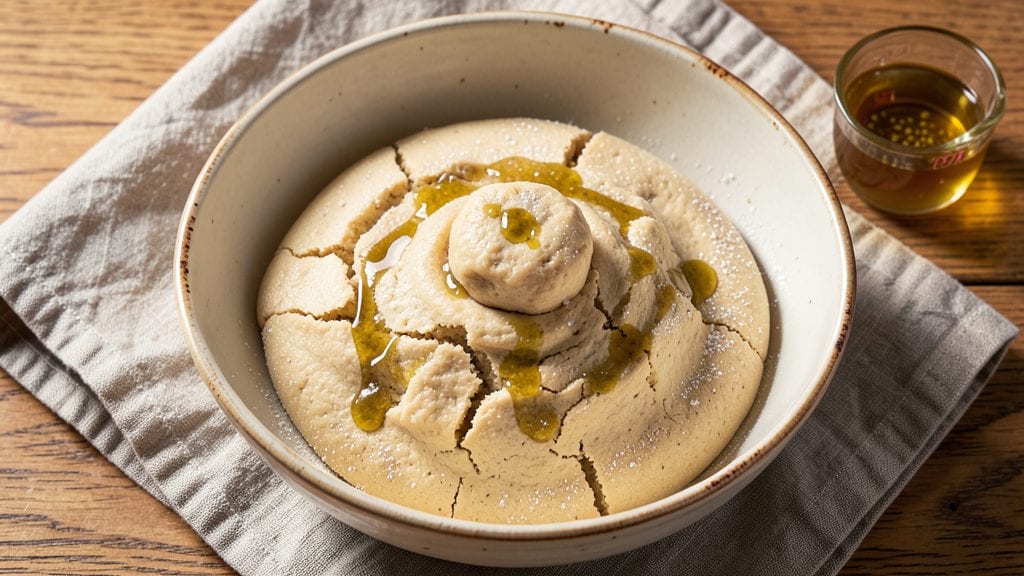
Stanley Tucci’s no-knead bread recipe transforms simple ingredients into an artisanal loaf with a crisp crust and tangy depth—exactly what I’ve been searching for since my failed pot pie disaster.
Standing on a stool in my Nonna’s kitchen, I learned how patience and technique create magic in bread-making, and this recipe delivers both. The secret lies in long fermentation and precise scoring, techniques that yield restaurant-quality results at home.
What makes this recipe special is its balance of simplicity and sophistication. With just five ingredients and minimal effort, you’ll create bread that rivals bakery loaves. The dough develops flavor overnight while you sleep, and shaping it into a round boule ensures that signature oven spring.
No kneading required—just mix, rest, and bake. This is bread-making made accessible without sacrificing quality.
By the time your loaf emerges from the oven, you’ll have a golden-brown crust with a crisp exterior and tender, airy crumb inside. The tangy depth comes from proper fermentation, while scoring the dough before baking creates those coveted ridges.
It’s the kind of bread that makes toast, sandwiches, and soups taste extraordinary. Ready to master this technique?
Perfect for feeding a crowd or enjoying with your morning coffee, this recipe scales beautifully. The long fermentation means you can prep ahead, making it ideal for busy weeknights or weekend projects. Here’s how to bring Stanley Tucci’s signature bread to your kitchen table.
Ingredients for stanley tucci no knead bread
Five simple ingredients transform into restaurant-quality bread with just patience and technique.
| Ingredient | Amount | Notes |
|---|---|---|
| All-Purpose Flour 🌾 | 5 cups | Unbleached, high protein preferred |
| Active Dry Yeast 🍞 | ¼ oz | Fresh or 1 packet (2.25g) |
| Granulated Sugar 🍬 | ½ tsp | Feeds yeast activation |
| Diamond Crystal Kosher Salt 🧂 | 2 tsp | Fine grain preferred |
| Extra-Virgin Olive Oil 🫒 | 1 ½ tbsp | High quality, fruity |
| Warm Water 💧 | 2 ½ cups | 105-110°F for activation |
| Cornmeal 🌽 | ¼ cup | For dusting work surface |
| Semolina Flour 🌾 | ¼ cup | For dusting bowl and scoring |
The flour is non-negotiable here—King Arthur or Caputo Tipo 00 if you can find it, but Bread flour works too. I always grab my yeast from Whole Foods or Trader Joe's—look for the little packet labeled 'active dry' (not instant). The sugar and salt? Regular grocery store stuff is fine, but organic cane sugar adds a subtle depth. For the olive oil, California Extra Virgin brands like Corto or Lucini elevate the flavor. Store your flour in an airtight container to prevent rancidity—it's the foundation of this loaf.
No yeast on hand? Instant yeast works at the same amount, but don't substitute baking powder—this isn't a cake. Running out of semolina? Fine cornmeal or all-purpose flour works in a pinch, though scoring might be slightly less crisp. The water temperature matters—too hot kills the yeast, too cold slows activation. I use a thermometer, but if you're eyeballing it, it should feel like a warm bath. For the olive oil, avocado oil is a neutral substitute if you're avoiding olive flavor, though purists might notice the difference.
This dough is a patient one—12-18 hours of cold fermentation develops that signature tang. Store your shaped boule in the fridge overnight, covered with a damp towel. The next morning, let it sit at room temperature for 1-2 hours before baking to ensure proper oven spring. Baked loaves keep well at room temperature for 3 days wrapped in a clean kitchen towel, or 1 week frozen. For maximum crispiness, reheat slices in a dry skillet for 30 seconds.
Why You'll Love This Recipe
- No-Knead Magic: I swear, mixing flour, yeast, sugar, and olive oil in a bowl feels like cheating. The dough comes together in minutes—no standing at the counter, no overworking, just a gentle fold and a long, lazy rise.
- Olive Oil Luxury: That splash of extra-virgin olive oil? It’s what turns this bread from good to ridiculously good. The crust gets a golden sheen, the crumb stays tender, and every bite has this subtle, buttery richness that makes you pause mid-chew.
- Weeknight Workhorse: Here’s what sold me—this bread is always there. Toss a loaf in the oven while you prep dinner, or bake it ahead for sandwiches, toast, or garlic bread. It’s the kind of bread that disappears faster than you can say “second helping.”
- Budget-Friendly Staple: Honestly, the ingredients cost next to nothing, but it feels like a restaurant loaf. A single batch stretches for days—sliced for toast, torn for soups, or reheated for croutons. My wallet thanks me, and so does my taste buds.
Step-by-step instructions for Stanley Tucci’s no-knead bread
Here's how to craft this elegant loaf with minimal effort but maximum flavor.
Activate the Yeast and Mix the Dough
In a large bowl, combine the 2.5 cups warm water with the 0.5 tsp granulated sugar and 0.25 oz active dry yeast. Let this sit for 5-10 minutes until you see frothy bubbles forming on the surface—this confirms the yeast is alive and ready to work. If no bubbles appear after 15 minutes, your yeast is likely inactive.
Once bubbly, add the 5 cups all-purpose flour and 2 tsp diamond crystal kosher salt to the bowl. Stir with a wooden spoon until a shaggy mass forms—don't worry if it looks uneven at this stage. Then drizzle in the 1.5 tbsp extra-virgin olive oil and mix until fully incorporated. The dough will be sticky but cohesive, unlike traditional kneaded dough.
Let the Dough Rest Overnight
Cover the bowl tightly with plastic wrap or a damp kitchen towel. Place it in a warm spot—ideally 70-75°F—for 12-18 hours. This slow fermentation develops deep flavor and creates that signature open crumb. I like to leave mine on the counter overnight, but avoid direct sunlight which can overheat the dough.
After resting, the dough should have nearly doubled in size and look puffy with small bubbles on the surface. If it hasn't risen significantly, give it another 2-4 hours. The texture should be soft and jiggly when gently pressed—this indicates proper fermentation.
Shape and Prepare for Baking
Lightly dust a clean work surface with 0.25 cup cornmeal. Turn out the dough and gently shape it into a round loaf by folding the edges toward the center. The dough will be very sticky—wet your hands if needed to prevent sticking. Place the shaped loaf on a parchment-lined baking sheet.
Cover loosely with plastic wrap and let it rest for 30 minutes at room temperature. This final rest helps the gluten relax slightly, making for easier scoring. While waiting, preheat your oven to 450°F with a Dutch oven inside for 30 minutes—this creates the perfect steam environment for a crispy crust.
Score and Bake to Golden Perfection
Remove the Dutch oven from the oven and carefully transfer the dough inside. Using a sharp razor blade or knife, score the top of the loaf with a ½-inch deep crosshatch pattern—this prevents over-expansion during baking. Dust the scored surface with 0.25 cup semolina flour to create that signature rustic finish.
Bake covered for 30 minutes, then remove the lid and bake uncovered for another 15-20 minutes until the crust is deep golden brown and sounds hollow when tapped on the bottom. The internal temperature should reach 205-210°F when measured with an instant-read thermometer.
Cool and Enjoy
Let the bread cool on a wire rack for at least 1 hour before slicing—this allows the crumb to set properly. The loaf should have a crisp, crackly crust with an open, airy interior. For serving, slice with a serrated knife and enjoy with olive oil, your favorite butter, or fresh jam.
This bread keeps well at room temperature for 3-4 days or can be frozen for up to 3 months. The flavor actually improves slightly over time as the starches retrograde, making each slice more satisfying with age.
Pro Tips For Making Stanley Tucci No Knead Bread
- Dissolve the Yeast First: Skip the guesswork—mix the yeast, sugar, and warm water (about 110°F) in a separate bowl first. This ensures it’s active before hitting the flour, which cuts down on waiting time later. I learned this the hard way after a batch took twice as long to rise because the yeast was sluggish.
- Measure Salt by Weight: Diamond Crystal kosher salt clumps like crazy, so use a kitchen scale for the 1.5 teaspoons. Volume measurements lead to uneven flavor—too little and it’s bland, too much and the dough fights you. Trust me, your bread will taste noticeably better when the salt is precise.
- Don’t Overmix the Dough: Once you add the flour, stir just until combined—lumps are fine, but don’t turn this into a workout. Overmixing develops gluten early, and Tucci’s method relies on that slow, sticky rise for that signature open crumb. I used to knead it by accident, and the texture suffered.
- Use a Dutch Oven Lid: If you don’t have one, cover the pot with a metal lid or foil tent instead of glass. Glass traps too much steam, leading to a gummy crust. The bread should steam up the first 20 minutes, then dry out properly—this is how you get that crispy bottom without burning. (Yes, even if you’re impatient like me.)
Make-ahead tips for this dish
Prep Ahead Strategy
This dough is designed for make-ahead convenience—mix it the night before and let it ferment while you sleep. The long fermentation (12-18 hours) actually improves flavor, so don’t rush it. I like to mix my dough after dinner, cover it tightly, and place it in the fridge overnight.
The cold slows fermentation slightly, but you’ll still wake up to a perfectly risen loaf ready for shaping. 💤
Freezing Dough
For maximum flexibility, freeze your shaped boule before baking. After shaping, wrap the dough tightly in plastic wrap, then place it in a ziplock freezer bag with all air squeezed out. Freeze for up to 3 months.
When ready to bake, thaw in the fridge overnight, then proceed with the baking instructions—just add 10-15 extra minutes to the bake time since the cold dough needs more time to cook through.
Baked Loaf Storage
Freshly baked bread is best enjoyed within 24 hours, but this recipe’s crust stays crisp for days. Wrap cooled loaves in a clean kitchen towel (not plastic) and store at room temperature for 3-4 days.
The towel allows the crust to breathe while keeping the crumb soft. For longer storage, slice the bread and freeze individual portions on a tray before transferring to a ziplock bag—this prevents soggy slices when reheated.
Reheating Tips
To revive stale bread, place slices in a dry skillet over medium heat for 30-60 seconds per side until crispy again. For a quick fix, sprinkle slices with water and microwave for 10 seconds—the steam softens the crumb instantly.
I also love toasting slices with garlic-infused olive oil for a restaurant-worthy finish. The key is heat, not moisture—avoid steaming or microwaving wrapped in paper towels.
Batch Prep
Double the recipe and freeze two shaped boules for future use. Label each bag with the date and bake as needed. This is perfect for weeknight dinners—just pull a frozen dough from the freezer in the morning, let it thaw in the fridge, and bake after work.
I’ve made this my go-to strategy for always having fresh bread on hand without the daily effort. The secret is in the semolina flour—it keeps the dough from sticking during freezing and adds that perfect crunch when baked.
Gift-Worthy Packaging
Wrap cooled loaves in parchment paper, tie with twine, and tuck into a burlap sack for a rustic gift. Add a small jar of olive oil or honey for a complete presentation. These bundles make thoughtful gifts for neighbors or hostess presents.
I’ve even included a handwritten note with my favorite serving suggestions—toasted with butter and jam or as a base for bruschetta. The personal touch elevates the bread from a meal to an experience. 🎁
Nutrition facts
Frequently asked questions
Why does this no-knead bread recipe need such a long fermentation?
The extended 12-18 hour cold fermentation develops deep flavor and that signature open crumb structure. This slow rise allows the yeast and enzymes to work gradually, creating a complex, tangy taste that's impossible with quick methods. Think of it like aging wine—the longer it rests, the richer it becomes.
Can I use this recipe with bread flour instead of all-purpose?
Bread flour has higher protein content, which gives you a slightly chewier texture and better oven spring. Just reduce the water by 1-2 tablespoons since bread flour absorbs more liquid. The rest of the recipe stays exactly the same.
What's the best way to score the dough before baking?
Use a sharp razor blade or very sharp chef's knife for clean cuts. Make a ½-inch deep crosshatch pattern—this prevents over-expansion and creates those beautiful ridges. Dust with semolina flour immediately after scoring for that professional finish. The key is confidence: go deep enough to see the dough's interior.
My dough didn't rise much overnight—what went wrong?
Most likely your kitchen was too cold (below 70°F) or your yeast was inactive. Try moving the dough to a warmer spot (like near the oven with light on) or test your yeast first by dissolving it in warm water with sugar—it should bubble within 5-10 minutes. If it's still flat, start fresh with fresh yeast.
How do I know when the bread is fully baked?
Look for a deep golden brown crust and listen for a hollow sound when you tap the bottom. The internal temperature should reach 205-210°F when measured with an instant-read thermometer. If it's still doughy inside, bake for another 5-10 minutes covered. The crust should be crisp enough to crackle when broken.