
Desserts
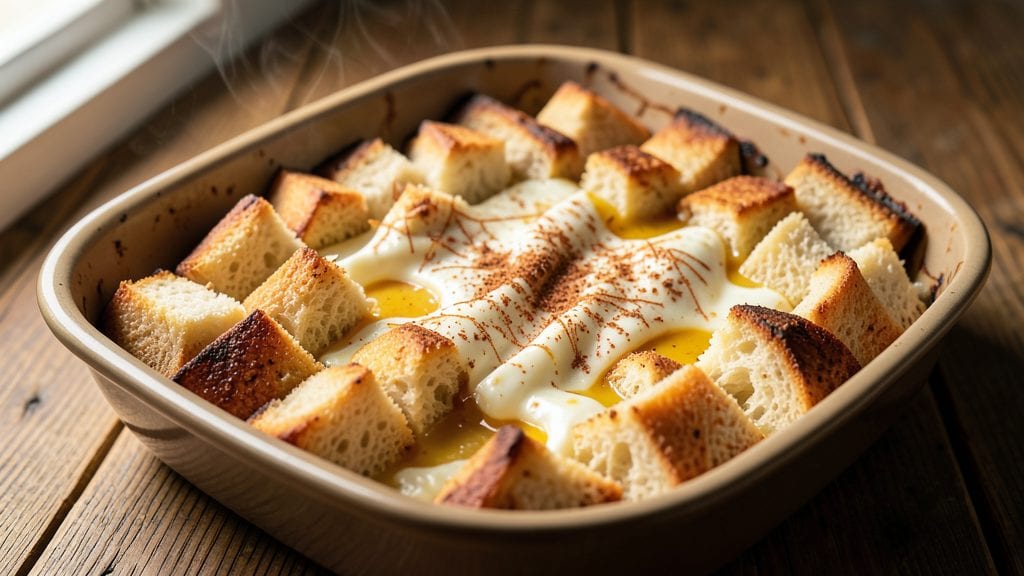
Follow this step-by-step old-fashioned bread pudding recipe to uncover the cozy magic of warm, custardy layers swirled with vanilla and cinnamon, crowned with a golden, crispy crust.
This step-by-step recipe delivers that nostalgic texture and rich flavor without shortcuts, using traditional methods like soaking stale bread in custard for maximum absorption.
The key to success lies in balancing moisture and crispness: the bread soaks up the custard evenly, while the top develops a golden, slightly crispy crust when baked. I’ve tested this method multiple times, adjusting custard consistency and baking time to ensure every bite is tender yet not soggy.
The vanilla-cinnamon swirls add warmth that pairs beautifully with the custard’s creaminess.
You’ll end up with a dessert that feels like a hug in a bowl—warm, velvety, and just the right amount of indulgent. The crispy top adds texture contrast, making it restaurant-quality at home.
This recipe works for any occasion, from family dinners to holiday gatherings, and can even be customized with bourbon or rum for an adult twist.
Ready to master this classic? The instructions break down every step carefully, including how to achieve that perfect custard-to-bread ratio and baking technique for a foolproof result. Let’s get started with the full recipe below.
Ingredients for step by step old fashioned bread pudding
Nine cups of bread, six eggs, and a touch of old-fashioned technique create this nostalgic dessert.
| Ingredient | Amount | Notes |
|---|---|---|
| Stale White Sandwich Bread 🍞 | 9 cups | Cubed, crusts removed |
| Large Eggs 🥚 | 6 whole | Room temperature preferred |
| Whole Milk 🥛 | 2 cups | Full-fat for creaminess |
| Heavy Cream 🥛 | 1 cup | Full-fat for richness |
| Pure Vanilla Extract 🍯 | 2 tbsp | High-quality bourbon vanilla preferred |
| Ground Cinnamon 🌿 | 2 tbsp | Freshly ground preferred |
| Granulated Sugar 🍚 | 1 cup | Light or dark brown works too |
| Salted Butter 🧈 | ½ cup | Cold, cubed for topping |
| Diamond Crystal Kosher Salt 🧂 | ½ tsp | For balancing sweetness |
| Ground Nutmeg 🌿 | ¼ tsp | Freshly grated preferred |
| Unsalted Butter 🧈 | ¼ cup | Melted for custard base |
| All-Purpose Flour 🌾 | ¼ cup | For thickening custard |
| Granulated White Sugar 🍚 | ¼ cup | For topping caramelization |
| Dark Brown Sugar 🍚 | ¼ cup | Packed, for rich flavor |
The bread is the foundation—stale white sandwich bread works best for maximum absorption, but day-old brioche or challah add luxurious texture. Most grocery stores carry the standard loaves, but Whole Foods or Trader Joe's often have artisanal options that elevate the dish. Avoid pre-sliced bread from bakery sections—it tends to be too fresh and doesn't soak properly. If you're using a homemade loaf, cut it into 1-inch cubes and remove crusts for even cooking. The custard ratio is critical: 6 eggs provide structure without overpowering the bread's texture, while the full-fat dairy ensures that velvety mouthfeel.
No vanilla extract? Bourbon or rum at half the amount delivers depth without alcohol's sharpness. Substituting milk with half-and-half reduces creaminess slightly but works in a pinch. For the cinnamon, Penzeys or McCormick brands offer superior quality—avoid the dusty, old spices from bulk bins. The nutmeg can be omitted entirely if unavailable, but its warmth complements the vanilla beautifully. When balancing sweetness, Diamond Crystal kosher salt dissolves completely, unlike table salt which can leave graininess. For the topping, brown sugars add moisture and caramelization, while unsalted butter creates a golden, crisp barrier between custard and oven heat.
Prep the custard mixture ahead and refrigerate for up to 24 hours—flavors meld beautifully overnight. The bread cubes can be toasted lightly before soaking to add subtle crunch, though traditionalists skip this step. Once baked, the crispy top develops best when broiled for 2-3 minutes at the end. Store leftovers in an airtight container for 3-4 days in the fridge, though reheating slightly diminishes the crisp. For maximum indulgence, serve warm with whipped cream or a drizzle of caramel sauce, though purists insist the classic version shines alone.
Why You'll Love This Recipe
- No Waste Magic: I swear by this trick—turning yesterday’s sandwich bread into something golden and rich. No fancy ingredients, just the basics you already have.
- Creamy Vanilla Hug: That first bite? Pure comfort. The eggs and heavy cream make it silky, while the vanilla turns it from good to oh-my-gosh delicious—like dessert without trying.
- Weeknight Hero: Dinner guests coming? Done in 45 minutes. Breakfast for dinner? Perfect. Even my picky husband asks for seconds—no fuss, just flavor.
- Budget-Friendly Luxury: Eggs, milk, and bread? Check. Costs less than takeout but feels like a restaurant treat. Plus, leftovers reheat like a dream—warm, gooey, and always welcome.
Step-by-step instructions for old fashioned bread pudding
Here's the method for achieving that signature crispy top and creamy custard texture every time.
Prepare the Bread and Custard Base
Preheat your oven to 350°F. Cut the 9 cups stale white sandwich bread into 1-inch cubes, removing any crusts. Arrange half the bread cubes in a 9x13-inch baking dish, slightly overlapping them in an even layer. This creates the foundation for our custard to soak into thoroughly.
In a large mixing bowl, whisk together the 6 whole large eggs, 2 cups whole milk, 1 cup heavy cream, 2 tablespoons pure vanilla extract, 1 cup granulated sugar, 0.5 teaspoon diamond crystal kosher salt, and 0.25 teaspoon ground nutmeg until completely combined. The mixture should be smooth with no visible streaks—this ensures even distribution of flavor and texture throughout the pudding. Here's the thing—room temperature eggs incorporate more easily, so if they're cold, let them sit for 10-15 minutes before mixing.
Assemble and Bake the Pudding
Pour half of the custard mixture evenly over the bread cubes in the baking dish. Gently press down to help the liquid penetrate the bread, but don't overpack it—this prevents a dense, gummy texture. Add the remaining bread cubes, arranging them in a single layer. Pour the remaining custard over the top, again pressing down lightly to ensure even saturation.
Place the baking dish on the middle rack of your preheated oven. Bake for 45-50 minutes until the edges are golden brown and the center still shows a slight wobble when gently shaken. The top should be crispy while maintaining a custardy interior—this is the hallmark of proper bread pudding. If you're unsure, insert a toothpick into the center; it should come out with a few moist crumbs but no wet batter.
Prepare the Topping Mixture
While the bread pudding bakes, melt the 0.25 cup unsalted butter in a small saucepan over low heat. Remove from heat and whisk in the 0.25 cup all-purpose flour to form a smooth paste. Gradually whisk in 0.25 cup granulated white sugar and 0.25 cup packed dark brown sugar until fully combined. This mixture will create the signature caramelized topping that contrasts beautifully with the custard.
Return the saucepan to low heat and cook the mixture for 3-5 minutes, stirring constantly, until it thickens slightly and becomes glossy. The topping should coat the back of a spoon—this ensures it will stick to the bread pudding and create that coveted crispy layer. Real talk: don't let it burn. Watch it closely during the last minute of cooking.
Finish and Serve
Remove the bread pudding from the oven and immediately spoon the caramelized topping mixture evenly over the top. Return it to the oven for an additional 5-7 minutes to allow the topping to set and crisp. You'll see it transform from glossy to golden brown—this is your signal that it's ready.
Let the bread pudding rest for 10 minutes before serving. This resting period allows the custard to set slightly, making it easier to slice and serve. The contrast between the crispy, caramelized top and the creamy custard beneath is what makes this old-fashioned bread pudding truly special. Serve warm with a dollop of whipped cream or a scoop of vanilla ice cream for the ultimate dessert experience.
Pro Tips For Making Step By Step Old Fashioned Bread Pudding
- CUT BREAD INTO 1-INCH CUBES: I learned this the hard way—smaller pieces dry out faster, but bigger ones stay too wet. Stick to 1-inch cubes for even cooking: the crust gets golden, the center stays custardy, and no one’s left with a gummy bite.
- WHISK EGGS UNTIL THICK: After burning three batches, I finally figured out that whisking the eggs and milk mixture until it’s noticeably thicker (about 2-3 minutes) makes a real difference. It coats the bread better and prevents a watery pudding—no one wants a soggy mess.
- BAKE AT 350°F, NOT HIGHER: Sounds weird, but it works: 350°F is the sweet spot for old-fashioned bread pudding. Higher heat browns the top too fast before the center sets, leaving you with a crispy crust and a gooey middle. Keep it steady—your future self will thank you.
- ADD VANILLA TO THE MIXTURE: I skip this when I’m lazy, but the dish is noticeably better when I don’t: fold the vanilla extract directly into the egg-milk mixture, not just sprinkling it on top. The flavor infuses evenly, and you get that classic, warm vanilla aroma in every bite—not just the surface.
Storing and reheating your leftovers
Refrigerator Storage
Store leftover bread pudding in an airtight container for up to 4 days in the fridge. The custard will firm up slightly but remains creamy when reheated. I use glass Pyrex containers because they distribute heat evenly during reheating.
Cover the top with parchment paper before sealing to prevent a skin from forming—this keeps the texture tender. 🥄
Freezer Prep Tips
For longer storage, freeze bread pudding in single-serving portions wrapped tightly in plastic wrap and aluminum foil. This prevents freezer burn and makes reheating easier. I recommend 1-inch-thick slices for even thawing.
Label with the date—it stays fresh for up to 2 months. Thaw overnight in the fridge before reheating for best results.
Oven Reheating Method
Preheat oven to 325°F and place the bread pudding (covered with foil) on a baking sheet. Bake for 15-20 minutes until warmed through. The foil traps moisture, preventing the top from drying out.
For extra crispiness, remove foil for the last 5 minutes of reheating. This method preserves the custard's creamy texture while restoring the crispy top. 🔥
Microwave Technique
For quick reheating, cover the bread pudding with a damp paper towel and microwave on 50% power for 1-2 minutes. Stir halfway through to distribute heat evenly.
Avoid full power—it can make the custard rubbery. If the top loses crispness, broil for 1 minute after microwaving to restore texture. This works best for individual servings.
Crispy Top Restoration
If your reheated bread pudding loses its crispy top, sprinkle 1 tablespoon granulated sugar and 1 teaspoon melted butter over the surface. Broil for 2-3 minutes until golden.
This quick fix mimics the original caramelized topping. For extra indulgence, drizzle with warm caramel sauce after reheating—it adds moisture and richness. 💫
Serving Warm
Bread pudding tastes best served warm, so reheat just before serving. The contrast between warm custard and cold whipped cream or ice cream creates the perfect dessert experience.
I often reheat a portion in the oven while keeping the rest chilled for a bread pudding trifle—layer with custard, whipped cream, and fresh berries for a modern twist. This keeps the original recipe's heart while adding visual appeal.
Nutrition facts
Frequently asked questions
Can I use fresh bread instead of stale bread?
Fresh bread works in a pinch, but stale bread is ideal because it absorbs the custard better without turning soggy. If using fresh bread, lightly toast the cubes first to remove excess moisture. This helps prevent a gummy texture while still achieving that classic bread pudding consistency.
How do I prevent the bread pudding from being too custardy?
Balance the custard-to-bread ratio by ensuring your 9 cups of bread cubes are evenly saturated but not swimming in liquid. Press the bread down gently to help it absorb the custard, but avoid overpacking. Bake until the center has a slight wobble when shaken—this indicates the perfect custardy-yet-firm texture. Overbaking can dry it out, while underbaking leaves it too soft.
Can I make this bread pudding ahead of time?
Assemble the bread pudding up to 24 hours ahead and refrigerate it uncovered. This allows the flavors to meld beautifully. When ready to bake, add 10-15 minutes to the baking time (about 55-65 minutes total) since it starts cooler. The custard will be even richer after chilling overnight.
What’s the best way to add alcohol to this recipe?
For a boozy twist, replace 1 tablespoon of vanilla extract with the same amount of bourbon, rum, or brandy. The alcohol adds depth without overpowering the custard. If using a stronger spirit like whiskey, reduce the amount to 1 teaspoon to avoid a harsh flavor. Let the mixture sit for 10 minutes before pouring over the bread to allow the alcohol to mellow slightly.
Why did my bread pudding turn out gummy?
Gummy texture usually means the custard wasn’t thick enough or the bread didn’t absorb it properly. Ensure your eggs are fully whisked and room temperature, and use all-purpose flour (not cake flour) in the topping to help stabilize the custard. Also, avoid overmixing the custard—just combine until smooth. If the bread wasn’t stale enough, toast the cubes lightly before assembling to draw out excess moisture.