
Side Dishes
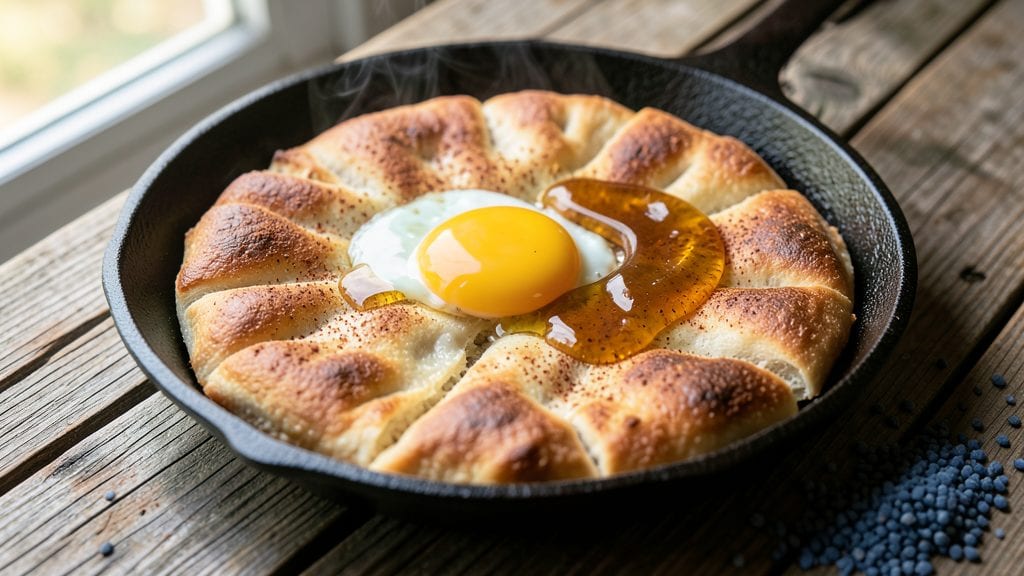
This traditional Navajo fry bread recipe brings history and flavor together in every crispy, puffed bite. 💛 Born from resilience during the Long Walk of the Navajo people, this dish carries cultural significance while delivering restaurant-quality texture at home.
The secret lies in the perfect balance of flour, lard, and baking powder—simple ingredients transformed into something extraordinary.
What makes this recipe special is its authenticity, rooted in Navajo traditions yet accessible for modern kitchens. Unlike many commercial versions, this method preserves the original technique: a simple dough fried until golden and puffed.
The result is a crispy exterior with a tender, airy center—ideal for serving as a side or breakfast staple. My kids, Emma and Jack, always request this when we gather for family meals.
By following these steps, you'll achieve perfectly crispy fry bread every time, with that signature puffed shape and rich flavor. The dough comes together quickly, and the frying process is straightforward—no special equipment needed.
Whether you serve it plain, dusted with powdered sugar, or topped with honey and jam, each bite tells a story of tradition and taste.
This recipe honors Navajo heritage while proving that cultural dishes can be both meaningful and delicious. Let's create something special together—one crispy piece at a time.
Ingredients for traditional navajo fry bread
Simple ingredients with deep cultural roots transform into crispy, golden fry bread perfection.
| Ingredient | Amount | Notes |
|---|---|---|
| All-Purpose Flour 🌾 | 3 cups | White or whole wheat preferred |
| Baking Powder 🧂 | 1 tbsp | Aluminum-free for best results |
| Salt 🧂 | 1 tsp | Diamond Crystal preferred |
| Rendered Leaf Lard 🥓 | ½ cup | Traditional Navajo ingredient |
| Warm Water 💧 | 1 ½ cups | 110°F to 120°F for optimal dough |
| Large Eggs 🥚 | 1 whole | Room temperature for even mixing |
| Vegetable Oil 🫒 | 2 cups | High smoke point for frying |
| Powdered Sugar 🍚 | ½ cup | Optional for serving |
| Honey 🍯 | ¼ cup | Wildflower preferred for topping |
| Jam 🍓 | ½ cup | Strawberry or apricot traditional |
The lard is non-negotiable for authentic flavor and texture—traditional Navajo recipes rely on this rendered fat for its rich, unmatched taste. Most grocery stores carry leaf lard in the baking aisle, but for optimal quality, seek out unflavored, pure leaf lard from specialty butchers or Navajo-owned markets. If unavailable, beef tallow works as a close substitute, though it has a slightly stronger flavor. The flour should be soft white or whole wheat—Navajo fry bread traditionally uses white flour for its lightness, but whole wheat adds subtle earthiness. Measure carefully: 3 cups gives you the perfect balance of crispiness and tenderness. For the baking powder, aluminum-free is crucial—it ensures the bread rises properly without any metallic aftertaste.
No lard on hand? Unsalted butter works in a pinch, though it produces a slightly softer texture. The water must be warm—around 110°F to 120°F—to activate the baking powder fully. If your water is too hot, the dough will over-rise and collapse. For the vegetable oil, stick to high smoke point oils like canola or peanut oil—olive oil isn’t ideal for frying at these temperatures. The powdered sugar, honey, and jam are optional but traditional toppings. Trader Joe’s carries excellent wildflower honey, and Smucker’s strawberry jam is a reliable choice for consistency. If you’re serving this at a gathering, prepare the toppings separately so guests can customize their pieces.
Store any unused dough in an airtight container in the refrigerator for up to 3 days, though it’s best used fresh. Once fried, the bread stays crispy at room temperature for 2 hours, so serve it immediately if possible. For longer storage, wrap cooled pieces in parchment paper and freeze for up to 3 months. When reheating, toast in a dry skillet over medium heat for 1-2 minutes per side to restore crispiness. This dish is best enjoyed fresh, but the leftovers make a delicious snack the next day—perfect for school lunches or quick breakfasts. The cultural significance of fry bread lies in its simplicity and adaptability, so don’t hesitate to experiment with toppings while honoring its traditional roots.
Why You'll Love This Recipe
- Pantry Magic: This recipe lives in my flour bin and lard tub—no special trips to the store, just basics you already own. Mix, fry, serve. That’s it. (Yes, even when I forget to thaw the lard, it still works.)
- Golden Crunch Magic: The lard makes it ridiculously crispy outside while staying soft inside—like a hug from a fryer. Salt and baking powder do the rest, turning simple dough into something you’ll fight over.
- Every Meal Upgrade: Breakfast? Slather with honey and cinnamon. Dinner? Stuff with beans and cheese. Leftovers? Toast them like a snack. It’s the one thing that makes even my simplest meals feel special.
- Budget Hero: One batch feeds my whole family, and the leftovers reheat like a dream. (Between us, I’ve had this for lunch three days in a row—no shame.) Plus, lard is cheaper than butter, so it’s winning on cost too.
Step-by-step instructions for traditional Navajo fry bread
This method delivers the signature crispy, puffed texture that defines Navajo fry bread.
👨🍳 Step 1: Mix the Dough with Rendered Leaf Lard
In a large mixing bowl, combine the 3 cups all-purpose flour, 1 tablespoon baking powder, and 1 teaspoon salt. Whisk these dry ingredients together until evenly distributed—this ensures even rising later. Create a well in the center and add the ½ cup rendered leaf lard (cooled but still slightly soft).
Using a wooden spoon or silicone spatula, work the lard into the flour mixture until it resembles coarse crumbs with pea-sized fat pieces throughout. This step is crucial—don't overmix or the dough will become tough. The lard's traditional use here creates that signature crispy exterior while keeping the interior tender.
🥘 Step 2: Incorporate Wet Ingredients for Perfect Texture
Add the 1 whole large egg (room temperature) and 1½ cups warm water (110°F-120°F) to the flour mixture. Mix gently with a wooden spoon until just combined—you'll see shaggy strands of dough forming, but don't worry if it looks uneven at this stage. The warm water activates the baking powder for optimal rise.
Turn the dough onto a lightly floured surface and knead gently 3-4 times just to bring it together. Over-kneading develops gluten, which would make the bread dense rather than light and puffed. The dough should be soft but slightly sticky—this is normal. Divide into 4 equal portions (about 4 ounces each) and cover with a damp towel to prevent drying while you heat the oil.
🔥 Step 3: Fry to Golden Perfection Using Vegetable Oil
Pour 2 cups vegetable oil into a deep skillet or Dutch oven and heat over medium-high heat until it reaches 350°F (use a deep-fry thermometer for accuracy). The oil should shimmer gently but not smoke excessively—this is your target temperature for that signature crispy exterior.
Working with one piece at a time, flatten each dough portion into a 6-inch round (about ¼-inch thick) on a floured surface. Carefully slide it into the hot oil using a wide spatula. Fry for 1-2 minutes per side until deep golden brown and puffed—you'll see it rise dramatically as it cooks. Use a slotted spoon to turn it carefully, being mindful of hot oil splatter.
🍽️ Step 4: Serve Warm with Traditional Toppings
Transfer the fried bread to a paper towel-lined plate to drain excess oil for 1 minute. The bread should be crispy on the outside with a soft, pillowy interior when cut open. Real talk: this is the moment that matters—serve immediately while still warm and crisp.
For an authentic experience, brush the warm bread with melted ½ cup rendered leaf lard (reheated if solid), then drizzle with ¼ cup honey and sprinkle with ½ cup powdered sugar. Serve with ½ cup strawberry or apricot jam on the side for dipping. The contrast of crispy, sweet, and slightly savory makes this dish unforgettable.
Pro Tips For Making Traditional Navajo Fry Bread
- Heat the Lard High: This isn’t the time for half-measures—your skillet needs to be screaming hot (375°F or hotter) before adding the dough. I used to hover around medium and got greasy, flat discs instead of puffed, golden clouds. Trust me, the sizzle should be loud enough to wake the neighbors.
- Use Cold Water: Warm water makes the dough sticky and hard to handle. Grab ice-cold water straight from the tap (yes, even in summer) and mix it just until combined—no overworking. The dough should clump like wet sand, not cling to your fingers like playdough.
- Skip the Overcrowding: Two pieces of dough in the pan at once? You’ll end up with sad, soggy bottoms. Work in batches—one or two at most—and let the oil recover its heat between drops. I learned this after frying a whole batch and getting a single crispy bread.
- Test the Dough: Before frying, press a small ball of dough between your fingers—if it springs back slowly, it’s ready. If it sticks, let it rest 10 more minutes. Overmixed dough fights you later, and nobody wants to wrestle with that. (Your future self will curse you if you skip this.)
Serving suggestions for this traditional navajo fry bread
Breakfast Feast
Navajo fry bread makes a hearty breakfast when paired with traditional Navajo dishes. Serve alongside blue cornmeal mush (a staple in Navajo cuisine) and scrambled eggs cooked with Navajo chili powder.
The crispy bread soaks up the savory flavors beautifully. I like to add diced bacon or sausage for extra protein—David always requests this combo on weekend mornings. 🍳
Sweet Dessert Spread
For a sweet finish, arrange warm fry bread on a platter with powdered sugar and honey drizzles. Add Navajo blueberry jam (available at specialty stores) or strawberry preserves for dipping.
The contrast of crispy bread, sweet toppings, and jam creates a dessert that feels like a hug. Emma and Jack love this version—it’s their go-to after-dinner treat.
Savory Lunch Pairings
Transform fry bread into a handheld meal by serving it with Navajo taco meat (ground beef or venison cooked with spices like frijoles colorados and Navajo salt). Add shredded lettuce, diced tomatoes, and a dollop of sour cream.
The bread’s crispiness balances the hearty filling perfectly. I’ve even used it as a base for fried egg sandwiches with cheddar cheese—a breakfast-for-dinner favorite.
Cultural Gathering Staple
At family gatherings or powwows, fry bread is often served as a communal dish. Set out a platter with warm bread and let guests customize their toppings: powdered sugar, honey, jam, or even chili con carne.
The act of sharing fry bread reflects its cultural significance as a dish born from resilience and community. I’ve seen it bring people together in ways few other foods can. 💛
Modern Twists
For a contemporary twist, try avocado toast with fry bread—spread mashed avocado on warm bread and top with sliced radishes, cherry tomatoes, and a sprinkle of flaky salt.
Or, make fry bread French toast by dipping slices in an egg mixture with cinnamon and vanilla, then pan-frying until golden. These variations keep the tradition alive while appealing to modern tastes.
Presentation Tips
For a restaurant-worthy presentation, arrange fry bread on a wooden board or slate platter with toppings in small bowls. Garnish with fresh rosemary sprigs or edible flowers for a touch of elegance.
Serve with Navajo-style coffee or chamomile tea for a complete experience. The key is to highlight the bread’s golden crust while keeping the toppings accessible for guests to personalize their bites.
Nutrition facts
Frequently asked questions
Why does traditional Navajo fry bread use lard instead of butter or oil?
The rendered leaf lard is essential for authentic flavor and texture. It creates that signature crispy exterior while keeping the interior tender and light. Historically, lard was readily available and provided the perfect fat content for frying. While butter or oil can work in a pinch, they don't deliver the same rich mouthfeel or traditional taste.
Can I make this recipe without a deep-fry thermometer?
Test the oil by dropping a small piece of dough in—if it sizzles and floats immediately, it's ready. The oil should be hot enough to maintain a steady 350°F temperature without smoking excessively. If it smokes too much, reduce the heat slightly and let it stabilize for a few minutes before frying.
What's the best way to store leftover fry bread?
Keep it crispy by storing in an airtight container at room temperature for up to 2 hours. For longer storage, wrap cooled pieces in parchment paper and freeze for up to 3 months. To restore crispiness, toast in a dry skillet over medium heat for 1-2 minutes per side before serving. The key is to prevent moisture buildup that makes it soggy.
Can I substitute whole wheat flour for all-purpose flour?
Yes, but expect a slightly denser texture. Whole wheat flour absorbs more liquid, so you may need to add an extra 1-2 tablespoons of warm water to achieve the right consistency. For the most authentic experience, use a 50/50 blend of all-purpose and whole wheat flour to balance texture and tradition.
How did fry bread become such an important part of Navajo culture?
Fry bread originated during the Long Walk of the Navajo people in the 1860s when they were forcibly relocated to Bosque Redondo. The U.S. government provided limited rations, and Navajo women adapted by frying dough made from government-issued flour, lard, and baking powder. This simple dish became a symbol of resilience and survival, evolving into a beloved staple at gatherings and celebrations.