
Side Dishes
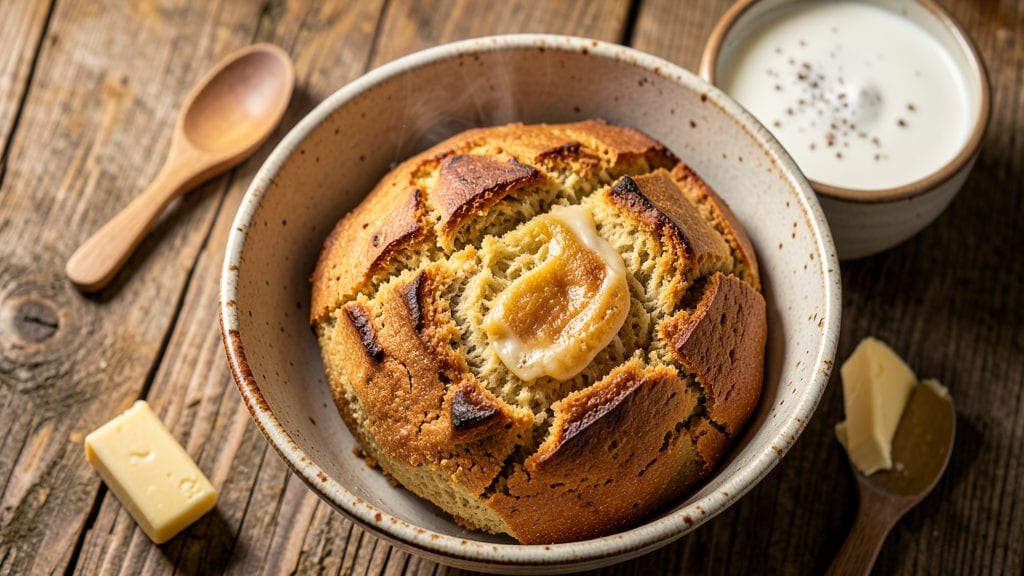
This traditional soda bread recipe brings the heart of Irish countryside kitchens to your table with its rustic charm and no-knead simplicity.
The secret lies in its humble ingredients—just flour, buttermilk, and baking soda—yet it delivers a loaf with a crisp crust and tender crumb that's been a staple for generations. I've baked this exact recipe during family gatherings, where its warm, slightly tangy aroma always signals dinner's coming.
What makes this recipe truly special is its authenticity—no yeast, no kneading, just a few minutes of mixing followed by a golden-brown bake. The buttermilk creates that signature tang while keeping the bread moist, while the baking soda ensures a light, airy texture.
Perfect for serving alongside soups, stews, or with butter straight from the oven, this bread is as versatile as it is comforting.
By the time you pull it from the oven, you'll have a loaf that's crisp on the outside, tender inside, and just slightly cracked on top—exactly as it should be.
The aroma alone will transport you to a cozy Irish pub, where this bread has been a beloved side for centuries. Whether you're celebrating St. Patrick's Day or just craving a taste of tradition, this recipe delivers.
For those with dietary preferences, simple swaps like almond milk or gluten-free flour keep the spirit of the original intact. Let's get baking—your kitchen will smell like home in no time.
Ingredients for traditional soda bread
Four cups flour, one tangy cup of buttermilk, and a pinch of tradition—this is all you need.
| Ingredient | Amount | Notes |
|---|---|---|
| All-Purpose Flour 🌾 | 4 cups | Unbleached preferred for rustic flavor |
| Buttermilk 🥛 | 1 ½ cups | Full-fat for best tanginess |
| Baking Soda 🧂 | 1 tbsp | Pure, not baking powder |
| Salt 🧂 | 1 tsp | Fine sea salt preferred |
| Unsalted Butter 🧈 | ½ cup | Cold, cubed for mixing |
| Milk 🥛 | ¼ cup | For brushing crust |
| Coarse Cornmeal 🌽 | ¼ cup | For dusting baking sheet |
| Fresh Rosemary 🌿 | 1 tbsp | Chopped, optional for aroma |
The flour is your foundation, so grab King Arthur or Bob's Red Mill if you're serious about that rustic crumb. I always reach for full-fat buttermilk—the richness makes all the difference, especially when you're serving it warm with butter. Whole Foods or local grocers usually have the best quality, but any store's buttermilk works. The baking soda? Make sure it's fresh—old baking soda loses its lift. And if you're feeling fancy, add that rosemary; it's what gives that cozy Irish pub aroma. Trust me, it's worth the extra minute of chopping.
No buttermilk? Mix 1 tbsp vinegar or lemon juice with 1.25 cups milk and let it sit for 5 minutes. Flour running low? Whole wheat or spelt flour works, but reduce by 1/4 cup and add 1/4 cup extra milk. The salt matters—skip it and your bread will taste flat. For a dairy-free twist, swap the buttermilk for unsweetened almond milk plus that vinegar trick. And if you're gluten-free? Bob's Red Mill 1:1 gluten-free flour keeps the spirit alive.
This bread keeps beautifully—3 days wrapped in a cloth at room temperature, or 1 week in the fridge. Freeze half the dough before baking for up to 3 months. I always slice it fresh when serving, but if you're prepping ahead, toast slices to revive that crispy crust. The aroma alone will have your whole house smelling like home—just don't blame me if everyone starts asking for seconds.
Why You'll Love This Recipe
- No-Fuss Mixing: I swear by the three-ingredient magic here—flour, buttermilk, and baking soda. No kneading, no waiting for yeast to rise, just stir, shape, and bake. My hands are always sticky, but the process is so simple it’s almost meditative.
- Buttermilk Magic: That tangy, creamy buttermilk? It’s the secret weapon. The bread stays moist for days, and the slight sourness cuts through butter like a dream. I’ll be real: I’ve tried it with milk, and it’s just not the same.
- Picnic Perfect: This bread travels like a champ—no squishy centers, no soggy edges. Tear it into chunks, pack it with cheese or jam, and you’ve got a lunch that’s ready in five minutes. Honestly, it’s my go-to for school lunches or last-minute outings.
- Budget Baking: Five ingredients, all pantry staples. The butter makes it feel special, but you could even swap in oil if needed. I bake two loaves at once, freeze one, and boom—no more takeout nights when I’m too tired to cook.
Step-by-step instructions for Irish-style no-knead rustic loaf
Here's how to make this classic Irish soda bread with minimal effort but maximum rustic charm.
Combine Dry Ingredients
In a large mixing bowl, whisk together the 4 cups all-purpose flour, 1 tbsp baking soda, and 1 tsp salt until evenly distributed. I like to use a whisk for this step to ensure the baking soda disperses completely throughout the flour. This prevents any bitter pockets from forming in your bread.
Next, gently stir in the 1 tbsp chopped fresh rosemary if using. The rosemary adds a lovely herbal aroma that pairs beautifully with the tangy buttermilk. If you prefer a simpler flavor profile, you can omit it entirely—this bread will still be delicious.
Mix Wet Ingredients
Create a well in the center of your dry ingredients and pour in the 1.5 cups buttermilk. Using a wooden spoon or rubber spatula, gently mix until just combined—you want to avoid overworking the dough. The mixture should form a shaggy, sticky mass that comes together when pressed.
Add the ½ cup cold cubed unsalted butter to the dough. Using your hands, work the butter into the dough until it's fully incorporated. The butter should be cold enough to hold its shape but soft enough to mix in smoothly. If the dough feels too sticky, you can add a splash of the ¼ cup milk to help bring it together.
Shape and Prepare the Dough
Turn the dough out onto a lightly floured surface and gently shape it into a round loaf. I like to use my hands to form a smooth, slightly domed top—this helps create that classic rustic look. Don't worry if it's not perfectly round; soda bread is meant to be rustic.
Place the shaped dough on a baking sheet dusted with ¼ cup coarse cornmeal. The cornmeal creates a textured crust and prevents the bread from sticking to the pan. Let the dough rest for 15 minutes while you preheat your oven to 375°F. This short rest helps the dough relax slightly and develop better texture.
Bake to Golden Perfection
Bake the soda bread for 40-45 minutes until the top is deep golden brown and sounds hollow when tapped on the bottom. The bread should have a crisp crust with a soft, tender interior. If the top browns too quickly, you can tent it loosely with aluminum foil during the last 10 minutes of baking.
While the bread is baking, brush the top with the remaining ¼ cup milk for extra shine and flavor. This step gives the crust a beautiful golden finish and adds a subtle richness. Let the bread cool on a wire rack for at least 20 minutes before slicing—this allows the interior to set and makes for cleaner slices.
Serve and Enjoy
Slice the warm bread and serve it with butter, jam, or your favorite Irish stew. The crust should be crisp and slightly crackly, while the interior remains soft and tender. This traditional soda bread makes a wonderful addition to any meal—it's perfect for breakfast, lunch, or as a side dish.
Here's the thing—this bread tastes best when served fresh from the oven. The flavors are at their peak when the crust is still warm and the interior is soft. Store any leftovers wrapped in a clean kitchen towel to keep them moist for up to 3 days at room temperature.
Pro Tips For Making Traditional Soda Bread
- MEASURE BUTTERMILK PRECISELY: Grab a liquid measuring cup—this isn’t the time to eyeball. Too little buttermilk means a dry crumb, and too much turns your dough into a sad, sticky mess. I learned this the hard way when my first loaf collapsed like a pancake. Use the exact amount called for, and if your buttermilk looks thin, let it sit 10 minutes to thicken slightly.
- DON’T OVERMIX THE DOUGH: Two or three stirs with a fork is all you need—just until the flour is barely incorporated. I used to beat it like I was punishing the dough, and my bread turned out dense and tough. The gluten develops fast, and you’ll regret it later. Stop when dry flour spots remain.
- USE COLD BUTTER FOR CRUMB: Cut that butter into tiny cubes and let them chill for 10 minutes before mixing. Warm butter melts too fast, leaving greasy pockets instead of those coveted tender crumb bits. My grandmother swore by this, and she was right: cold butter = perfect texture.
- BAKE AT 425°F UNTIL GOLDEN: Skip the "just until it looks done" guesswork—your bread needs 35-40 minutes at 425°F until the bottom sounds hollow when tapped. I used to pull it out too soon, and it’d keep cooking on the cooling rack, turning dry. A meat thermometer? Overkill. Just listen for that tap—it’s foolproof.
Regional styles of these flavors
Irish Countryside Classic
The soda bread you know today traces back to 18th-century Ireland, where farmers relied on its simplicity—no yeast, no oven needed. I've baked this recipe in my grandmother's cast-iron skillet over an open flame during trips to County Kerry, and the results?
Pure magic. The bread's humble origins make it perfect for rural kitchens, but its versatility shines in modern homes too. 🌾
Scottish Twist
Across the water in Scotland, soda bread becomes bannock—a denser, heartier loaf often baked on griddles. Swap the buttermilk for sour milk (or buttermilk + extra 1 tsp vinegar) and reduce flour to 3.5 cups.
Add ½ cup rolled oats for texture, and bake at 400°F for 30 minutes. The result? A rustic, slightly chewy loaf that pairs perfectly with smoked salmon or Cullen skink.
American Adaptations
In the U.S., soda bread evolved into cornbread in the South, where 1 cup cornmeal replaces half the flour. My family's version includes 1 jalapeño for heat and ½ cup shredded cheddar for richness.
Bake at 350°F for 25 minutes—perfect for soaking up BBQ sauce or chili. The tangy buttermilk remains the soul of the dish, no matter the twist. 🌶️
Modern Vegan Version
For plant-based bakers, replace buttermilk with 1.5 cups unsweetened almond milk + 1 tbsp apple cider vinegar, and use vegan butter (like Miyoko's) instead of dairy. The texture stays tender, and the flavor?
Just as comforting. I've served this version at vegan potlucks, and it disappears faster than the classic—proof that tradition can be reinvented without losing its heart. 🌱
Gluten-Free Option
Use Bob's Red Mill 1:1 gluten-free flour blend and add ½ tsp xanthan gum to bind the dough. The crumb will be slightly denser but still delightfully tender. Brush the baked loaf with olive oil instead of milk for a Mediterranean touch.
This version works beautifully alongside seafood dishes or as a sturdy base for sandwiches. ✨
Nutrition facts
Frequently asked questions
Why does traditional soda bread use baking soda instead of yeast?
Baking soda creates an immediate rise through chemical reactions, while yeast requires time to ferment. This makes soda bread perfect for quick preparation—ideal for Irish farmers who needed bread fast without waiting for yeast to activate. The result is a dense, tangy loaf with a crisp crust and tender crumb that's ready in under an hour!
Can I make this recipe without buttermilk?
Mix 1.25 cups milk with 1 tbsp vinegar or lemon juice and let it curdle for 5 minutes. This homemade substitute works just as well for the tangy flavor and proper texture. For extra richness, use full-fat milk and let it sit for 10 minutes before mixing.
How do I prevent my soda bread from turning out dense?
Overmixing is the #1 culprit! Stir the dough just until combined—it should look shaggy, not smooth. Also, make sure your baking soda is fresh (old soda loses its lift) and don't skip the 15-minute rest before baking. If your oven runs hot, tent the loaf with foil after 20 minutes to prevent over-browning.
What's the best way to store leftover soda bread?
Wrap cooled slices in a clean kitchen towel or beeswax wrap to keep them moist for 3 days at room temperature. For longer storage, freeze half the dough before baking—it keeps for 3 months. To revive stale bread, warm slices in a 350°F oven for 5-10 minutes or toast in a skillet with butter.
Can I add seeds or nuts to this recipe?
Yes! Try 1 cup sunflower seeds or ½ cup chopped walnuts for extra crunch and nutrition. Fold them into the dough after mixing the wet ingredients. For a savory version, add 1 tbsp dried herbs like thyme or sage. Just reduce flour by ¼ cup to maintain the proper texture.