
Breakfast & Brunch
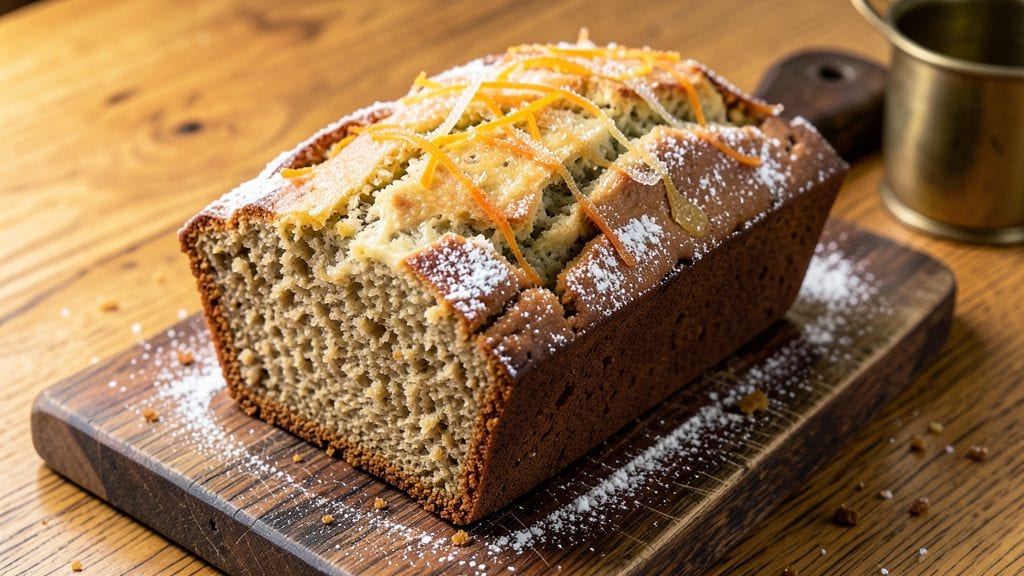
This vintage zucchini bread recipe brings back the comforting flavors of grandma's kitchen—moist, tender, and packed with warm spices and citrus zest that elevate every bite.
The secret lies in a precise mix of ingredients, including grated zucchini that keeps the crumb light while adding natural sweetness, and a touch of orange zest that brightens the classic flavor profile.
I've perfected this recipe over years of baking, ensuring it delivers that nostalgic taste without sacrificing modern convenience.
The beauty of this vintage-style loaf is its versatility—whether you're baking for a weekend brunch or prepping for the week ahead, the recipe adapts effortlessly.
Traditional elements like walnuts, raisins, and cinnamon create a cozy texture and depth of flavor, while modern twists (like gluten-free flour or vegan substitutions) keep it inclusive. The result? A loaf that's moist enough to satisfy any craving, with a tender crumb that crumbles just slightly at the edges.
What makes this recipe truly special is the balance of simplicity and tradition. No fancy techniques are required—just a few essential steps and a 350°F oven to bring out the best in every ingredient.
The citrus zest adds a subtle brightness that cuts through the richness, while the spices create warmth that lingers with each slice. Perfect for pairing with tea, coffee, or even as a sweet treat on its own, this zucchini bread is a timeless classic with a modern twist.
For those who love nostalgia, try serving it with a dusting of powdered sugar or a light glaze of honey. The loaf also freezes beautifully, making it ideal for meal prep or gifting.
Whether you're baking for family, friends, or yourself, this recipe delivers the comfort of a vintage kitchen with a touch of contemporary flair.
Ingredients for vintage zucchini bread
Classic ingredients with a citrus twist—everything you need for that perfect vintage loaf.
| Ingredient | Amount | Notes |
|---|---|---|
| All-Purpose Flour 🌾 | 2 cups | Sifted for even texture |
| Granulated Sugar 🍚 | 1 ½ cups | Light brown preferred |
| Vegetable Oil 🫒 | ½ cup | Light or canola oil |
| Zucchini 🥒 | 1 ½ cups | Grated, excess liquid drained |
| Orange Zest 🍊 | 1 tbsp | Freshly grated organic |
| Large Eggs 🥚 | 2 whole | Room temperature preferred |
| Vanilla Extract 💧 | 1 tbsp | Pure extract preferred |
| Ground Cinnamon 🌶️ | 1 ½ tsp | Freshly ground preferred |
| Ground Ginger 🌿 | ½ tsp | Freshly ground preferred |
| Ground Nutmeg 🌶️ | ¼ tsp | Freshly grated nutmeg |
| Salt 🧂 | ½ tsp | Fine sea salt preferred |
| Walnuts 🥜 | ½ cup | Chopped, toasted preferred |
| Seedless Raisins 🍇 | ½ cup | Plumped in warm water |
| Baking Soda 🧪 | 1 tsp | Freshly opened package |
| Powdered Sugar 🍚 | ¼ cup | For optional topping |
The zucchini is the star here, so pick firm, medium-sized zucchinis—the smaller ones tend to be more tender and yield better. I usually grab mine from the local farmers market in late summer when they're at their peak. For the orange zest, organic oranges make all the difference—they've got more natural oils and flavor. If you can't find organic, just make sure to wash the peel thoroughly before grating. The walnuts? Trader Joe's has the best pre-toasted ones, but regular walnuts work too if you toast them yourself in a dry pan for 5 minutes. The raisins should be plump—soak them in warm water for 10 minutes if they're dry.
No orange zest? Lemon zest works just fine, though it'll be slightly more tart. Substituting the walnuts? Pecans or almonds are great alternatives—just toast them first. For a gluten-free version, swap the all-purpose flour for a 1:1 gluten-free baking flour blend. Want to make it vegan? Use flax eggs (1 tbsp ground flaxseed + 3 tbsp water per egg) and a vegan butter or oil instead of eggs. The baking soda must be fresh—if it's more than a few months old, test it with vinegar first to make sure it's still active. And for the sugar, light brown sugar adds that classic vintage flavor, but white sugar works in a pinch.
This bread keeps beautifully—wrap tightly in plastic wrap or store in an airtight container for up to 5 days at room temperature. For longer storage, freeze the loaf (unwrapped) on a tray for 1 hour, then wrap in foil for up to 3 months. To reheat, wrap a slice in a damp paper towel and microwave for 10 seconds. The powdered sugar topping is optional but adds that nostalgic touch—just dust it on right after baking while the loaf is still warm. I always make a double batch because it disappears fast—perfect for lunches or gifts.
Why You'll Love This Recipe
- No Grate Required: I’ll be honest—this isn’t one of those recipes where you’re stuck grating zucchini by hand. Just chop the whole thing into chunks, toss it in the batter, and let the food processor do the work. The texture stays moist without any extra fuss.
- Orange Zest Magic: That bright citrus twist from the orange zest cuts through the sweetness like a breath of fresh air. It’s not overpowering—just enough to make this bread feel special, like a little vacation in every bite.
- Breakfast to Brunch: Between us, this bread is my go-to for quick toast in the morning or a fancy brunch spread. Toast it, slather it with butter, and suddenly you’ve got a showstopper that takes five minutes to make. (Yes, even on a Tuesday night.)
- Budget-Friendly Staples: Flour, sugar, and oil are pantry basics, and zucchini is cheap this time of year. No fancy ingredients, no markup—just good, honest baking that won’t break the bank. Plus, it keeps for days, so you’re not scrambling for last-minute snacks.
Step-by-step instructions for vintage zucchini bread
Here's the method that delivers that signature moist crumb and bright citrus flavor every time.
Prepare the Zucchini and Mix Wet Ingredients
Start by grating the 1.5 cups zucchini using a box grater or food processor. Transfer the grated zucchini to a clean kitchen towel or cheesecloth and gently squeeze out all excess moisture. This step is crucial—wet zucchini makes bread dense instead of tender. You should end up with about 1 cup of drained zucchini after squeezing.
In a large mixing bowl, combine the drained zucchini with the 0.5 cup vegetable oil, 1.5 cups granulated sugar, 2 whole large eggs, 1 tbsp vanilla extract, 1 tbsp orange zest, 1.5 tsp ground cinnamon, 0.5 tsp ground ginger, 0.25 tsp ground nutmeg, and 0.5 tsp salt. Use a whisk or electric mixer to blend everything until smooth and fully incorporated. The mixture should be thick but pourable—this ensures even distribution of moisture throughout the bread.
Combine Dry Ingredients and Fold in Add-Ins
In a separate bowl, sift together the 2 cups all-purpose flour and 1 tsp baking soda. Sifting prevents lumps and ensures an even texture. Gently fold the dry ingredients into the wet mixture using a spatula, mixing just until combined. Overmixing develops gluten and can make the bread tough.
Next, fold in the 0.5 cup chopped walnuts and 0.5 cup seedless raisins by hand. The walnuts add a satisfying crunch, while the raisins provide a subtle sweetness that balances the citrus notes. Distribute them evenly throughout the batter—you should see small pockets of nuts and raisins throughout the mixture. This ensures every slice delivers that classic vintage texture.
Bake to Golden Perfection
Preheat your oven to 350°F and grease a 9x5-inch loaf pan or line it with parchment paper for easy removal. Pour the batter into the prepared pan and smooth the top with a spatula. The batter should fill the pan about two-thirds full—this gives the bread room to rise without overflowing.
Bake for 50-60 minutes, or until a toothpick inserted into the center comes out clean and the top springs back when pressed lightly. The bread is done when the edges pull away from the pan and the top develops a rich golden-brown hue. If the top browns too quickly, tent the pan with aluminum foil to prevent over-browning while the center finishes baking.
Cool and Serve (Optional Powdered Sugar Topping)
Remove the bread from the oven and let it cool in the pan for 10 minutes. Then transfer it to a wire rack to cool completely. This resting period allows the moisture to redistribute, ensuring a perfectly moist crumb. While the bread cools, you can dust the top with 0.25 cup powdered sugar for a classic vintage finish—this adds a delicate sweetness that complements the warm spices.
Slice the bread into ¼-inch thick portions and serve warm or at room temperature. The texture should be tender with a slightly dense crumb, and the citrus zest should add a bright, aromatic note that keeps the flavor fresh. Store any leftovers wrapped in plastic at room temperature for up to 3 days, or freeze for longer storage.
Pro Tips For Making Vintage Zucchini Bread
- MEASURE ZUCCHINI BY WEIGHT: That 2-cup "packed" measurement for grated zucchini is a lie—it varies wildly. Instead, weigh it: 2 cups grated equals about 300g (10.5 oz) of raw zucchini. After squeezing, you’ll end up with roughly 1 cup of liquid-free pulp. I learned this the hard way when my first batch turned into a soggy loaf because I eyeballed it.
- BAKE AT 325°F—NO EXCUSES: Your oven’s 350°F setting isn’t the same as your neighbor’s. For vintage zucchini bread, 325°F is non-negotiable—it guarantees even baking without a dry crust or gummy center. After burning three batches at higher temps, I finally cracked open an oven thermometer and adjusted. Preheat for 15 minutes, and resist the urge to peek until at least 50 minutes in.
- GRATE ZUCCHINI FINE—NO CHUNKS: That one big piece of zucchini you missed? It’ll turn into a rubbery surprise in your slice. Use the small holes on your box grater (or pulse in a food processor) for uniform texture. Squeeze out moisture with a clean kitchen towel—twist it like you’re wringing out a wet washcloth. This isn’t the prettiest method, but it’s the tastiest.
- SWAP OIL FOR BUTTER IF YOU DARE: Vegetable oil keeps this bread moist, but if you crave richer flavor, substitute half the oil (about ¼ cup) with melted butter. The trade-off? A slightly denser crumb, but the orange zest sings brighter. I was skeptical until I tried it—now I make two batches: one for guests, one for myself. (Yes, even if you’re impatient like me.)
Common mistakes when making perfect results
Skipping Zucchini Drainage
One of the biggest mistakes is not draining the grated zucchini properly. The excess liquid makes the bread dense and gummy instead of tender. I’ve seen recipes where people skip this step entirely, and the result is a loaf that’s more like a zucchini pudding.
Always use a clean kitchen towel or cheesecloth to squeeze out moisture—aim for about 1 cup drained zucchini after squeezing. This ensures the right texture and prevents a soggy crumb. 🥒
Overmixing the Batter
Mixing the batter too vigorously develops gluten, which can make your zucchini bread tough instead of moist. I recommend folding the dry ingredients in just until combined—no more than 10-12 strokes with a spatula.
Overmixing also incorporates too much air, leading to a dense loaf. For the best vintage texture, keep it gentle and even. 🌾
Incorrect Oven Temperature
Baking at the wrong temperature is a common pitfall. Too low (325°F) and the bread won’t rise properly; too high (375°F) and the exterior burns before the center cooks.
Stick to 350°F for consistent results. Also, avoid opening the oven door too early—temperature fluctuations can cause the bread to sink. Use an oven thermometer to double-check your appliance’s accuracy. 🌡️
Underbaking or Overbaking
Zucchini bread is done when a toothpick comes out clean, but many people pull it out too soon or leave it in too long. Underbaking leaves a gummy center, while overbaking dries it out.
I recommend baking for 50-60 minutes and checking with a toothpick at the lower end of that range. If the top browns too fast, tent with foil to prevent over-browning. 🔥
Ignoring the Resting Time
Skipping the 10-minute rest in the pan after baking can cause the bread to crack or lose moisture too quickly. This step allows the loaf to set slightly, ensuring even slices.
After resting, transfer it to a wire rack to cool completely—this prevents a soggy bottom. Patience here makes all the difference in texture. ⏰
Using Old or Expired Ingredients
Old baking soda or rancid oil can ruin your loaf. Always check your baking soda’s freshness by mixing it with vinegar—it should fizz vigorously. For oil, use something fresh like light canola or vegetable oil (store-bought lasts about 6 months unopened).
Stale spices or eggs can also affect flavor, so use the freshest ingredients possible. 🧪
Nutrition facts
Frequently asked questions
Can I substitute lemon zest for orange zest in this recipe?
Yes, you can absolutely use lemon zest—it adds a slightly more tart brightness that still complements the warm spices beautifully. For the best vintage flavor, I recommend using 1 tablespoon lemon zest instead of orange, as lemon zest has a stronger flavor profile. If you want to keep the citrus notes balanced, try using half orange zest and half lemon zest.
How do I make this zucchini bread gluten-free?
Swap the all-purpose flour for a 1:1 gluten-free baking flour blend (like Bob's Red Mill or King Arthur). You may need to add an extra ½ teaspoon xanthan gum to mimic the structure of gluten. Keep all other measurements the same, and make sure your baking powder is gluten-free. The texture will be slightly denser but still moist and delicious.
Why does my zucchini bread turn out dry?
Dry zucchini bread usually means overbaking or using too much flour. Always bake until a toothpick comes out clean (50-60 minutes at 350°F), and avoid opening the oven door too early. For extra moisture, try adding 2 tablespoons of milk or yogurt to the wet ingredients. Another trick is to brush the loaf with simple syrup or melted butter while still warm.
Can I add chocolate chips to this recipe?
Replace the raisins with ½ cup chocolate chips (semi-sweet or dark) for a decadent twist. For a vintage-inspired hybrid, try using half raisins and half chocolate chips. Just remember that chocolate melts faster, so bake for 45-50 minutes instead of the full time. The result is a rich, gooey center that pairs perfectly with the citrus notes.
How long does this bread keep, and can I freeze it?
Wrap tightly in plastic wrap or store in an airtight container for up to 5 days at room temperature. For longer storage, freeze the loaf (unwrapped) on a tray for 1 hour, then wrap in foil for up to 3 months. To reheat, wrap a slice in a damp paper towel and microwave for 10 seconds. The texture stays moist even after freezing!