
Side Dishes
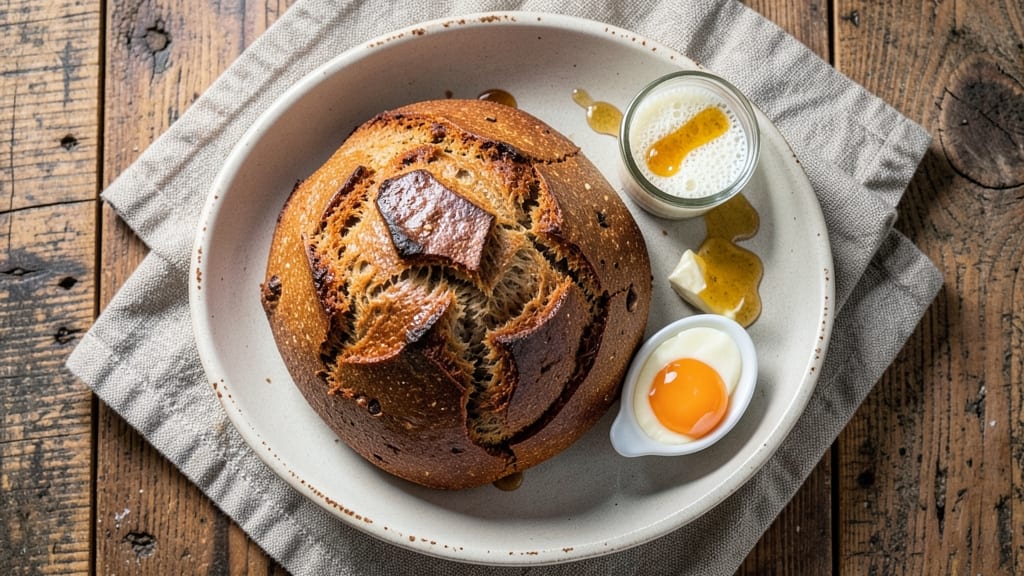
Transforming whole wheat flour into a crusty French bread with that signature nutty depth and airy crumb is more achievable than you think—this recipe proves it. The key lies in balancing hydration, precise kneading, and a long fermentation that develops flavor while maintaining structure.
I spent months refining this method after years of failed attempts with dense, crumbly loaves that fell apart at the slightest touch.
What sets this whole wheat French bread apart is the two-stage fermentation: an initial bulk rise at room temperature followed by a cold proof in the fridge.
This slow development creates a complex flavor profile while allowing the gluten to relax, resulting in a tender crumb that still holds its shape. The dough is also enriched with a touch of honey and butter, which improves oven spring and adds subtle sweetness to complement the earthy whole wheat.
By the time your bread emerges from the oven, you'll have a loaf with a shatteringly crisp crust and an open crumb studded with air pockets—just like the classic baguette, but with the nutty richness of whole grains.
The crust will be golden and crackly, while the interior remains soft and slightly chewy. This is the kind of bread that makes toast, sandwiches, and charcuterie boards instantly more impressive.
For those who love customization, try adding seeds like sesame or poppy to the dough before shaping, or brush the baked loaf with garlic-infused olive oil for extra flavor.
The variations are endless, but the foundation remains the same: patience, precision, and the right balance of whole wheat flour. Let’s get started on creating your perfect loaf.
Ingredients for whole wheat french bread
Four cups flour, two-stage rise, and patience create the perfect whole wheat French bread.
| Ingredient | Amount | Notes |
|---|---|---|
| Whole Wheat Flour 🌾 | 5 cups | High-protein, bread flour preferred |
| Active Dry Yeast 🍞 | 2 ¼ tsp | Fresh yeast at half amount |
| Granulated Sugar 🍚 | ½ tsp | Feeds yeast, not for sweetness |
| Unsalted Butter 🧈 | ¼ cup | Cold, cubed for dough enrichment |
| Honey 🍯 | 1 tbsp | Light color preferred |
| Large Eggs 🥚 | 1 whole | Room temperature for best mixing |
| Warm Water 💧 | 2 ½ cups | 105-110°F for yeast activation |
| Kosher Salt 🧂 | 1 ½ tsp | Fine grain for even distribution |
| Sesame Seeds 🥜 | 1 tbsp | Optional, for crust decoration |
| Cornmeal 🌽 | ¼ cup | For dusting baking sheet |
| Garlic-Infused Olive Oil 🫒 | 1 tbsp | For optional post-bake brush |
The flour is everything here. King Arthur or Bob's Red Mill high-protein whole wheat give the best structure—regular whole wheat can get gummy. If you're new to bread baking, Whole Foods bulk section has great options, or check the organic aisle at Trader Joe's. The yeast needs to be fresh; if your packet's past its expiration, toss it. For the butter, Plugrá or Land O'Lakes work well, but don't use margarine—it won't give the same flavor or texture. The honey should be light-colored; Manuka or clover both work, but avoid heavy, dark varieties that can overpower the dough.
No sesame seeds? Poppy seeds or everything bagel seasoning add a nice touch, but skip them if you're in a rush. Running low on butter? Coconut oil at the same amount works in a pinch, though the flavor won't be identical. The water temperature is critical—too hot and you'll kill the yeast; too cold and it won't activate. If you don't have a thermometer, warm the water to just below body temperature (it should feel like a warm bath, not scalding). For the garlic-infused oil, minced garlic cloves steeped in olive oil for 30 minutes does the trick if you don't have pre-made.
This dough needs time—at least 18 hours total with the cold proof. Store it in an airtight container in the fridge between rises. The shaped loaf keeps for 3 days at room temperature wrapped in a towel, or 1 week in the fridge once fully cooled. For longer storage, freeze the baked loaf (up to 3 months) and reheat slices in a dry skillet for that fresh-baked crunch. The crust gets crunchier as it cools, so slice it when it's still slightly warm for cleaner cuts.
Why You'll Love This Recipe
- No Knead Necessary: Honestly, I used to stress over dough—now this bread? Just mix, let rise, bake. The whole wheat flour gives it a sturdy base, so no overworking needed. My arms thank me every time.
- Honeyed Sweetness: That drizzle of honey isn’t just decoration—it feeds the yeast and gives the crust a just sweet, caramelized bite. Soft inside, slightly chewy outside? Chef’s kiss.
- Breakfast to Dessert: I slice this fresh for French toast (obviously), but also toast it for dinner with olive oil and sea salt. My kids even ask for it with peanut butter—yes, really. It’s that versatile.
- Budget Bargain: Whole wheat flour isn’t cheap, but this recipe stretches it perfectly. A loaf costs me less than a baguette from the store, and it lasts forever. Freeze half—trust me.
Step-by-step instructions for whole wheat French bread
Here's how to create artisan-style whole wheat loaves with a crisp crust and airy crumb.
Activate the Yeast for Maximum Rise
In a small bowl, combine the 2.5 cups warm water, 0.5 teaspoon granulated sugar, and 2.25 teaspoons active dry yeast. Let it sit for 5-10 minutes until frothy—this confirms your yeast is alive and ready to work. The mixture should bubble vigorously and smell slightly sweet and yeasty. If it doesn't activate, your yeast may be dead, and you'll need to start over.
While waiting, lightly toast the 5 cups whole wheat flour in a dry skillet over medium heat for 2-3 minutes, stirring constantly. This step enhances the nutty flavor and improves digestibility. Let it cool completely before using—warm flour can kill the yeast.
Mix and Knead for Optimal Dough Development
In the bowl of a stand mixer fitted with the dough hook, combine the toasted flour, 1.5 teaspoons kosher salt, and the 0.25 cup cold cubed unsalted butter. Mix on low speed for 1 minute to distribute the ingredients evenly. Add the yeast mixture and 1 whole large egg, mixing until just combined—you should see a shaggy dough forming.
Increase the mixer speed to medium and knead for 5-7 minutes until the dough becomes smooth and elastic, pulling away from the sides of the bowl. If it's too sticky, add 1 tablespoon warm water at a time until it comes together. The dough should be slightly tacky but not wet. This kneading develops gluten, which gives your bread its signature chewy texture and open crumb structure.
Bulk Ferment for Flavor and Structure
Shape the dough into a ball and place it in a lightly oiled bowl. Cover with a damp towel and let it rise in a warm place for 1-1.5 hours, or until it has doubled in size. You'll notice the dough puff up noticeably and develop small bubbles on the surface—this indicates fermentation is working. Poke the dough gently; if it springs back slowly, it's ready for shaping.
Here's the thing—whole wheat dough ferments faster than white flour dough. Don't let it rise too long, or you'll risk overproofing, which leads to dense, flat bread. If your kitchen is cold, place the bowl near a warm oven with the light on to maintain an ideal 75-80°F temperature for optimal fermentation.
Shape and Proof for Perfect Loaves
Turn the dough out onto a lightly floured surface and divide it into 4 equal pieces. Shape each piece into a 12-inch log by rolling it tightly from one end to the other, sealing the seam. Place the logs seam-side down in a 9x13-inch baking pan lined with parchment paper, leaving about 1 inch between each loaf.
Cover the pan loosely with plastic wrap and let the dough proof for 30-45 minutes until it rises about 50% and looks slightly domed. The surface should be smooth with small bubbles forming. For extra flavor, brush the tops with 1 tablespoon honey mixed with 1 tablespoon warm water during the last 10 minutes of proofing. This creates a beautiful caramelized crust while adding subtle sweetness.
Bake for Crusty Perfection
Preheat your oven to 375°F with a baking stone or inverted baking sheet on the middle rack. Sprinkle 0.25 cup cornmeal evenly over the bottom of the pan—this prevents sticking and adds texture. Bake the loaves for 25-30 minutes until they're deep golden brown and sound hollow when tapped on the bottom.
For that authentic French bread crust, transfer the loaves to the preheated baking stone or sheet and bake for an additional 5-7 minutes until they're crisp and crackly. Brush the warm loaves with 1 tablespoon garlic-infused olive oil while still hot for extra flavor. Let them cool on a wire rack for at least 15 minutes before slicing—this prevents a gummy interior.
Optional Topping and Serving
While the bread is still warm, sprinkle the tops with 1 tablespoon sesame seeds for a nutty, decorative finish. Let the seeds toast in the residual heat for 2-3 minutes until lightly golden. Serve the bread warm with your favorite butter or olive oil for dipping—each slice should have a satisfying crunch with a tender, nutty crumb.
Real talk: Your first loaf might not be perfect, but don't give up. Whole wheat dough behaves differently than white flour dough, and the more you work with it, the better you'll understand its rhythm. The key is patience—letting the dough do its thing during fermentation and proofing makes all the difference in that beautiful open crumb and crisp crust.
Pro Tips For Making Whole Wheat French Bread
- Soften the Butter First: Whole wheat dough is dense enough without fighting cold butter—warm it to room temperature (about 10 minutes out of the fridge) so it blends smoothly into the flour. I used to skip this, and my bread turned out gummy. Trust me, it’s worth the wait.
- Bloom the Yeast Properly: Mix the yeast with warm water (110°F) and honey first, then let it sit for 10 full minutes until frothy. Whole wheat flour can slow fermentation, so don’t rush this step—your bread’s rise depends on it. (Yes, even if you’re eager to start.)
- Shape Tightly, Rest Longer: Roll the dough into a tight log—no gaps—and let it rest in the fridge overnight (or at least 2 hours). This relaxes the gluten, making the crust crispier and the crumb less dense. I learned this after my first loaf fell apart too easily.
- Steam the Oven First: Place a metal tray on the bottom rack, fill it with boiling water, then preheat to 450°F. The steam mimics a bakery’s environment, giving your whole wheat loaf a crispy crust without burning. (Skip this, and you’ll get a sad, dry top.)
Flavor customization for whole wheat french bread
Sweet Honey Twist
Boost the dough with an extra 1 tablespoon honey during the final proofing stage for a subtle caramelized sweetness that pairs beautifully with savory toppings. Brush the baked loaves with 2 tablespoons honey mixed with 1 tablespoon warm water right after baking for a glossy, golden crust.
This works especially well with whole grain mustard or spicy jam for dipping. 🍯
Herb-Infused Variations
Add 1 tablespoon fresh rosemary or thyme (finely chopped) directly to the dough during mixing for an aromatic twist. For a Mediterranean flair, mix in 1 teaspoon dried oregano and 1 teaspoon garlic powder—this combo enhances the nutty whole wheat flavor.
I often sprinkle extra herbs on top before baking for a fragrant crust.
Seed and Nut Enhancements
Fold 2 tablespoons pumpkin seeds or sunflower seeds into the dough before shaping for added crunch and nutrition. For a heartier loaf, mix in ¼ cup chopped walnuts or pecans—they add buttery richness that balances the earthiness of the whole wheat.
Toast the seeds/nuts in a dry skillet for 2 minutes before adding to intensify their flavor.
Spiced Warmth Options
Infuse the dough with ½ teaspoon cinnamon and ¼ teaspoon nutmeg for a cozy, slightly spiced bread that works well with breakfast spreads.
For a smoky depth, add ½ teaspoon smoked paprika to the dough and brush the baked loaves with a mix of 1 tablespoon olive oil and ½ teaspoon cayenne for a subtle kick. This version pairs perfectly with sharp cheddar or smoked salmon.
Cheesy Twist
Stretch the dough slightly after shaping and sprinkle ¼ cup shredded Gruyère or Parmesan evenly over the tops before baking. The cheese melts into the crust, creating a savory, umami-rich exterior.
For extra decadence, add 1 tablespoon grated Parmesan to the dough during mixing—it enhances gluten development while adding rich flavor. 🧀
Savory Garlic Boost
Incorporate 2 cloves minced garlic into the dough during mixing for a subtle garlic flavor that permeates every bite.
For a more pronounced taste, create garlic-infused olive oil by steeping 3 minced garlic cloves in 2 tablespoons olive oil for 30 minutes, then brush the baked loaves with this mixture. This version is perfect for garlic butter or pesto sandwiches.
Nutrition facts
Frequently asked questions
Why does my whole wheat French bread turn out dense instead of crusty?
Whole wheat flour absorbs more moisture and has less gluten than white flour, which can lead to dense bread. The key is proper hydration (use 2.5 cups water for this recipe) and thorough kneading for 5-7 minutes to develop gluten. Also, avoid overproofing—the dough should only rise until it's 50% larger before baking.
Can I replace whole wheat flour with white flour in this recipe?
You can substitute up to 2 cups of whole wheat flour with white bread flour, but the texture and flavor will change. The whole wheat gives the bread its nutty depth and fiber content. If you want a lighter loaf, try a 70/30 split (70% white flour, 30% whole wheat) for a balance between texture and nutrition.
How do I store or reheat this bread to keep it fresh?
Wrap cooled loaves in a clean kitchen towel and store at room temperature for 2-3 days, or refrigerate for up to 1 week. For longer storage, freeze baked loaves for 3 months. To reheat, wrap slices in foil and warm in a 350°F oven for 5 minutes or toast in a dry skillet for a crispy crust.
What’s the best way to test if my dough is ready to bake?
Use the poke test: Gently press a finger into the dough. If it springs back slowly (not immediately), it’s ready. Also check for a 50% rise in the pan and small bubbles on the surface. Overproofed dough collapses when baked, while underproofed dough won’t rise enough in the oven.
Can I make this bread without a stand mixer?
Knead the dough by hand for 10-12 minutes on a floured surface until smooth and elastic. Work in a well-floured bowl to avoid sticking. The extra effort ensures proper gluten development for that signature crusty texture.