
Side Dishes
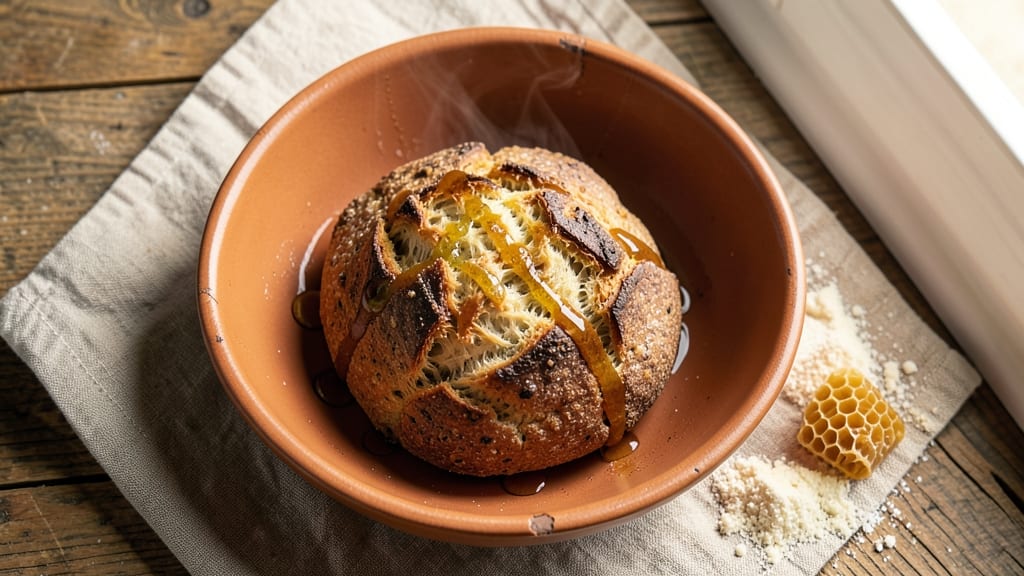
This 60-minute whole wheat bread recipe delivers all the nutrition of whole grains without compromising on that satisfying, crusty texture we all crave.
The secret lies in a precise blend of whole wheat flour and vital wheat gluten—just enough to create a light, airy loaf that doesn't turn dense or heavy.
I've perfected this method after years of experimenting, and it consistently yields a loaf with a crisp golden crust and tender, slightly chewy interior that's perfect for toast, sandwiches, or serving with soups.
What sets this recipe apart is the foolproof technique that ensures success even for beginners.
No kneading machine required—just a few minutes of gentle hand-kneading followed by a 30-minute rise at room temperature, then another 30-minute bake at 375°F. The recipe also includes optional flaxseed "eggs" for a vegan adaptation, making it versatile for any dietary preference while keeping the flavor rich and satisfying.
The key ingredients—whole wheat flour, honey (or maple syrup), and a touch of olive oil—work together to create a loaf that's packed with fiber and nutrients without tasting like health food.
By the time you pull that loaf from the oven, you'll have a nutrient-packed loaf that's just as flavorful as traditional white bread. The aroma alone will have everyone asking what you're serving, and the texture will surprise even those who think whole wheat bread is always dense.
This recipe is designed to be your go-to for homemade bread—no more store-bought loaves that lack flavor or crumbly texture. The best part? It's ready in just 60 minutes, making it perfect for busy weeknights or meal prep.
Store your loaf at room temperature for up to 3 days or freeze for longer storage—perfect for keeping a fresh batch on hand. Whether you're making it for a family dinner or meal prepping for the week, this whole wheat bread recipe delivers on both nutrition and taste.
Let's get started on creating your perfect loaf.
Ingredients for 60 whole wheat bread
Eight simple ingredients transform into a loaf packed with nutrition and flavor in just 60 minutes.
| Ingredient | Amount | Notes |
|---|---|---|
| Whole Wheat Flour 🌾 | 3 ½ cups | King Arthur brand preferred |
| Vital Wheat Gluten 🌾 | ½ cup | For lighter texture |
| Honey 🍯 | ¼ cup | Or maple syrup for vegan |
| Extra-Virgin Olive Oil 🫒 | ¼ cup | For richness and moisture |
| Active Dry Yeast 🍞 | 2 ¼ tsp | Or 1 packet instant yeast |
| Warm Water 💧 | 1 ¼ cups | 110°F for yeast activation |
| Salt 🧂 | 1 ½ tsp | Diamond Crystal preferred |
| Ground Flaxseed 🌱 | 2 tbsp | For vegan flax eggs (optional) |
| Milk 🥛 | ¼ cup | Any kind for softness |
| Sugar 🍚 | 1 tbsp | Feeds yeast for rise |
| Cornmeal 🌽 | ¼ cup | For dusting loaf pan |
| Sesame Seeds 🌿 | 1 tbsp | For topping (optional) |
The whole wheat flour is where the magic happens—King Arthur brand is my go-to because it's finely milled and works perfectly for bread. Bob's Red Mill is another great option if you're near a bulk section. Vital wheat gluten is non-negotiable here; it's what gives your loaf that light, airy texture instead of the dense brick you might expect. Skip it, and you'll end up with something closer to a heavy cracker. For the honey, local raw honey adds extra depth, but maple syrup works beautifully for a vegan version—just reduce other liquids slightly to account for its thickness. The yeast? Always check the expiration date—old yeast won't activate properly, and you'll be left waiting for a loaf that never rises.
No honey? Maple syrup or agave works perfectly—just use the same amount. Running low on olive oil? Melted coconut oil gives similar moisture without overpowering flavor. For the flax eggs (2 tbsp ground flaxseed + 6 tbsp water = 2 eggs), chia seeds work too at the same ratio. The milk can be any kind—dairy, almond, or oat—but dairy milk adds that extra richness. If you're making this ahead, pre-portion your dry ingredients in a jar so you're not scrambling when you're ready to mix. And for the love of bread, measure your flour by weight if you can—it's far more accurate than scooping from the bag.
This loaf keeps best at room temperature for 3 days in a bread bag, but it's even better the next day as the flavors meld. For longer storage, freeze slices wrapped in parchment—they'll stay fresh for up to 3 months. To revive frozen bread, wrap it in a damp towel and warm in a 200°F oven for 10 minutes. The sesame seeds? Totally optional, but they add that perfect crunchy contrast to the soft interior. If you're making this for a crowd, double the recipe—it's foolproof and always a hit.
Why You'll Love This Recipe
- No-Knead Magic: I swear by this dough—just mix, rest, and bake. The vital wheat gluten gives it that light, airy texture without a single punch or fold from me. Honestly, my hands stay clean while the bread rises effortlessly.
- Honey-Glazed Richness: That drizzle of honey? It’s not just sweet—it caramelizes into a golden crust that cracks open like a perfect toast. The olive oil keeps it tender, and the whole wheat adds a nutty warmth that’s dangerously addictive.
- Meal Prep MVP: Slice it fresh, toast it later. This bread stays crispy for days in the freezer—no sad, rubbery leftovers here. I make two loaves on Sundays and feed the family sandwiches, croutons, and garlic toast all week.
- Budget Booster: Whole wheat flour and yeast are cheap staples, but the gluten makes it feel like artisanal. Between us, I’ve spent less on bread and more on fancy cheese to pair with it. The honey? A little goes a long way.
Step-by-step instructions for 60-Minute whole wheat bread
Here's how to craft a tender, flavorful loaf without the wait—just 60 minutes from start to finish!
Activate the Yeast and Mix the Dough
In a large mixing bowl, whisk together the 1.25 cups warm water (should feel like bathwater, not hot), 1 tablespoon sugar, and 2.25 teaspoons active dry yeast. Let this sit for 5-10 minutes until it becomes frothy and bubbly—this confirms your yeast is alive and ready to work. If it doesn't bubble, your bread won't rise properly.
Next, add the 3.5 cups whole wheat flour, 0.5 cup vital wheat gluten, and 1.5 teaspoons salt to the bowl. The gluten helps create a lighter texture in whole wheat bread, which can be denser on its own. Stir these dry ingredients together, then pour in the 0.25 cup extra-virgin olive oil and 0.25 cup honey. The honey adds natural sweetness and helps retain moisture during baking.
Incorporate the Flaxseed and Milk
In a small bowl, combine the 2 tablespoons ground flaxseed with 0.25 cup milk. Let this sit for 2 minutes to thicken slightly—this acts as a vegan egg substitute, adding structure and richness to the bread. Stir this mixture into your flour blend, then use a wooden spoon or dough whisk to gradually mix everything together.
Once combined, switch to a dough scraper or your hands to knead the dough for 5 minutes. You'll notice it's stickier than regular bread dough, which is normal with whole wheat. The dough should be smooth and slightly tacky but pull away from the sides of the bowl. If it's too dry, add 1 tablespoon warm water at a time until it reaches the right consistency.
Let the Dough Rise
Lightly grease a medium-sized mixing bowl with olive oil, then transfer the dough to it. Cover the bowl with a damp kitchen towel or plastic wrap and let it rise in a warm place for 30 minutes. You're looking for the dough to nearly double in size and feel noticeably puffy when pressed gently with a finger. This rise is crucial for that airy texture we're after.
I like to place the bowl near the oven with the light on (if your oven has one) or use a slightly warmed oven set to 70°F for a consistent environment. If your kitchen is chilly, the dough might take longer to rise. Don't rush this step—proper rising ensures a light, fluffy loaf rather than a dense one.
Shape and Second Rise
After the first rise, gently deflate the dough by pressing it down with your fingers. Shape it into a rectangular loaf by folding one short end toward the center, then the other, and repeat with the long ends. This creates tension in the dough that helps it hold its shape during baking. Place the shaped loaf seam-side up on a parchment-lined baking sheet.
Cover the loaf again and let it rise for another 15-20 minutes. It should expand slightly and feel springy when pressed. While it rises, preheat your oven to 375°F. The second rise is shorter but essential for that final lift in the bread. If your dough doesn't rise much during this time, it's okay—just proceed with baking.
Bake to Golden Perfection
Once the dough has risen, sprinkle 0.25 cup cornmeal evenly over the baking sheet—this prevents sticking and adds a nice crunch to the bottom crust. You can also sprinkle the 1 tablespoon sesame seeds on top for extra texture if you like. Bake the bread for 25-30 minutes until it's deep golden brown and sounds hollow when tapped on the bottom.
For the perfect doneness, the internal temperature should reach 190-200°F when measured with an instant-read thermometer. If the top browns too quickly, tent the bread with aluminum foil after 15 minutes to prevent over-browning while the interior finishes cooking. The bread will continue to firm up as it cools, so remove it from the oven when it's just slightly underdone.
Pro Tips For Making 60 Whole Wheat Bread
- Mix the Gluten First: Whole wheat flour is heavy—mix the vital wheat gluten dry with the flour first before adding liquids. This ensures even distribution and prevents clumps that turn your dough into a gluey mess.
- Proof at Room Temp: Skip the warm oven for proofing—just leave the dough in a draft-free spot (75°F) for 1–1.5 hours. I learned this the hard way: rushing with heat kills the yeast before the dough rises properly.
- Honey in Warm Water: Dissolve the honey in the warm water before adding it to the yeast. Cold water makes the yeast sluggish, and undissolved honey can create pockets in your bread that won’t bake evenly.
- Olive Oil Matters: Use extra-virgin olive oil—its lower smoke point means it won’t burn during baking, and the flavor is richer. Skip the cheap stuff; you’ll taste the difference in the crust’s finish.
Common mistakes when making this dish
Over-Kneading Dough
Whole wheat dough is naturally stickier than white bread dough, so it's tempting to over-knead to compensate. But too much kneading develops excessive gluten, making your loaf tough and chewy. Stop kneading when the dough pulls away cleanly from the bowl and feels smooth but still slightly tacky.
For this recipe, 5 minutes of gentle kneading is perfect—set a timer to avoid overdoing it. 💫
Skipping Vital Wheat Gluten
Many home bakers skip the ½ cup vital wheat gluten thinking they can save time or money, but this is a game-changer for texture. Whole wheat flour lacks the gluten structure of white flour, so the gluten powder adds the elasticity needed for a light loaf.
Without it, your bread will turn out dense and crumbly. Consider it non-negotiable for this recipe's success.
Using Cold Water for Yeast
Cold water kills yeast, while water that's too hot (above 110°F) activates it too quickly, leading to a flat loaf. Always use water that feels like bathwater—warm to the touch but not hot.
If your kitchen is cold, let the water sit for 2-3 minutes to reach the right temperature before adding yeast. A simple thermometer (like a candy thermometer) can help if you're unsure.
Ignoring the First Rise
The 30-minute first rise is where most of the flavor and structure develop, yet many bakers rush this step. If you skip it or cut it short, your bread will lack that light, airy texture.
Place the dough in a warm spot (like near your oven's light) and be patient—proper rising prevents dense, heavy bread. Trust the process, even if your kitchen feels chilly.
Over-Baking the Loaf
Whole wheat bread continues cooking as it cools, so removing it too early leads to a gummy interior, while over-baking dries it out. The bread is done when it's deep golden brown and sounds hollow when tapped on the bottom.
Aim for an internal temperature of 190-200°F. If the top browns too quickly, tent with foil after 15 minutes to let the center finish cooking.
Measuring Flour Incorrectly
Scooping flour directly from the bag packs it too tightly, leading to a loaf that's either too dry or too dense. Instead, spoon the flour into your measuring cup and level it off with a knife.
For even better results, use a kitchen scale—420 grams of whole wheat flour gives more consistent results than volume measurements. This small adjustment makes a big difference in texture.
Nutrition facts
Frequently asked questions
Why does this recipe use vital wheat gluten?
Vital wheat gluten gives your loaf that light, airy texture that whole wheat flour alone can't provide. Whole wheat has less natural gluten, so adding ½ cup vital wheat gluten creates the structure needed for a tender crumb instead of a dense brick. It's the secret to making whole wheat bread just as satisfying as white bread!
Can I make this bread without honey?
Use ¼ cup maple syrup or agave nectar as a 1:1 substitute for the honey. Both work beautifully and keep the recipe vegan. Just reduce any other liquids by 1 tablespoon to account for the syrup's thickness, since it contains more water than honey.
How do I know when the dough is ready for the second rise?
After shaping, your dough should feel springy when pressed gently with a finger and have slightly expanded. It doesn't need to double again—just show signs of growth. The key is timing: 15-20 minutes is perfect. If your kitchen is cold, the dough might need an extra 5 minutes to rise properly.
Why did my bread turn out dense?
Dense bread usually means one of three things: skipping the first rise, over-kneading, or omitting the vital wheat gluten. Double-check these steps—proper rising and gluten are non-negotiable for light texture. Also ensure your yeast was active (it should bubble within 5-10 minutes when mixed with warm water).
Can I make this bread in a Dutch oven?
Yes! For an even crustier loaf, shape your dough into a ball and bake it in a preheated Dutch oven at 425°F for 20 minutes, then remove the lid and bake another 15-20 minutes until golden. The Dutch oven traps steam, creating that perfect artisan-style crust while keeping the interior tender.