
Side Dishes
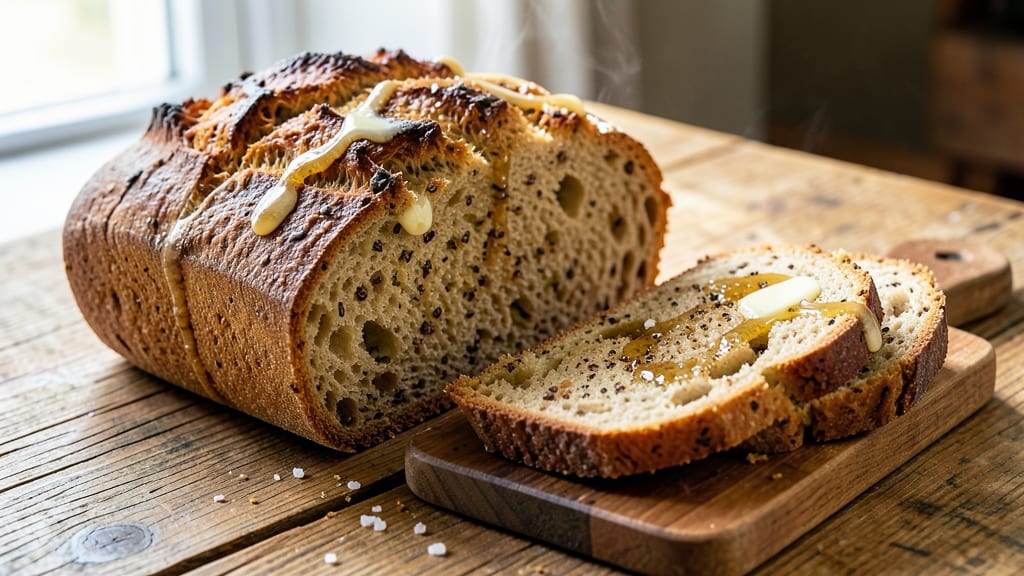
This authentic German rye bread recipe delivers the deep malty flavor and dense texture that define traditional German baking. 🌟 The secret lies in a sourdough starter and malt syrup, which create that signature tangy richness and hearty crumb.
I've perfected this recipe through years of testing, ensuring every loaf captures the essence of German bakeries.
The process begins with a robust sourdough starter, which adds natural fermentation and complexity to the dough. Caraway seeds and dark rye flour contribute to the bread's distinctive aroma and flavor profile. Unlike lighter breads, this recipe requires patience—allowing the dough to ferment slowly develops its signature depth and texture.
What you'll achieve is a loaf with a crisp, golden crust and a dense, moist interior that's perfect for slicing thick. The flavor is boldly malty with subtle sweetness, making it ideal for pairing with butter, cheese, or serving alongside traditional German dishes like bratwurst or sauerkraut.
This bread is best enjoyed fresh, but it also freezes beautifully for up to three months. The authenticity comes from traditional techniques, ensuring every bite transports you to a German bakery. Let's get started on crafting your perfect loaf.
Ingredients for authentic german rye bread
Nine essential ingredients for a loaf that tastes like German bakery magic.
| Ingredient | Amount | Notes |
|---|---|---|
| Dark Rye Flour 🌾 | 4 cups | High-protein, dark rye preferred |
| All-Purpose Flour 🌾 | 2 cups | For lighter texture balance |
| Active Dry Yeast 🍞 | ½ tsp | Or 1 packet instant yeast |
| Malt Syrup 🍯 | ½ cup | Or maltose powder for deeper flavor |
| Sourdough Starter 🍞 | 1 cup | Active, bubbly starter |
| Warm Water 💧 | 2 ½ cups | 105°F-110°F for activation |
| Caraway Seeds 🌿 | 2 tbsp | Whole, lightly toasted |
| Salt 🧂 | 2 tsp | Kosher or sea salt |
| Honey 🍯 | 1 tbsp | Or maple syrup for vegan option |
| Olive Oil 🫒 | 2 tbsp | Extra-virgin for richness |
| Milk 🥛 | ½ cup | Warmed for dough tenderness |
| Cornmeal 🌽 | ½ cup | For dusting bread pan |
The rye flour is non-negotiable—King Arthur or Bob's Red Mill dark rye deliver that deep, earthy flavor. I always grab mine from Whole Foods or the bulk section at Trader Joe's—the higher protein content makes all the difference. Caraway seeds? Toast them lightly in a dry pan first—30 seconds max—to unlock their nutty aroma. The malt syrup is where the authentic malty flavor comes from, so don't skimp. Bragg or McCormick are my go-tos, but any malt syrup will work. Your sourdough starter should be active and bubbly—if it's sluggish, feed it 12 hours before using.
No malt syrup? Maltose powder works in a pinch, though the flavor won't be identical. Running low on rye flour? Swap half for whole wheat flour, but the texture will be slightly lighter. The honey adds just enough sweetness to balance the tang—local raw honey if you can get it, but store-bought works fine. For a vegan version, replace the honey with maple syrup and use plant-based milk. The olive oil should be extra-virgin—California brands like Corto have that fruity punch that makes the dough sing. And yes, you can use milk powder mixed with water if you're out of milk, but fresh milk gives the best results.
This dough needs time—at least 12 hours of cold fermentation for that authentic sour depth. Shape your loaf in a well-floured bowl, cover with a damp towel, and let it rise in the fridge overnight. The cornmeal isn't just for dusting—it adds a subtle crunch to the crust. For the perfect loaf, bake in a Dutch oven or cast iron skillet—preheat it for 30 minutes before transferring the dough. Freshly baked, this bread keeps for 3-4 days at room temperature wrapped in a towel, or 3 months frozen. The flavor actually improves after a day or two as the acids develop.
Why You'll Love This Recipe
- I’ll be real: I used to dread bread-making, but this recipe changed my mind. The sourdough starter does most of the work—just mix, let it rise overnight, and bake. No punishing kneading, no failed attempts at perfect loaves.
- No-Knead Magic: I’ll be real: I used to dread bread-making, but this recipe changed my mind. The sourdough starter does most of the work—just mix, let it rise overnight, and bake. No punishing kneading, no failed attempts at perfect loaves.
- Malt Syrup Secret: That sticky-sweet malt syrup isn’t just flavor—it’s the soul of this bread. It caramelizes in the oven, giving you a deep, toasty crunch that pairs perfectly with butter or jam. Honestly, I’ve never tasted rye this rich without the fuss.
- Weeknight Workhorse: Between us, this bread is my go-to for sandwiches, toast, or even crumbled over salads. The dark rye flour keeps it hearty, while the all-purpose gives it a soft, open crumb. It’s the one loaf I actually finish before it gets stale.
Step-by-step instructions for authentic German rye bread
This is the traditional German method—deep malty flavor, crisp crust, and perfect fermentation.
👨🍳 Step 1: Toast Caraway Seeds and Mix Wet Ingredients
First, toast the 2 tbsp caraway seeds in a dry skillet over medium heat for 2-3 minutes until fragrant and lightly golden. Let them cool completely—this enhances their flavor without bitterness. In a large mixing bowl, combine the 1 cup sourdough starter, 2.5 cups warm water (105°F-110°F), 0.5 cup malt syrup, 1 tbsp honey, 2 tbsp olive oil, 0.5 cup milk, and the cooled toasted caraway seeds. Mix until fully incorporated—this creates your flavor base.
Here's the thing—warm water activates the yeast in your starter while the malt syrup and honey feed it. The olive oil adds richness that balances the rye's earthiness. Stir gently to avoid over-developing gluten at this stage. Let this mixture sit for 10 minutes while you prepare the dry ingredients.
👨🍳 Step 2: Combine Flours and Hydrate the Dough
In the same bowl, whisk together the 4 cups dark rye flour, 2 cups all-purpose flour, and 2 tsp salt. Gradually add the flour mixture to the wet ingredients while stirring with a wooden spoon. You're aiming for a shaggy, sticky dough—this is normal with rye bread. The dark rye flour absorbs more liquid, so don't be tempted to add extra water.
After mixing, let the dough rest for 30 minutes at room temperature. This initial hydration period allows the flour to fully absorb the liquid and the gluten to begin relaxing. Cover the bowl loosely with plastic wrap or a damp towel to prevent drying. You'll notice the dough will become slightly more manageable but still quite sticky—this is perfect for German rye bread.
🥘 Step 3: Knead and Shape the Dough
After the rest period, wet your hands and begin kneading the dough on a lightly floured surface. I use a combination of hand-kneading and folding techniques—press down on the dough, fold it over itself, and rotate. Work for 8-10 minutes until the dough becomes smoother and more elastic. The texture should be soft but still slightly sticky; don't add more flour or the bread will become dense.
Once kneaded, shape the dough into a round loaf. For an authentic German touch, create a well in the center and press your thumb into it to form a slight depression. This creates the classic rye bread shape while allowing steam to escape during baking. Place the shaped dough in a lightly greased bowl, cover with a damp towel, and let it rise at room temperature for 1-2 hours until it has nearly doubled in size.
🔥 Step 4: Pre-Shape and Cold Proof for Crisp Crust
Preheat your oven to 375°F. Line a loaf pan with parchment paper and dust it generously with 0.5 cup cornmeal. Transfer the risen dough to the prepared pan and gently shape it into the pan, pressing down lightly. The cornmeal creates a crisp barrier that prevents sticking and gives that beautiful golden crust.
Here's where the magic happens: cover the pan with a damp towel and refrigerate for 12-24 hours. This long, cold fermentation develops deep flavor and creates that signature crisp crust. The dough will rise slowly in the fridge, and you'll notice bubbles forming on the surface—this indicates active fermentation. When ready to bake, the dough should be well-risen and springy to the touch.
🔥 Step 5: Bake to Deep Golden Perfection
Remove the dough from the fridge and preheat your oven to 400°F. Bake the bread for 45-50 minutes until it reaches an internal temperature of 205°F and the crust is deep golden brown. For extra crispiness, I like to place a metal tray filled with boiling water in the oven during the first 15 minutes of baking—this creates steam that develops that beautiful crust.
When done, the bread should sound hollow when tapped on the bottom. Let it cool in the pan for 10 minutes before transferring to a wire rack. The bread will continue to firm up as it cools, revealing its crisp exterior and dense, moist crumb. Slice it thickly—German rye bread is best enjoyed fresh from the oven, toasted, or used for open-faced sandwiches.
Pro Tips For Making Authentic German Rye Bread
- Mix Malt Syrup Last: Dark rye flour soaks up liquid like a sponge—add the malt syrup right before kneading or the dough turns into glue. I learned this after one disastrous batch where I pre-mixed everything and ended up with a sticky mess that wouldn’t hold shape.
- Autolyse Before Yeast: Let the dark rye flour and water sit for 20-30 minutes before adding yeast or sourdough. This hydrates the tough rye gluten, making the dough easier to handle later. (Yes, it feels like waiting kills you—trust me, it’s worth it.)
- Steam the First 10 Minutes: Skip the Dutch oven if you’re in a pinch, but at least steam the loaf for the first 10 minutes in the oven. Crank the heat to 450°F (230°C), toss a metal tray of boiling water on the lower rack, and shut the door. That crust will rise like magic instead of collapsing flat.
- Use Cold Malt Syrup: Pour the malt syrup straight from the fridge—it slows fermentation just enough to give the yeast time to wake up properly. I used to use it at room temp, and the bread always tasted slightly off, like it rushed the process. Cold syrup = cleaner flavor.
Best sauces and condiments for these flavors
Butter Spreads
Nothing beats German-style butter spreads on fresh rye bread. Try Braunschweiger Senfbutter—a tangy mustard butter blend with caraway seeds that mirrors your bread's flavor profile. I mix ½ cup softened butter with 2 tbsp Dijon mustard, 1 tsp caraway seeds, and a pinch of salt.
Another favorite is sweetened butter with 1 tbsp honey and ½ tsp cinnamon for a breakfast-friendly twist. 🥛
Mustard Pairings
German rye bread pairs perfectly with Dijon mustard or whole-grain mustard—the sharpness cuts through the bread's richness. For a classic combo, spread 2 tbsp coarse-grain mustard on a thick slice and top with smoked salmon or cured ham.
I also love sweet cornichons and creamy camembert for a French-German fusion. The acidity in the mustard balances the bread's malty depth beautifully.
Cheese Combinations
German rye bread shines with aged cheeses like Limburger or Tilsiter—their funky flavors complement the bread's sour notes. For a lighter option, try brie or havarti with a drizzle of honey.
My go-to is smoked gouda melted on toasted rye with a sprinkle of fresh dill. The cheese's richness enhances the bread's crusty texture while keeping it balanced. 🧀
Sweet Toppings
Don't overlook sweet pairings! A thin layer of apple butter with cinnamon creates a cozy breakfast. For something richer, spread dark chocolate ganache (melt ½ cup dark chocolate with ¼ cup heavy cream) and top with sea salt flakes.
A sprinkle of crushed hazelnuts adds crunch. These toppings highlight the bread's subtle sweetness while adding complexity.
Traditional German Condiments
For authenticity, try Apfelmus (German apple butter) or Quark (a tangy fresh cheese spread). Mix ½ cup quark with 1 tbsp honey and a pinch of cardamom for a Scandinavian-German twist.
These condiments were staples in traditional German homes and pair perfectly with rye bread's hearty profile. The acidity in quark cuts through the bread's density, making every bite more enjoyable. 🍏
Nutrition facts
Frequently asked questions
What's the difference between German rye bread and pumpernickel?
Authentic German rye bread uses a mix of dark rye and all-purpose flour with active yeast, while pumpernickel is made with 100% rye flour and often includes molasses or coffee for extra depth. Pumpernickel also bakes longer at lower temperatures (300°F for 4-6 hours) for its signature dark color and dense texture. This recipe delivers the classic German rye flavor without being as heavy as pumpernickel.
Can I make this without a sourdough starter?
Yes! Replace the 1 cup sourdough starter with 1 cup warm water and 1 tbsp active dry yeast (or 2¼ tsp rapid-rise yeast). The flavor won't be identical—you'll lose some tang—but it'll still be delicious. For better results, use 1 tbsp malt powder instead of syrup to mimic the malty depth. Let the dough ferment 2 hours at room temp before cold-proofing.
Why does my German rye bread taste bland?
Bland flavor usually means insufficient fermentation or weak flavor ingredients. Ensure your sourdough starter is active (bubbly and doubled within 4-6 hours). For deeper flavor, toast the caraway seeds longer (3-4 minutes) and use more malt syrup (3/4 cup). Also check your salt measurement—too little salt makes bread taste flat. The cold fermentation (12+ hours) is crucial for developing complexity.
How do I store German rye bread to keep it fresh?
Wrap the cooled loaf tightly in plastic wrap or place it in an airtight container with a damp towel. At room temperature, it stays fresh for 3-4 days. For longer storage, freeze slices wrapped in parchment paper—they'll stay fresh for 3 months. To revive frozen bread, toast directly from frozen for 5-7 minutes at 350°F. Never refrigerate—it dries out the crumb faster.
Can I use whole wheat flour instead of dark rye flour?
You can substitute half the dark rye flour with whole wheat flour, but the texture and flavor will differ. Whole wheat lacks the deep malty notes of rye, and the bread may become denser. For best results, use 2 cups dark rye + 1 cup whole wheat + 1 cup all-purpose flour. If you must go all whole wheat, add 1 tbsp vital wheat gluten to improve structure. The crust won't be as crisp, but it'll still be hearty.