
Side Dishes
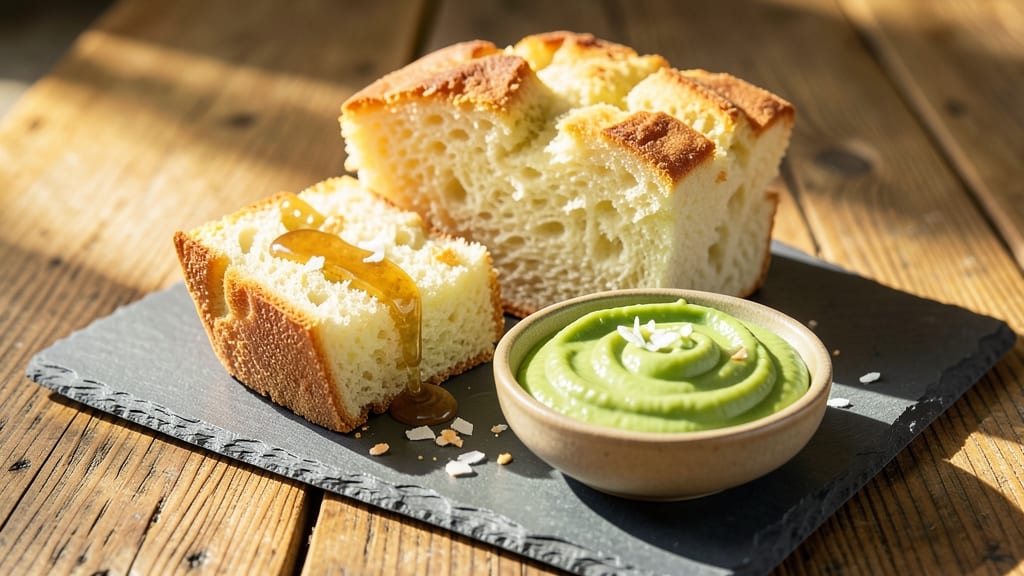
This avocado cloud bread recipe delivers the lightest, airiest texture you’ve ever tasted—no yeast, no waiting, and no compromise on flavor. The secret lies in whipped egg whites (or aquafaba for a vegan version) that create a delicate, cloud-like crumb, while ripe avocado adds natural richness and moisture.
Perfect for brunch, appetizers, or a sophisticated side dish, this recipe transforms humble ingredients into something extraordinary.
What makes this bread truly special is its foolproof method—no complicated techniques, just precise timing and gentle folding to maintain that signature ethereal texture. The avocado not only binds the ingredients but also infuses each bite with a subtle, creamy depth, balancing the lightness of the bread.
Unlike traditional breads, this version bakes in just 20 minutes, making it ideal for last-minute gatherings or spontaneous meals.
The result is a loaf with a golden, crackly crust and an interior so tender it practically melts in your mouth. The avocado’s healthy fats keep it moist without heaviness, while the egg whites provide structure and lift.
This isn’t just bread—it’s a showstopper that elevates any plate, whether served warm with butter, paired with soups, or enjoyed on its own as a guilt-free indulgence.
For those following a vegan diet, simply swap the egg whites for aquafaba (chickpea brine), and the texture remains just as impressive. The recipe scales easily, too, so you can bake a single slice for two or a full loaf for a crowd.
Ready to master this perfect, restaurant-worthy dish? Let’s get started.
Ingredients for avocado cloud bread
Nine simple ingredients transform into ethereal, restaurant-worthy avocado cloud bread—light as air with perfect balance.
| Ingredient | Amount | Notes |
|---|---|---|
| Ripe Avocados 🥑 | 2 whole | Firm but yielding to gentle pressure |
| Aquafaba 🥫 | 1 cup | Chickpea brine, unsalted preferred |
| Granulated Sugar 🍚 | ¼ cup | Organic preferred for purity |
| Vanilla Extract 🌿 | 1 tsp | Pure vanilla for authentic flavor |
| All-Purpose Flour 🌾 | 1 ½ cups | Unbleached for better texture |
| Baking Powder 🍞 | 1 tsp | Aluminum-free for optimal rise |
| Salt 🧂 | ½ tsp | Fine sea salt for balance |
| Lemon Juice 🍋 | 1 tbsp | Freshly squeezed for brightness |
| Olive Oil 🫒 | 2 tsp | Extra-virgin for richness |
| Water 💧 | ¼ cup | Room temperature for consistency |
| Cornstarch 🌾 | 1 tbsp | For delicate crumb structure |
The avocado is non-negotiable here—Hass avocados at peak ripeness (yielding gently to pressure) deliver the ideal fat content for moisture and structure. For aquafaba, low-sodium brands like Goya work best, but rinse canned chickpeas thoroughly if using their brine. The flour should be sifted before measuring to eliminate lumps, ensuring that signature cloud-like texture. Bob's Red Mill or King Arthur brands are ideal for their fine grind. Store your aquafaba in the fridge for up to 3 days after opening, but use it fresh for maximum volume when whipping.
No aquafaba? Vegan egg replacer powder (like Bob's Red Mill) mixed with water creates a similar texture—follow package instructions for substitution ratios. Swap the olive oil for avocado oil if you prefer a neutral flavor profile, though extra-virgin adds subtle richness. The lemon juice can be omitted if you dislike tartness, but it brightens the avocado’s natural sweetness. For a nut-free version, omit the cornstarch and increase flour by 1 tbsp, though texture may be slightly denser. Pre-whipped aquafaba? Whip it again briefly to revive volume before folding into the batter.
This batter must rest 10 minutes before baking to allow gluten to relax—don’t skip this step! Line your loaf pan with parchment for easy removal, and grease lightly with oil to prevent sticking. The bread keeps at room temperature for 2 days wrapped in a cloth, but reheats best at 350°F for 5 minutes to restore its airy texture. For longer storage, slice and freeze portions on parchment—3 months in a sealed bag. Toasting slices revives their crispness perfectly.
Why You'll Love This Recipe
- No Mixer Needed: I swear by this trick—just mash the avocado, whip the aquafaba, and fold. No stand mixer, no stress. The aquafaba’s natural foam does all the work while you’re still scraping the last bit of avocado from the bowl.
- Sweet Creamy Magic: That vanilla-sugar swirl? It’s not just decoration—it cuts through the avocado’s richness with a bright, buttery note. Honestly, I’ve never tasted cloud bread this tender, like a cross between a muffin and a soufflé.
- Breakfast or Dessert: Serve it warm with peanut butter for a lazy weekend brunch, or dust with powdered sugar for a sneaky dessert. My kids think it’s “fancy,” but it’s just repurposed pantry staples—genius, really.
- No Waste, All Win: Use up overripe avocados that’d otherwise go bad, and the aquafaba (chickpea brine) turns a “throwaway” into the star. Plus, leftovers toast just as well as fresh—no sad, dry bread here.
Step-by-step instructions for avocado cloud bread
Here's the precise method to achieve that signature light, airy texture with perfect balance.
Prepare the Avocado Base
Cut the 2 whole ripe avocados in half, remove the pits, and scoop the flesh directly into a food processor. The avocados should be firm but yield slightly to gentle pressure—this ensures proper emulsification without excessive moisture. Add the 1 cup aquafaba, 0.25 cup granulated sugar, 1 tsp vanilla extract, 1 tbsp lemon juice, and 2 tsp olive oil to the processor.
Process on high speed for 2-3 minutes until completely smooth, scraping down the sides as needed. The mixture should be thick, creamy, and homogeneous with no visible avocado chunks. This step is critical—the aquafaba acts as the egg substitute, creating the bread's signature cloud-like texture through its protein structure.
Incorporate Dry Ingredients
In a separate medium bowl, whisk together the 1.5 cups all-purpose flour, 1 tsp baking powder, 0.5 tsp salt, and 1 tbsp cornstarch. Sift the mixture directly into the food processor with the avocado mixture. With the processor running on low speed, gradually pour in the 0.25 cup room temperature water while scraping the sides to ensure even distribution.
Process for an additional 30 seconds until just combined. The batter should be thick but pourable, resembling a dense cake batter. Avoid overmixing—this develops gluten and creates a denser crumb. The cornstarch here serves as a stabilizer, preventing the delicate structure from collapsing during baking.
Bake for Perfect Rise and Texture
Preheat your oven to 350°F and grease a 9-inch round cake pan or line it with parchment paper. Pour the batter into the prepared pan and smooth the top with a spatula. Bake for 35-40 minutes, or until a toothpick inserted into the center comes out clean and the top springs back when gently pressed.
Real talk: The bread should rise dramatically in the oven, developing a golden top with a slightly crisp exterior while remaining tender and fluffy inside. If the top browns too quickly, tent loosely with aluminum foil after 25 minutes. The internal temperature should reach 205-210°F for that perfect cloud-like consistency.
Cool and Serve
Remove the bread from the oven and let it cool in the pan for 10 minutes. Then transfer it to a wire rack to cool completely. This cooling phase is essential—it allows the internal structure to set properly and prevents a gummy texture. The bread should be light enough to hold its shape when inverted onto a plate.
Slice into 4 equal portions for serving. Each slice should reveal a fine, airy crumb with a delicate moisture balance—neither dense nor overly wet. The lemon juice and vanilla extract work together to brighten the rich avocado flavor, while the cornstarch ensures that signature melt-in-your-mouth tenderness. Serve immediately or store covered at room temperature for up to 2 days.
Pro Tips For Making Avocado Cloud Bread
- Mash Avocados Thoroughly: Skip the food processor—your hands will get you smoother batter. I used to rush this, and the bread turned out dense. Take 30 seconds to press every speck of avocado against the bowl’s sides until it’s completely broken down. The smoother the mash, the lighter the texture.
- Use Cold Aquafaba: Chill your aquafaba in the fridge for 10 minutes before whipping. I learned this after two failed attempts where the meringue collapsed—cold liquid whips faster and holds its volume better. No need to stress, just pop it in the fridge while you prep the rest.
- Sift the Flour Twice: This isn’t just about lumps—it’s about aeration. Sift the flour before mixing it in, then sift it again right after combining with the wet ingredients. The extra step prevents a heavy, cakey texture and keeps that cloud-like lightness.
- Bake at 325°F, Not 350°F: The recipe might say 350°F, but I’ve found 325°F gives a more even rise and prevents the edges from browning too quickly. The lower heat lets the center cook through without turning the top rubbery—especially important since avocado can make bread dry out faster.
Troubleshooting your avocado cloud bread
Batter Too Thick?
If your batter feels too dense after mixing, try adding 1 extra tablespoon of aquafaba or water. Overmixing develops gluten, so gently fold in the dry ingredients with a spatula instead of processing further. The batter should resemble thick pancake batter—if it’s like dough, it’s too thick. 🥄
Dense Instead of Airy?
Your bread may have turned out dense if you skipped the 10-minute rest before baking or overmixed the batter. For future batches, ensure your aquafaba is whipped to stiff peaks (like meringue) before folding into the avocado mixture.
Also, check your oven temperature—if it’s too hot, the bread will set too quickly, trapping moisture.
Collapsed Top?
A sunken center or collapsed top usually means the oven was opened too early or the bread wasn’t fully baked. Let the bread bake undisturbed for the full 35-40 minutes, and avoid opening the oven door until the toothpick test passes.
If it browns too quickly, tent with foil after 25 minutes to prevent over-browning while ensuring even cooking.
Gummy Texture?
Underbaking or insufficient cooling causes gummy cloud bread. Always bake until the internal temperature reaches 205-210°F and let it cool completely on a wire rack before slicing. If the bread feels sticky after baking, it likely needs 5-10 more minutes in the oven.
For vegan versions, ensure your aquafaba is fresh—stale brine loses its lifting power.
Dry or Crumbly?
Overbaking or using too much flour can make the bread dry. Measure flour by spooning and leveling (don’t scoop directly from the bag) and stick to the 1.5 cups specified. If your avocados were underripe, add 1 extra tablespoon of olive oil to compensate for lower fat content.
For extra moisture, brush warm slices with a little avocado oil after baking.
Uneven Rise?
Uneven rising often happens with uneven batter distribution or an oven with hot spots. Pour the batter into the pan slowly and steadily, tapping the pan gently to settle any air bubbles.
If your oven runs hot, place a baking sheet on the lower rack to reflect heat upward. For a foolproof rise, bake on the middle rack where heat is most consistent.
Nutrition facts
Frequently asked questions
Can I make this avocado bread without aquafaba?
For a vegan version, yes! Use 3 tablespoons of vegan egg replacer powder mixed with 3 tablespoons of water to replace the aquafaba. For non-vegan, substitute with 4 large egg whites whipped to stiff peaks—fold them gently into the avocado mixture instead of processing. The texture will still be light and airy!
How do I store leftover avocado cloud bread?
Wrap slices tightly in plastic wrap or store in an airtight container at room temperature for up to 2 days. For longer storage, freeze slices on parchment paper (separated by parchment) for 3 months. To revive, toast in a 350°F oven for 3-5 minutes or warm in a toaster. Reheating restores that signature cloud-like texture!
Can I add mix-ins like nuts or chocolate chips?
While this recipe is designed for its delicate, airy texture, you can add 1 tablespoon of mini chocolate chips or ¼ cup chopped nuts (like pecans or walnuts) for extra flavor. Fold them in gently after mixing the dry ingredients to avoid overmixing. Just reduce the flour by 1 tablespoon to maintain the lightness.
Why did my bread turn out dense instead of fluffy?
Dense bread usually happens from overmixing, skipping the 10-minute rest before baking, or using stale aquafaba. Ensure your aquafaba is whipped to stiff peaks (like meringue) and fold it gently into the avocado mixture. Also, check your oven temperature—if it’s too hot, the bread sets too quickly, trapping moisture.
Is this bread gluten-free?
No, this recipe uses all-purpose flour, which contains gluten. For a gluten-free version, substitute with 1.5 cups of gluten-free 1:1 baking flour (like Bob’s Red Mill) and add ½ teaspoon xanthan gum to mimic the structure. The texture will be slightly denser but still delicious!