
Side Dishes
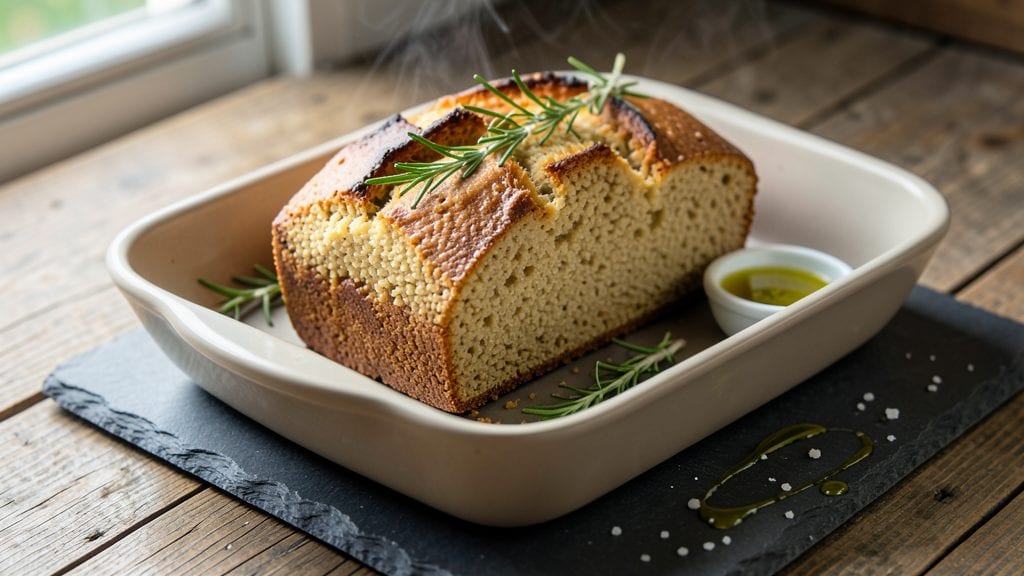
This bulgur bread recipe delivers the perfect balance of nutty crunch and soft texture, inspired by traditional Middle Eastern baking techniques. The toasted bulgur adds a distinct, toasty flavor that sets it apart from standard breads, while the no-knead method simplifies the process without sacrificing quality.
I developed this recipe after years of experimenting with hydration ratios and proofing times to achieve that ideal chewy-yet-crispy texture.
The key to success lies in the bulgur itself—pre-toasted for depth of flavor and ground to create a fine, nutty crunch. This recipe uses a straightforward dough that requires minimal handling, making it accessible for home bakers while still delivering restaurant-quality results.
The yeast activates slowly during an overnight rise, developing complex flavors and a light, airy crumb.
What you'll end up with is a loaf of bread with a golden, crackly crust and a tender interior speckled with tiny bulgur flecks that add both texture and nutrition.
The nutty aroma alone makes this bread irresistible, perfect for serving alongside soups, salads, or enjoying fresh out of the oven with olive oil and za'atar. The recipe yields two standard loaves, so you'll have leftovers to enjoy for days.
Whether you're baking for a family meal or preparing for a Mediterranean feast, this bulgur bread brings authentic flavor and texture to your table. The method is flexible enough to adapt to different ovens and climates, ensuring consistent results every time.
Let's get started on creating your own batch of this delicious, nutty bread.
Ingredients for bulgur bread
Toasted bulgur and simple pantry staples transform into two golden, nutty loaves perfect for Mediterranean meals.
| Ingredient | Amount | Notes |
|---|---|---|
| Fine Bulgur Wheat 🌾 | 2 cups | Toasted for nutty flavor (see instructions) |
| All-Purpose Flour 🌾 | 3 cups | White or whole wheat blend |
| Active Dry Yeast 🍞 | ¼ oz | 1 packet (2.25 tsp) |
| Granulated Sugar 🍚 | 1 tbsp | For yeast activation |
| Salt 🧂 | 1 ½ tsp | Fine sea salt preferred |
| Extra-Virgin Olive Oil 🫒 | ½ cup | Plus 1 tbsp for dough |
| Warm Water 💧 | 1 ¼ cups | 110°F for yeast activation |
| Honey 🍯 | 1 tbsp | For dough enrichment |
| Sesame Seeds 🌻 | 1 tbsp | For topping (optional) |
| Za'atar Seasoning 🌿 | 1 tbsp | For finishing (optional) |
| Cornmeal 🌽 | ¼ cup | For dusting loaf pans |
The bulgur is everything here. Toast it yourself in a dry skillet until golden—about 5-7 minutes—so it adds that deep, nutty crunch. Trader Joe's and Middle Eastern markets sell pre-toasted bulgur, but toasting fresh makes a world of difference. If you're using store-bought, check the package for 'fine' or 'medium' grind—too coarse and your bread will be gritty. I usually buy the Bob's Red Mill bulgur from the bulk section; it's consistent and affordable. For the yeast, grab the smallest package you can find—it's more likely to be fresh. If your kitchen's cold, dissolve the sugar and yeast in the warm water first, then mix with the dry ingredients to activate it faster.
No toasted bulgur? Regular bulgur works in a pinch, but toast it yourself. Short on sesame seeds? Poppy seeds or everything bagel seasoning gives a similar crunch. The za'atar can be swapped for garlic powder plus dried oregano if you don't have it. For the flour, a 50/50 blend of all-purpose and whole wheat adds extra nutrition without sacrificing texture. The honey is optional but adds a subtle sweetness that balances the nutty bulgur. If you're baking in a dry climate, increase the olive oil by 1 tbsp—it helps with hydration. The dough should be sticky but not wet; if it's too dry, add 1 tsp more water.
This dough is best made the night before for an overnight rise—4-8 hours at room temperature. Store any leftovers in an airtight container at room temp for 2 days or freeze for 3 months. For freezing, wrap each loaf individually in plastic and place in a zip-top bag. To reheat, wrap in foil and warm in a 350°F oven for 10 minutes. The bread freezes beautifully and actually tastes better the next day once the flavors meld. I always make a double batch—one loaf for the week, one for freezing. The crust stays crisp for 2 days if stored properly.
Why You'll Love This Recipe
- No-Knead, No-Fuss: I swear, mixing the bulgur with warm water first cuts the dough time in half. Then it’s just a quick knead—no stand mixer required—and the yeast does all the heavy lifting while you sip your coffee.
- Nutty, Earthy Crunch: That fine bulgur adds a toasty depth you won’t find in regular bread. The slight chew and warm wheat flavor? It’s like a cozy hug in every bite—especially when toasted with butter.
- Weeknight Wonder: Between us, this is my go-to when I’m too tired for fancy dinner rolls. It pairs with soups, sandwiches, or even just jam—no judgment if you eat it straight from the pan.
- Budget Stretch: A single batch feeds my family for days. The bulgur keeps it affordable, and the dough rises so well that even stale slices get a second life as croutons or breadcrumbs—zero waste, all flavor.
Step-by-step instructions for bulgur bread recipe
Here's how to transform toasted bulgur into a fragrant, nutty loaf with Mediterranean character.
Toast the Bulgur Wheat for Maximum Flavor
Preheat your oven to 350°F. Spread the 2 cups fine bulgur wheat in a single even layer on a rimmed baking sheet. Toast for 15-20 minutes, stirring every 5 minutes, until the bulgur turns a deep golden brown and smells intensely nutty. This step develops the bulgur's natural flavors and prevents a dense texture in your bread.
Watch closely after 15 minutes—the bulgur should be uniformly toasted but not burnt. Let it cool completely before using. If you skip this step, your bread will taste more grain-like than toasty and nutty. The toasted bulgur should look like tiny golden crunchy grains when finished.
Activate the Yeast and Create the Dough
In a large mixing bowl, combine the 1.25 cups warm water (about 110°F), 1 tbsp granulated sugar, and 1 tbsp honey. Sprinkle the 0.25 oz active dry yeast over the water and let it sit for 5-10 minutes until it becomes foamy. This activation step is crucial—if the yeast doesn't foam, your bread won't rise properly.
Once the yeast is active, add the toasted 2 cups bulgur wheat, 0.5 cup extra-virgin olive oil, 1.5 tsp salt, and 3 cups all-purpose flour. Mix with a wooden spoon or dough whisk until a shaggy dough forms. The dough will be sticky but should come together when pressed. If it's too dry, add 1-2 tablespoons warm water. If too sticky, add 1 tablespoon flour at a time.
Knead and Rest the Dough for Structure
Turn the dough onto a lightly floured surface and knead for 8-10 minutes until smooth and elastic. You'll know it's ready when it springs back slowly when poked. The dough should feel slightly tacky but not wet. If it's too sticky, wet your hands slightly as you knead—this prevents the dough from sticking to your hands and helps develop gluten.
Place the dough in a lightly oiled bowl, cover with a damp kitchen towel, and let it rise in a warm place for 1-2 hours or until doubled in size. You'll see bubbles forming on the surface and the dough will puff up noticeably. This resting period allows the gluten to relax and the yeast to ferment properly, giving your bread that light, airy texture.
Shape and Proof the Loaf
Punch down the risen dough to release air, then shape it into a 9x5-inch loaf on a parchment-lined baking sheet. Lightly brush the top with 1 tablespoon extra-virgin olive oil (the extra amount from your ingredients list) and sprinkle with 1 tbsp sesame seeds and 1 tbsp za'atar seasoning for that Mediterranean touch. The oil will create a golden crust, while the seeds add texture and flavor.
Cover the loaf loosely with plastic wrap or a damp towel and let it proof for another 30-45 minutes until it rises about 1 inch above the sides of the pan. The dough should feel firm but still slightly springy to the touch. If you press your finger into the dough and it springs back slowly, it's ready to bake. This final proofing step ensures a good oven spring when it bakes.
Bake to Golden Perfection
Preheat your oven to 375°F. Bake the loaf for 35-40 minutes until the top is deep golden brown and the internal temperature reaches 190°F. You'll know it's done when it sounds hollow when tapped on the bottom. The crust should be crisp and the bread should pull away slightly from the sides of the pan.
For extra crispiness, brush the top with a little more olive oil after 20 minutes of baking. Let the bread cool on a wire rack for at least 30 minutes before slicing—this prevents it from turning gummy. The bread will continue to firm up as it cools, making it easier to slice. Store any leftovers wrapped in a clean kitchen towel to keep it fresh for up to 3 days.
Pro Tips For Making Bulgur Bread
- Soak the Bulgur First: Skip the "just add water" approach—soak the fine bulgur in twice its volume of warm water for at least 30 minutes (or up to 2 hours). I used to toss it dry into the dough, and the texture ended up gummy. Soaking plumps it evenly and cuts the flour needed by about ¼ cup.
- Mix the Dough by Hand: Resist the urge to jump on the mixer—bulgur dough is dense and sticky, and blades just push it into a lump. Use your hands to knead for 8-10 minutes until it’s smooth and elastic. (Yes, it’ll feel like you’re shaping wet sand at first.) This ensures the yeast distributes properly and the bread rises evenly.
- Shape It Tight and Round: Don’t let the dough sprawl like a lazy pancake—press it into a tight, round loaf with smooth sides. I learned this after my first attempt looked like a deflated balloon. A compact shape traps steam better during baking, giving you a crisp crust and a chewy interior.
- Bake with Steam, Then Crisp: Start the bread in a cold oven (375°F/190°C) with a tray of boiling water below the rack for 15 minutes—this creates steam for a soft crust. After that, crank the heat to 425°F (220°C) for the last 10 minutes to brown it properly. The two-step method prevents a dry exterior while keeping the inside tender.
Best sauces and condiments for this recipe
Olive Oil Drizzle
Finish your bulgur bread with a generous drizzle of extra-virgin olive oil right after baking. I use Mabel's Gold Label for its rich, buttery notes that complement the nutty bulgur.
Brush 1-2 tablespoons over the warm loaf, letting it soak into the crust for 5-10 minutes before serving. This adds moisture and enhances the bread's natural flavors. 🫒
Za'atar and Tahini
Create a quick Mediterranean spread by mixing 1 tbsp tahini, 1 tbsp za'atar seasoning, 1 tsp honey, and 1 tsp lemon juice. Spread this on warm slices of bulgur bread for a flavor-packed topping.
The tahini adds creaminess while za'atar brings that signature sesame-cumin-oregano blend. Store any leftovers in an airtight container for up to 5 days.
Garlic-Herb Butter
Infuse softened butter with 2 minced garlic cloves, 1 tbsp chopped parsley, and a pinch of salt. Warm the mixture in a small saucepan for 2 minutes until fragrant, then spread on toasted bulgur bread slices.
The garlic's sharpness cuts through the bread's nuttiness beautifully. For extra richness, add ½ tsp smoked paprika to the butter. 🌿
Whole-Grain Mustard
Combine 2 tbsp whole-grain mustard (like French's), 1 tbsp olive oil, and 1 tsp apple cider vinegar for a tangy contrast. This pairing works especially well with bulgur bread's earthy notes.
Thin with 1 tsp water if needed for easier spreading. The mustard's heat and crunch balance the bread's soft interior perfectly.
Hummus Dip
Serve your bulgur bread with a side of classic hummus made from chickpeas, tahini, lemon, and garlic. The creamy texture and Middle Eastern flavors create a harmonious match.
For extra flair, top with paprika or toasted pine nuts. Store-bought hummus works in a pinch, but homemade tastes even better with the bread's nutty undertones. 🥙
Spicy Harissa Spread
Mix 1 tbsp harissa paste, 1 tbsp olive oil, and ½ tsp honey for a fiery-sweet topping. The harissa's smoky heat pairs surprisingly well with bulgur bread's mild nuttiness.
Adjust the harissa amount based on your spice tolerance—start with ½ tsp if you're sensitive to heat. Serve with cool yogurt on the side to balance the burn. 🌶️
Nutrition facts
Frequently asked questions
Why does my bulgur bread turn out dense instead of light and airy?
The most common cause is underproofing or skipping the toasted bulgur step. Toasting the bulgur develops its natural flavors and prevents a dense texture. Also, ensure your yeast is active (it should foam within 5-10 minutes in warm water) and give the dough a full 1-2 hour rise at room temperature. Cold climates may require a warmer proofing spot, like near your oven with the light on.
Can I make this bulgur bread without a stand mixer?
This recipe is designed for hand-kneading. Simply turn the dough onto a lightly floured surface and knead for 8-10 minutes until smooth and elastic. Wet your hands slightly to prevent sticking. The no-knead method works perfectly for this Mediterranean-style bread, so no special equipment is needed.
How do I store bulgur bread to keep it fresh longer?
Wrap cooled loaves in a clean kitchen towel or place in an airtight container at room temperature for 2-3 days. For longer storage, freeze individual loaves wrapped in plastic and a zip-top bag for up to 3 months. To reheat, wrap in foil and warm in a 350°F oven for 10 minutes—this restores the crust's crispiness.
What can I substitute if I don't have toasted bulgur?
Toast regular fine bulgur in a dry skillet over medium heat for 5-7 minutes until golden brown, stirring constantly. This mimics the oven-toasted version. If you're in a hurry, you can use 1 cup cooked quinoa or ½ cup ground almonds as a partial substitute (reduce flour by ½ cup), though the texture will differ slightly.
Is bulgur bread gluten-free?
No, traditional bulgur bread contains wheat (from the flour and bulgur). For a gluten-free version, substitute the all-purpose flour with a 1:1 gluten-free flour blend and use certified gluten-free bulgur. Keep in mind the texture will be slightly different, as gluten-free flours don't develop the same elasticity. The nutty flavor remains, but the crumb may be denser.