
Main Courses
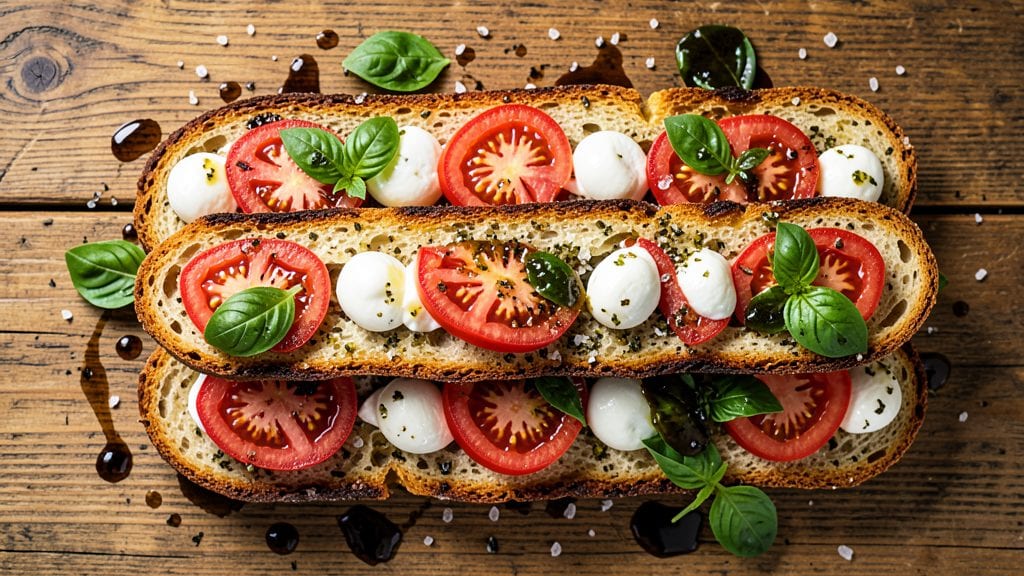
This Caprese bread recipe transforms simple ingredients into a showstopping dish that captures Italy's most beloved flavors in every bite. The layers of fresh mozzarella, ripe tomatoes, and fragrant basil create a harmonious balance of creamy, tangy, and herby notes that will impress even the most discerning guests.
I developed this recipe after realizing how easy it is to elevate basic bread into something restaurant-worthy with just a few strategic ingredients.
The beauty of this dish lies in its simplicity—no complicated techniques required, just careful layering and a sprinkle of olive oil for that authentic Italian touch.
Fresh basil adds a vibrant crunch that contrasts perfectly with the soft mozzarella and juicy tomatoes, while a drizzle of balsamic glaze ties everything together with its sweet-tart complexity.
What you'll end up with is a dish that's as visually stunning as it is delicious, perfect for brunch or a light dinner.
This recipe delivers restaurant-quality results in just 20 minutes of prep time, making it ideal for weeknight meals or special occasions. The combination of textures—creamy, juicy, and crisp—creates a satisfying bite that's impossible to resist.
Whether you're serving it at a dinner party or enjoying it as a simple weeknight supper, this Caprese bread will become a staple in your cooking repertoire.
For an extra touch of elegance, consider adding a sprinkle of flaky sea salt before serving or toasting the bread slightly for added texture. The possibilities for variation are endless, but the core elements remain the same: fresh, high-quality ingredients layered with care.
Let's get started on creating this Italian-inspired masterpiece!
Ingredients for caprese bread
Fresh mozzarella, ripe tomatoes, and fragrant basil form the heart of this elegant Caprese bread.
| Ingredient | Amount | Notes |
|---|---|---|
| Fresh Mozzarella Cheese 🧀 | 1 ½ lb | Low-moisture, cut into 1/4-inch slices |
| Roma Tomatoes 🍅 | 4 whole | Medium-ripe, sliced 1/4-inch thick |
| Fresh Basil Leaves 🌿 | 1 ½ cups | Large, packed, stems removed |
| Extra-Virgin Olive Oil 🫒 | ½ cup | High-quality, fruity variety |
| Balsamic Glaze 🍷 | ¼ cup | Reduced, thick consistency |
| Flaky Sea Salt 🧂 | 1 tbsp | Maldon or Jacobsen preferred |
| Sourdough Bread Loaf 🍞 | 1 whole | Crusty, 1-inch thick slices |
| Garlic Cloves 🧄 | 2 cloves | Minced, for bread rubbing |
| Freshly Ground Black Pepper 🌶️ | ½ tsp | Coarsely ground |
| Dried Oregano 🍃 | ½ tsp | Italian variety preferred |
| Butter 🧈 | 2 tbsp | Unsalted, softened for brushing |
| Lemon Zest 🍋 | 1 tsp | From organic lemon |
The mozzarella is non-negotiable—opt for low-moisture from a block rather than pre-shredded, which releases excess moisture. Whole Foods Market or Trader Joe's carry excellent Italian varieties like BelGioioso or Sapori. For tomatoes, Roma are ideal due to their low water content and meaty texture. Look for ones that yield slightly when gently squeezed—Heirloom varieties from local farmers' markets add visual appeal but Roma deliver consistent flavor. Fresh basil should be vibrant green with no yellowing; Penzeys Spices sells high-quality basil if you can't find fresh at your market. The bread? Sourdough with a thick crust works best—Baker's Corner or Breads Bakery chains offer excellent options if you're not baking your own.
No fresh mozzarella? Burrata works beautifully as a substitute—just tear it into chunks instead of slicing. Pre-shredded mozzarella will work in a pinch, but drain it thoroughly and pat dry with paper towels to avoid a soggy bread. Substituting tomatoes? Cherry tomatoes halved or sun-dried tomatoes rehydrated in warm water both deliver excellent results. For basil, dried oregano at half the amount provides a similar aromatic profile, though it lacks the fresh crunch. The balsamic glaze can be replaced with aged balsamic vinegar reduced by half, though it won't have the same silky texture. When mincing garlic, toast the cloves in olive oil for 30 seconds before mincing to deepen their flavor—trust me, it makes a difference.
This assembly keeps best when prepared 1-2 hours ahead and chilled—flavors meld beautifully during that time. Store any leftovers in an airtight container between layers of parchment paper to prevent sogginess, and consume within 2 days. For make-ahead convenience, assemble the bread without the balsamic glaze, wrap tightly, and refrigerate. Add the glaze just before serving to maintain its vibrant appearance. The bread itself can be pre-sliced and stored in the freezer for up to 3 months—thaw at room temperature before assembling.
Why You'll Love This Recipe
- No-Knife Night: I swear by this one—just slice the tomatoes and tear the basil. No dicing, no fuss, and still looks like you spent hours. The mozzarella balls stay intact (if you’re gentle), and the olive oil drizzle does the heavy lifting.
- First Bite Magic: That moment when the warm bread meets the creamy mozzarella, the bright tomato, and the peppery basil? It’s like summer in your mouth. The balsamic glaze ties it all together—sweet, tangy, and impossible to resist.
- Party in a Pan: Honestly, this is my go-to for gatherings. It’s easy to double (or triple) and feeds a crowd without turning into a production. Plus, it’s the one dish that even picky eaters won’t push away—my brother-in-law, who hates tomatoes, devours it.
- Zero-Waste Leftovers: Between us, this bread holds up better than most. The next day, I toast slices and drizzle with extra balsamic—still just as good. And if you’ve got extra mozzarella or tomatoes? Toss them in a salad or wrap them in leftover bread for a quick lunch. No sad scraps here.
Step-by-step instructions for Caprese bread
This layered bread assembly delivers perfect balance—creamy mozzarella, juicy tomatoes, and basil's fresh crunch.
Prepare the Bread Base
Slice the whole sourdough bread loaf into 1-inch thick horizontal pieces, cutting through the crust for even layers. In a small bowl, combine the 2 cloves minced garlic, 0.5 teaspoon dried oregano, 0.5 teaspoon freshly ground black pepper, and 1 teaspoon lemon zest. Rub this mixture generously over both sides of each bread slice.
Brush the top of each slice with 1 tablespoon softened butter (reserve the remaining 1 tablespoon for later). This creates a flavorful foundation that prevents the bread from becoming soggy while adding aromatic depth. Let the bread sit while you prepare the filling components.
Assemble the Caprese Layers
Begin layering in a 9x13-inch baking dish by placing two bread slices at the bottom. Arrange 1/4-inch slices of 1.5 pounds fresh mozzarella cheese evenly over the bread, leaving a 1/2-inch border around the edges. This spacing prevents overflow during baking.
Top the cheese with 1/4-inch slices from 4 whole Roma tomatoes, followed by 1/4 cup fresh basil leaves (packed). Repeat the sequence: bread, mozzarella, tomatoes, and basil. Finish with another layer of bread slices, pressing gently to create a compact structure. This layered approach ensures each bite delivers all components in perfect harmony.
Drizzle and Season
In a small bowl, whisk together the 0.5 cup extra-virgin olive oil and 0.25 cup balsamic glaze until well combined. Pour this mixture evenly over the assembled layers, allowing it to seep into the bread and mozzarella. Sprinkle the entire top with 1 tablespoon flaky sea salt, distributing it evenly for maximum flavor impact.
Cover the baking dish with plastic wrap and refrigerate for at least 2 hours, or up to 4 hours for deeper flavor infusion. This chilling period allows the mozzarella to soften slightly while preventing the bread from absorbing too much moisture prematurely. The basil will also release its aromatic oils during this time.
Bake to Perfection
Preheat your oven to 375°F. Remove the chilled bread from the refrigerator and transfer it to the preheated oven. Bake uncovered for 20-25 minutes until the top is golden brown and the edges are slightly crisp. The internal temperature should reach 165°F when measured at the center.
Watch closely during the final 5 minutes of baking—this is when the cheese begins to melt and the bread achieves its signature toasted texture. If the top browns too quickly, tent loosely with aluminum foil to prevent over-browning while maintaining the interior temperature.
Serve Warm with Fresh Accents
Remove the caprese bread from the oven and let it rest for 5 minutes before slicing. This brief resting period allows the layers to set slightly, preventing them from shifting when cut. Serve immediately while warm, garnished with additional fresh basil leaves and a final drizzle of balsamic glaze for visual appeal.
Each slice should reveal layers of creamy mozzarella, juicy tomato, and crisp basil between the toasted bread. The combination of warm bread and cool basil creates a satisfying temperature contrast that enhances every bite. Pair with a simple arugula salad and a glass of chilled white wine for an elevated appetizer experience.
Pro Tips For Making Caprese Bread
- PAT THE MOZZARELLA DRY: Fresh mozzarella’s got way more water than you’d think—skip the paper towels and use clean kitchen towels instead. Press it gently between two layers for 10 seconds per side, or the bread will steam instead of toast. I learned this the hard way when my first batch came out soggy.
- COLD TOMATOES ONLY: Roma tomatoes straight from the fridge? Good. Room temp? Forget it. The acidity mellows out when cold, and they won’t turn to mush under the broiler. Slice them just before assembling—no need to prep ahead.
- BAKE UNTIL GOLDEN: That “lightly toasted” look? It’s not optional. Broil the bread for 3-5 minutes, watching like a hawk—it burns faster than you’d expect. Pull it out when the edges are golden and the cheese just starts to bubble, not when it’s browned all over.
- DRIZZLE AFTER BAKING: Balsamic glaze on raw bread? It’ll just pool at the bottom. Brush it on after baking while the bread’s still warm—it’ll soak in perfectly and caramelize slightly. A quick 30-second wait makes all the difference.
Regional styles of these flavors
Classic Italian Version
In its traditional form, this dish hails from Southern Italy where it's known as "Pane e Pomodoro con Mozzarella". The key difference here is the use of ciabatta bread instead of sourdough, giving it a lighter, airier texture.
I've made this version using San Marzano tomatoes for their natural sweetness and buffalo mozzarella that's been drained and salted to perfection. The Italian approach often includes a sprinkle of freshly cracked black pepper and dried oregano right before serving, emphasizing simplicity over complexity. 🌿
Florentine Twist
Florence brings a more rustic approach using unsalted Tuscan bread and incorporating roasted garlic into the olive oil mixture. I like to add thin-sliced prosciutto between the mozzarella layers for a salty-sweet contrast that's become a signature in Florentine trattorias.
The Florentine version also often includes a touch of aged Parmigiano-Reggiano shaved over the top before baking, adding depth that balances the freshness of the basil.
Southern California Fusion
West Coast chefs have put their own spin on this classic by adding avocado slices between the mozzarella and tomatoes, creating a creamy, rich texture that pairs beautifully with the acidity of the balsamic glaze.
I've seen excellent versions using sourdough baguettes and incorporating sun-dried tomatoes in the olive oil mixture. The California approach often includes a sprinkle of toasted pine nuts for crunch, transforming this into a more substantial main course rather than just an appetizer. 🌶️
Northern Italian Alpine Style
Up in the Alpine regions, they take a different approach using rustic country bread with a denser crumb. The Alpine version often incorporates fontina cheese alongside the mozzarella, creating a richer, creamier texture.
I've found that adding a pinch of nutmeg to the olive oil mixture enhances the Alpine character beautifully. This version also sometimes includes thinly sliced pearl onions for a touch of sweetness that complements the tomatoes perfectly.
The result is a heartier, more substantial dish that stands up well as a main course.
Modern Gourmet Adaptation
For a contemporary twist, gourmet chefs often use brioche bread for its buttery richness and incorporate heirloom tomato varieties with different colors for visual appeal. I've seen excellent versions using burrata instead of mozzarella, creating an ultra-creamy texture that's simply irresistible.
The gourmet approach might also include truffle oil in place of some olive oil, or even microgreens as a final garnish. This version often gets served with a white wine reduction drizzle instead of balsamic glaze, adding another layer of sophistication to the classic combination.
Vegetarian-Friendly Mediterranean
For a completely plant-based version, substitute the mozzarella with vegan mozzarella made from cashews or tofu, and use cherry tomatoes instead of Roma. I've had great success with marinated artichoke hearts between the layers for added Mediterranean flair.
The bread remains the same, but the olive oil mixture gets enhanced with lemon zest and fresh thyme to complement the vegetarian components. This version works beautifully as a main course when served with a side of roasted eggplant and a simple arugula salad. 💫
Nutrition facts
Frequently asked questions
Can I make this Caprese bread ahead of time?
Assemble the layers up to 24 hours ahead and refrigerate uncovered. The flavors meld beautifully overnight while preventing sogginess. Just add the balsamic glaze and fresh basil garnish right before serving to keep it vibrant. For make-ahead convenience, wrap tightly in plastic wrap and store at room temperature for up to 4 hours before baking.
What's the best bread for this recipe?
Sourdough works perfectly with its sturdy texture, but ciabatta or focaccia also deliver excellent results. Avoid overly soft breads like brioche—they'll absorb too much moisture from the tomatoes. For extra flavor, toast the bread slices lightly before assembling to create a satisfying crunch against the creamy mozzarella.
How do I prevent the bread from getting soggy?
Butter the bread slices thoroughly before assembly to create a moisture barrier. Also, leave a ½-inch border around the edges when layering to prevent overflow during baking. If using pre-sliced store-bought bread, pat the slices dry with paper towels before assembling to remove excess surface moisture.
Can I substitute any ingredients?
Fresh mozzarella is ideal, but burrata works beautifully for a creamier texture. For tomatoes, Roma are best, but cherry tomatoes halved or sun-dried tomatoes (rehydrated) are great alternatives. Swap the balsamic glaze for reduced balsamic vinegar if needed—just remember it won't be as thick. The key is maintaining the balance of creamy, tangy, and herby elements.
Should I bake this immediately or let it chill first?
Always chill the assembled bread for at least 2 hours (up to 4 hours) before baking. This allows the mozzarella to soften slightly and prevents the bread from absorbing too much moisture too quickly. The chilling step also lets the basil release its aromatic oils, enhancing the overall flavor profile when baked.