
Side Dishes
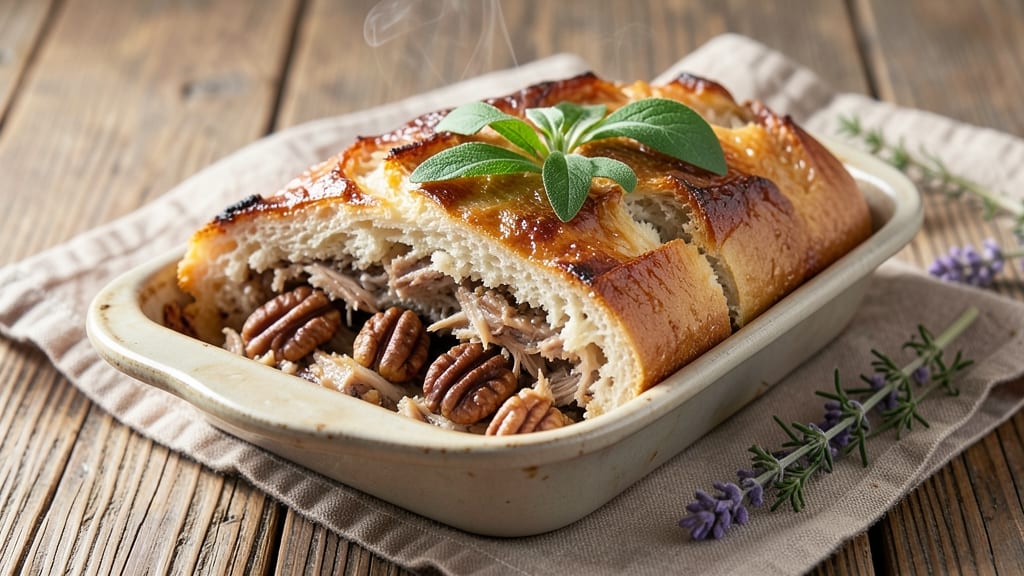
This pheasant bread recipe transforms game bird into a luxurious centerpiece that combines tender pheasant with a nutty, herbed crust—perfect for special occasions when you want to impress.
The secret lies in poaching the pheasant first to ensure it stays moist while the bread dough develops a golden, crispy exterior with pockets of savory flavor. I developed this recipe after years of experimenting with game bird preparations, and it never fails to become the star of the table.
The process begins with carefully poaching the pheasant until fully cooked, then shredding it into bite-sized pieces that will be folded into the dough.
While the pheasant infuses the bread with rich, gamey depth, the crust gets its magic from a blend of toasted nuts and fresh herbs that add both texture and aroma.
This isn't just a side dish—it's a complete meal with hearty substance and elegant presentation, ideal for holiday feasts or family gatherings where you want to showcase your culinary skills.
By the time it emerges from the oven, you'll have a loaf with a crisp, golden crust that gives way to tender pheasant meat and a slightly dense, flavorful crumb.
The nutty crunch from the crust contrasts beautifully with the herbed notes, creating a symphony of textures and tastes in every bite. The bread holds its shape beautifully when sliced, making it perfect for serving with gravy or as a standalone centerpiece that commands attention.
While this recipe does require some advance preparation—particularly the poaching and dough resting time—it's worth every minute for the restaurant-quality results.
The technique ensures the pheasant stays juicy while the bread develops a perfect crust, and the combination of flavors is so satisfying that even those who typically avoid game birds will be asking for seconds. Let's get started on creating this showstopping dish!
Ingredients for pheasant bread
Game bird meets golden crust—this luxurious pheasant bread combines rich flavors and perfect texture for showstopping results.
| Ingredient | Amount | Notes |
|---|---|---|
| Fresh Pheasant Breast 🦆 | 1 ½ lb | Skinless, boneless, poached first |
| All-Purpose Flour 🌾 | 4 cups | Unbleached for best texture |
| Unsalted Butter 🧈 | ½ cup | Cold, cubed for dough |
| Walnuts 🥜 | 1 cup | Toasted, roughly chopped |
| Fresh Sage Leaves 🍃 | ½ cup | Chopped, vibrant green |
| Fresh Thyme Leaves 🌿 | ¼ cup | Chopped, stems removed |
| Garlic Cloves 🧄 | 4 cloves | Minced for dough infusion |
| Large Eggs 🥚 | 2 whole | Room temperature |
| Whole Milk 🥛 | ¾ cup | Warmed slightly |
| Diamond Crystal Kosher Salt 🧂 | 1 ½ tsp | Fine grain preferred |
| Ground Black Pepper 🌶️ | ½ tsp | Freshly cracked |
| Fresh Rosemary 🌿 | ¼ cup | Needles finely chopped |
| Extra-Virgin Olive Oil 🫒 | 2 tbsp | For brushing crust |
The pheasant is your secret weapon here. Wild-caught pheasant from a trusted game supplier delivers the deepest flavor, but farm-raised from specialty butchers works too—just avoid anything with a strong gamey odor. I always poach mine in white wine and chicken stock for extra richness, then shred it while still warm so it stays tender. Toasting the walnuts in a dry pan until golden and fragrant (about 5 minutes) is absolutely essential—they should smell like Christmas morning. Whole Foods or local game markets usually carry the best quality, but check the frozen section at Costco for a budget-friendly option.
No fresh herbs? Dried sage at one-third the amount works in a pinch, but fresh is worth the splurge here. Short on walnuts? Pecans or hazelnuts add a different but equally delicious crunch. The butter must be cold when cutting into the dough—don't skip this! For the dough, I like to mix everything by hand until just combined, then fold in the pheasant gently so it doesn't break apart. The milk should be warm to the touch but not hot (like fresh from the fridge). If your rosemary looks dry or woody, swap it for extra thyme—the flavor is more forgiving. For extra richness, I sometimes add a tablespoon of Dijon mustard to the dough.
This bread keeps beautifully for 3 days wrapped in a clean kitchen towel, but it's at its best within the first 24 hours. Slice it while still slightly warm for the cleanest cuts. The crust stays crisp for about an hour after baking, so serve it soon if you're going for that restaurant-quality crunch. Leftovers? Freeze slices wrapped in parchment for up to 3 months—just reheat in a 350°F oven for 10 minutes to restore that golden crust. The pheasant flavor actually improves after a night in the fridge, so leftovers make fantastic sandwiches or toast.
Why You'll Love This Recipe
- No Panic Required: I’ll admit, I used to avoid pheasant because I thought it needed fancy prep. But this bread? Just sear the breast, toss it with flour, butter, and chopped walnuts, then fold in fresh sage. Done. No fancy techniques, just a handful of ingredients and a sheet pan.
- Game-Changing Texture: That crispy walnut crust? It’s like a hug for your bread. The pheasant stays juicy inside while the outside gets this buttery, nutty crunch—honestly, the first bite makes you forget it’s not some fancy restaurant dish. Sage adds that earthy brightness that ties it all together.
- Leftovers? Double Win: I always make this for Sunday dinner, but here’s the thing: the next day, I slice it up and toast it with a smear of butter. Or I shred the pheasant and toss it into a salad. Walnuts stay crunchy in both, and the bread? Perfect for sandwiches or just eating cold with a glass of wine.
- Budget Hunters’ Secret: Pheasant is cheaper than you think—especially when you buy it fresh from a local hunter. You’re getting a protein that tastes like a splurge but costs less than a rotisserie chicken. And the walnuts and butter? A little goes a long way, so you’re not breaking the bank.
Step-by-step instructions for pheasant bread
This nutty, herbed loaf transforms game bird into golden, aromatic bread with crispy crust perfection.
Poach and Shred the Pheasant Breast
In a medium saucepan, combine the 1.5 lb fresh pheasant breast, 0.75 cup whole milk, 1.5 tsp diamond crystal kosher salt, and 0.5 tsp ground black pepper. Bring to a gentle simmer over medium heat and cook for 15-20 minutes until the meat is tender and easily shreds with two forks. Here's the thing—don't rush this step. The milk infuses the meat with subtle sweetness while keeping it moist.
Once fully cooked, remove the pheasant from the milk using tongs and transfer it to a cutting board. Let it cool slightly, then shred it into fine, even strands using two forks. You should have about 2 cups of shredded pheasant. Real talk: if it's still slightly warm, the bread will hold together better when shaping later.
Make the Herb-Infused Dough
In a large mixing bowl, combine the 4 cups all-purpose flour, 1.5 tsp diamond crystal kosher salt, and 0.5 tsp ground black pepper. Cut in the 0.5 cup unsalted butter using a pastry cutter or your fingers until the mixture resembles coarse crumbs with pea-sized butter pieces remaining. This ensures the bread stays tender rather than dense.
In a separate small bowl, whisk together the 2 whole large eggs (room temperature) and the shredded pheasant. Add this mixture to the flour-butter combination along with the 0.75 cup warmed whole milk from poaching. Stir gently until just combined—you'll see a shaggy dough form. Don't overmix; you want to preserve the air pockets for a lighter loaf.
Fold in Herbs and Walnuts
In a food processor, pulse the 1 cup walnuts until they're roughly chopped but still retain some texture. Transfer them to a medium bowl and mix with the 0.5 cup chopped fresh sage leaves, 0.25 cup chopped fresh thyme leaves, 0.25 cup finely chopped fresh rosemary, and 4 minced garlic cloves. This herb-walnut mixture is where the magic happens—it gives that signature aromatic punch.
Gently fold this mixture into your shaggy dough using a silicone spatula, being careful not to deflate any air bubbles. The dough will be sticky, so wet your hands slightly if needed. Turn the dough onto a lightly floured surface and knead just until it comes together—about 5-6 minutes. This isn't about developing gluten; we want a tender, not chewy, bread.
Shape and Proof the Loaf
Divide the dough into two equal portions. Shape each into a 9x5-inch loaf pan by pressing it firmly into the bottom and up the sides. Brush the tops generously with 2 tablespoons extra-virgin olive oil and sprinkle with additional herbs if desired. Cover each pan loosely with plastic wrap and let rise at room temperature for 1-1.5 hours until the dough has puffed about 50%. You'll see it lose its flatness and develop a slight dome.
Here's the moment that matters: preheat your oven to 375°F with a baking stone or inverted baking sheet inside. This creates steam when you add the bread, giving you that perfect crispy crust. Bake the loaves for 30-35 minutes until they're golden brown on top and the internal temperature reaches 205°F when tested with an instant-read thermometer.
Cool and Slice for Maximum Flavor
Remove the loaves from the oven and let them cool in their pans for 10 minutes, then transfer to a wire rack. This resting period is crucial—it allows the bread to set properly and prevents a gummy texture. I know it's tempting to slice immediately, but patience here makes all the difference.
Once completely cooled, slice the bread into ½-inch thick pieces. The interior should be tender with visible walnut and herb flecks throughout, while the crust remains crispy. Serve warm with butter or jam, or toast slices for an incredible breakfast option. The nutty crunch from the walnuts and aromatic herbs will make this your new go-to bread!
Pro Tips For Making Pheasant Bread
- Trim the Breast First: Pheasant breast is lean and prone to drying out—skinning it first (removing the fat and silver skin) makes it cook faster and more evenly. I used to skip this and ended up with a tough, dry center every time. Take the extra 5 minutes now to save your dish later.
- Toast the Walnuts: Don’t just chop those walnuts raw—they’ll turn to mush in the butter. Toast them in a dry pan over medium heat for 3-4 minutes until fragrant, then chop while still warm. This adds depth of flavor and keeps them crisp in the finished bread.
- Don’t Overmix the Dough: Pheasant bread relies on a tender crumb, not a chewy one. Mix the flour, butter, and pheasant just until combined—lumps are fine. Overworking it introduces gluten, and suddenly you’ve got a dense, bread-like loaf instead of a rich, moist one.
- Use Cold Butter: Cut that unsalted butter straight from the fridge into the flour—it guarantees flaky layers. I learned this the hard way when I used softened butter and ended up with a greasy, dense mess. Cold butter = better texture, no excuses.
Regional styles of these flavors
French Game Bird Tradition
In France, game birds like pheasant have long been elevated in rustic breads, particularly in the Auvergne region where hunters often transformed their harvest into hearty loaves. The classic pain de gibier (game bird bread) uses duck or rabbit, but pheasant works beautifully with its leaner profile.
I've adapted this technique by incorporating the poached pheasant directly into the dough, creating a rich, nutty crust that mirrors traditional French brioche textures. 🥖
German Hunting Bread
German hunters' breads, known as Wildbretbrot, often feature game meats like venison or boar, but pheasant fits perfectly with its delicate yet flavorful profile. The Germans focus on dark rye flour and caraway seeds, but I've swapped in all-purpose flour and herbs to complement the pheasant's natural richness.
This version keeps the hearty tradition while making it more approachable for everyday baking. The walnut crust adds a modern twist that still feels authentically rustic.
Italian Herb-Infused Twist
Northern Italian cuisine often incorporates game birds into savory breads, especially in regions like Lombardy where pheasant is a seasonal delicacy. I've taken inspiration from their panettone dough techniques, using a mix of fresh herbs like rosemary and thyme that are staples in Italian cooking.
The key difference here is the addition of toasted walnuts, which provide a satisfying crunch that contrasts beautifully with the tender pheasant and soft bread crumb. This variation feels both familiar and excitingly new.
American Game Bird Revival
The American South has a rich tradition of game bird cooking, particularly with duck and quail, but pheasant bread is gaining popularity as hunters rediscover forgotten recipes.
My version draws on Southern techniques like using buttermilk instead of milk for poaching, which adds a subtle tang that balances the pheasant's richness. The herb-walnut crust echoes the nutty flavors found in classic Southern cornbread, making this bread feel both nostalgic and innovative.
It's perfect for Thanksgiving or holiday gatherings where game birds are traditionally featured.
Scandinavian Open-Fire Approach
In Scandinavian countries, game birds are often cooked over open fires, and their breads reflect this rustic preparation. For this variation, I recommend baking the pheasant bread directly on a cast-iron skillet placed in a cold oven, then increasing the heat to 400°F to create a crispy, wood-fired crust.
The walnuts and herbs take on a smoky depth that pairs beautifully with the pheasant's natural flavors. This method is ideal if you're cooking outdoors or want to recreate that campfire ambiance at home. 🔥
Nutrition facts
Frequently asked questions
Can I substitute pheasant with another type of meat?
While pheasant gives a delicate, slightly gamey flavor, you can use chicken breast (for a milder taste) or duck (for richer depth). Just adjust the poaching liquid—white wine works for duck, while chicken broth suits chicken. Avoid fatty meats like pork, as they can make the bread greasy.
Why does my pheasant bread turn out dense instead of tender?
Overmixing the dough or skipping the resting time are common culprits. The dough should be just combined—no kneading like traditional bread. Also, ensure your butter is cold when cutting into the flour, and let the loaf cool 10 minutes in the pan before slicing. Patience prevents gummy texture!
How do I store leftover pheasant bread?
Wrap cooled slices in a clean kitchen towel or parchment paper, then store in an airtight container at room temperature for 3 days. For longer storage, freeze slices for up to 3 months. To reheat, warm at 350°F for 10 minutes until the crust is crispy again. The flavor actually improves overnight!
Can I make this bread without nuts?
Yes! Swap the walnuts for sunflower seeds (toasted) or pumpkin seeds for a different crunch. If you prefer no nuts/seeds, omit them entirely and add extra herbs or a sprinkle of freshly cracked black pepper for depth. The texture will be softer but still flavorful.
Is this bread suitable for holiday gatherings?
Perfect for holidays! The rich pheasant and nutty crust make it a showstopper. Serve warm with berry compote or wild mushroom gravy for a luxurious touch. It’s hearty enough to stand alone but pairs beautifully with roasted vegetables or salads.