
Side Dishes
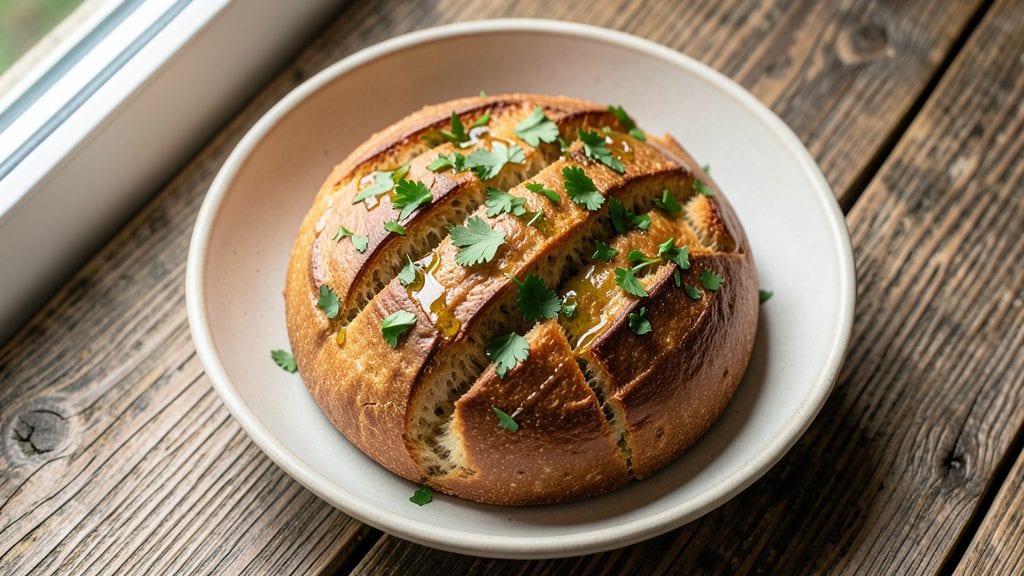
This Persian-inspired Taftoon bread brings the warmth of Iranian home kitchens to your table with its signature herb swirls and perfectly golden crust. The secret lies in the dough's balance of flour, yeast, and oil, combined with fresh herbs like parsley and dill that create those iconic pleated ridges.
I first discovered this recipe during a visit to Tehran, where it's traditionally served alongside lamb stews or as a side to celebrate special occasions.
The dough requires just five simple ingredients but transforms into a restaurant-quality flatbread with a crisp exterior and tender interior. What sets Taftoon apart is the shaping technique—rolling the dough thin before creating those decorative pleats by hand.
This method ensures even baking and that signature flaky texture that makes every bite satisfying. The bread's aroma alone will transport you to a bustling Persian marketplace.
Once baked, you'll have a flatbread with a beautifully golden crust and fragrant herb swirls that add freshness to every bite. The dough's elasticity prevents cracks while maintaining a perfect balance of crispness and softness.
This bread isn't just a side—it's the star of your meal, capable of soaking up sauces or standing proudly alongside grilled meats. Let's bring this Persian classic to life in your kitchen.
The beauty of Taftoon bread is its versatility—enjoy it warm with stews, as a side to grilled kebabs, or even as a base for open-faced sandwiches. For those who prefer sweet variations, adding a touch of honey or rosewater to the dough creates a dessert-worthy twist.
Here's everything you need to master this traditional recipe at home.
Ingredients for taftoon bread
Five simple ingredients transform into Persian-inspired Taftoon with golden crust and fragrant herb swirls.
| Ingredient | Amount | Notes |
|---|---|---|
| All-Purpose Flour 🌾 | 4 cups | Sifted for light texture |
| Active Dry Yeast 🍞 | ¼ tsp | Fresh yeast preferred |
| Granulated Sugar 🍚 | ¼ tsp | Feeds yeast activation |
| Salt 🧂 | ½ tsp | Fine sea salt preferred |
| Extra-Virgin Olive Oil 🫒 | ½ cup | High-quality for richness |
| Fresh Parsley Leaves 🌿 | ¼ cup | Finely chopped, stems removed |
| Fresh Dill Leaves 🌿 | ¼ cup | Finely chopped, stems removed |
| Warm Water 💧 | 1 ½ cups | 110°F for yeast activation |
| Sesame Seeds 🌾 | 2 tbsp | For topping, optional |
| Cornmeal 🌽 | ¼ cup | For dusting work surface |
The flour is the foundation—look for all-purpose with a medium protein content (10-12%) for that perfect balance of elasticity and tenderness. Bob's Red Mill or King Arthur are solid choices if you want to splurge, but the store brand works fine too. Fresh yeast is ideal here (it's what I use), but active dry yeast works if you're in a pinch—just make sure it's not expired. The herbs are non-negotiable for that authentic Persian flavor. Grab fresh parsley and dill from the market—Middle Eastern grocery stores often have the best selection, but regular supermarkets work too. I usually buy extra because I end up using them in other dishes too (the dill pairs great with salmon).
No fresh herbs? Dried parsley and dill at half the amount will get you close, though the flavor won't be as vibrant. Running low on olive oil? Avocado oil works equally well, but skip anything with a strong flavor like walnut oil. The sugar might seem like an odd addition, but it's crucial for activating the yeast—don't skip it. For the sesame seeds, toasted ones add extra flavor, but raw seeds work fine too. The cornmeal is just for dusting—semolina works too if you've got it, but it's not necessary. Pro tip: if your kitchen feels too warm for yeast activation, pop the bowl in the bottom of your fridge for 10 minutes to slow things down.
This dough keeps beautifully—cover with a damp towel in the fridge for up to 3 days if you're prepping ahead. The herbs will stay fresh that way, and the dough won't dry out. For longer storage, freeze shaped dough balls for up to 3 months—just thaw overnight in the fridge before baking. The baked bread? Room temperature is best for that perfect crispness, but it reheats beautifully in a 350°F oven for 5 minutes if you need to warm slices. I always make extra because it's perfect for sandwiches the next day—trust me on the leftovers.
Why You'll Love This Recipe
- No-Knead Magic: I swear by this recipe when I’m too tired to fuss—just mix the flour, yeast, sugar, and olive oil with warm water, let it rise overnight, and bake. The dough practically does all the work while I sleep.
- Golden Crust, Soft Heart: That crispy olive oil crust with a tender interior? It’s the kind of texture that makes you pause mid-bite. The sugar caramelizes just enough to give it a subtle sweetness, but don’t worry—it’s not cloying, just good.
- Weeknight to Picnic Hero: I keep a batch in the fridge for lazy mornings (toast it straight from cold) or pack slices for lunches. Honestly, it’s my go-to for anything—breakfast, sandwiches, or even a quick charcuterie board. No one ever turns it down.
- Stretches Every Penny: Five ingredients, zero specialty items, and it feeds four for under $3. I’ve made this for dinner guests, potlucks, and even as a side for my kids’ school lunches—it’s reliable, cheap, and always disappears fast. Leftovers? Toast them into crunchy perfection.
Step-by-step instructions for Taftoon bread
Here's how to craft this Persian-inspired bread with fragrant herb swirls and a perfect golden crust.
Activate the Yeast and Prepare the Dough
In a small bowl, combine the 1.5 cups warm water (about 110°F), 0.25 tsp granulated sugar, and 0.25 tsp active dry yeast. Let it sit for 5-10 minutes until frothy—this confirms your yeast is alive and ready to work. If it doesn't bubble, your bread won't rise properly, so start fresh with a new pinch of yeast.
In a large bowl, whisk together the 4 cups all-purpose flour and 0.5 tsp salt. Make a well in the center and pour in the yeast mixture along with the 0.5 cup extra-virgin olive oil. Using a wooden spoon or your hands, mix until a shaggy dough forms. The dough will be sticky, which is perfect for this recipe—don't add extra flour yet.
Knead and Incorporate the Herb Swirls
Transfer the dough to a lightly floured surface dusted with 0.25 cup cornmeal (this prevents sticking). Knead for 5-7 minutes until smooth and elastic. If it feels too sticky, wet your hands slightly to help handle it without adding more flour.
While kneading, finely chop the 0.25 cup fresh parsley leaves and 0.25 cup fresh dill leaves together. Once the dough is ready, divide it into 4 equal pieces (about 1 pound each). Roll each piece into a 12-inch log, then gently flatten slightly and press the chopped herbs into the center of each log. Fold the edges over the herbs to create a sealed swirl.
First Rise and Shape the Loaves
Place each herb-filled dough log seam-side down in a greased 9x5-inch loaf pan. Cover with a clean kitchen towel and let rise in a warm place for 1-1.5 hours, or until doubled in size. The dough should spring back slowly when pressed gently—this is your cue it's ready for baking.
Preheat your oven to 375°F. Once risen, lightly brush the tops of the loaves with a little water or olive oil, then sprinkle with 2 tbsp sesame seeds for that classic Persian touch. Bake for 30-35 minutes until the crust is deep golden brown and the internal temperature reaches 190°F when tested with an instant-read thermometer.
Cool and Serve
Remove the loaves from the pans immediately and transfer to a wire rack to cool for 10 minutes. This step is crucial—the bread continues to set as it cools, preventing a gummy texture. For the best flavor and texture, serve warm with soups or as a side to your favorite Persian dishes.
Real talk: If the crust isn't as dark as you'd like, broil for 1-2 minutes at the end of baking, watching closely to avoid burning. The herb swirls should be visible through the crust, adding that signature Persian flair to your bread.
Pro Tips For Making Taftoon Bread
- Bloom the Yeast First: Skip mixing yeast directly into flour—it’s a rookie move. Instead, dissolve the yeast in warm water (around 110°F) with a pinch of sugar first, then let it foam for 5-10 minutes. I learned this the hard way when my dough took forever to rise because the yeast was sluggish from dry contact.
- Use Olive Oil Sparingly: Extra-virgin olive oil is rich and flavorful, but too much in this dough makes it gummy. Stick to about 2 tablespoons total—just enough to coat the flour and keep the dough supple without overpowering the texture. (Yes, even if you love olive oil like I do.)
- Knead Until Silky: This dough needs serious work—aim for 8-10 minutes by hand or 5-6 minutes in a stand mixer with a dough hook until it’s smooth and slightly tacky. Under-kneaded dough won’t rise properly, and over-kneaded dough gets tough. Feel for the "windowpane test": stretch a small piece thin enough to see light through it.
- Shape Loaves Tightly: Pack the dough into your loaf pans firmly—no gaps, no air pockets. Press the sides down with wet hands to seal them, then let the dough rise again. I used to rush this, and my bread turned out dense. Tight shaping = even rise = that perfect crumb.
Flavor customization for taftoon bread
Herb Variations
While parsley and dill create the classic Persian flavor, don't hesitate to experiment with other fresh herbs. Try 1 tbsp chopped mint for a brighter twist, or add 1 tbsp chopped cilantro for a zesty kick.
I once used ½ tsp dried fenugreek leaves (toasted first) for a deeper, earthier flavor that pairs beautifully with lamb dishes. For a Mediterranean fusion, swap the herbs for ½ cup chopped oregano and thyme—the dough remains the same, only the flavor profile changes. 🌿
Sweet Variations
Transform Taftoon into a dessert bread by adding 2 tbsp honey or 1 tbsp rosewater to the dough. For extra richness, fold in ¼ cup chopped dried apricots or raisins before shaping. I love sprinkling 1 tbsp crushed pistachios on top before baking for a festive touch.
This sweet version is perfect for breakfast or as a side to Persian tea ceremonies. The key is to reduce the yeast slightly to ¼ tsp since sugar slows fermentation.
Spiced Variations
For a savory-spiced version, add ½ tsp ground cumin and ¼ tsp smoked paprika to the dough. These warm spices complement the herbs beautifully and add depth to the crust. I also like incorporating 1 tbsp finely chopped garlic into the herb swirls for extra flavor.
For a Middle Eastern-inspired twist, sprinkle 1 tsp za'atar seasoning on top before baking—it adds a nutty, tangy contrast to the golden crust.
Gluten-Free Adaptation
To make a gluten-free version, replace the all-purpose flour with a 1:1 gluten-free flour blend (like King Arthur Measure for Measure). Add 1 tbsp xanthan gum to help bind the dough, as gluten-free flours lack natural elasticity.
The dough will be stickier, so use a silicone baking mat instead of cornmeal to prevent sticking. Bake at 350°F for 35-40 minutes—gluten-free breads need extra time to crisp up. The herb swirls still shine through, though the texture will be slightly denser. ✨
Savory Toppings
After baking, elevate your Taftoon with creative toppings. Drizzle with garlic-infused olive oil and sprinkle with flaky sea salt for a simple yet elegant finish. For extra flavor, mix 1 tbsp melted butter with ½ tsp sumac and brush it on warm bread.
I also love adding crumbled feta cheese or pickled red onions for a tangy contrast. These toppings work best when added right before serving to maintain freshness.
Nutrition facts
Frequently asked questions
What makes Taftoon bread different from regular flatbread?
The key difference is the herb swirls and the pleated shaping technique that creates those iconic ridges. Unlike simple flatbreads, Taftoon has a golden crust with fragrant herbs baked into the center, giving it a unique texture and flavor profile that pairs perfectly with Persian dishes. The dough also contains olive oil, which adds richness compared to basic flatbread recipes.
Can I make Taftoon bread without fresh herbs?
Yes, but the flavor won't be as vibrant. Use ½ tsp dried parsley and ½ tsp dried dill instead of fresh, but reduce the amount since dried herbs are more concentrated. For best results, try to find fresh herbs at a Middle Eastern market—they make all the difference in that signature Persian aroma.
Why did my Taftoon bread crack or tear while baking?
Overproofing is the most common cause—when dough rises too long, the gluten structure weakens. Check for readiness by pressing gently: if it springs back slowly, it's ready. Also ensure your oven isn't too hot (375°F is ideal) and avoid opening the oven door during baking. For extra insurance, let the shaped loaves rest for 10 minutes before baking to relax the gluten.
How should I store leftover Taftoon bread?
Keep it wrapped in a clean kitchen towel at room temperature for up to 3 days to maintain freshness. For longer storage, freeze the baked loaves (sliced or whole) for up to 3 months. To reheat, warm slices in a 350°F oven for 5 minutes or toast in a dry pan over medium heat for that perfect crispy texture.
What's the best way to serve Taftoon bread?
Serve warm alongside Persian stews like ghormeh sabzi or with grilled meats. The bread's crisp crust soaks up sauces beautifully while the herb swirls add freshness. For a modern twist, use it as a base for open-faced sandwiches with hummus, pickled vegetables, and grilled chicken. The golden crust also makes it perfect for dipping in olive oil and za'atar seasoning.