
Side Dishes
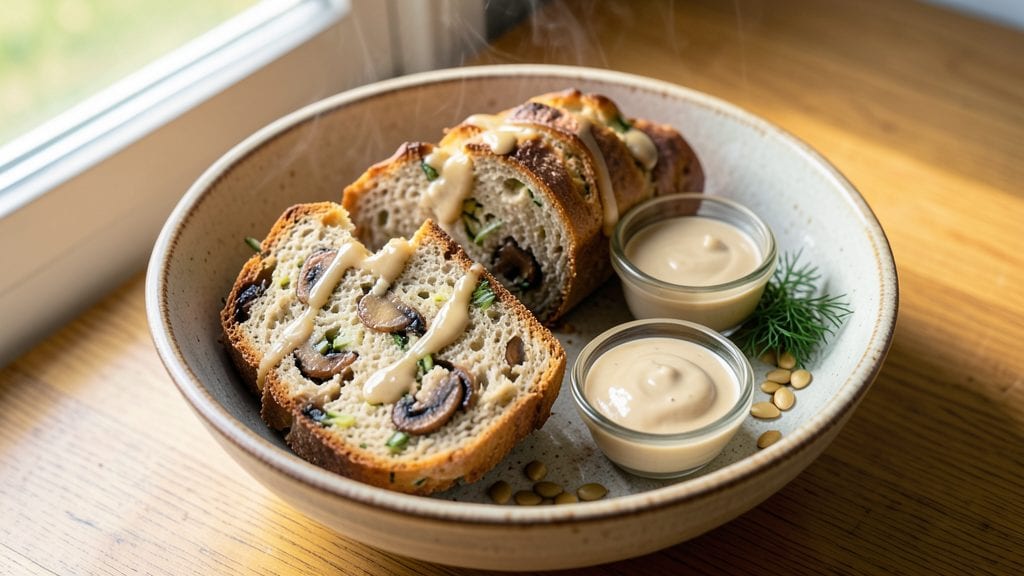
This veggie bread recipe transforms simple whole grains and hidden vegetables into a hearty loaf that’s perfect for sandwiches or toast. I developed it after years of sneaking vegetables into my daughter’s meals—now she actually asks for seconds.
The key is blending zucchini, carrots, and mushrooms into the dough, which adds moisture and subtle sweetness without altering the bread’s texture.
The result is a light, airy loaf with a crisp crust and a tender crumb, packed with nutrients but tasting like classic whole-grain bread. No one will guess it’s loaded with veggies, and the flavor is rich enough to stand alone or pair with soups and stews.
This recipe also works as a great make-ahead option for meal prep.
Using whole-grain flour and a touch of honey ensures natural sweetness, while the vegetables keep the dough from drying out. The proofing and baking process is straightforward, and the loaf stays fresh for days when stored properly. Perfect for those who want wholesome, flavorful bread without sacrificing texture or taste.
Whether you’re a seasoned baker or just starting out, this recipe delivers restaurant-quality results with minimal effort. The hidden veggies make it a sneaky way to boost nutrition, and the versatility means it works for breakfast, lunch, or dinner. Let’s get baking!
Ingredients for veggie bread
Transform basic whole grains and hidden vegetables into restaurant-quality veggie bread with these carefully selected ingredients.
| Ingredient | Amount | Notes |
|---|---|---|
| Organic Whole-Grain Flour 🌾 | 4 cups | Unbleached, high-protein preferred |
| Organic Bread Flour 🍞 | 1 cup | Adds structure to loaf |
| Active Dry Yeast 🍞 | 2 ¼ tsp | Ensure freshness with date stamp |
| Granulated Sugar 🍚 | ¼ cup | Vegan-certified preferred |
| Unsweetened Almond Milk 🥛 | ¾ cup | Warm to room temperature |
| Organic Zucchini 🥒 | 1 ½ cups | Grated, excess moisture squeezed |
| Organic Carrots 🥕 | 1 cup | Finely grated, skin removed |
| White Mushrooms 🍄 | ½ cup | Finely chopped, stems removed |
| Extra-Virgin Olive Oil 🫒 | ½ cup | Cold-pressed, fruity variety |
| Flaxseed Meal 🌱 | 1 tbsp | For vegan egg replacement |
| Pure Maple Syrup 🍁 | 1 tbsp | Grade B for depth of flavor |
| Diamond Crystal Kosher Salt 🧂 | 2 tsp | Fine grain for even distribution |
| Ground Black Pepper 🌶️ | ½ tsp | Freshly cracked preferred |
| Dried Rosemary 🌿 | 1 tsp | Finely chopped, organic preferred |
| Ground Flaxseed 🌱 | 3 tbsp | For dough elasticity |
The foundation begins with organic whole-grain flour—look for brands like Bob's Red Mill or King Arthur for optimal protein content. Bread flour adds structure, while fresh yeast (check the date stamp) ensures proper rise. For the vegetables, organic zucchini and carrots should be fresh with vibrant color—Trader Joe's or local farmers markets offer the best quality. The white mushrooms should be firm with no browning, and extra-virgin olive oil from California or Italy provides the best flavor profile. Maple syrup adds natural sweetness without overpowering the bread's subtle veggie notes.
No almond milk? Soy milk or oat milk work equally well, but ensure they're unsweetened. Substituting sunflower seeds for flaxseed meal maintains binding properties, though texture may vary slightly. For the vegetables, frozen grated zucchini (thawed and drained) can be used in a pinch, though fresh yields better texture. Dried rosemary can be swapped for fresh, but reduce to one-third the amount. The olive oil is non-negotiable for flavor—store-bought brands like Colavita or Bertolli work well, but avoid heavily processed varieties.
Store the dough in an airtight container for up to 24 hours in the refrigerator before baking. The finished loaf maintains freshness for 4-5 days at room temperature or up to 1 week in the freezer when wrapped tightly. For long-term storage, slice and freeze individual portions—reheat in a toaster or oven for crispiness. The flaxseed meal can be pre-mixed with water to form a gel, which activates the binding properties for optimal texture.
Why You'll Love This Recipe
- No-Knead Magic: I swear by this—just mix, wait, and bake. The yeast does all the work while I sip coffee, and the whole-grain flours give it that satisfying chew without a single punch of effort.
- Nutty-Sweet Crust: That almond milk keeps it moist, but the sugar caramelizes just enough to give the edges a delicious golden crisp. Honestly? It tastes like a bakery loaf, not something I threw together on a Tuesday.
- Meal Prep MVP: Toss it in the fridge for days—it’s perfect for toast, sandwiches, or even croutons. I make two loaves on Sunday and forget about bread until Friday. (Yes, even on a Tuesday night.)
- Budget-Friendly Staple: Whole-grain flour and almond milk stretch my grocery budget, and the yeast makes it last. Three slices feed my family, and the leftovers? Freezer-friendly for months. My wallet thanks me.
Step-by-step instructions for veggie bread recipe
This method transforms garden vegetables into a hearty, flavorful loaf with perfect texture every time.
Prepare the Veggie Mixture
In a large bowl, combine the 1.5 cups grated organic zucchini and 1 cup finely grated organic carrots. Wrap the mixture in a clean kitchen towel and gently squeeze out all excess moisture - this prevents a gummy dough. Add the 0.5 cup finely chopped white mushrooms and mix well. The mushrooms will add an earthy depth while absorbing some of the vegetable moisture.
In a separate small bowl, whisk together the 1 tbsp flaxseed meal with 3 tablespoons water and let sit for 5 minutes until it forms a gel-like consistency. This vegan egg substitute will bind the dough. Stir in the 0.5 cup extra-virgin olive oil, 0.25 cup granulated sugar, 1 tbsp pure maple syrup, 2 tsp diamond crystal kosher salt, 0.5 tsp ground black pepper, and 1 tsp dried rosemary. The sweetness from the maple syrup balances the earthy vegetables while enhancing browning.
Create the Dough Foundation
In the stand mixer fitted with the dough hook attachment, combine the 4 cups organic whole-grain flour and 1 cup organic bread flour. This flour blend provides both structure and moisture retention. Add the yeast to the flour mixture and mix on low speed for 30 seconds to distribute evenly.
With the mixer running on low speed, gradually pour in the 0.75 cup warm unsweetened almond milk (about 105°F). The warmth activates the yeast while the almond milk adds moisture without overpowering the vegetable flavors. Add the prepared veggie mixture and flaxseed gel, mixing on medium speed for 3-4 minutes until a shaggy dough forms. The dough will be softer than traditional bread dough due to the vegetable moisture content.
Knead and Develop Gluten
Continue mixing on medium speed for an additional 5-7 minutes until the dough becomes smooth and elastic. You'll notice it pulls away from the sides of the bowl and forms a windowpane when stretched. This gluten development creates the chewy texture characteristic of artisanal bread. If the dough feels too sticky, add 1 tablespoon of whole-grain flour at a time until it reaches proper consistency.
Transfer the dough to a lightly oiled bowl, cover with a damp towel, and let rise in a warm place for 1-1.5 hours or until doubled in size. The vegetables will contribute to a slightly faster rise time than traditional bread dough. Gently press your finger into the dough - it should spring back slowly rather than immediately, indicating proper fermentation.
Shape and Proof the Loaf
Punch down the risen dough to release air bubbles, then turn it out onto a lightly floured surface. Gently shape into a 9x5-inch loaf pan, working the dough to create surface tension that will give the bread its characteristic oven spring. The vegetables will create subtle pockets of flavor throughout the loaf.
Place the shaped loaf into a greased 9x5-inch loaf pan (spray with olive oil or brush with a bit of melted butter if available). Cover loosely with plastic wrap and let rise for an additional 30-45 minutes until the dough has risen about 1 inch above the pan. The vegetables will contribute to a slightly denser crumb structure compared to traditional bread, so don't overproof.
Bake to Golden Perfection
Preheat your oven to 375°F with a baking sheet on the lower rack. This creates steam that helps develop the bread's crust. Bake the loaf for 35-40 minutes until the top is deep golden brown and an instant-read thermometer inserted into the center reads 190-195°F. The vegetables will contribute to a slightly moist interior while maintaining good structure.
For extra browning, brush the top with additional olive oil or melted butter during the last 5 minutes of baking. Remove from the oven and let cool in the pan for 10 minutes, then transfer to a wire rack to cool completely. This resting period allows the internal structure to set properly, preventing a gummy texture from the vegetable moisture. The final loaf should have a crisp crust with a tender, moist crumb containing visible vegetable flecks.
Pro Tips For Making Veggie Bread
- Bloom Yeast Warm: Dump that yeast into lukewarm almond milk (105-110°F) and wait 5-10 minutes until it foams like a tiny volcano. Cold milk kills it, and hot milk cooks it—neither gives you that airy rise you’re after. I learned this the hard way after kneading for 20 minutes and still ending up with dense, sad bread.
- Mix Flours First: Whisk your whole-grain and bread flours together before adding liquids—this prevents clumping and saves you from fighting a sticky, gummy dough later. I used to add them separately, and my mixer would protest like a tired line cook. Do this step, and your dough will handle like butter.
- Skip the Sugar Rush: Granulated sugar feeds the yeast, but too much makes the crust burn before the center bakes. Use the amount in the recipe, but resist adding extra “just in case”—your bread won’t rise faster, and you’ll end up with a charred top while the middle stays doughy. Trust the recipe unless you’re going for a caramelized loaf.
- Proof Until Jiggly: Your dough should double in size and spring back slowly when poked—like pressing a jelly. Rushing it into the pan too early means a dense crumb. Cover it loosely with a towel (not plastic) and give it 45-60 minutes in a warm spot. Your hands are the best gauge: if it feels like a bouncy trampoline, it’s ready.
Common mistakes when making great veggie bread
Over-Kneading the Dough
I’ve made this mistake more times than I’d like to admit—over-kneading the dough turns your veggie bread dense and chewy rather than light and airy. The vegetables already add moisture, so the dough requires less gluten development than traditional bread.
Stop mixing once the dough pulls away from the bowl sides and forms a windowpane when stretched (about 5-7 minutes total). Overworking it breaks down the delicate vegetable fibers and tightens the gluten too much. 💫
Skipping Moisture Control
Vegetables like zucchini and carrots release a lot of moisture, and if you don’t squeeze out the excess, your dough will turn into a gummy mess. Wrap the grated veggies in a clean kitchen towel and press gently to remove all liquid before adding them to the dough.
I learned this the hard way—my first attempt left me with a loaf that stuck together like glue. A clean, dry towel is your best friend here.
Ignoring Yeast Freshness
Nothing ruins a loaf faster than expired yeast. Always check the date stamp on your yeast packet—if it’s older than 3 months, toss it. For this recipe, use active dry yeast (not instant) and make sure your almond milk is warm (105°F) to activate it properly.
I keep a small jar of yeast in the freezer for backup—just thaw it in the fridge overnight before using. A slow rise is better than no rise at all.
Underproofing or Overproofing
The dough needs time to rise, but the vegetables throw off the timing. Underproofing leaves your bread dense, while overproofing makes it collapse. Aim for 1-1.5 hours for the first rise (until doubled) and 30-45 minutes in the loaf pan.
Test doneness by pressing your finger into the dough—it should spring back slowly, not immediately. The veggies speed up fermentation, so keep an eye on it, especially if your kitchen is warm.
Using the Wrong Flour Blend
Whole-grain flour alone can make your bread gummy, so the bread flour in this recipe is crucial for structure. Skip the substitution for all-purpose flour—it lacks the protein needed to hold the veggie moisture.
If you’re out of bread flour, mix 1 cup all-purpose with ½ cup whole wheat for a compromise, but expect slightly less chew. I always keep King Arthur bread flour on hand for this exact reason—it’s my secret weapon for texture.
Baking Without Steam
That baking sheet on the lower rack isn’t just for show—it creates steam that helps develop a crisp crust. Without it, your loaf will bake unevenly and may turn out dry.
If your oven lacks a lower rack, place a pan of boiling water on the bottom shelf for the first 15 minutes of baking. The steam mimics a breadproofing box and makes all the difference for a professional-looking crust. Trust me, your bread will thank you. 🔥
Nutrition facts
Frequently asked questions
Can I substitute other vegetables in this recipe?
Swap zucchini for butternut squash (cooked and mashed) or beets (finely grated) for natural sweetness. Try spinach or kale (chopped finely) for a milder flavor. Just reduce other liquids slightly if using extra-moist veggies like spinach. The key is keeping the total veggie volume at 3 cups for proper texture.
Why does my veggie bread turn out dense?
Dense bread usually means over-kneading or underproofing. The veggies add moisture, so knead only until the dough forms a windowpane (about 5-7 minutes). Also check your yeast - expired yeast won't activate properly. For extra lightness, let the dough rise in a warm place (80°F) until puffy, not just doubled. The vegetables ferment faster than regular dough!
How do I store this bread to keep it fresh?
Wrap the cooled loaf tightly in plastic wrap or beeswax wrap and store at room temperature for 3-4 days. For longer storage, slice and freeze portions between parchment paper. To revive, toast slices directly from frozen or reheat in a 350°F oven for 5-7 minutes. The veggies help preserve moisture, but the crust stays crisp when properly wrapped.
Can I make this bread without a stand mixer?
Yes! Mix the wet ingredients first, then gradually incorporate the dry ingredients by hand. Knead on a lightly floured surface for 8-10 minutes until smooth. The dough will be stickier, so wet your hands slightly. For extra strength, add 1 extra tablespoon of ground flaxseed to help bind the moisture from the vegetables. Patience is key - work the dough until it springs back when poked.
What's the best way to reheat veggie bread?
For crispy toast, use a toaster oven at 375°F for 3-5 minutes. For sandwiches, warm slices in a skillet over medium heat for 1-2 minutes per side with a pat of butter or olive oil. The vegetables add natural moisture, so avoid over-heating which can make the bread gummy. A microwave (20 seconds) works in a pinch but won't restore crispness.