
Side Dishes
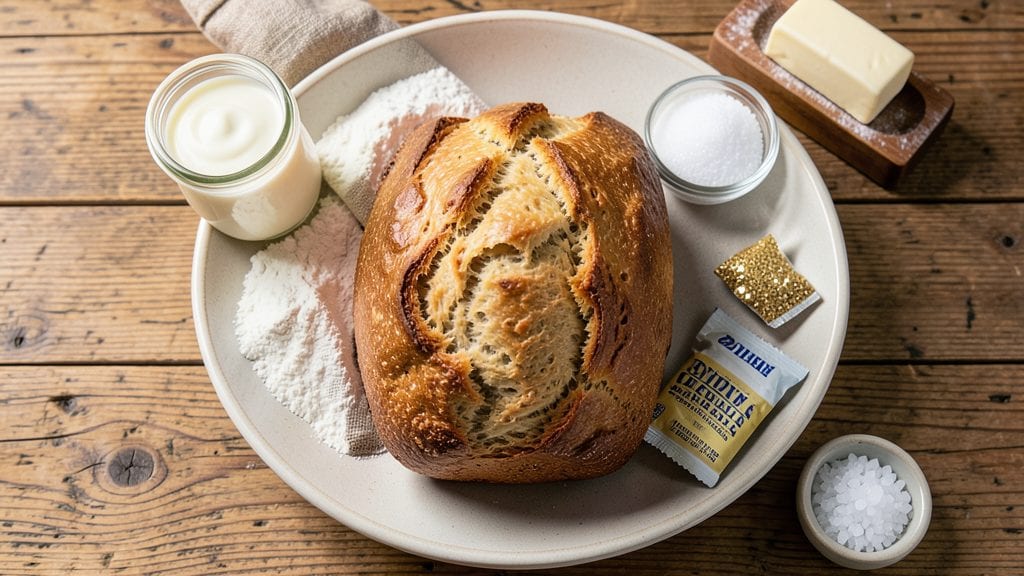
This yogurt bread recipe transforms simple ingredients into a tender, swirled loaf with tangy yogurt at its heart—where the yogurt’s acidity creates a light, airy crumb that’s impossible to resist.
The secret lies in its dual role: tenderizing the dough while acting as a natural leavening agent for that signature fluffy texture. I’ve perfected this version after years of testing, ensuring every slice delivers that perfect balance of softness and subtle tang.
The process is straightforward but requires patience—kneading until smooth, letting the dough rise twice for maximum flavor development, and shaping those signature swirls by hand. Whole wheat or sweet variations work beautifully here, proving this recipe adapts to any preference without sacrificing texture.
The result? A loaf that’s crisp on the outside, tender within, and packed with that unmistakable yogurt aroma that fills your kitchen.
What makes this recipe stand out is how it elevates basic ingredients into something extraordinary—no special equipment, just a bowl, a dough whisk, and 30 minutes of hands-on time before the oven does the rest.
The yogurt’s magic doesn’t stop at flavor; it also keeps the bread moist for days, making it ideal for breakfast, sandwiches, or even as a side to soups.
For those exploring dietary adaptations, a vegan yogurt swap works surprisingly well, though the texture may shift slightly. Whether you stick to classic or experiment with add-ins like honey or cinnamon, this recipe delivers restaurant-quality results at home. Let’s get baking!
Ingredients for yoghurt bread
Twelve ingredients transform into a tender loaf with signature yogurt swirls and a crispy crust.
| Ingredient | Amount | Notes |
|---|---|---|
| Plain Yogurt 🥛 | ½ cup | Unsweetened, full-fat preferred |
| All-Purpose Flour 🌾 | 3 ½ cups | Sifted for light texture |
| Granulated Sugar 🍯 | ¼ cup | Or substitute honey for depth |
| Active Dry Yeast 🍞 | 2 ¼ tsp | Or 1 packet instant yeast |
| Diamond Crystal Kosher Salt 🧂 | 1 tsp | Adjust to taste |
| Unsalted Butter 🧈 | ½ cup | Cold, cubed for dough |
| Large Eggs 🥚 | 1 whole | Room temperature |
| Milk 🥛 | ¼ cup | Warm for yeast activation |
| Vanilla Extract 🌸 | 1 tsp | Pure extract preferred |
| Cinnamon 🍃 | 1 tsp | Ground, for swirls |
| Brown Sugar 🍯 | ¼ cup | Packed, for swirls |
| Extra-Virgin Olive Oil 🫒 | 2 tbsp | For dough and brushing |
| Poppy Seeds 🌱 | 2 tbsp | Optional, for topping |
The yogurt is non-negotiable here—opt for full-fat plain yogurt for maximum tenderness and flavor development. Fage or Siggi's brands deliver consistent results, but any unsweetened yogurt works in a pinch. The flour should be all-purpose, sifted to eliminate lumps, ensuring a light crumb. For yeast, Diamond Crystal kosher saltunsalted, cold cubed butter for optimal dough texture. If substituting vegan yogurt, ensure it's thick and unsweetened to mimic traditional yogurt’s acidity.
No vanilla extract? Vanilla bean paste at half the amount adds depth, or a pinch of ground vanilla bean works too. The cinnamon and brown sugar swirl can be adjusted—pumpkin pie spice adds warmth, while cardamom introduces an exotic twist. For a sweeter loaf, increase the granulated sugar by 2 tbsp. The olive oil should be extra-virgin, fruity—avoid refined oils that lack flavor. If you prefer a lighter crumb, replace 0.5 cup of all-purpose flour with cake flour. For dietary flexibility, almond milk can substitute for regular milk, though texture may vary slightly.
This dough requires two rises—the first after mixing, the second after shaping—for optimal flavor and texture. Store shaped dough in the fridge for up to 24 hours if needed, allowing it to rise overnight for enhanced flavor. Baked loaves keep at room temperature for 2 days, wrapped in a bread bag, or frozen for 3 months. For reheating, wrap slices in a damp towel and microwave for 15 seconds to restore freshness. The swirls can be customized with chocolate chips or chopped nuts for added texture.
Why You'll Love This Recipe
- No-Fuss Dough: The yogurt replaces butter—no melting, no waiting, just mix and go. My hands stay clean, and the dough’s silky-smooth thanks to that tangy plain yogurt (the kind from the back of the fridge, not the fancy tub).
- Sweet-Tang Magic: That touch of sugar caramelizes just enough to balance the yogurt’s acidity, while the yeast gives it a light, airy crunch. Honestly, it’s the kind of bread I’ll eat straight from the pan, butter optional.
- Breakfast to Picnic: Slice it for toast in the morning, pack it for lunch, or tear it into chunks for a charcuterie board. The kosher salt keeps it from getting cloying, so it works with jam, cheese, or just on its own.
- Stretches the Budget: Uses pantry staples—no specialty flours or pricey additives. A single batch lasts my family four days, and the leftovers? Perfect for croutons or breadcrumbs when I’m out of ideas. (Yes, even on a Tuesday night.)
Step-by-step instructions for yoghurt bread recipe
A perfect balance of tender crumb and sweet swirls awaits with this method.
Activate the Yeast and Prepare the Dough Base
In a small bowl, combine the 0.5 cup plain yogurt, 0.25 cup warm milk, and 2.25 teaspoons active dry yeast. Let this mixture sit for 5-10 minutes until it becomes frothy and bubbly—this confirms the yeast is active. If it doesn’t bubble, your bread won’t rise properly.
In a large mixing bowl, whisk together the 3.5 cups all-purpose flour, 0.25 cup granulated sugar, 1 teaspoon diamond crystal kosher salt, and 1 teaspoon vanilla extract. Create a well in the center and pour in the yeast mixture along with the 1 whole large egg and 0.5 cup cold unsalted butter, cut into small cubes. Mix with a wooden spoon until the dough begins to come together.
Knead the Dough to Develop Gluten
Turn the dough onto a lightly floured surface and knead for 8-10 minutes until smooth and elastic. You’ll know it’s ready when it springs back slowly when pressed. If the dough feels sticky, add 1 tablespoon flour at a time—but don’t overdo it, or the bread will turn dense.
Place the dough in a lightly oiled bowl, cover with a damp towel, and let it rise in a warm place for 1-2 hours, or until it doubles in size. This resting period allows the gluten to relax and the yeast to ferment fully, which is crucial for that light, airy texture.
Prepare the Sweet Swirl Filling
In a small bowl, mix together 0.25 cup packed brown sugar, 1 teaspoon cinnamon, and 2 tablespoons poppy seeds. This will be the star of your bread, adding warmth and texture to each bite. Set aside until ready to use.
Once the dough has risen, punch it down gently to release air, then roll it out on a floured surface into a 12x16-inch rectangle. Spread the sweet mixture evenly over the dough, leaving a 1-inch border around the edges. This border prevents the filling from leaking out during baking.
Shape and Proof the Dough
Starting from the long side, tightly roll the dough into a log, pinching the seam to seal. Place the log seam-side down in a 9x5-inch loaf pan, brushing the top lightly with 2 tablespoons extra-virgin olive oil for a golden finish. Cover the pan and let the dough rise again for 30-45 minutes until it fills the pan and puffs slightly.
Preheat your oven to 375°F while the dough proofs. The oven should be fully heated before baking—this ensures even rise and proper browning. Bake the bread for 35-40 minutes, until the top is deep golden brown and the internal temperature reaches 190°F. Tap the bottom of the loaf—it should sound hollow.
Cool and Serve for Maximum Flavor
Remove the bread from the pan and let it cool on a wire rack for 10-15 minutes before slicing. This resting period allows the crumb to set, making it easier to slice cleanly. The bread will be warm, fragrant, and irresistibly tender.
Slice into ¼-inch thick pieces to reveal those beautiful swirls of cinnamon and poppy seed filling. Serve warm with butter or jam for the ultimate breakfast experience. The tangy yogurt base keeps the bread moist, while the swirls add a perfect balance of sweetness and texture.
Pro Tips For Making Yoghurt Bread
- Warm the Yogurt First: I learned this the hard way—cold yogurt kills yeast faster than you’d think. Mix the yogurt with the flour and sugar first, then let the whole dough rise in a spot where it’s cozy (like the oven with the light on). The yeast will wake up twice as fast, and your bread won’t take forever to proof.
- Measure Salt Precisely: Diamond Crystal kosher salt is not the same as table salt—use exactly what the recipe says, or your bread will taste flat. I used to eyeball it and wondered why my loaves lacked punch. Grab a kitchen scale if you’re unsure, or at least level that spoon.
- Don’t Over-Knead the Dough: This isn’t pizza dough—yogurt bread is tender, not chewy. Knead just until the flour comes together into a smooth, slightly tacky ball (about 5-7 minutes by hand). Overwork it, and you’ll end up with a dense brick instead of that light, airy crumb you’re after.
- Shape Tightly, Rise Twice: Roll the dough into a log and pinch the seams shut like you’re wrapping a gift—no gaps. Then let it rise again after shaping (about 30-45 minutes). This second rise guarantees a tall, even loaf instead of a sad, flat one. (Yes, even if you’re impatient like me.)
Dietary considerations for yoghurt bread
Vegan Adaptations
Swap the dairy yogurt for unsweetened coconut or almond yogurt—brands like Silk or So Delicious work best. The texture will be slightly denser, but the tangy flavor remains. For extra moisture, add 1 tablespoon aquafaba (chickpea brine) to the dough.
Remember, vegan yogurts vary in thickness, so adjust with 1-2 tablespoons water if needed to mimic traditional yogurt’s consistency. 🌱
Gluten-Free Options
Replace all-purpose flour with a 1:1 gluten-free baking blend like King Arthur Measure for Measure. Add 1 teaspoon xanthan gum to improve elasticity. For binding, include 1 extra tablespoon of yogurt (dairy or vegan).
Proof times may extend slightly—expect 1.5-2 hours for the first rise. The crumb will be slightly denser but still tender. 💪
Nut-Free Swaps
Skip the poppy seeds and replace with crushed dried apricots or chopped dried cranberries for natural sweetness. For a savory twist, use everything bagel seasoning instead of cinnamon.
The brown sugar can be reduced by 2 tablespoons if using dried fruit to balance sweetness. Always check labels—some dried fruits contain traces of nuts. 🌿
Lower Sugar Versions
Reduce granulated sugar to 0.125 cup and replace the remaining 0.125 cup with unsweetened applesauce. For the swirl, use 0.125 cup honey (instead of brown sugar) mixed with 1 teaspoon cinnamon.
The bread will still be sweet but with natural sugars and fewer refined carbs. Pair with almond butter for a balanced breakfast. ✨
Dairy-Free Butter
Use Earth Balance Vegan Butter or Miyoko’s Creamery for a 1:1 swap. These plant-based butters melt similarly to dairy butter, ensuring the same flaky layers. For extra richness, add 1 tablespoon neutral oil (like avocado oil) to the dough.
Chill the dough slightly longer—10-15 minutes—before shaping to prevent spreading. 🧈
Allergen-Friendly Tips
For egg-free versions, replace the 1 large egg with 1 flax egg (1 tbsp ground flaxseed + 3 tbsp water). For nut allergies, ensure all ingredients—including vanilla extract—are nut-free. Always use separate utensils and surfaces when handling allergens. Store baked loaves in airtight containers to prevent cross-contamination. 🛡️
Nutrition facts
Frequently asked questions
Why does yogurt make this bread so tender?
The yogurt’s acidity breaks down gluten strands, creating a softer texture while its moisture content keeps the crumb light and airy. The protein in yogurt also helps retain moisture longer than water alone. This is why yogurt bread stays fresh for days without drying out!
Can I make this without a loaf pan?
Shape the dough into a free-form loaf or round boule instead. Brush with olive oil and bake on a parchment-lined tray at 375°F for 25-30 minutes, rotating halfway for even browning. The swirls will still shine through the crust!
What’s the secret to perfect swirls?
Roll the dough into a 12x16-inch rectangle and spread the filling thinly, leaving a 1-inch border. When rolling, keep tension even and pinch the seam tightly to prevent unraveling. Chill the shaped loaf for 10 minutes before baking to maintain shape.
Why did my bread turn out dense?
Over-kneading or under-proofing are common culprits. Knead just until smooth (8-10 minutes) and let the dough rise until it doubles in size. Also check your yeast—if it didn’t bubble in the warm milk, it’s inactive. Test with a toothpick: it should come out clean when done.
How can I add whole wheat flour?
Replace up to 1 cup of all-purpose flour with whole wheat, but reduce the yogurt by 1 tablespoon to account for its extra moisture. For best results, use a blend of 70% all-purpose and 30% whole wheat. The texture will be slightly denser but still tender.