
Side Dishes
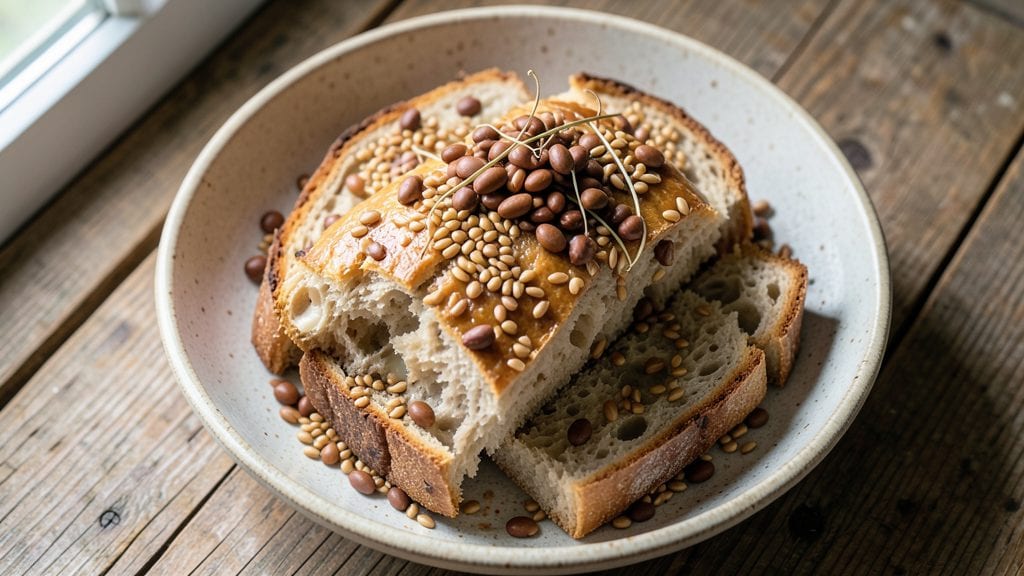
There’s nothing quite like mastering the ezekiel bread original recipe—a loaf steeped in ancient grain wisdom that promises both deep nutrition and a texture unlike any other.
This original recipe captures the essence of the original sprouted grain bread, where whole wheat, barley, and millet transform through fermentation into a nutritious, lightly sweet loaf with a chewy yet tender crumb.
The beauty of this bread lies in its preparation: grains are sprouted first, unlocking enzymes that enhance digestibility and flavor, while the fermentation process develops complex, earthy notes.
What you’ll end up with is a loaf that’s denser than your average white bread but lighter than dense whole-grain loaves, with a subtle nutty aroma that lingers in the air as it bakes.
This isn’t just another whole-grain loaf—it’s a nutritionally dense staple with historical roots, packed with protein, fiber, and essential amino acids. Perfect for sandwiches, toast, or pairing with soups, it’s the kind of bread that elevates any meal while supporting your health goals.
Ready to master the art of sprouted grain baking? Let’s get started with the step-by-step process that brings this timeless recipe to life.
Ingredients for ezekiel bread original
Ancient grains meet modern baking in this nutrient-packed sprouted loaf.
| Ingredient | Amount | Notes |
|---|---|---|
| Organic Whole Wheat Berries 🌾 | 2 cups | Uncooked, sprouted for 8-12 hours |
| Organic Barley Grains 🌾 | 1 cup | Uncooked, sprouted for 8-12 hours |
| Organic Millet Seeds 🌾 | 1 cup | Uncooked, sprouted for 8-12 hours |
| Organic Lentils 🌱 | ½ cup | Uncooked, sprouted for 8-12 hours |
| Unsweetened Almond Milk 🥛 | 1 ¼ cups | Room temperature, unsweetened |
| Raw Apple Cider Vinegar 🍏 | 1 tbsp | For fermentation starter |
| Raw Honey Substitute (Maple Syrup) 🍯 | 2 tbsp | For subtle sweetness (vegan) |
| Organic Whole Flaxseeds 🌿 | ¼ cup | Ground for binding agent |
| Sea Salt 🧂 | 1 ½ tsp | Fine grain for flavor balance |
| Active Dry Yeast 🍞 | 1 tsp | For fermentation boost |
| Filtered Water 💧 | 1 ½ cups | Room temperature preferred |
| Lentil Flour 🌾 | ½ cup | For structure and protein |
| Sesame Seeds 🌻 | 1 tbsp | For topping (optional) |
The grains are the heart of this recipe, so source organic, whole berries and seeds from trusted brands like Bob's Red Mill or Trader Joe's—their sprouting quality is unmatched. Look for barley and millet with vibrant color and no off smells, as these indicate freshness. Sprouting unlocks enzymes that make the bread more digestible and flavorful—don’t skip this step if you want that authentic Ezekiel texture. For the flaxseeds, grind them fresh just before mixing to maximize their binding power. The almond milk should be unsweetened and room temperature to avoid slowing fermentation.
No sprouting setup? Pre-sprouted grains from Sprouts Farmers Market or Whole Foods work in a pinch—just rinse them well before using. Swap maple syrup for agave nectar if preferred, though maple adds a subtle depth. The yeast is critical—use active dry yeast and test it in warm water first to confirm it’s still alive. For extra protein, add 0.25 cup vital wheat gluten to the flour blend. If you’re avoiding gluten entirely, replace lentil flour with chickpea flour for similar binding properties. The sesame seeds on top are optional but add a nice crunch and visual appeal.
This dough ferments best at room temperature for 4-6 hours, then chills overnight for optimal rise. Store baked loaves in an airtight container for up to 5 days—they’ll keep well at room temperature. For longer storage, freeze slices wrapped in parchment paper for up to 3 months. The flavor actually improves over time, so make a double batch—it disappears fast. Toasting enhances the nutty notes, so keep a loaf on hand for quick meals.
Why You'll Love This Recipe
- No-Fuss Sprouting: I swear by this recipe because it skips the soaking and fermenting hassle—just toss the whole wheat berries, barley, millet, and lentils into a bowl with almond milk, let them sit overnight, then blend and bake. Honestly, it’s the closest thing to a "set it and forget it" bread that still feels homemade.
- Nutty Earthy Crunch: That mix of sprouted grains and lentils? It’s got a depth you won’t find in regular bread—like a toasty, slightly sweet nuttiness that lingers. I’ll be real: my kids used to turn up their noses at whole grains, but this? They fight over the last slice.
- Meal Prep MVP: This bread freezes like a dream (yes, even after toasting) and keeps for weeks in the fridge—perfect for quick lunches or when you’re too tired to bake. Between us, I’ve pulled a slice straight from the freezer, popped it in the toaster, and had a satisfying breakfast in under 2 minutes.
- Budget-Friendly Staple: Using dried grains and lentils instead of pricey pre-sprouted flours cuts costs without sacrificing texture. I make a double batch every other week, and it’s my go-to for sandwiches, croutons, or even a side for soup. Solid move for anyone watching their grocery budget.
Step-by-step instructions for Ezekiel bread original recipe
Transforming sprouted grains into a wholesome loaf requires patience and precision.
Prepare the Sprouted Grains Mixture
Combine the 2 cups of organic whole wheat berries, 1 cup of organic barley grains, 1 cup of organic millet seeds, and 0.5 cup of organic lentils in a large bowl. Cover with a damp kitchen towel and let them sprout for 8-12 hours at room temperature. The grains should develop small tails and a slightly tangy aroma—this indicates they're ready. Rinse them thoroughly under cold water to remove any sprouting tails, then drain well in a colander.
Real talk: If you skip the sprouting, you'll miss the nutritional benefits and the bread's signature light texture. The sprouted grains break down during fermentation, creating a more digestible loaf with enhanced flavor. Spread the drained grains on a clean kitchen towel to dry slightly before proceeding—this prevents a gummy dough later.
Mix the Wet Ingredients and Ferment
In a separate bowl, whisk together the 1.25 cups of unsweetened almond milk, 1 tbsp of raw apple cider vinegar, 2 tbsp of raw honey substitute (maple syrup), and 1.5 cups of filtered water. Add the 1 tsp of active dry yeast and let it sit for 5-10 minutes until frothy. This activates the yeast and creates the foundation for fermentation.
Next, add the sprouted grains to the wet mixture along with the 0.25 cup of ground organic whole flaxseeds and 1.5 tsp of sea salt. Stir well until fully combined. The dough should be thick but pourable—similar to pancake batter. Cover the bowl with a damp towel and let it ferment at room temperature for 4-6 hours, or until it nearly doubles in volume. You'll notice bubbles forming on the surface and a slightly tangy aroma developing.
Incorporate the Structure and Shape the Loaf
After fermentation, stir in the 0.5 cup of lentil flour to help bind the mixture. The dough will become thicker and more manageable. Preheat your oven to 350°F and line a loaf pan with parchment paper, greasing it lightly to prevent sticking. Pour the dough into the pan, smoothing the top with a wet spatula. The dough should fill the pan about ¾ full—it won't rise much more after baking.
Sprinkle the 1 tbsp of sesame seeds evenly over the top for added texture and flavor. Here's the thing—this bread doesn't rise dramatically like traditional yeast breads. Instead, it relies on the structure of the sprouted grains and lentil flour to hold its shape. Bake for 50-60 minutes until the top is golden brown and the internal temperature reaches 190°F. Tap the loaf gently—it should sound hollow when done.
Cool and Slice for Maximum Enjoyment
Remove the loaf from the oven and let it cool in the pan for 10 minutes. Then transfer it to a wire rack to cool completely. I know it's tempting to slice into it warm, but patience here ensures clean slices without crumbling. The bread should firm up as it cools, developing a satisfying crumb and nutty flavor from the sprouted grains.
Once fully cooled, slice the loaf into 8 even servings using a sharp serrated knife. Each slice should reveal a dense, hearty texture with visible flecks of barley, millet, and lentils. Serve with your favorite spreads or enjoy it toasted for a wholesome meal. This bread keeps well at room temperature for 3-4 days or can be frozen for longer storage.
Pro Tips For Making Ezekiel Bread Original
- Soak Overnight, Not Less: DESCRIPTION: I learned this the hard way—skipping the full 12-14 hours of soaking for the wheat berries, barley, millet, and lentils leaves them stubbornly chewy. The grains need time to plump and soften properly, especially the barley, which stays rock-hard if rushed. Use a wide bowl so they don’t float in clumps.
- Blend Lentils First: DESCRIPTION: Pulse those lentils into a coarse meal before adding them to the other soaked grains—this prevents gritty texture later. I used to toss them in whole and ended up with tiny crunchy surprises. A food processor for 10-15 seconds does the trick without turning them into paste.
- Avoid Overmixing the Dough: DESCRIPTION: Once you combine the blended grains with almond milk and starter, resist the urge to knead like sourdough. Ezekiel bread’s texture relies on gentle folding—overworking develops gluten, and you’ll end up with dense, gummy loaves. Just mix until barely combined, then let the dough rest.
- Bake at 375°F, Not Hotter: DESCRIPTION: After burning my first loaf by cranking the oven to 400°F, I dialed it down to 375°F for even browning. The millet and barley toast too quickly at higher temps, turning the crust bitter before the center bakes. A dark loaf pan helps, but monitor closely after 40 minutes.
Storing and reheating your ezekiel bread original
Room Temperature Storage
Once fully cooled, wrap your Ezekiel loaf tightly in parchment paper or place it in a glass bread box to maintain freshness. This bread stays wonderfully soft for up to 5 days at room temperature—no refrigeration needed!
The key is to keep it covered to prevent drying out. I always store my loaf this way because it preserves that fresh-baked texture longer. 🌟
Freezing for Long-Term
For longer storage, slice the loaf and wrap each piece individually in parchment paper, then place them in a freezer-safe bag. This prevents freezer burn and keeps slices crisp.
I like to freeze my Ezekiel bread for up to 3 months—it’s perfect for quick breakfasts or sandwiches. Thaw at room temperature for 1-2 hours before serving. ❄️
Reheating Methods
To revive stale slices, pop them in a toaster or toaster oven for 2-3 minutes until golden. For a softer texture, wrap slices in foil and heat in a 350°F oven for 10 minutes.
I also love reheating in a skillet with a splash of water for a crispy exterior. This brings back that fresh-baked aroma and texture. 🔥
Reviving Crusty Sides
If your loaf develops a dry crust after a few days, sprinkle water lightly over the surface and cover with a damp towel for 10 minutes. This softens the crust without sogginess.
I’ve also found that toasting the crusty slices first and then adding butter or jam makes them delicious again. This trick works wonders for leftovers! 🍞
Preventing Mold
Ezekiel bread is naturally low-moisture, so mold is rare—but if you notice any discoloration, discard it immediately. To extend shelf life, consider adding 1 tsp of apple cider vinegar to the dough mix next time.
This natural preservative helps keep the bread fresh longer. I’ve never had issues with my homemade loaves, though! 💪
Nutrition facts
Frequently asked questions
Why does Ezekiel bread require sprouting the grains first?
The sprouting process unlocks enzymes that make the grains more digestible and enhances their flavor. This step also creates a lighter, airier texture compared to unsprouted grain breads. The grains develop a slightly tangy taste during sprouting, which becomes a signature characteristic of authentic Ezekiel bread.
Can I make this bread without sprouting the grains?
Technically yes, but you'll miss the nutritional benefits and signature texture. Sprouting reduces phytic acid, increases protein availability, and creates a more tender crumb. If you skip it, use pre-sprouted grains from trusted sources or expect a denser, less flavorful loaf. The fermentation process still helps, but won't fully replicate the original recipe's qualities.
What's the best way to tell when my Ezekiel bread is fully baked?
Look for a golden brown crust and tap the loaf gently—it should sound hollow when done. The internal temperature should reach 190°F. Avoid overbaking, as this can dry out the bread. The bread won't rise dramatically like traditional yeast breads, so focus on color and texture rather than volume.
How does Ezekiel bread compare to regular whole wheat bread?
Ezekiel bread is more nutrient-dense with higher protein and fiber due to the sprouted grains and added lentils. It has a denser, slightly chewy texture with visible grain flecks, while whole wheat bread tends to be lighter and more uniform. The flavor is nuttier and more complex from the fermentation process. For sandwiches, Ezekiel holds up better to moist fillings.
Can I add seeds or nuts to this recipe?
Try adding 1 tbsp of chia seeds or ¼ cup chopped walnuts to the dough before baking. For topping, sprinkle with sunflower seeds or pumpkin seeds instead of sesame. Just reduce the flour slightly to maintain the right consistency. These additions boost nutrition and texture—just be mindful of how they might affect fermentation time.